


Primary sourceDocument1609
Twelve Years' Truce
1609
A ceasefire signed in 1609 between Spain and the Dutch Republic in Philip III's name, pausing the Eighty Years' War.
This truce, agreed in Philip III's name, shows the financial and military limits he faced as king of Spain.
About this source
What it is
The Twelve Years' Truce was a ceasefire in the Eighty Years' War between Spain and the Dutch Republic, agreed at Antwerp in 1609. It was signed in the name of Philip III of Spain, with the Archdukes Albert and Isabella also involved on the Habsburg side.
Why it matters
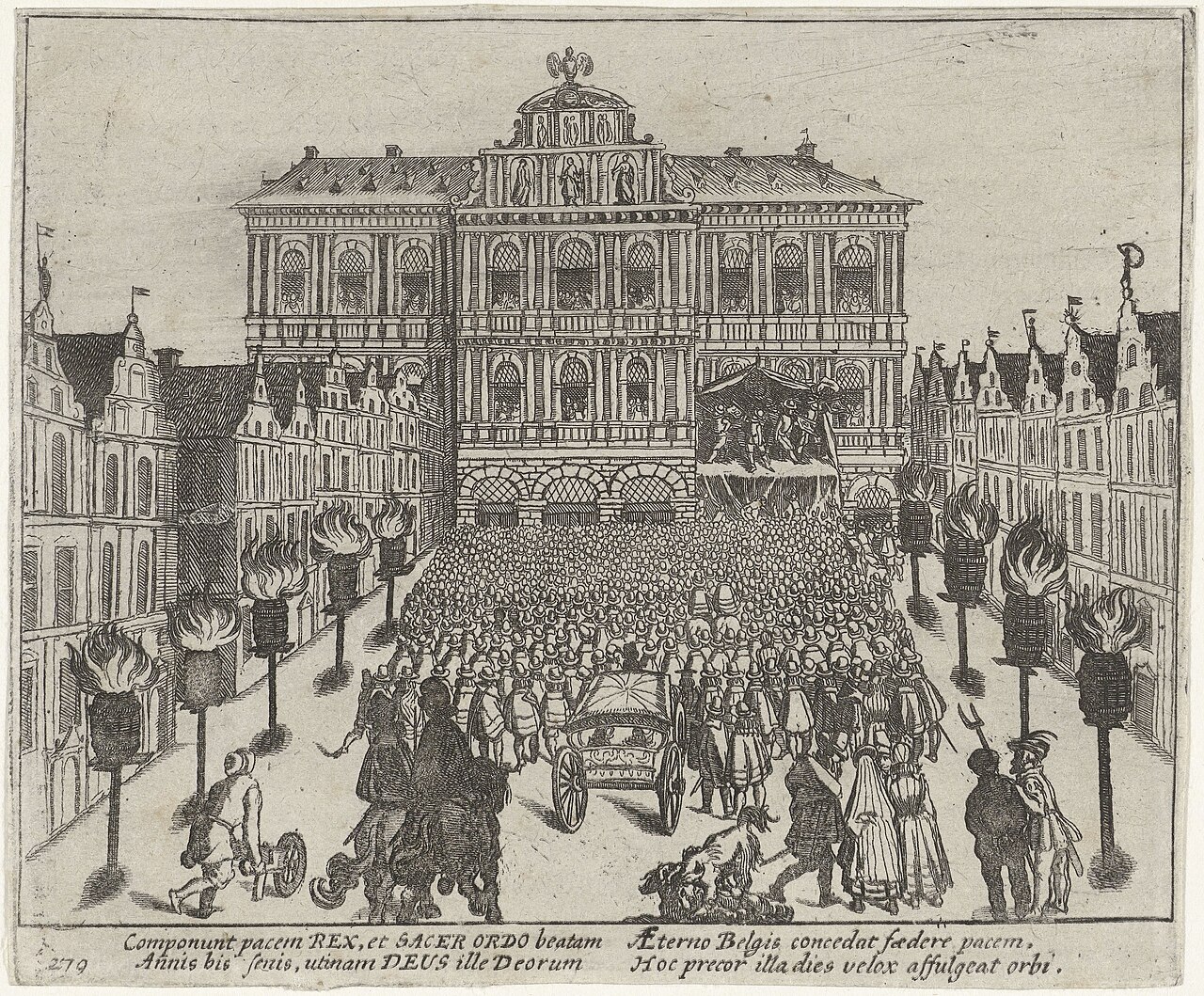
Spain was financially exhausted and could not keep fighting on several fronts at once, so the truce let Philip III focus resources elsewhere. The Dutch used the break to grow stronger and more accepted as an independent state by other powers, even though Spain would not formally recognise this until decades later. The engraving of the celebrations in Antwerp shows how ordinary people marked the event.
Look closer
- Why might a crowd gather at night with torches to celebrate a truce rather than a victory?
- What does the Latin inscription suggest about who the image was made for?
- What does this truce reveal about the limits of Philip III's power despite being king?
This document is part of the curated material that grounds the AI version of Philip III of Spain on Humy.ai — when students ask about related events, the AI can quote it and cite it.
More Philip III of Spain sources
Browse all 92 →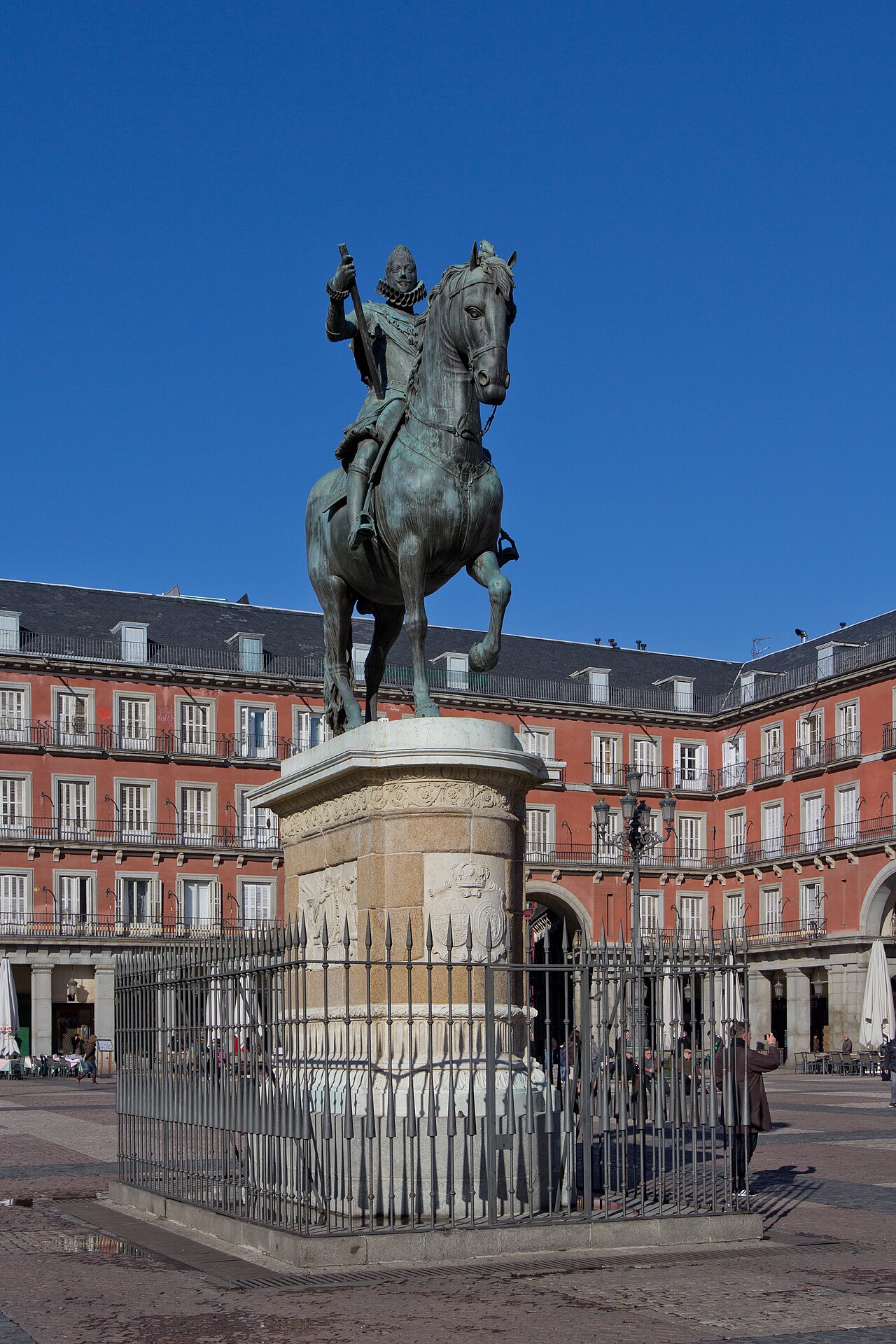 Sculpture
Secondary source
Equestrian statue of Philip III of Spain, Madrid
Giambologna · 1616
 Painting
Secondary source
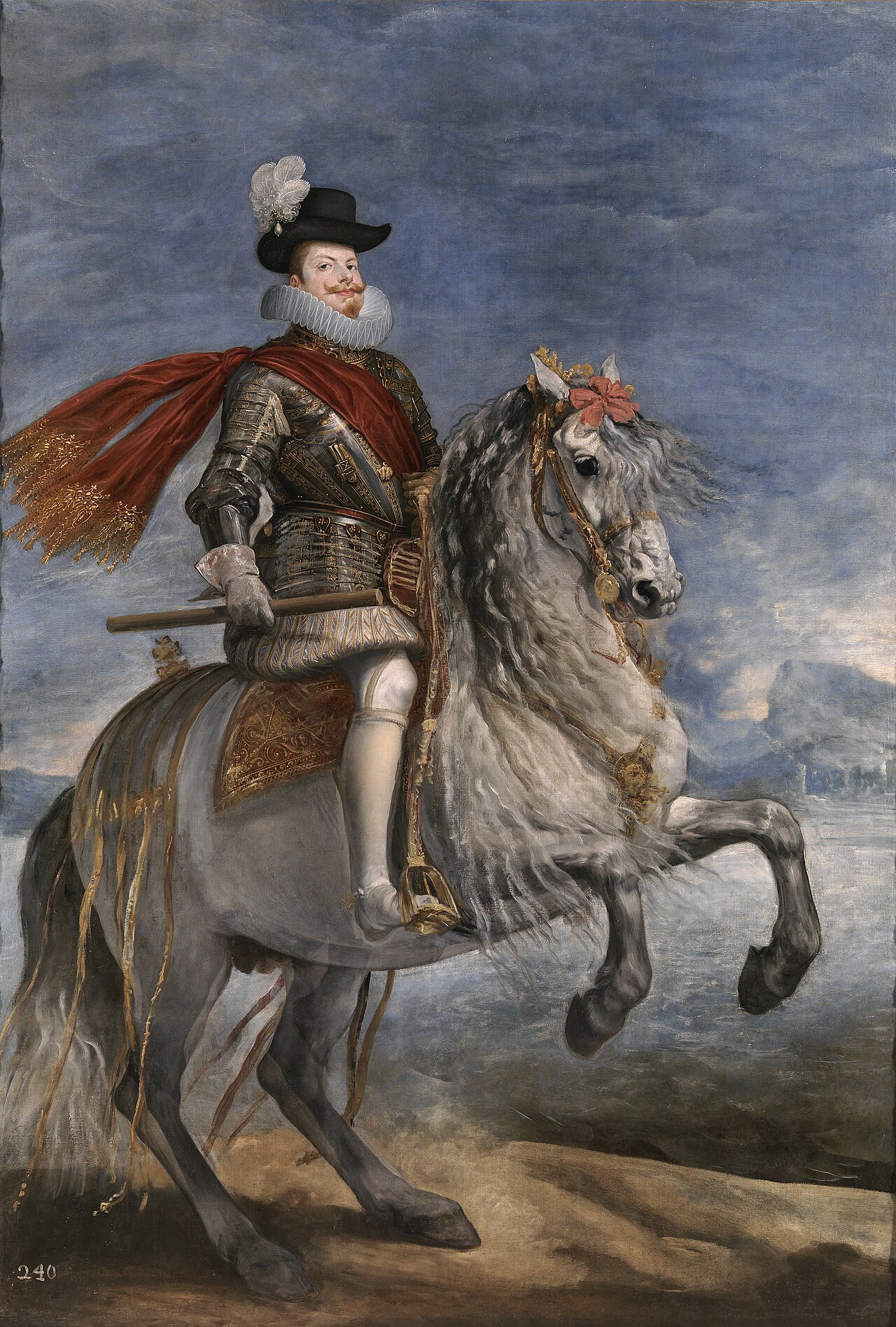
Equestrian Portrait of Philip III
Diego Velázquez · 1634/35
 Painting
Primary source
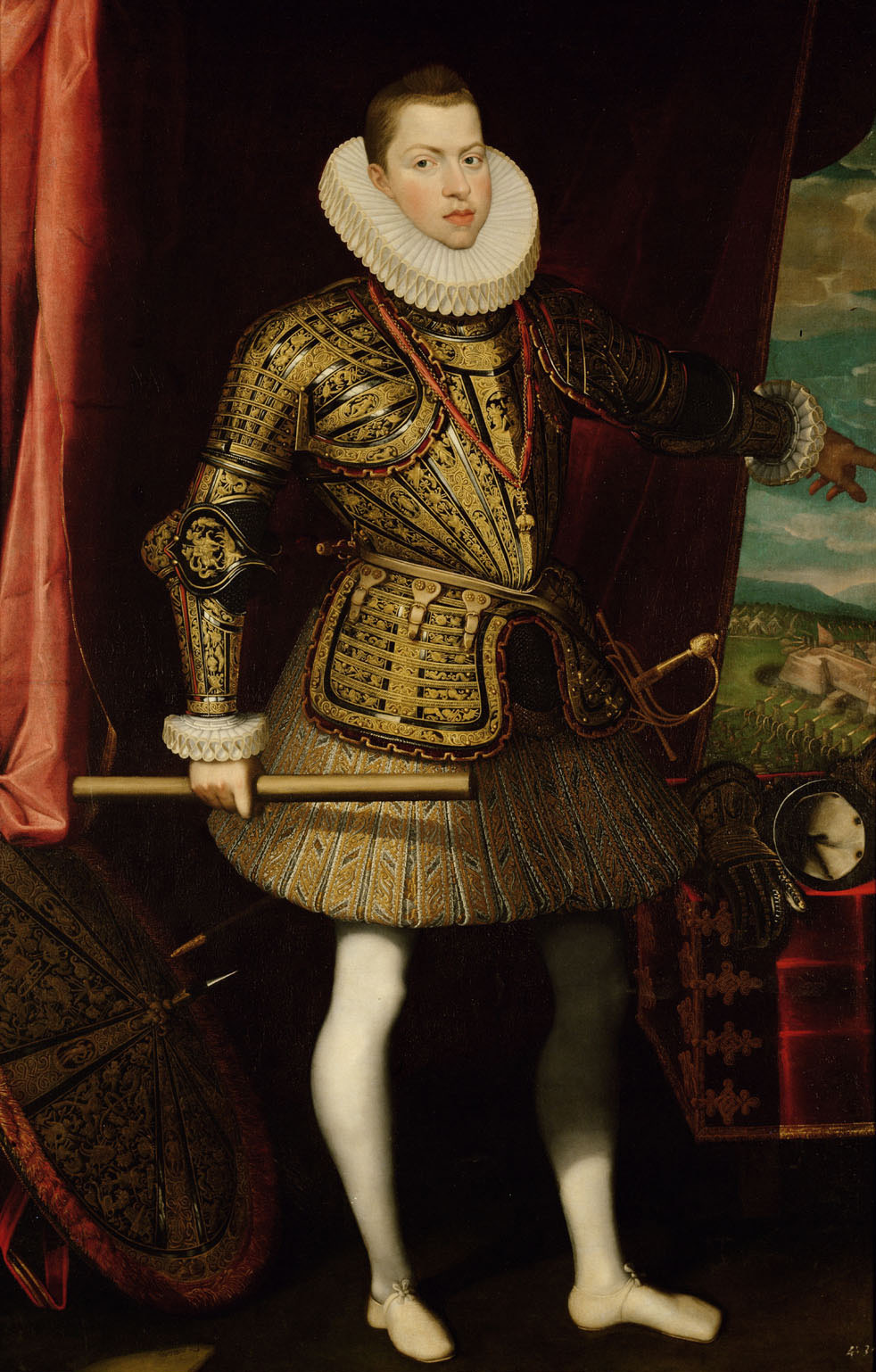
King Philip III of Spain as General of the Infantry
Juan Pantoja de la Cruz · 1601
 Painting
Primary source
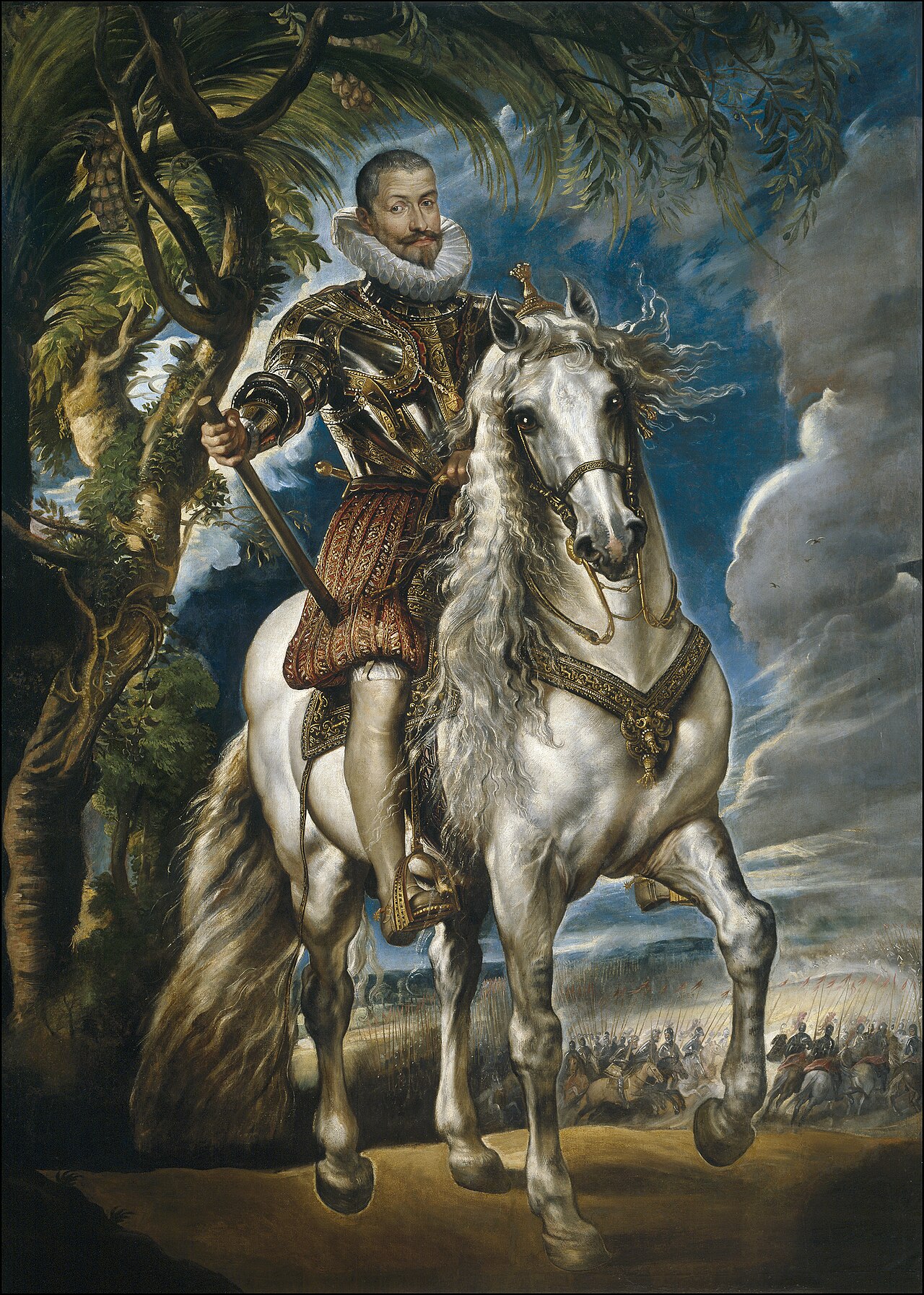
Equestrian Portrait of the Duke of Lerma
Peter Paul Rubens · 1603
Free account
Read every Philip III of Spain source
Sign up free →
Ready when you are
Start chatting with Philip III of Spain now.
20 messages free · No credit card · Available in 50+ languages.