


Secondary sourcePainting1766
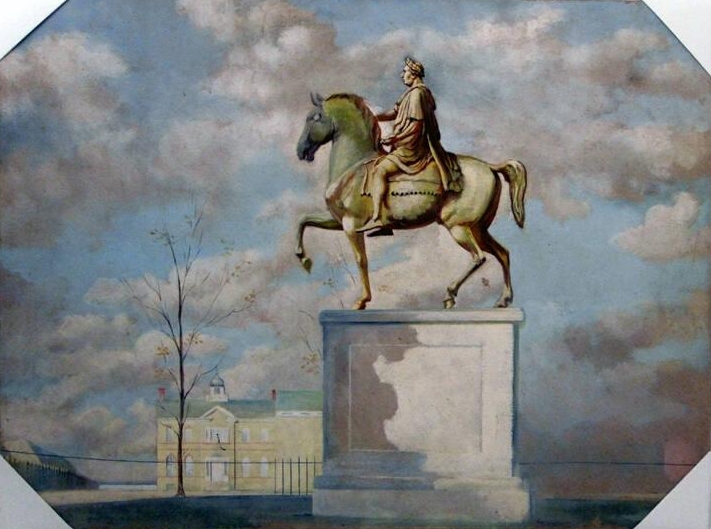
Equestrian Statue of George III, Bowling Green
Joseph Wilton · 1766
A statue of George III on horseback, erected in New York and torn down by patriots in 1776 to be melted into bullets.
This statue honored George III in New York, then was destroyed by patriots as loyalty to him collapsed.
About this source
What it is
This is a painting showing an equestrian statue of King George III on a rearing horse, made by sculptor Joseph Wilton in 1766. It stood on Bowling Green in New York City. Fragments linked to the statue are now held by the Museum of Connecticut History.
Why it matters
The statue was put up in 1770 by colonists grateful that the King had allowed the repeal of the Stamp Act. Just six years later, in July 1776, patriots tore it down and melted it to make bullets. It is a striking symbol of how colonial loyalty to George III collapsed into rebellion.
Look closer
- What does putting up a statue of a living king on horseback say about how people wanted to honor him?
- Why might the same people who built the statue later destroy it?
- What does melting a king's statue into bullets suggest about the mood of 1776?
This painting is part of the curated material that grounds the AI version of George III on Humy.ai — when students ask about related events, the AI can quote it and cite it.
More George III sources
Meet the AI George III →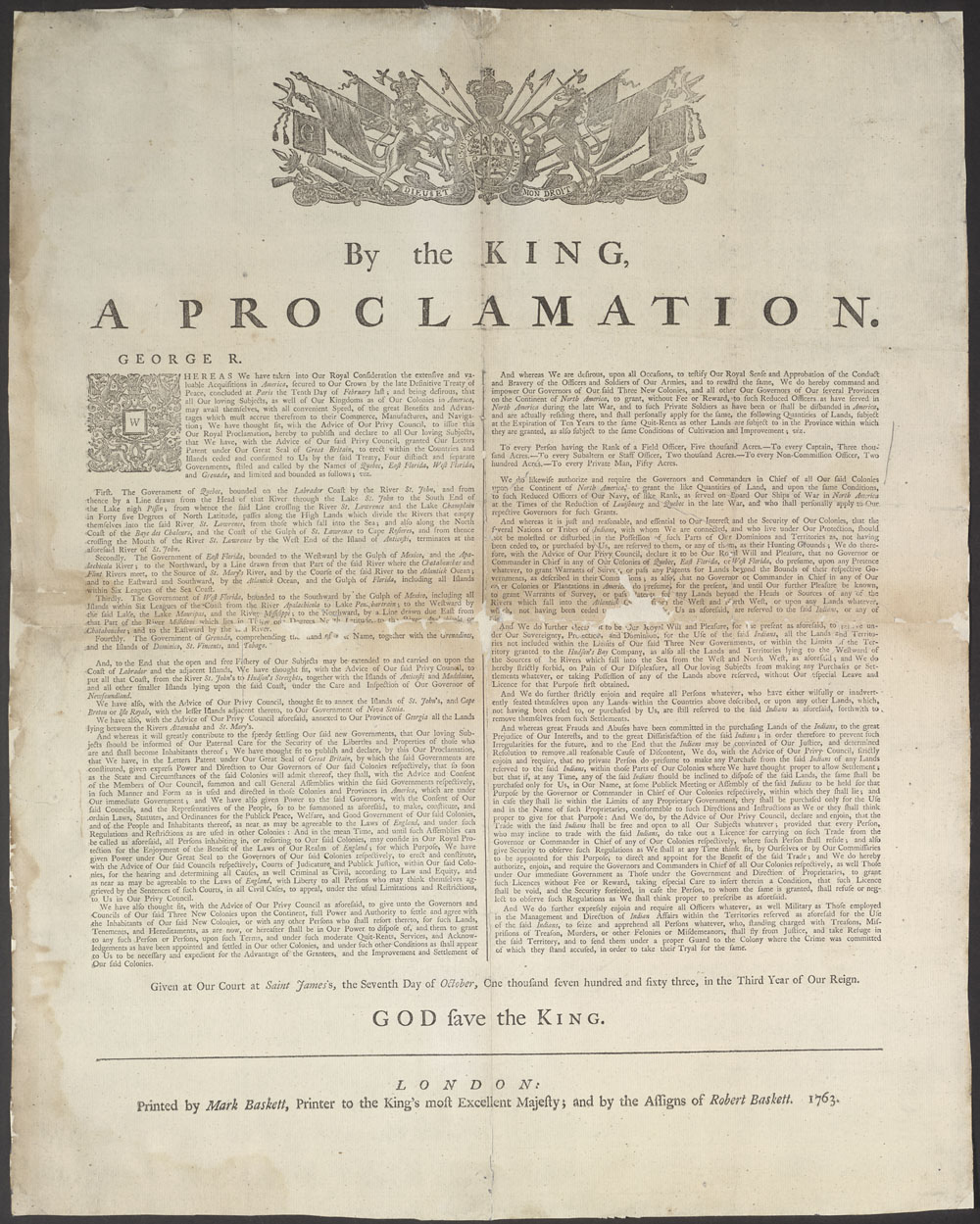 Document
Primary source
Royal Proclamation of 1763
7 October 1763
 Painting
Primary source
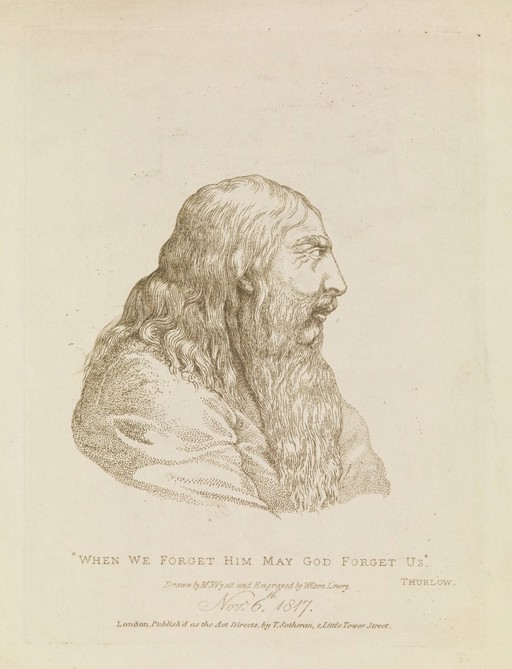
King George III, Etching by Wilson Lowry after M. C. Wyatt
Matthew Coates Wyatt · 6 November 1817
 Painting
Primary source
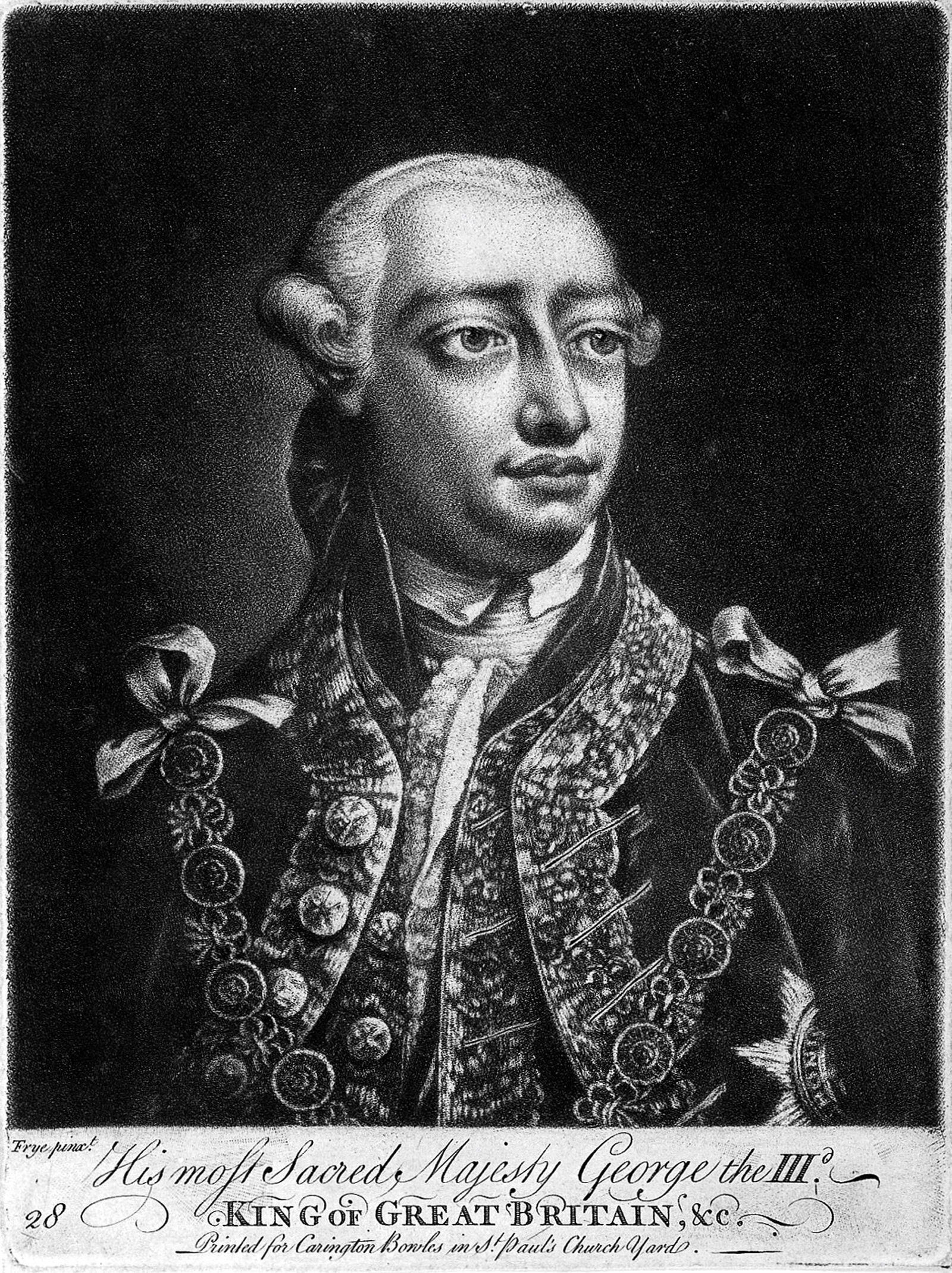
King George III, Mezzotint after Thomas Frye
Thomas Frye · not later than 1762
 Document
Primary source
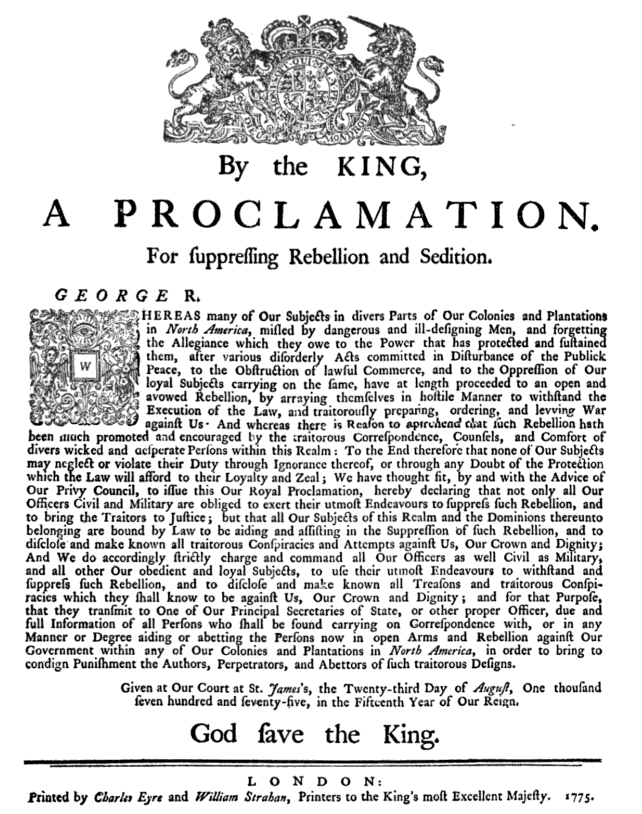
Proclamation of Rebellion
George III of Great Britain · 23 August 1775
 Document
Primary source
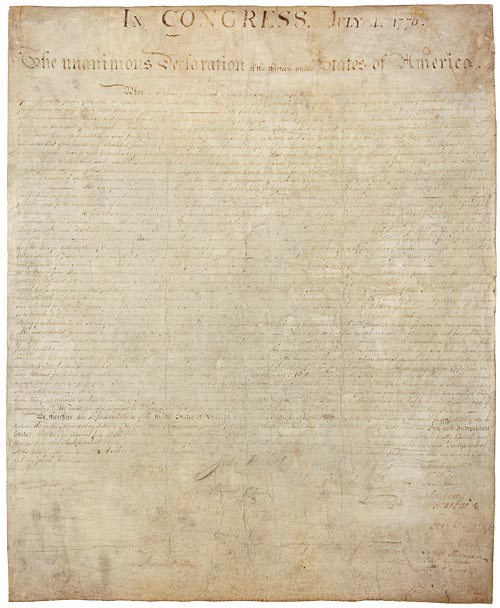
Declaration of Independence
Continental Congress (drafted by Thomas Jefferson) · 1776
Ready when you are
Start chatting with George III now.
20 messages free · No credit card · Available in 50+ languages.