


Secondary sourceSculpture1836
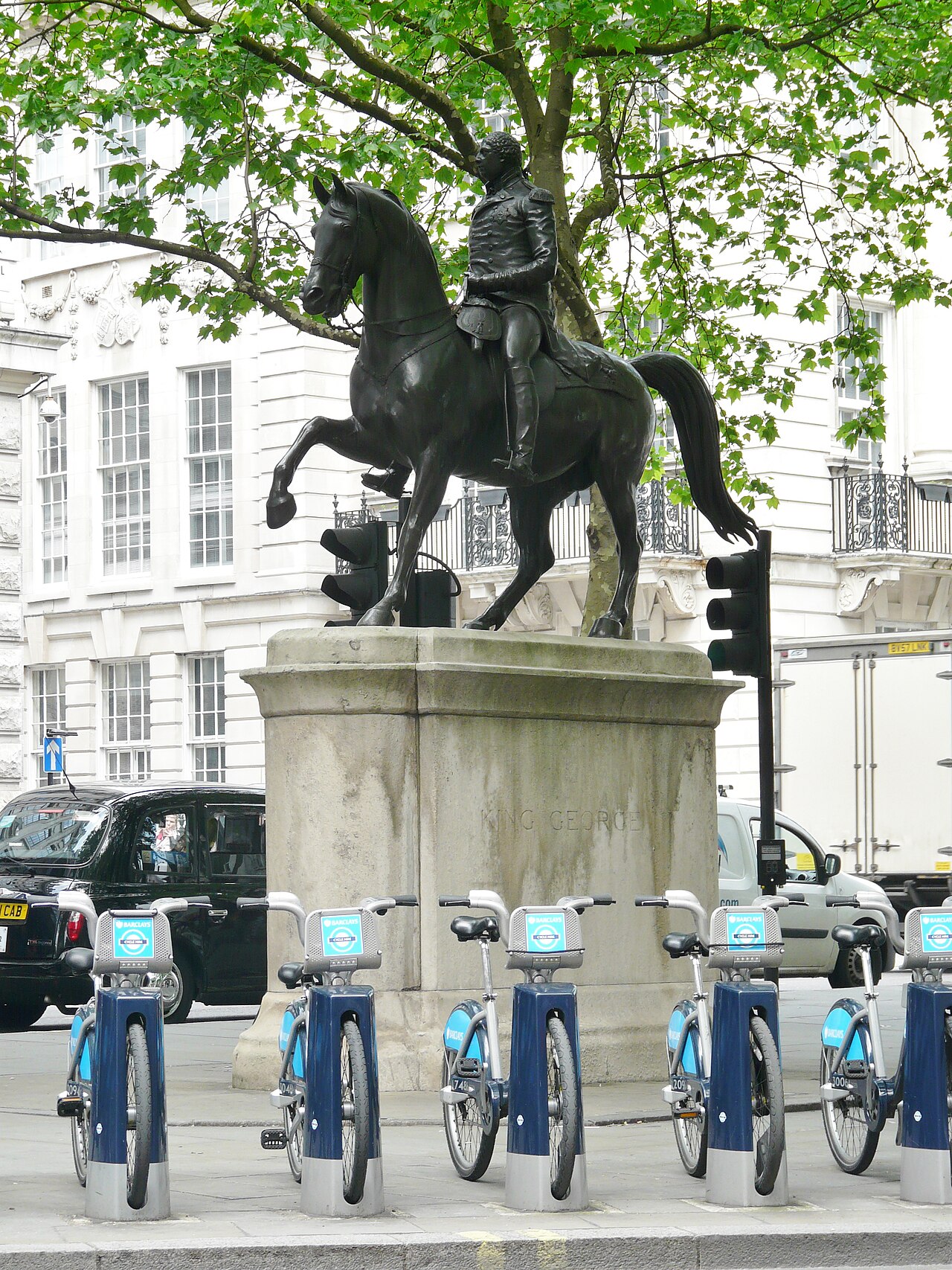
Equestrian Statue of George III
Matthew Cotes Wyatt · 1836
A bronze statue of King George III on horseback, completed in 1836 and standing on Pall Mall in London.
London's main public memorial statue of George III, erected after his death to commemorate his reign.
About this source
What it is
This bronze equestrian statue of King George III was commissioned in 1822 and completed in 1836 by sculptor Matthew Cotes Wyatt. It stands at the junction of Pall Mall and Cockspur Street in London, showing the King in 'Windsor uniform' riding his favourite horse, Adonis.
Why it matters
Made after the King's death, this is London's main public monument to George III, the first Hanoverian king who strongly identified as British rather than German. The statue was poorly received even before it was erected, showing that public monuments don't always match popular opinion. The King's pigtailed hairstyle even gave the street its nickname.
Look closer
- Why do you think the statue received a poor reception when it went up, even though it honours a king?
- What does showing the King on his favourite horse, rather than standing alone, suggest about how Wyatt wanted him remembered?
- Why might a statue be commissioned and built more than a decade after the subject's death?
This sculpture is part of the curated material that grounds the AI version of George III on Humy.ai — when students ask about related events, the AI can quote it and cite it.
More George III sources
Meet the AI George III →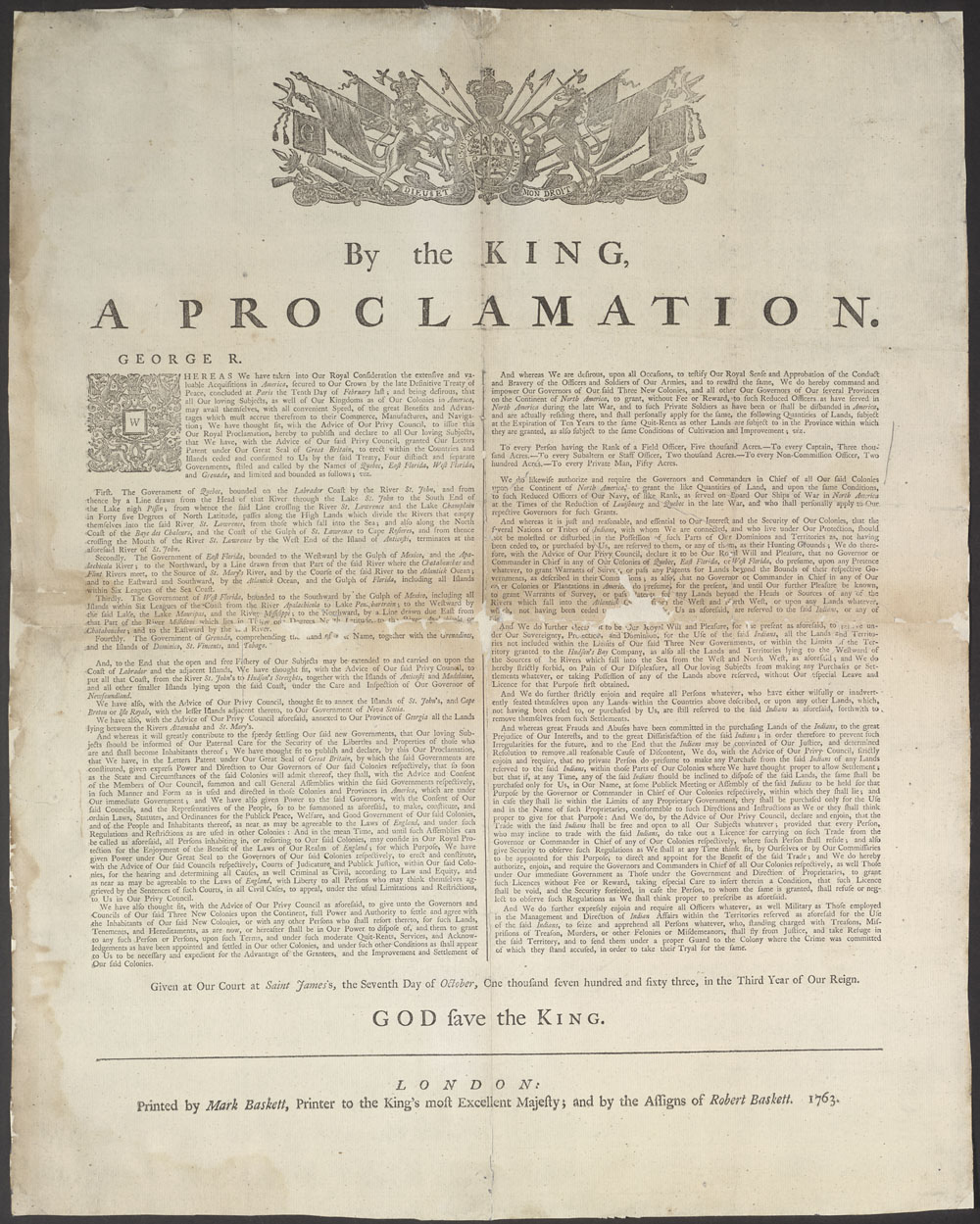 Document
Primary source
Royal Proclamation of 1763
7 October 1763
 Painting
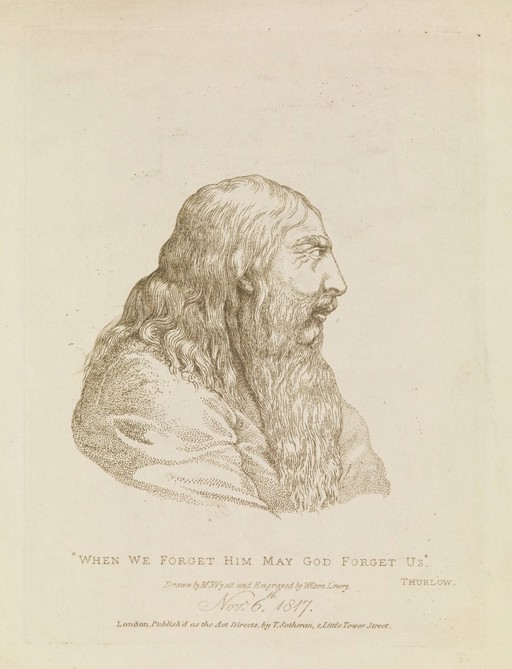
Primary source
King George III, Etching by Wilson Lowry after M. C. Wyatt
Matthew Coates Wyatt · 6 November 1817
 Painting
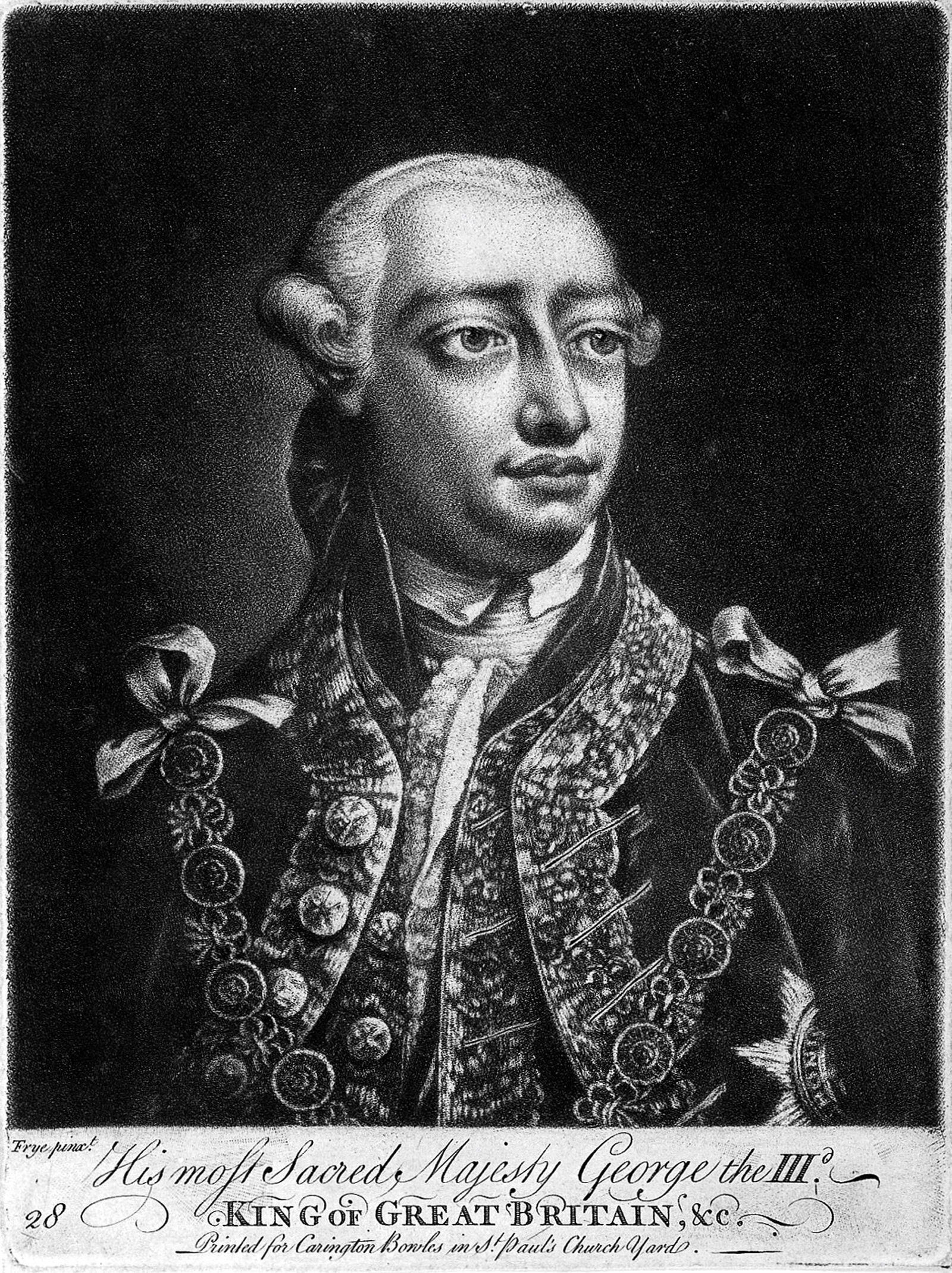
Primary source
King George III, Mezzotint after Thomas Frye
Thomas Frye · not later than 1762
 Document
Primary source
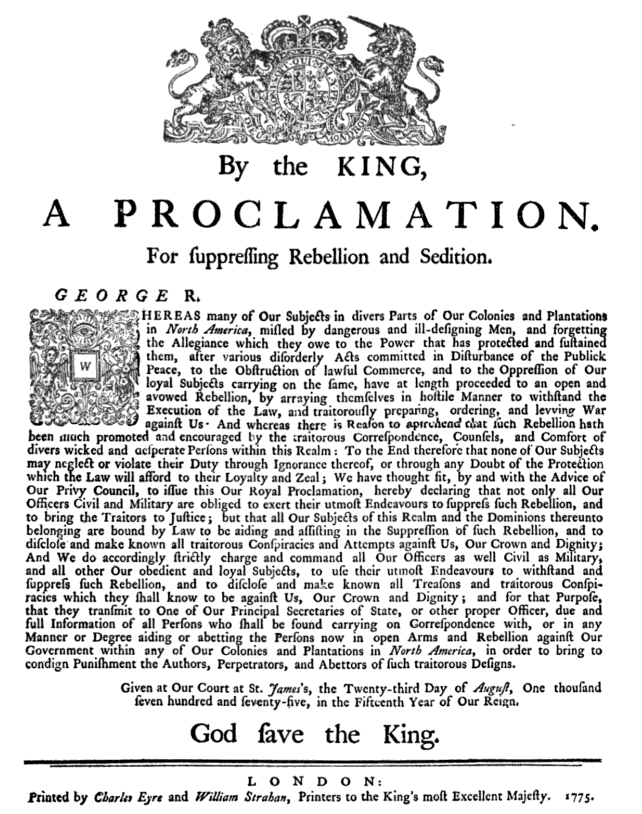
Proclamation of Rebellion
George III of Great Britain · 23 August 1775
 Document
Primary source
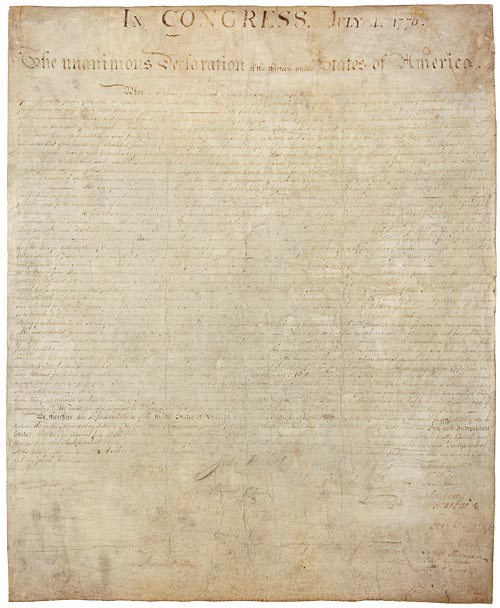
Declaration of Independence
Continental Congress (drafted by Thomas Jefferson) · 1776
Ready when you are
Start chatting with George III now.
20 messages free · No credit card · Available in 50+ languages.