


Primary sourceDocument25 October 1810
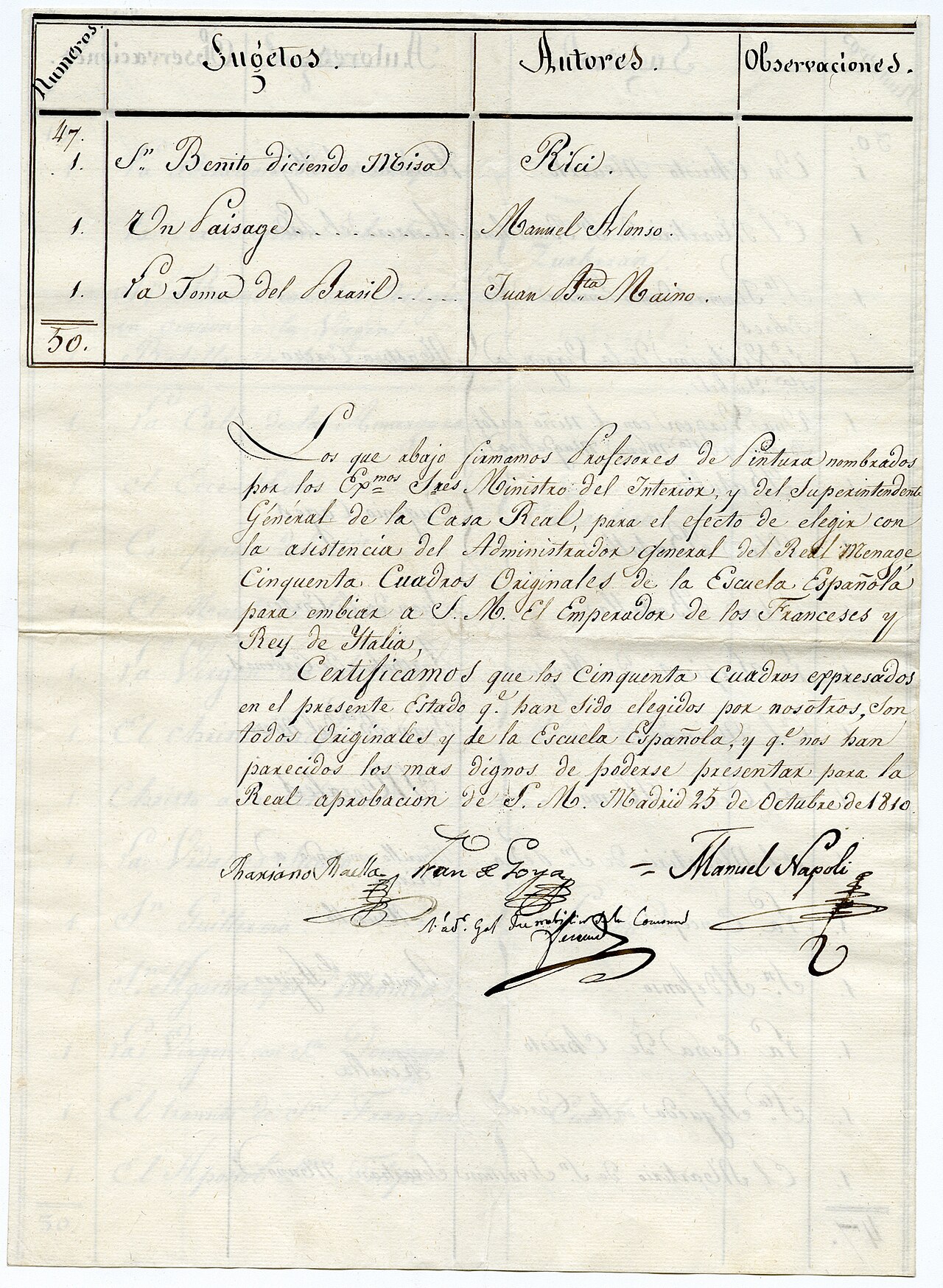
Estado de los cuadros escogidos por Maella, Goya y Nápoli
Francisco de Goya, Mariano Salvador Maella, Manuel Nápoli · 25 October 1810
An official 1810 document in which Goya, along with fellow painters Maella and Nápoli, certified a list of Spanish paintings selected to be sent to the French emperor.
Goya co-signed and helped compile this official list, showing his role as a court-appointed painting expert under French rule.
Free Humy account · No credit card · 109,100 sources to read
About this source
What it is
This is a handwritten official document dated 25 October 1810, listing paintings chosen by three royal painting experts — Francisco Goya, Mariano Salvador Maella and Manuel Nápoli — to be sent to the Emperor of France and King of Italy. It is a table of numbered paintings with their subjects, authors and notes, followed by a certifying statement and the signatures of all three men.
Why it matters
The document shows Goya acting not as a painter but as an appointed expert, judging the authenticity and value of Spanish paintings during the period when Joseph I, installed by Napoleon, ruled Spain. It is a rare glimpse into Goya's official duties and his cooperation, however reluctant, with the French-controlled administration.
Look closer
- What does Goya's signature next to Maella's and Nápoli's tell us about his official role at this time?
- Why might paintings be selected to send to the French emperor during this period?
- What does this document leave out about how Goya personally felt about this task?
This document is part of the curated material that grounds the AI version of Francisco Goya on Humy.ai — when students ask about related events, the AI can quote it and cite it.
More Francisco Goya sources
Browse all 76 →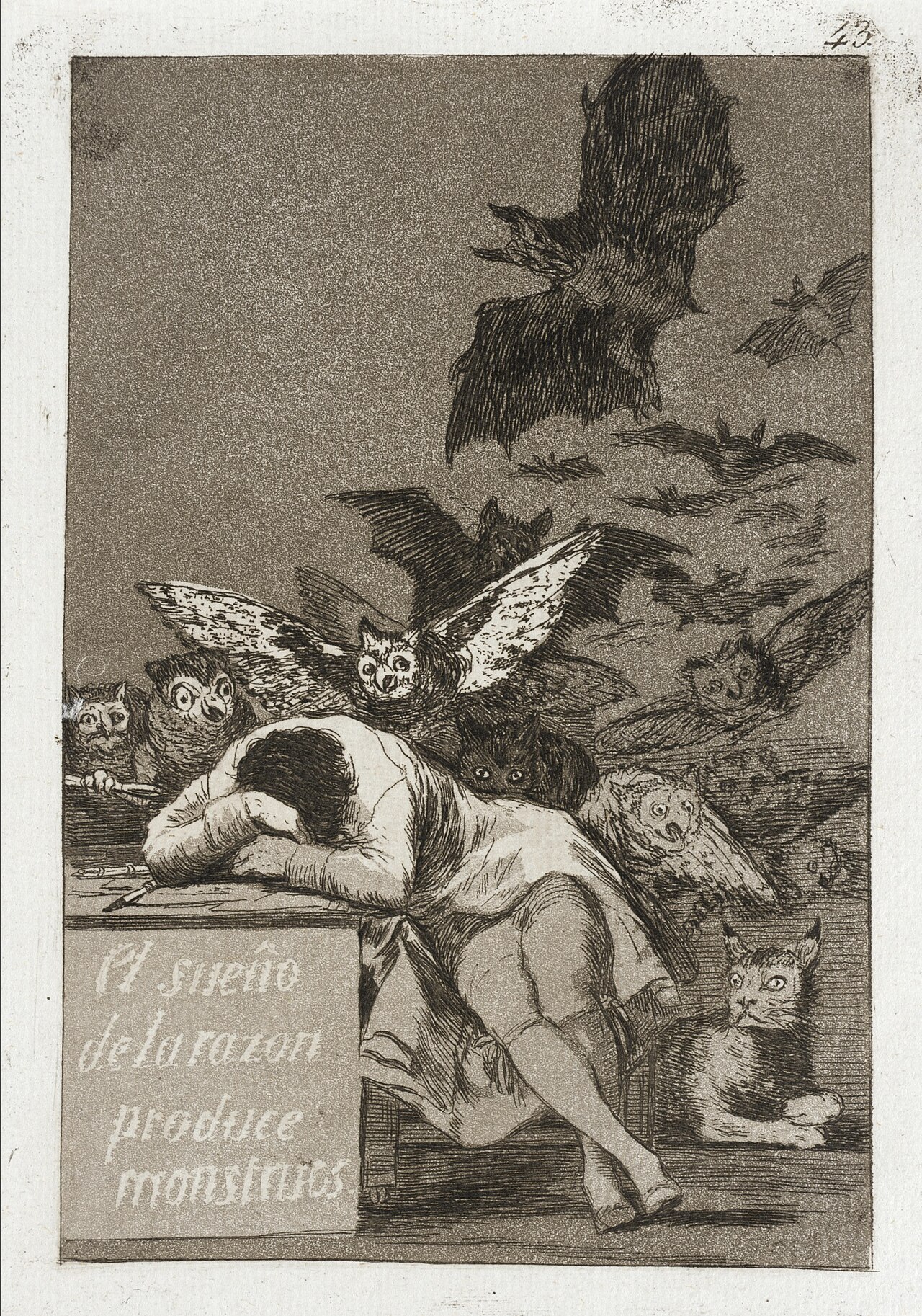 Painting
Primary source
Caprichos
Francisco Goya · 1799 (created 1797-1798)
 Painting
Primary source
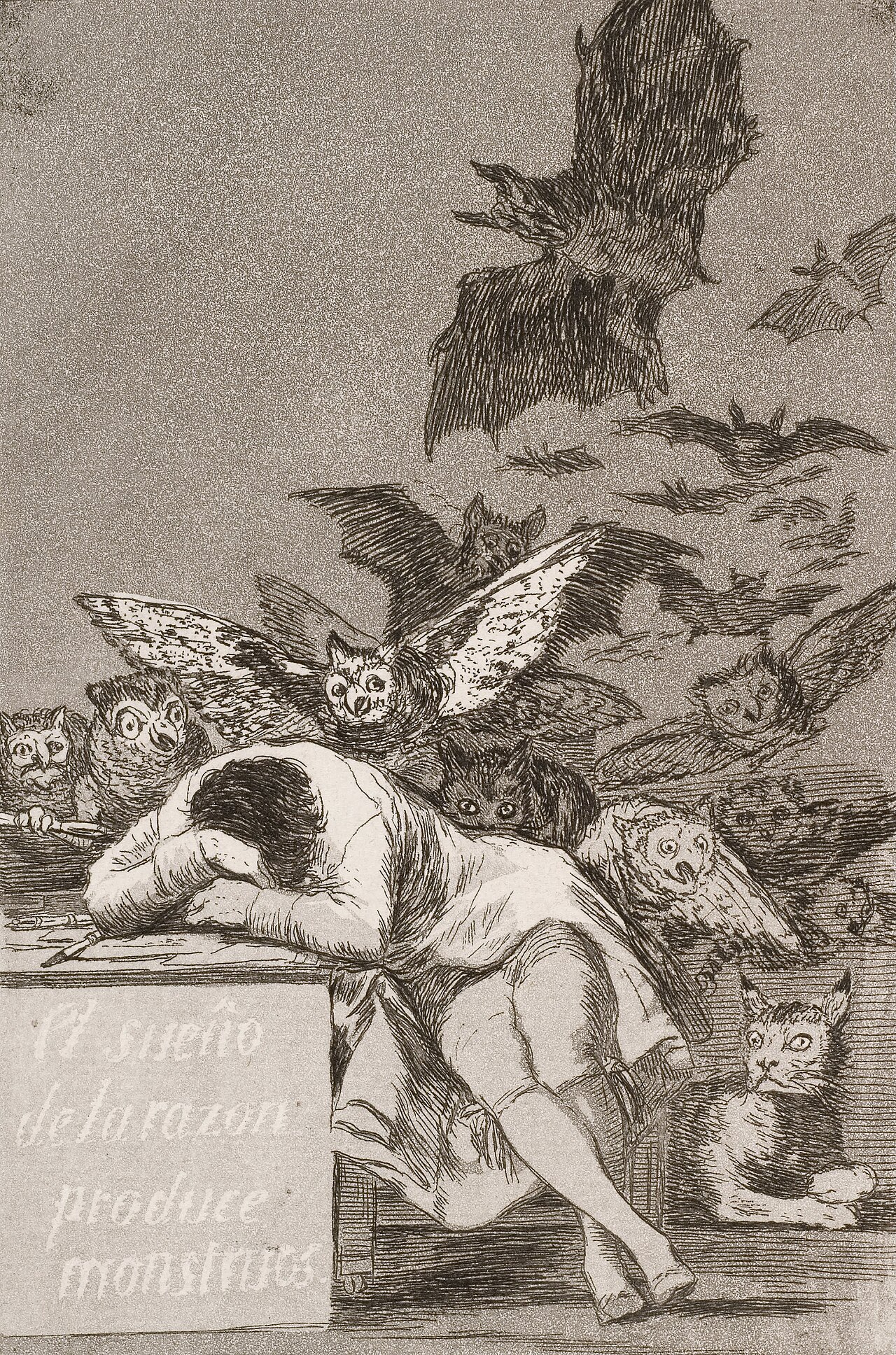
The Sleep of Reason Produces Monsters
Francisco Goya · 1797-1799
 Painting
Primary source
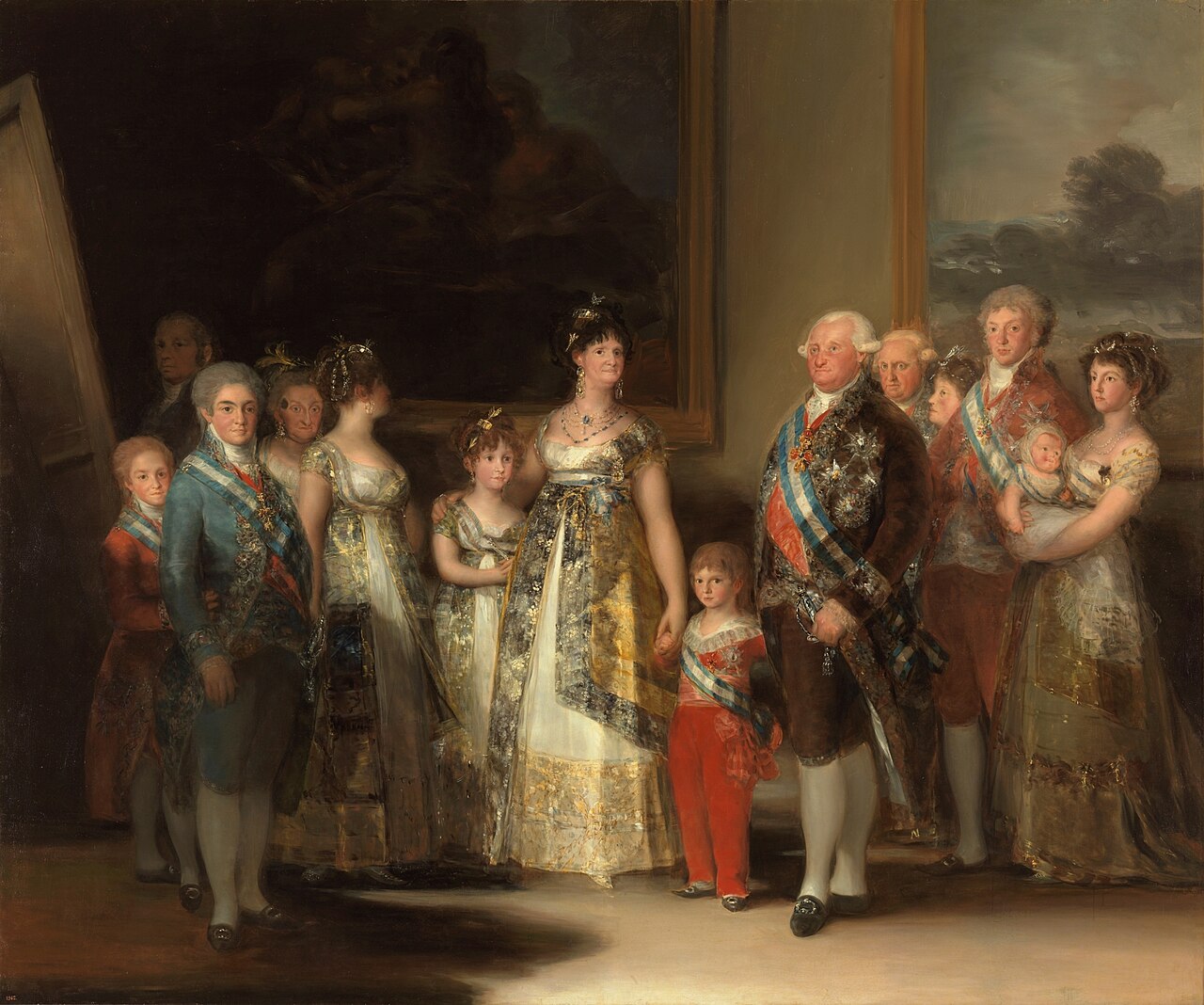
Charles IV of Spain and His Family
Francisco Goya · 1800-1801
 Painting
Primary source
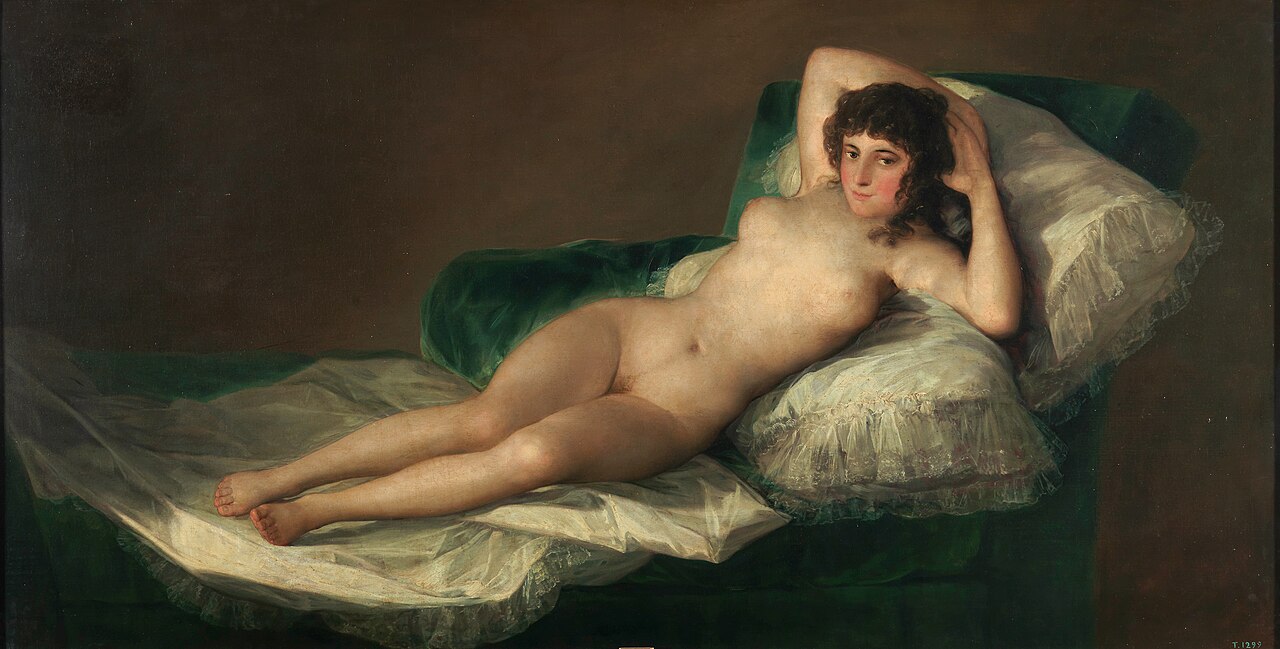
La maja desnuda
Francisco Goya · c. 1797-1800
Free account
Read every Francisco Goya source
Sign up free →
Ready when you are
Start chatting with Francisco Goya now.
20 messages free · No credit card · Available in 50+ languages.