


Secondary sourcePainting1670
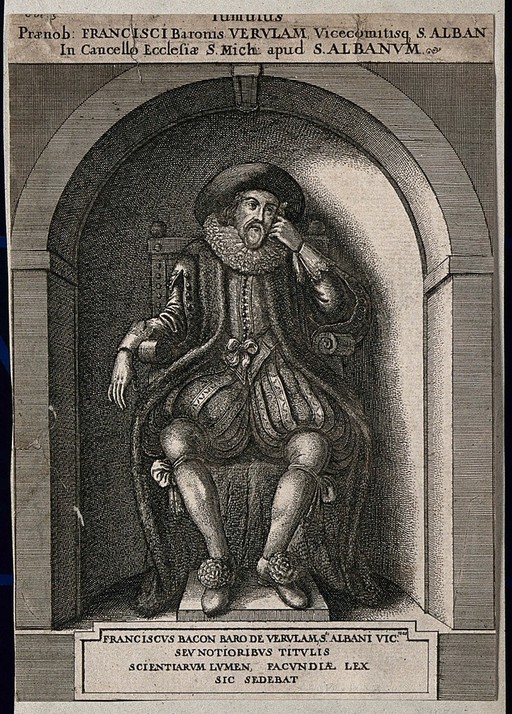
Etching of Francis Bacon by Wenceslaus Hollar, 1670
Wenceslaus Hollar · 1670
A 1670 etching by Wenceslaus Hollar showing a seated Francis Bacon in an arched niche, with a Latin inscription. It was made decades after Bacon died.
Shows how Bacon was commemorated decades after his death, using a Latin inscription and a formal portrait setting.
About this source
What it is
This is an engraved print made by Wenceslaus Hollar in 1670. It shows a seated bearded man in a large-brimmed hat and ruffled collar, inside an arched niche. A Latin inscription appears above, and a caption plaque below names Francis Bacon, Baron of Verulam, Viscount St Albans. The Wellcome Collection holds the print.
Why it matters
Hollar made this image more than sixty years after Bacon's death, so it reflects how his reputation was honoured in the later seventeenth century. The Latin inscription and the formal niche show Bacon presented as a learned figure. The print is a secondary source, because it presents Bacon through later eyes rather than his own.
Look closer
- Why do you think the inscription is written in Latin, and who might have been able to read it?
- How does the seated pose and the niche make Bacon look important?
- What does the print leave out about Bacon's own life and writings?
This painting is part of the curated material that grounds the AI version of Francis Bacon on Humy.ai — when students ask about related events, the AI can quote it and cite it.
More Francis Bacon sources
Meet the AI Francis Bacon →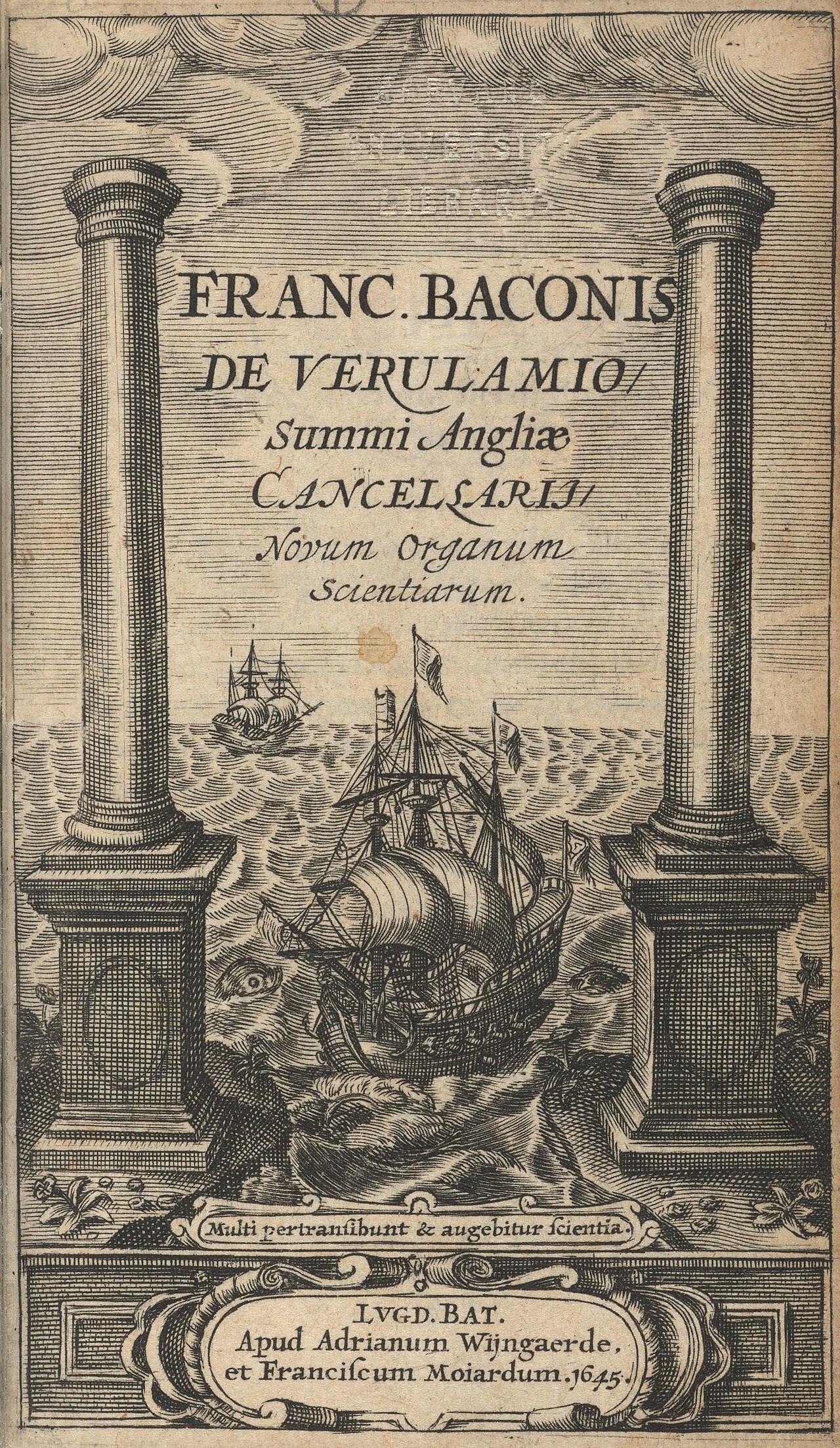 Book
Primary source
Novum Organum
Francis Bacon · 1620
 Painting
Secondary source
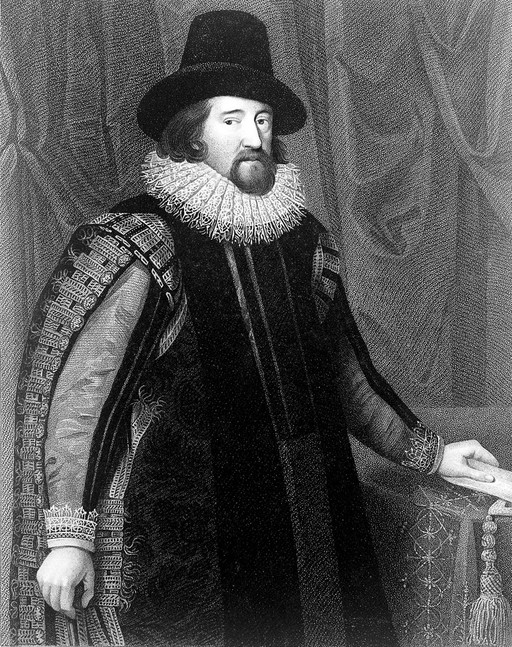
Portrait Engraving of Francis Bacon, Proof Impression
 Book
Primary source
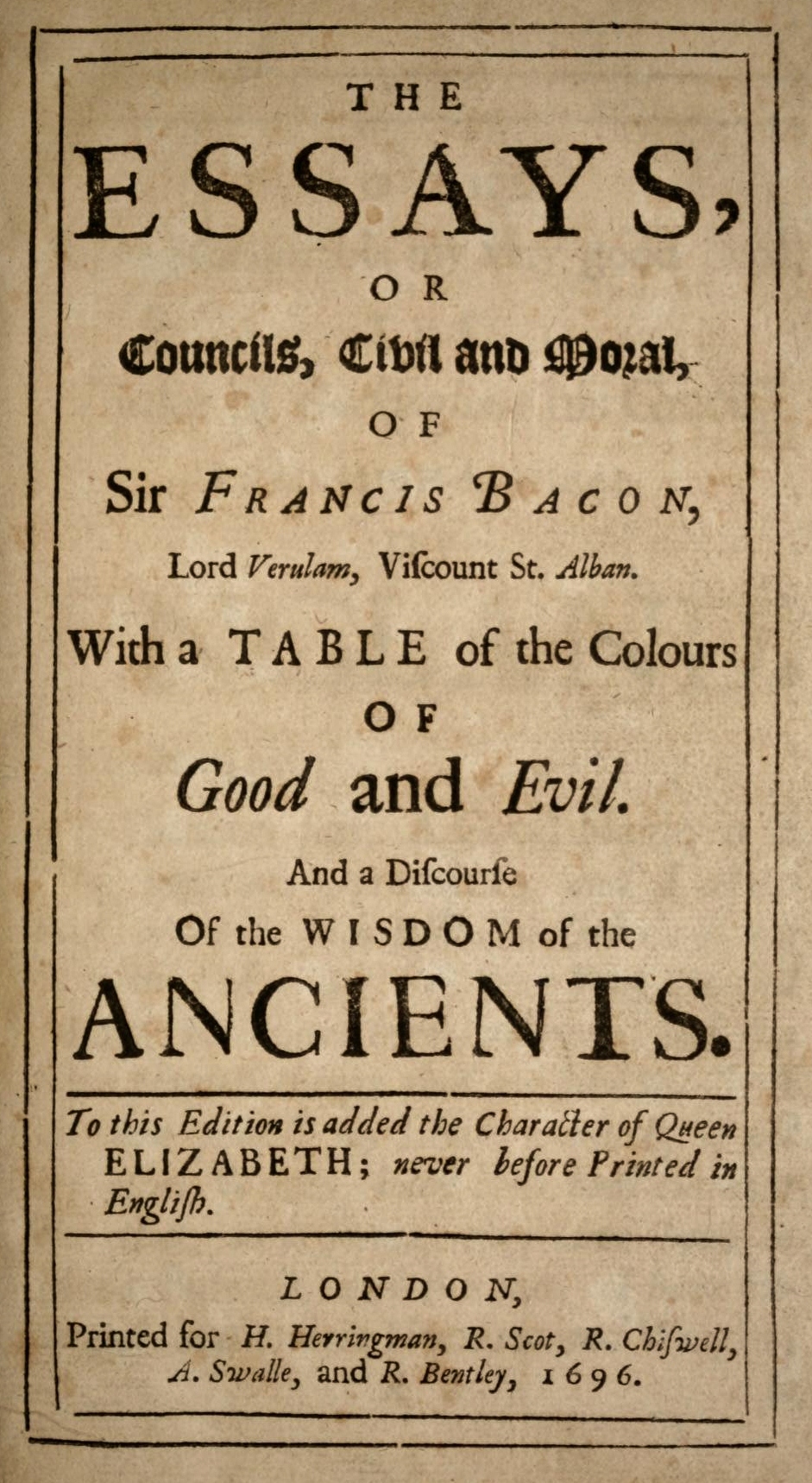
Essays
Francis Bacon · 1597
 Painting
Secondary source
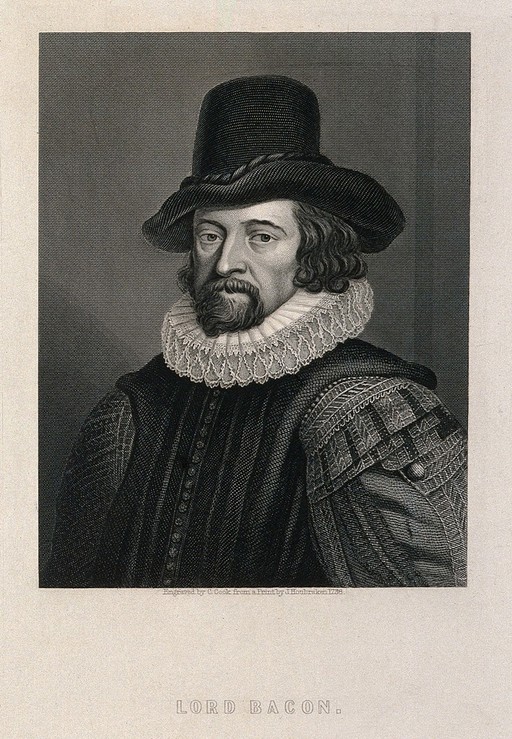
Francis Bacon, Engraving by C. Cook after Houbraken
C. Cook after Jacobus Houbraken · 1738
 Book
Primary source
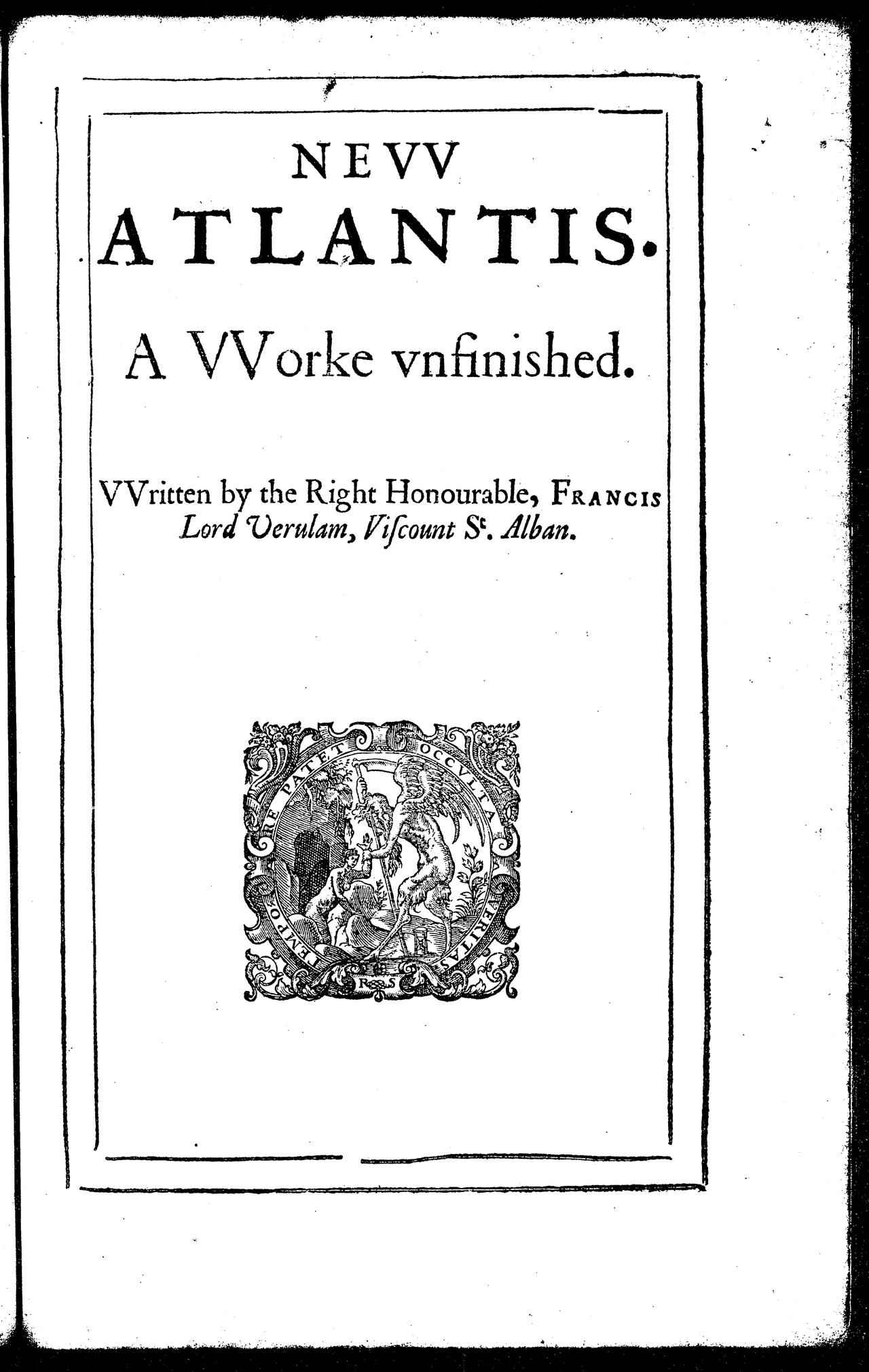
New Atlantis
Francis Bacon · 1627
Ready when you are
Start chatting with Francis Bacon now.
20 messages free · No credit card · Available in 50+ languages.