


Secondary sourceArtifact1000–1550 CE
Etowah Indian Mounds
1000–1550 CE
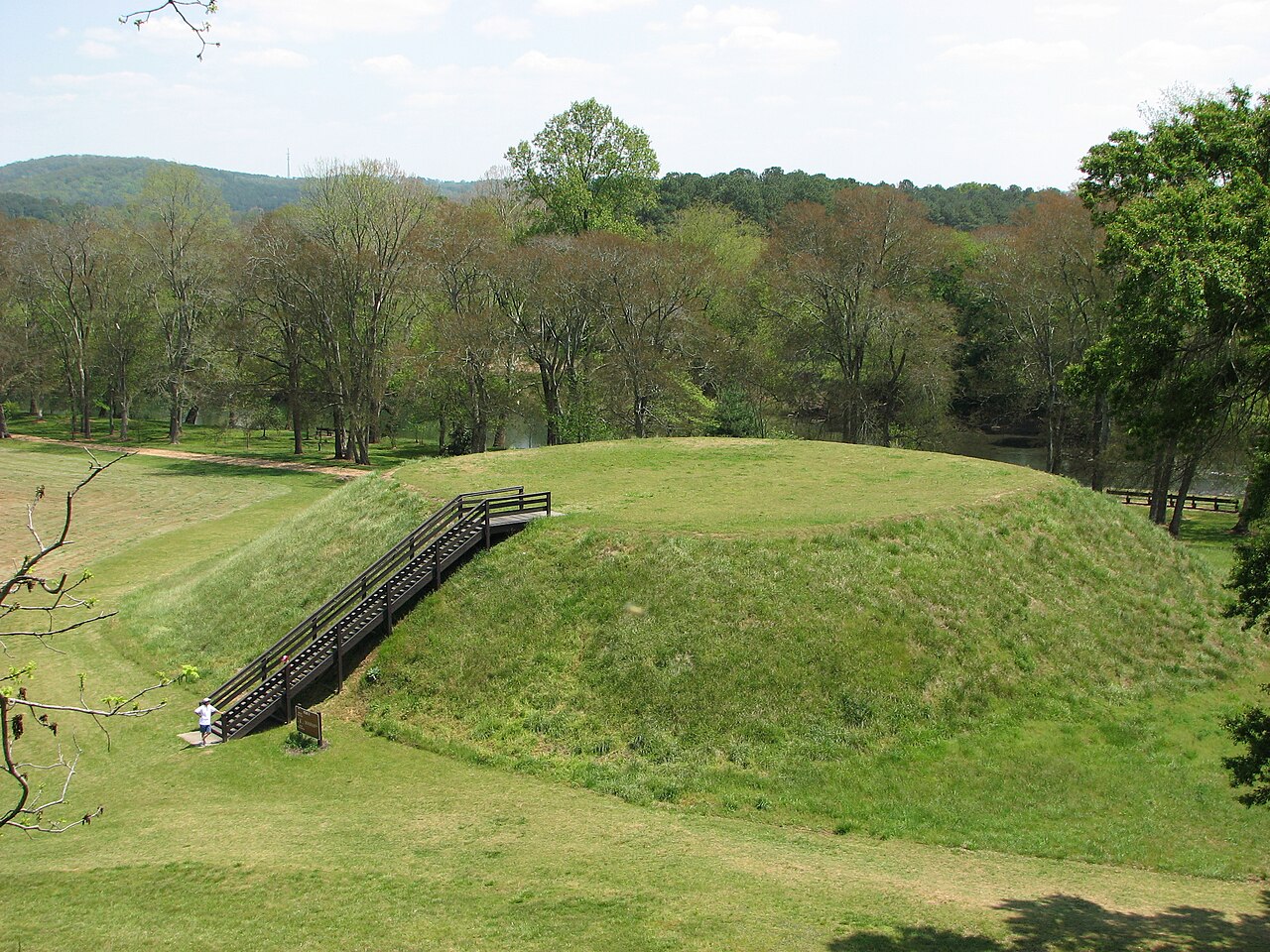
A Mississippian mound complex in Georgia, probably the town of Itaba that de Soto's expedition passed through.
This mound town is probably Itaba, a settlement de Soto's expedition encountered on its journey through the Southeast.
About this source
What it is
Etowah Indian Mounds is a large archaeological site in Bartow County, Georgia, built and occupied by Mississippian culture peoples from about 1000 to 1550 CE. It includes several platform mounds and a ceremonial plaza, and is managed today as a historic site.
Why it matters
The site is likely the town called Itaba that the Hernando de Soto expedition encountered between the towns of Coosa and Ulibahali. It is considered one of the most intact Mississippian sites in the Southeast and is held sacred by the Muscogee Creek and Cherokee peoples. The site reveals the scale and sophistication of Native societies de Soto's expedition moved through.
Look closer
- What does the size and design of the mounds tell you about the people who built them?
- Why do different Native nations today consider this site sacred?
- How might de Soto's expedition have affected a town like this one?
This artifact is part of the curated material that grounds the AI version of Hernando de Soto on Humy.ai — when students ask about related events, the AI can quote it and cite it.
More Hernando de Soto sources
Meet the AI Hernando de Soto →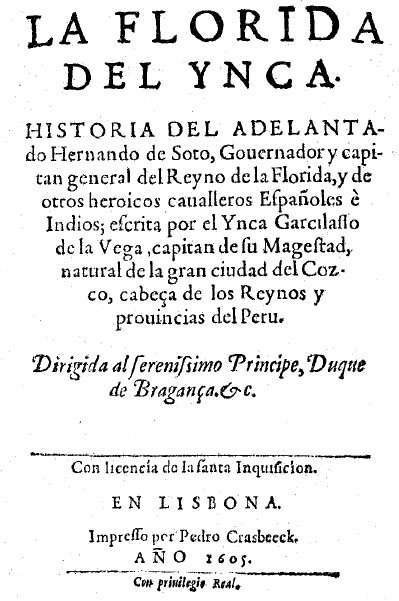 Book
Secondary source
La Florida del Inca
Inca Garcilaso de la Vega · 1605
 Book
Primary source
Verdadera relación de la conquista del Perú
Francisco de Jerez · 1534 (this edition 1891)
 Painting
Secondary source
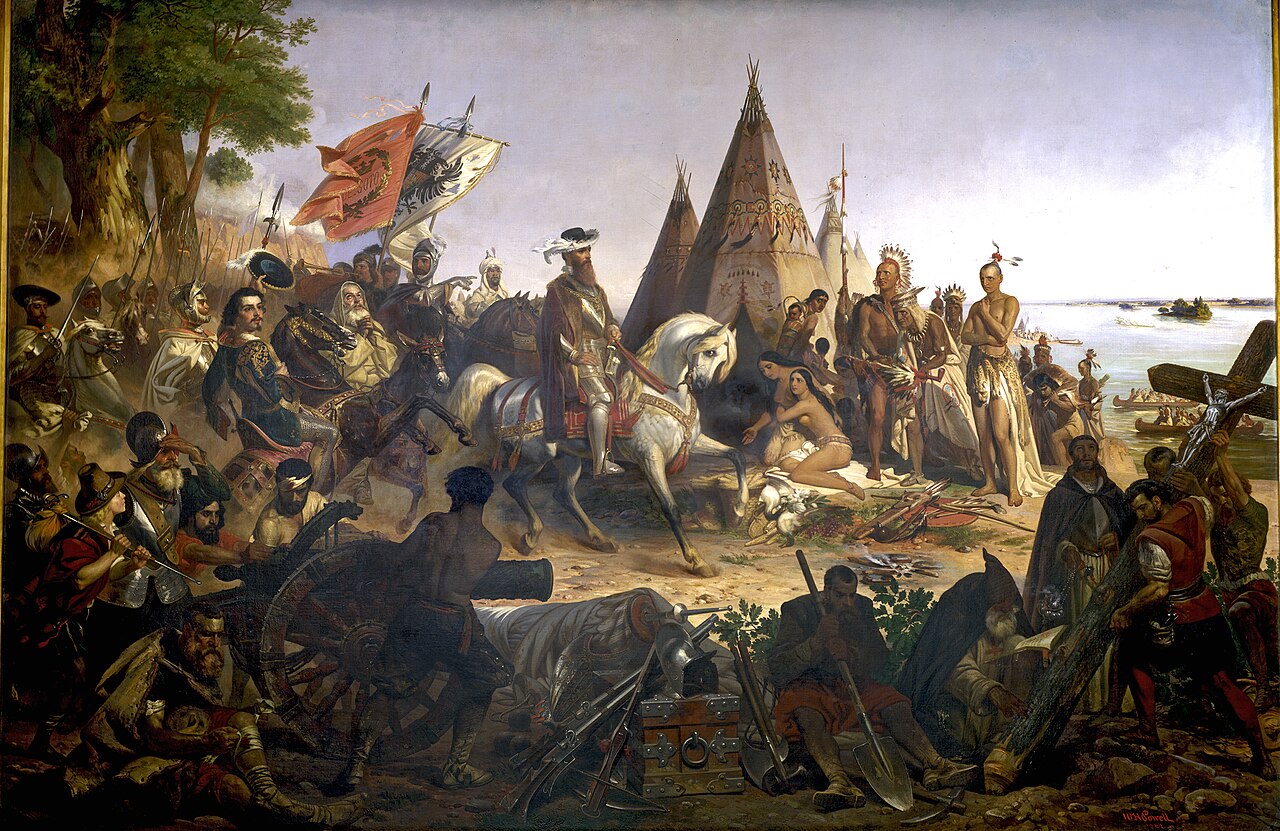
Discovery of the Mississippi by De Soto
William Henry Powell · 1847
 Artifact
Primary source
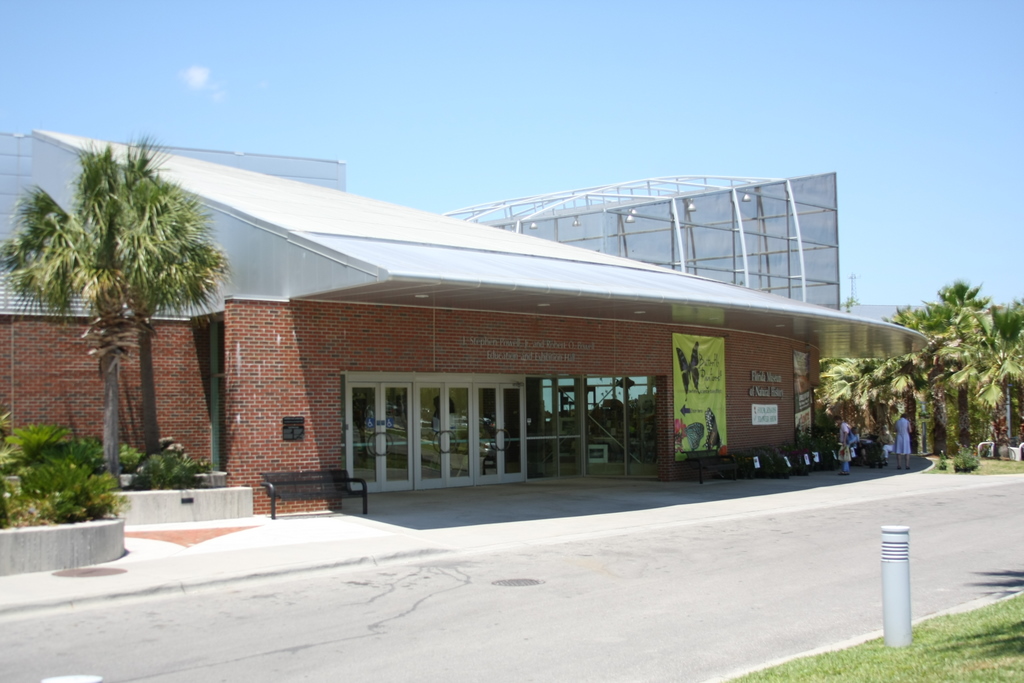
Florida Museum of Natural History
 Book
Primary source
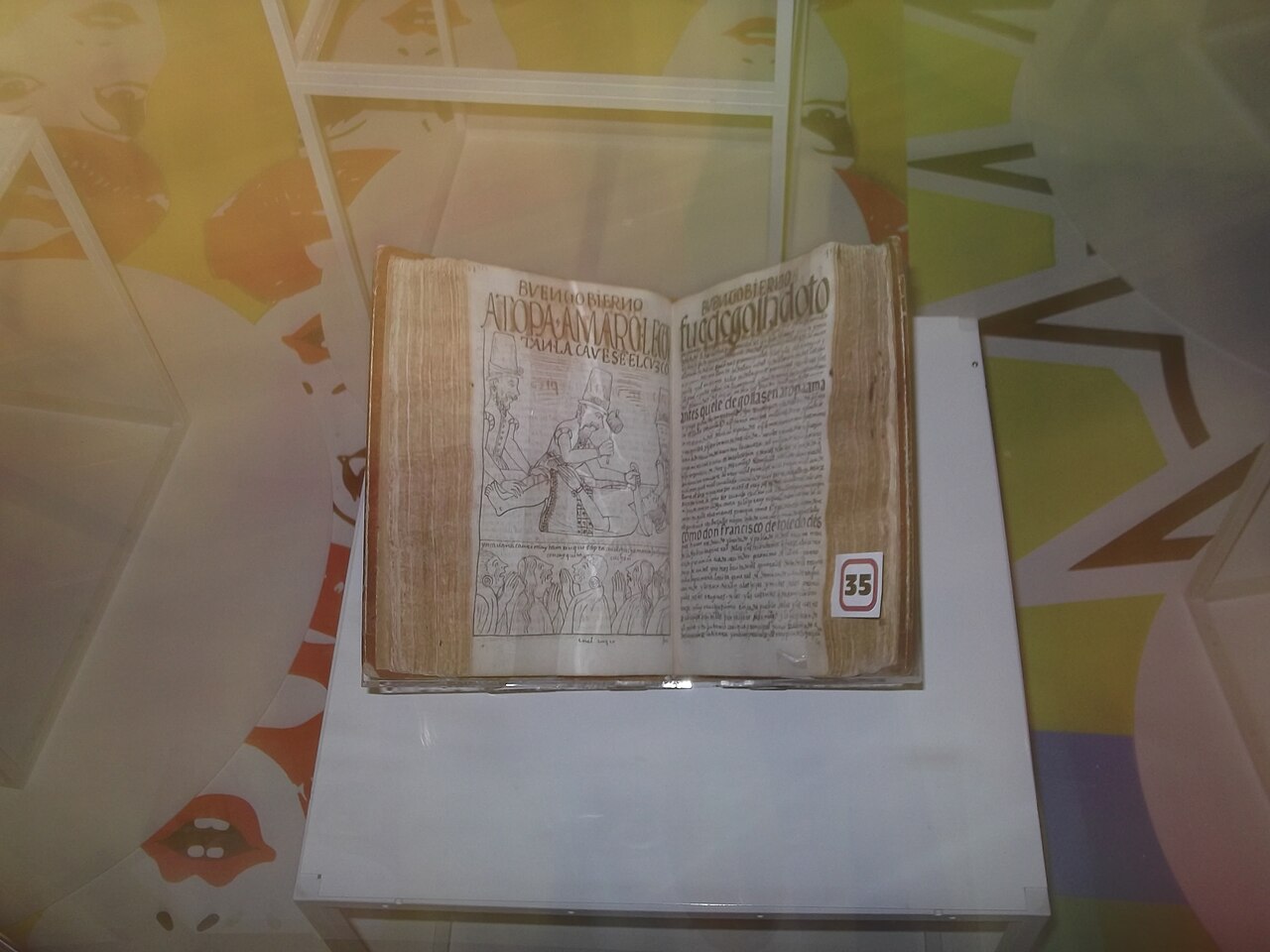
El primer nueva corónica y buen gobierno
Felipe Guaman Poma de Ayala · c. 1615
Ready when you are
Start chatting with Hernando de Soto now.
20 messages free · No credit card · Available in 50+ languages.