


Primary sourcePainting1883
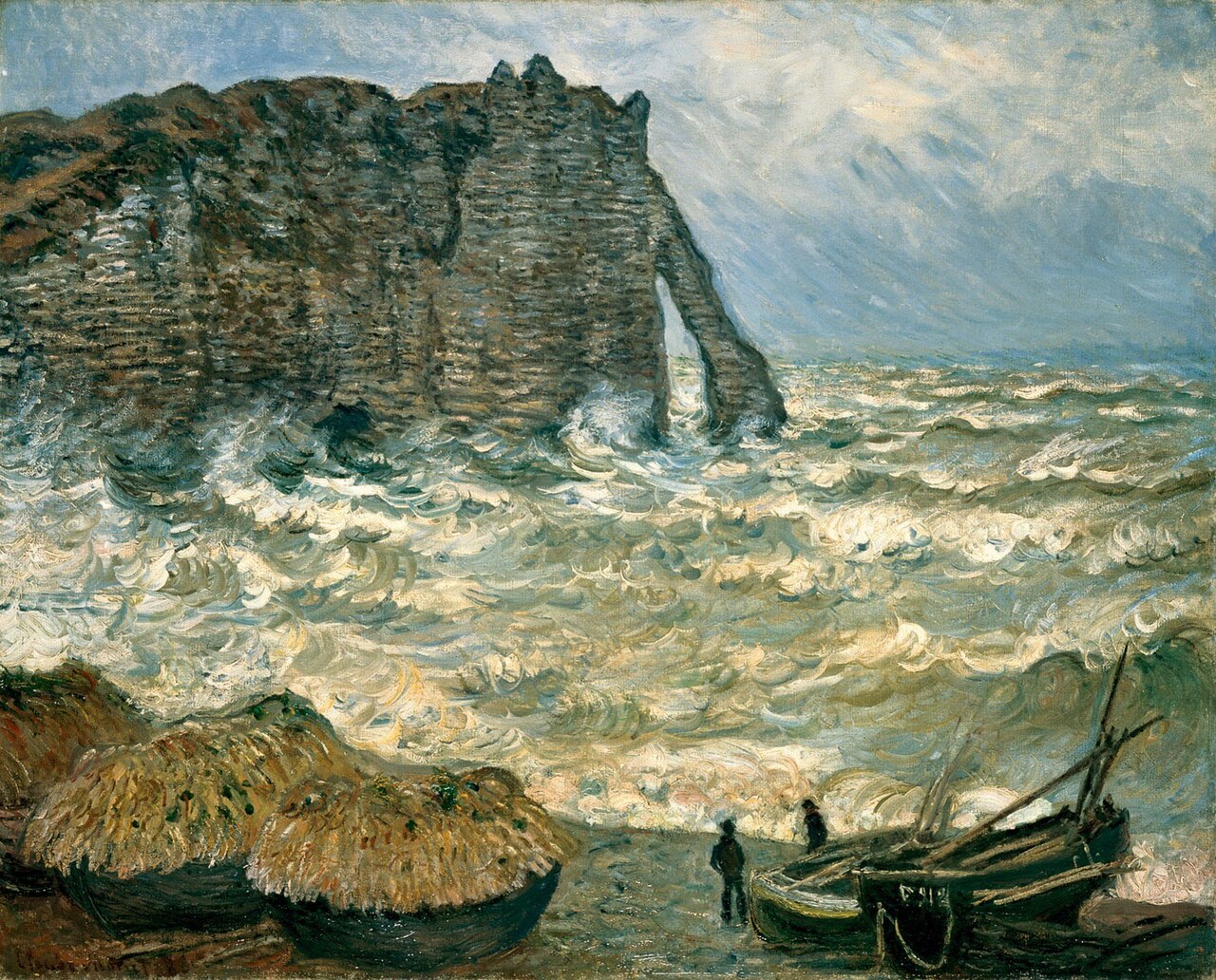
Etretat, Rough Seas
Claude Monet · 1883
An 1883 Monet painting of stormy waves and cliffs at Étretat on the Normandy coast, part of a long series.
Monet painted this stormy coastal scene during his repeated campaigns at Étretat in the 1880s.
About this source
What it is
An oil painting by Claude Monet, part of a series of about fifty paintings of the chalk cliffs at Étretat, Normandy. This one, from 1883, shows the rough sea, cliffs, and an arch, and is held at the Museum of Fine Arts of Lyon.
Why it matters
Monet returned repeatedly to Étretat through the 1880s, following earlier painters like Eugène Delacroix and Gustave Courbet who had made the cliffs famous. Unlike his earlier coastal scenes, he mostly left out people, focusing on rock, sea and sky. Letters from this period, including ones to his dealer Paul Durand-Ruel, show Monet's daily struggles with storms and changing light, and his financial dependence on selling such works to support his large household with Alice Hoschedé.
Look closer
- What mood do the stormy sky and crashing waves create, and how did Monet achieve it with brushwork?
- Why might Monet have chosen to leave people mostly out of this coastal scene?
- What might working outdoors in changing weather have meant for how this painting was made?
This painting is part of the curated material that grounds the AI version of Claude Monet on Humy.ai — when students ask about related events, the AI can quote it and cite it.
More Claude Monet sources
Meet the AI Claude Monet →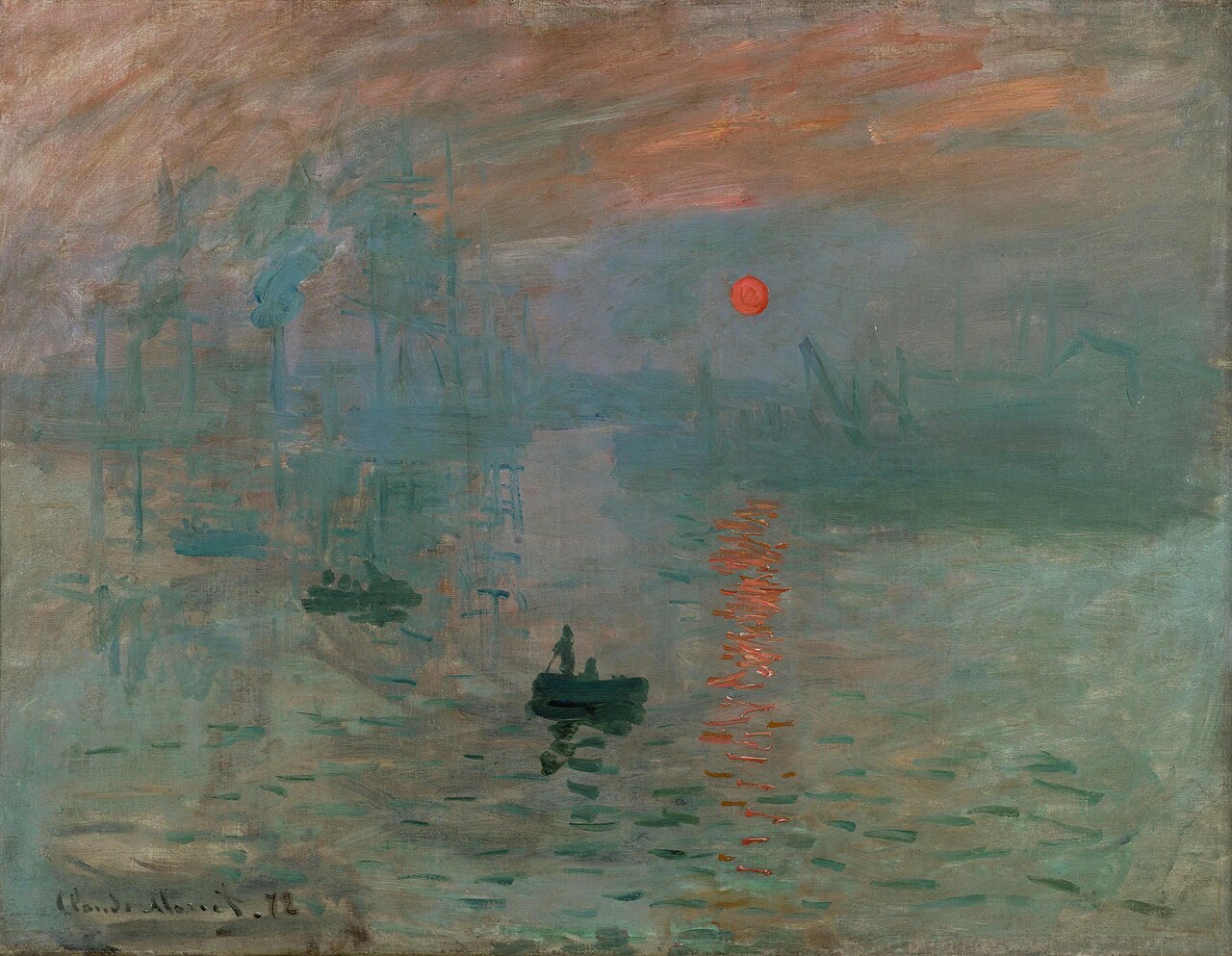 Painting
Primary source
Impression, Sunrise
Claude Monet · 1872
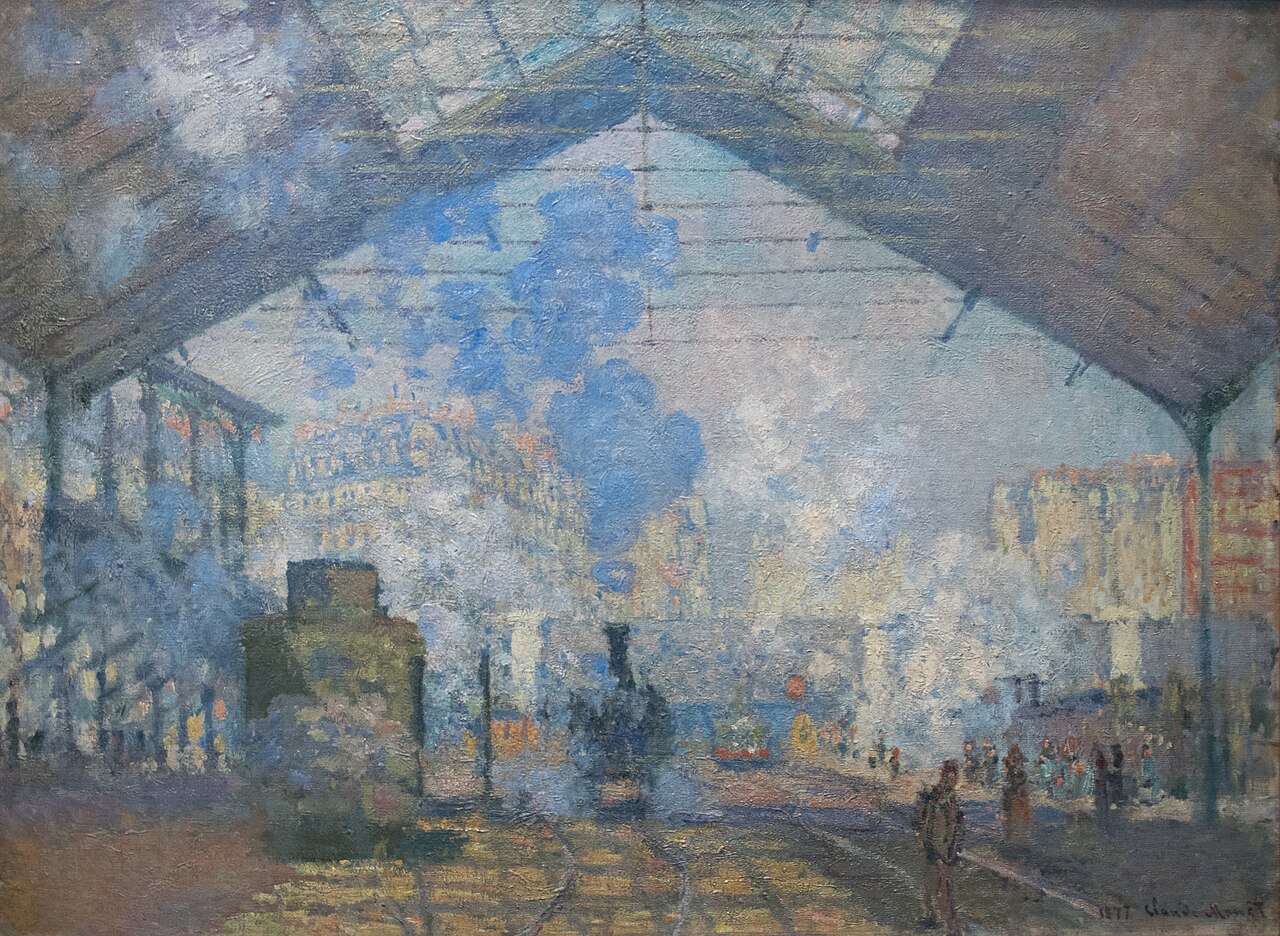 Painting
Primary source
La Gare Saint-Lazare
Claude Monet · 1877
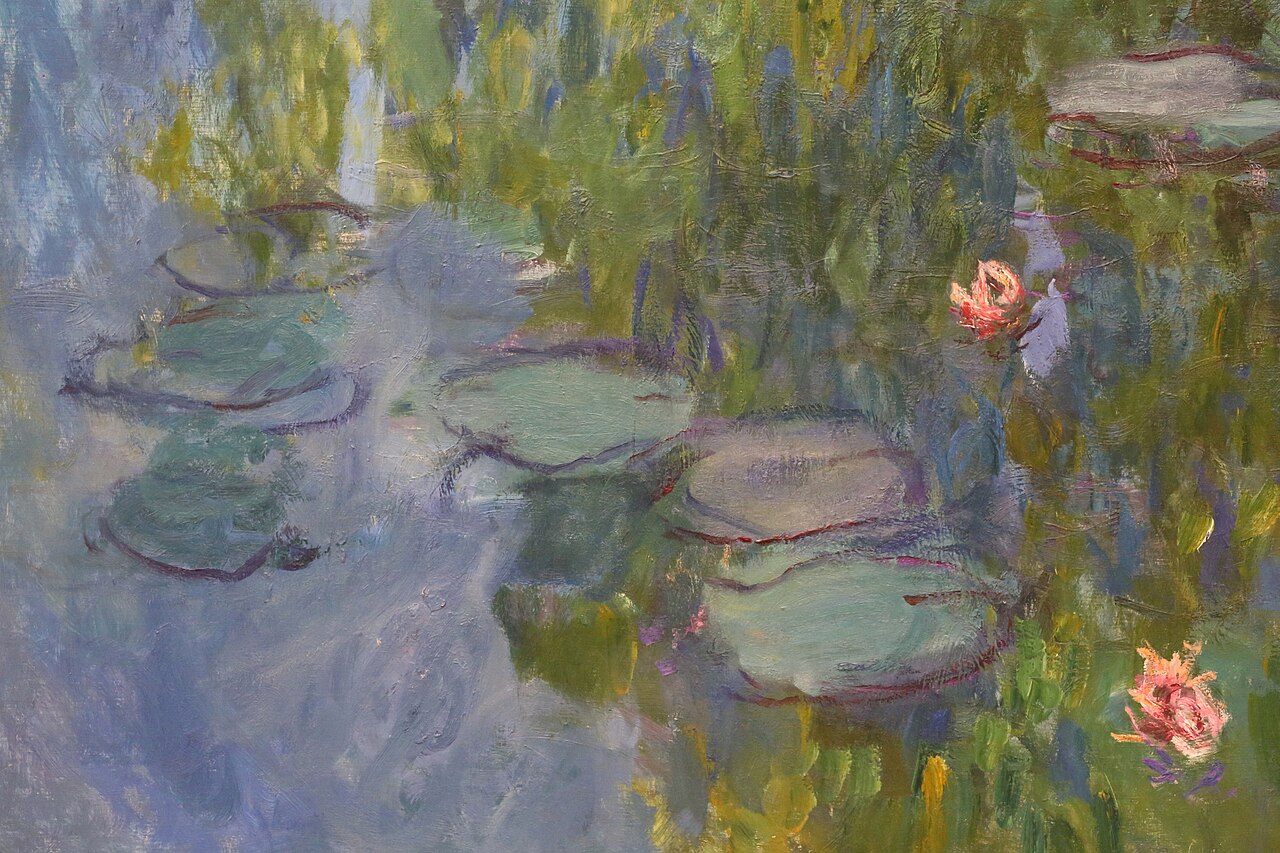 Painting
Primary source
Water Lilies
Claude Monet · 1899 onward
 Painting
Primary source
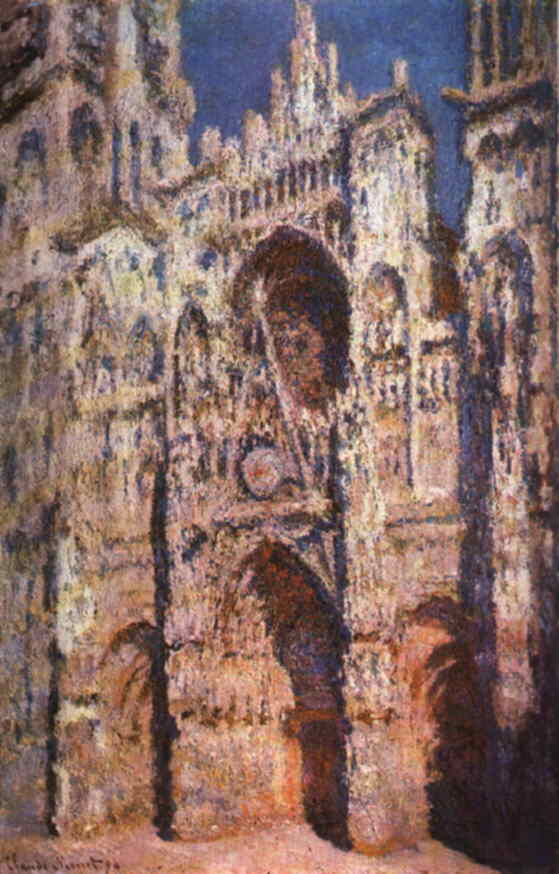
Rouen Cathedral Series
Claude Monet · 1892-1894
 Painting
Primary source
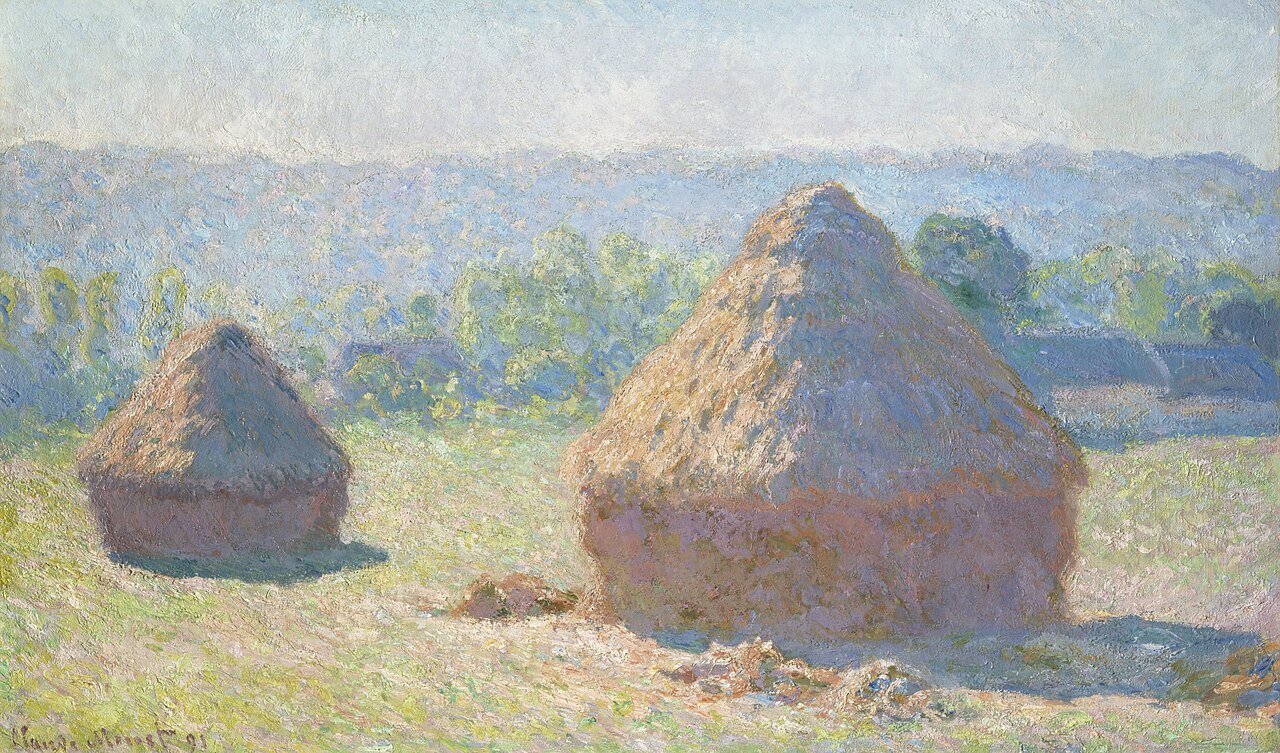
Haystacks
Claude Monet · 1890-1891
Ready when you are
Start chatting with Claude Monet now.
20 messages free · No credit card · Available in 50+ languages.