


Primary sourceBook458 BCE
Eumenides
Aeschylus · 458 BCE
The final play of Aeschylus' Oresteia, dramatizing the founding of an Athenian court to end a cycle of revenge killings.
This closing play of the Oresteia shows Aeschylus engaging directly with Athenian political and legal reform.
Free Humy account · No credit card · 120,912 sources to read
About this source
What it is
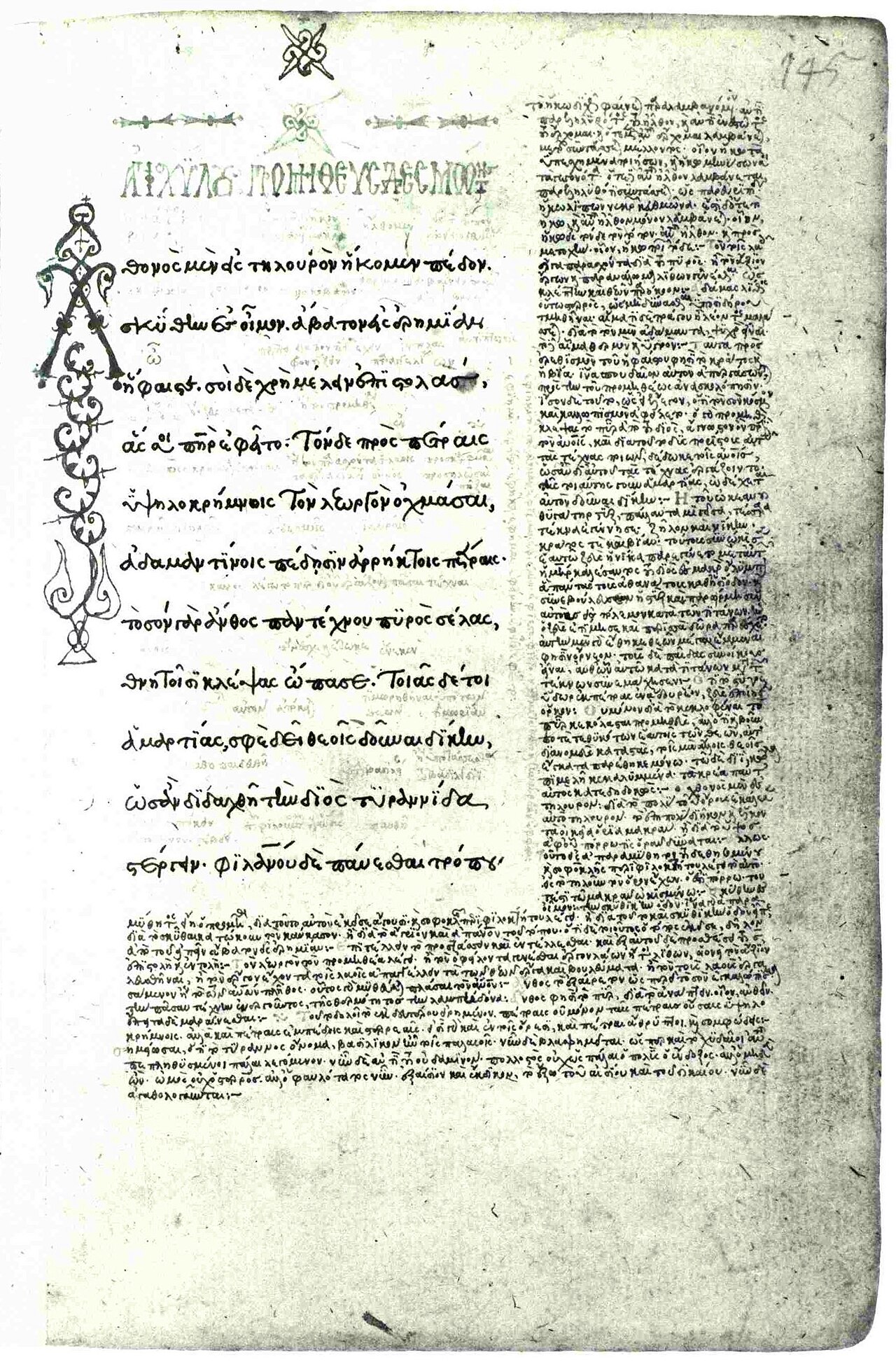
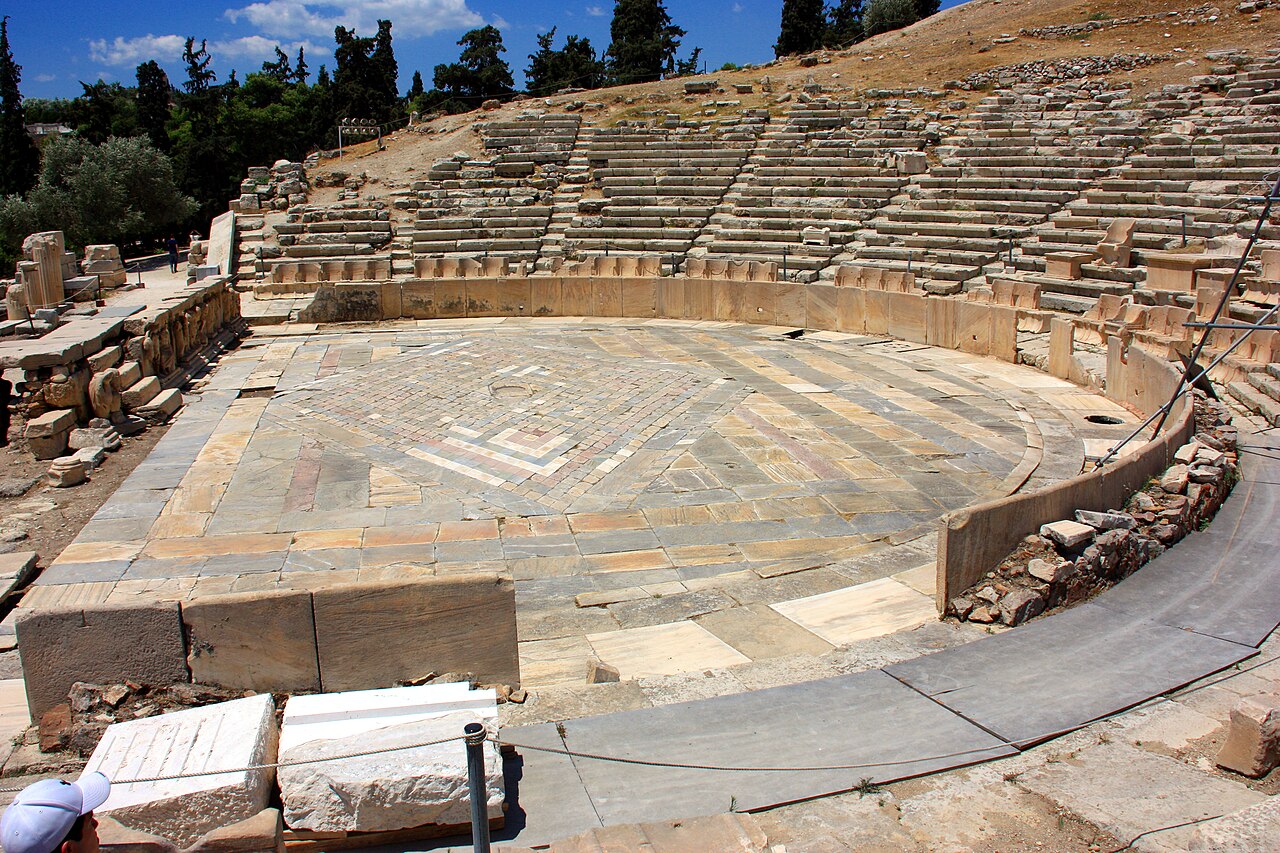
Eumenides is a tragedy by Aeschylus, the third and final play of his Oresteia trilogy, first performed in 458 BCE in Athens.
Why it matters
The play dramatizes the trial of Orestes before a court on the Areopagus in Athens, ending the family's cycle of blood-vengeance through law instead of further killing. This staging coincided with a period of real political reform around the Areopagus court in Athens, making the play a window into Aeschylus as a civic poet engaged with the politics of his city, not only myth.
Look closer
- Why might Aeschylus have chosen to resolve the trilogy with a court trial rather than another act of revenge?
- What does the invention of a formal trial on stage suggest about how Athenians thought about justice at the time?
- The Furies, who pursue Orestes, are transformed into the
This book is part of the curated material that grounds the AI version of Aeschylus on Humy.ai — when students ask about related events, the AI can quote it and cite it.
More Aeschylus sources
Browse all 97 →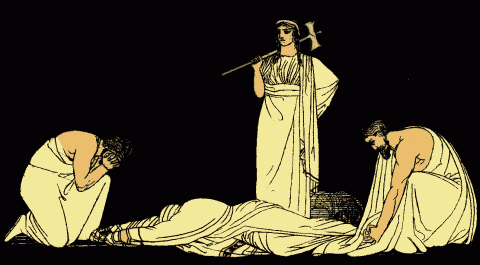


Ready when you are
Start chatting with Aeschylus now.
20 messages free · No credit card · Available in 50+ languages.