


Primary sourceBook1774
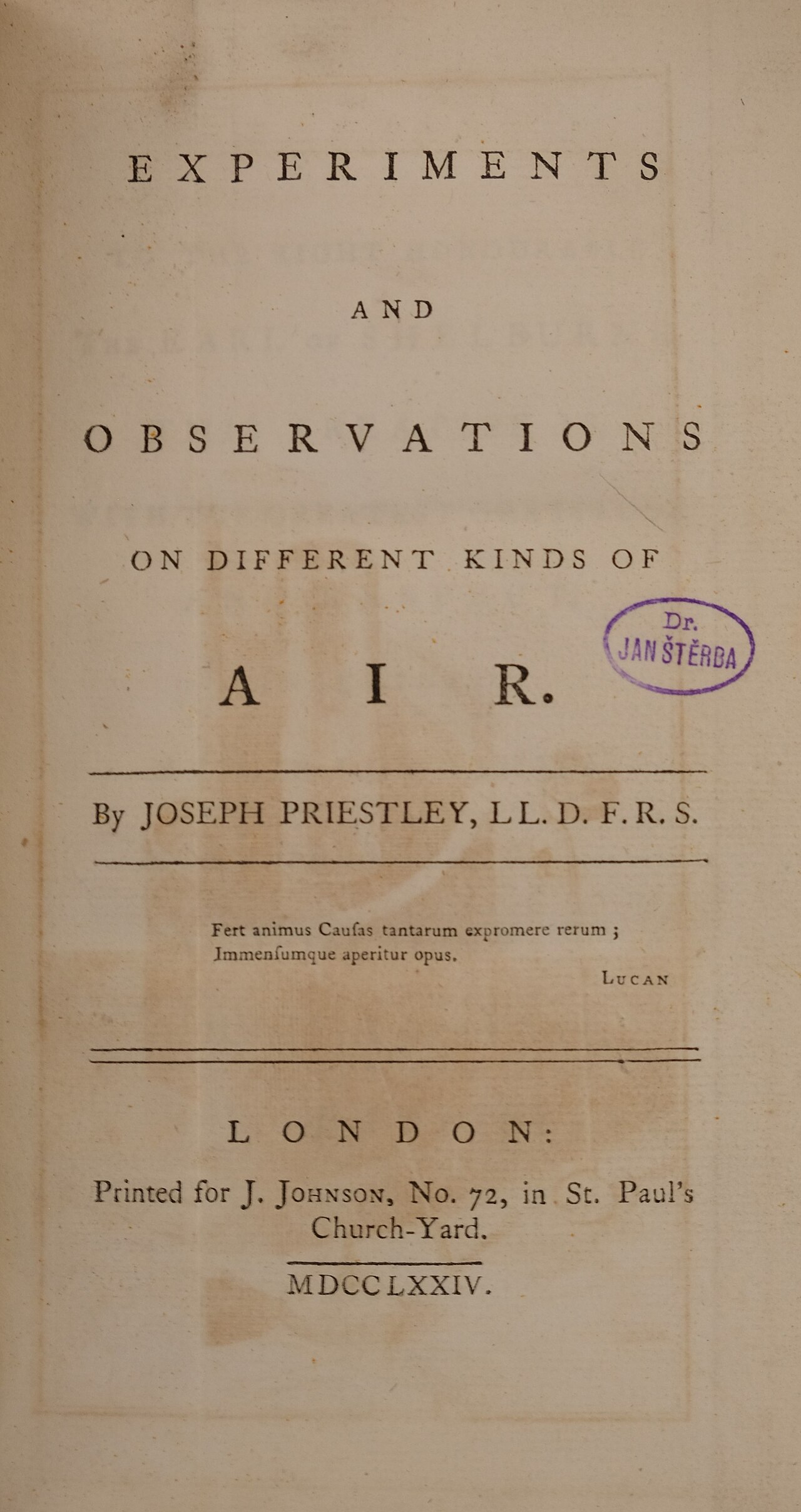
Experiments and Observations on Different Kinds of Air
Joseph Priestley · 1774
Joseph Priestley's 1774 book describing his discovery of 'dephlogisticated air' (oxygen), the rival theory that Lavoisier reinterpreted in his own chemistry.
Priestley's rival theory of 'dephlogisticated air,' witnessed by Lavoisier, which he reinterpreted to name oxygen.
About this source
What it is
This is the title page of the first volume of Joseph Priestley's six-volume work, published in 1774, describing his experiments on different kinds of gases, or 'airs.' In it Priestley reports his discovery of a gas he called 'dephlogisticated air,' which we now call oxygen.
Why it matters
Priestley demonstrated his new air to Antoine Lavoisier in Paris. Lavoisier went on to reinterpret Priestley's discovery using his own theory of combustion, naming the gas oxygen and rejecting the old phlogiston theory that Priestley still believed in. This book is central to one of the most famous disputes in the history of chemistry.
Look closer
- Why might two scientists look at the same experiment and reach completely different conclusions?
- What does Priestley's own account suggest about how much of science in this period depended on chance discovery?
- Why is it important to know that Lavoisier saw this experiment in person before developing his own explanation?
This book is part of the curated material that grounds the AI version of Antoine Lavoisier on Humy.ai — when students ask about related events, the AI can quote it and cite it.
More Antoine Lavoisier sources
Meet the AI Antoine Lavoisier →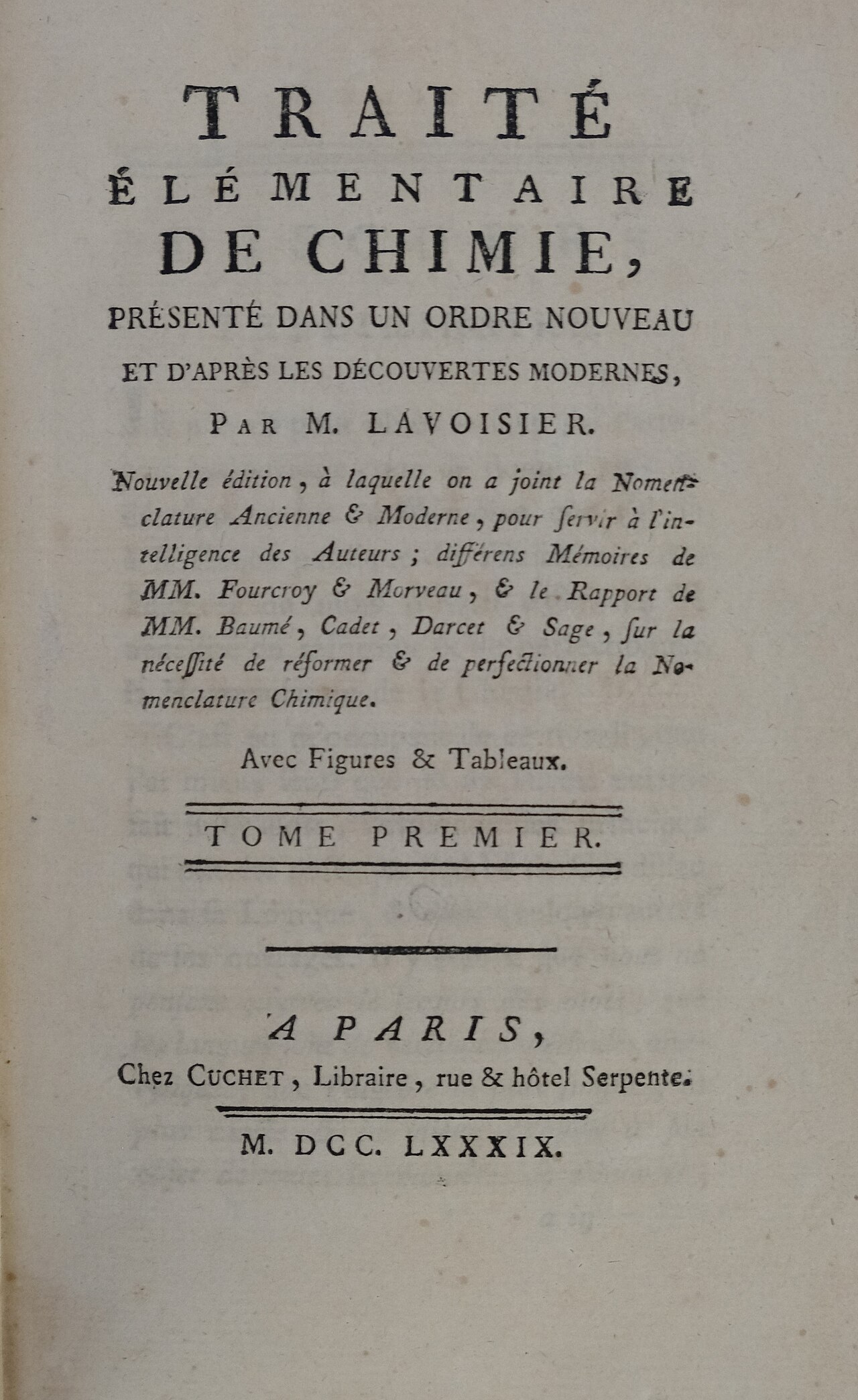 Book
Primary source
Traité Élémentaire de Chimie
Antoine Lavoisier · 1789
 Painting
Primary source
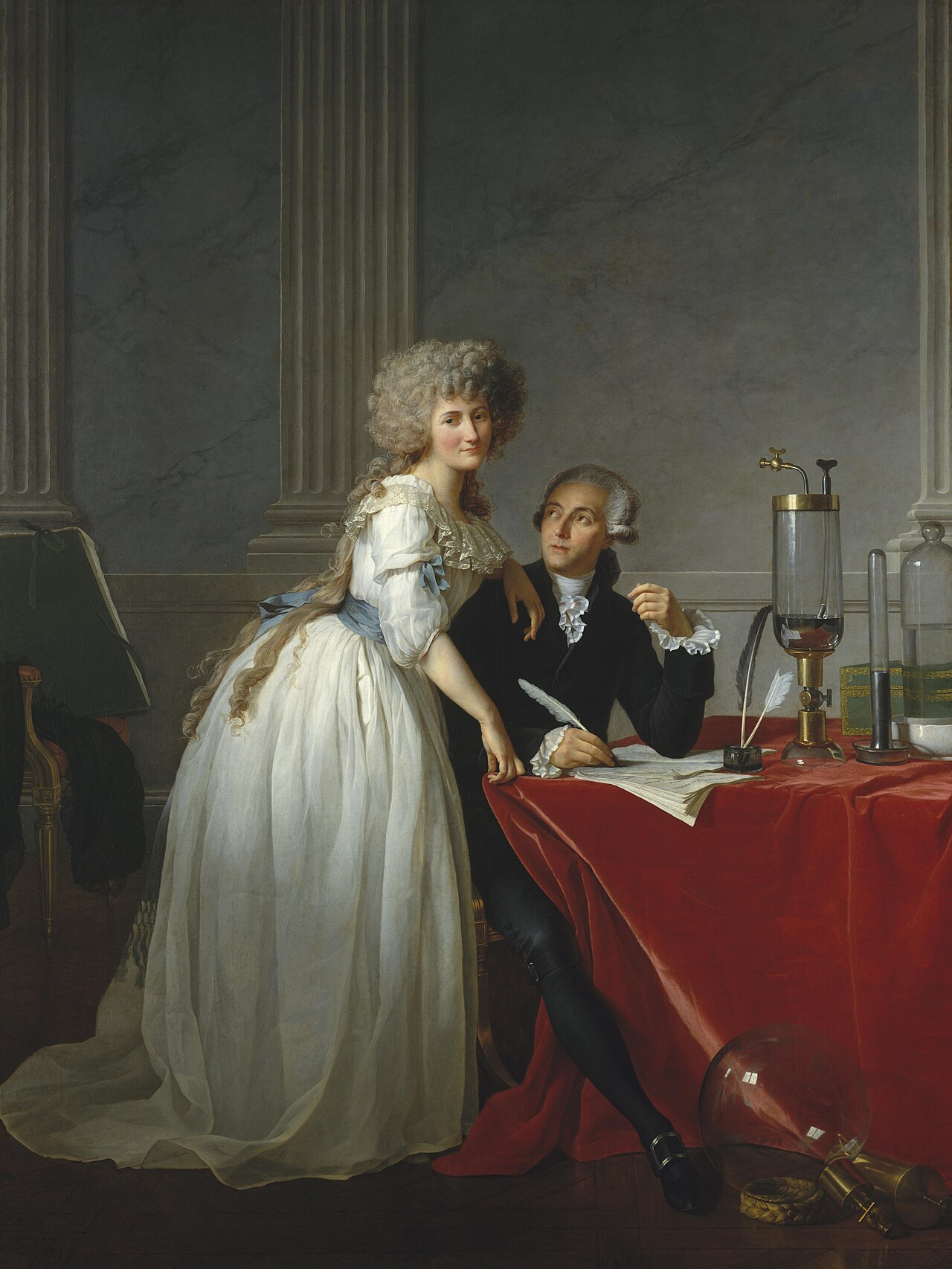
Portrait of Antoine-Laurent Lavoisier and his wife
Jacques-Louis David · 1788
 Book
Primary source
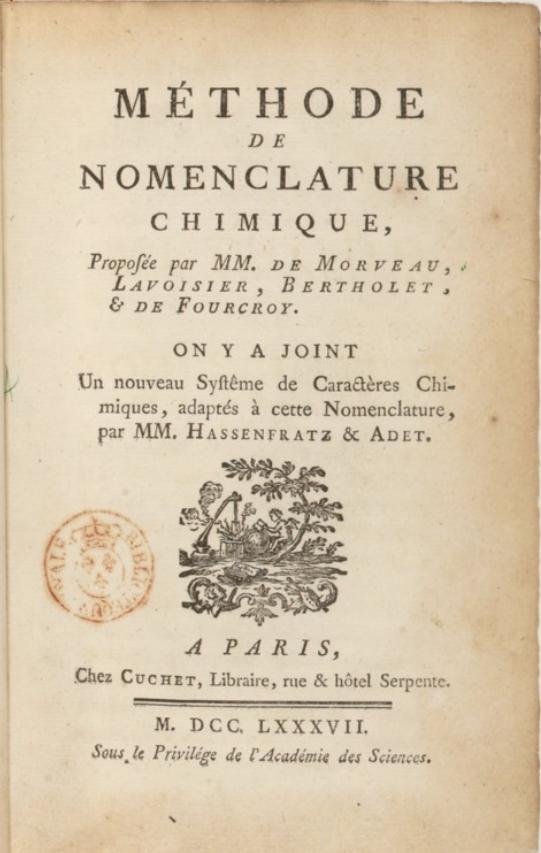
Méthode de nomenclature chimique
Antoine Lavoisier, Louis-Bernard Guyton de Morveau, Claude-Louis Berthollet, Antoine François de Fourcroy · 1787
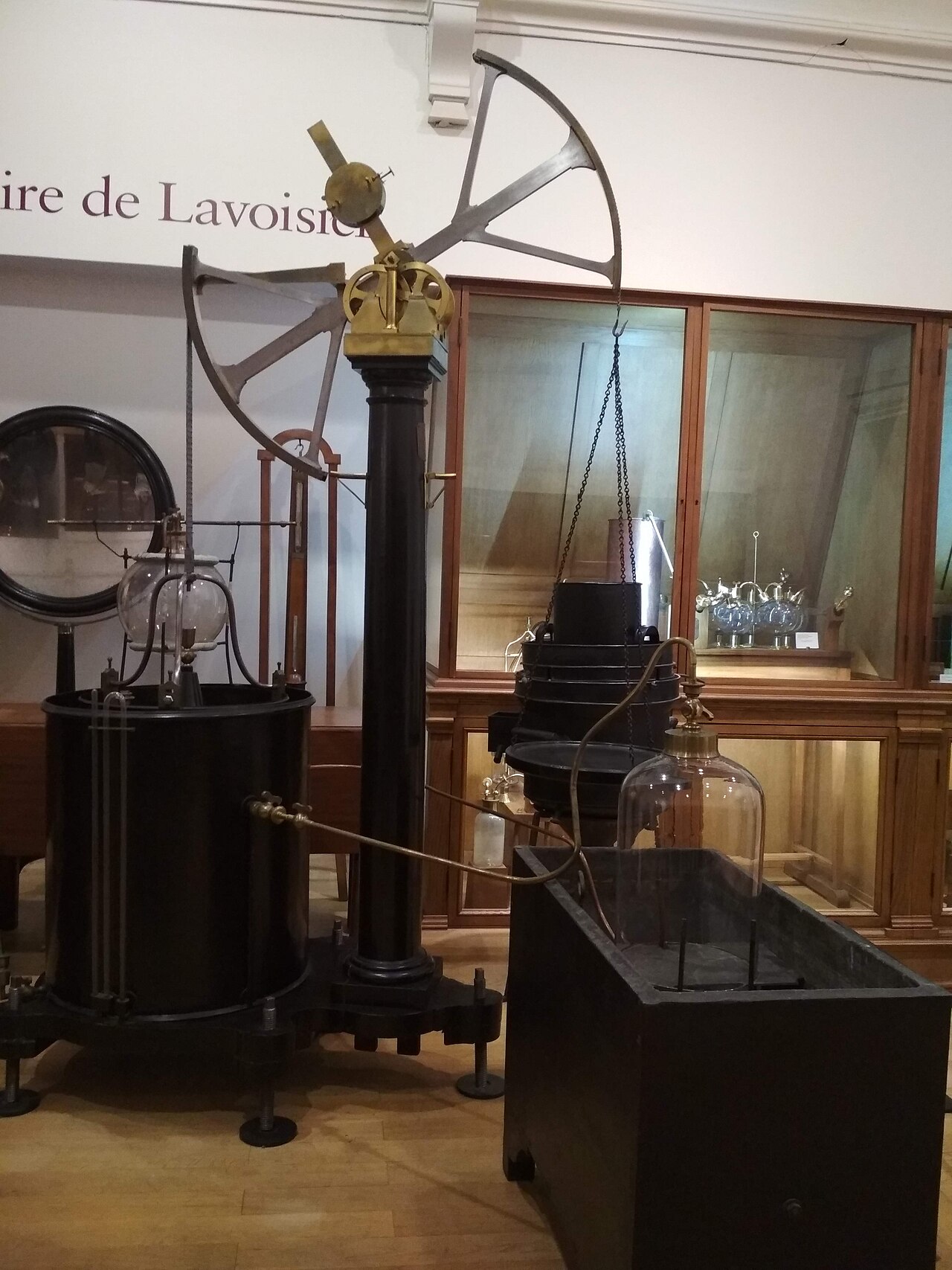 Artifact
Primary source
Lavoisier's ice calorimeter
Antoine Lavoisier and Pierre-Simon Laplace · c. 1782-1783
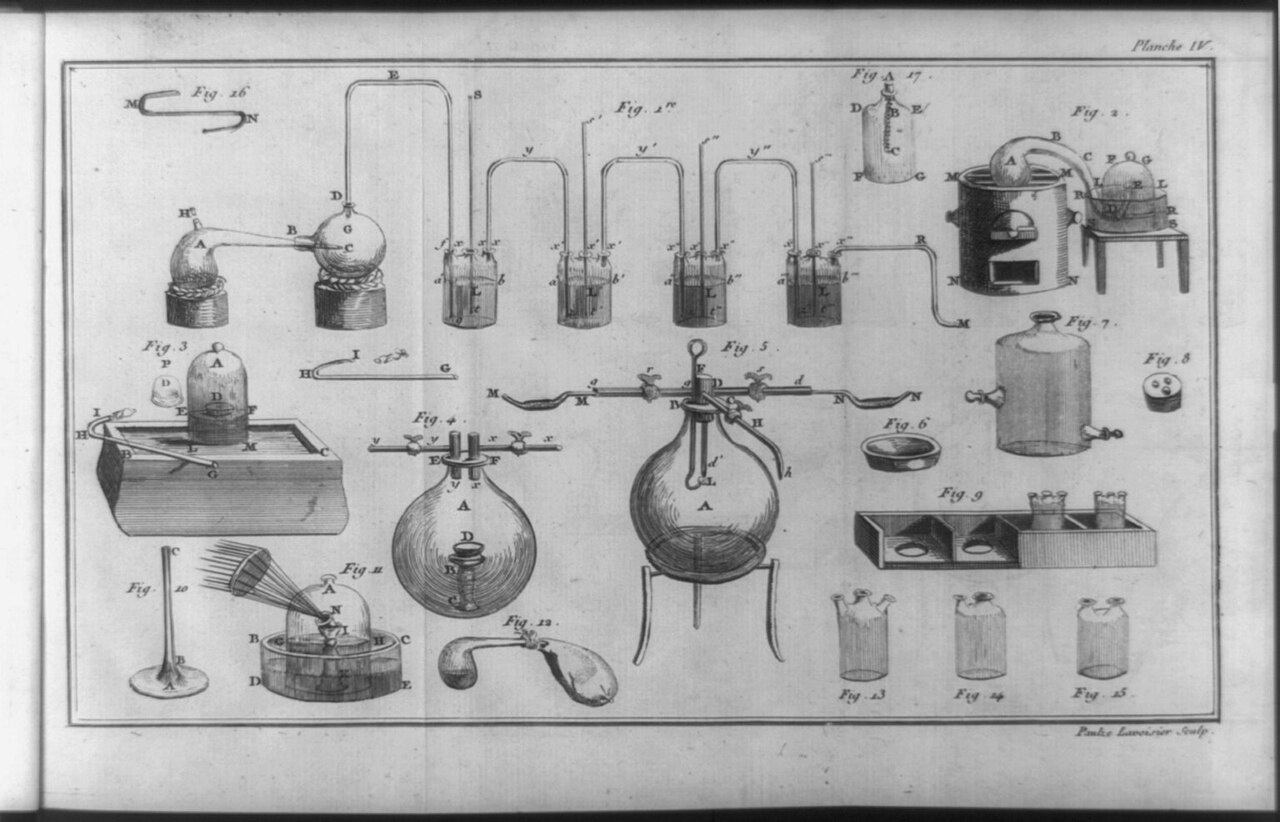 Artifact
Primary source
Scientific Apparatus Used by Lavoisier in Studying Chemical Reactions
Marie-Anne Paulze Lavoisier
Ready when you are
Start chatting with Antoine Lavoisier now.
20 messages free · No credit card · Available in 50+ languages.