


Primary sourceArtifactc. 1480-1460 BCE
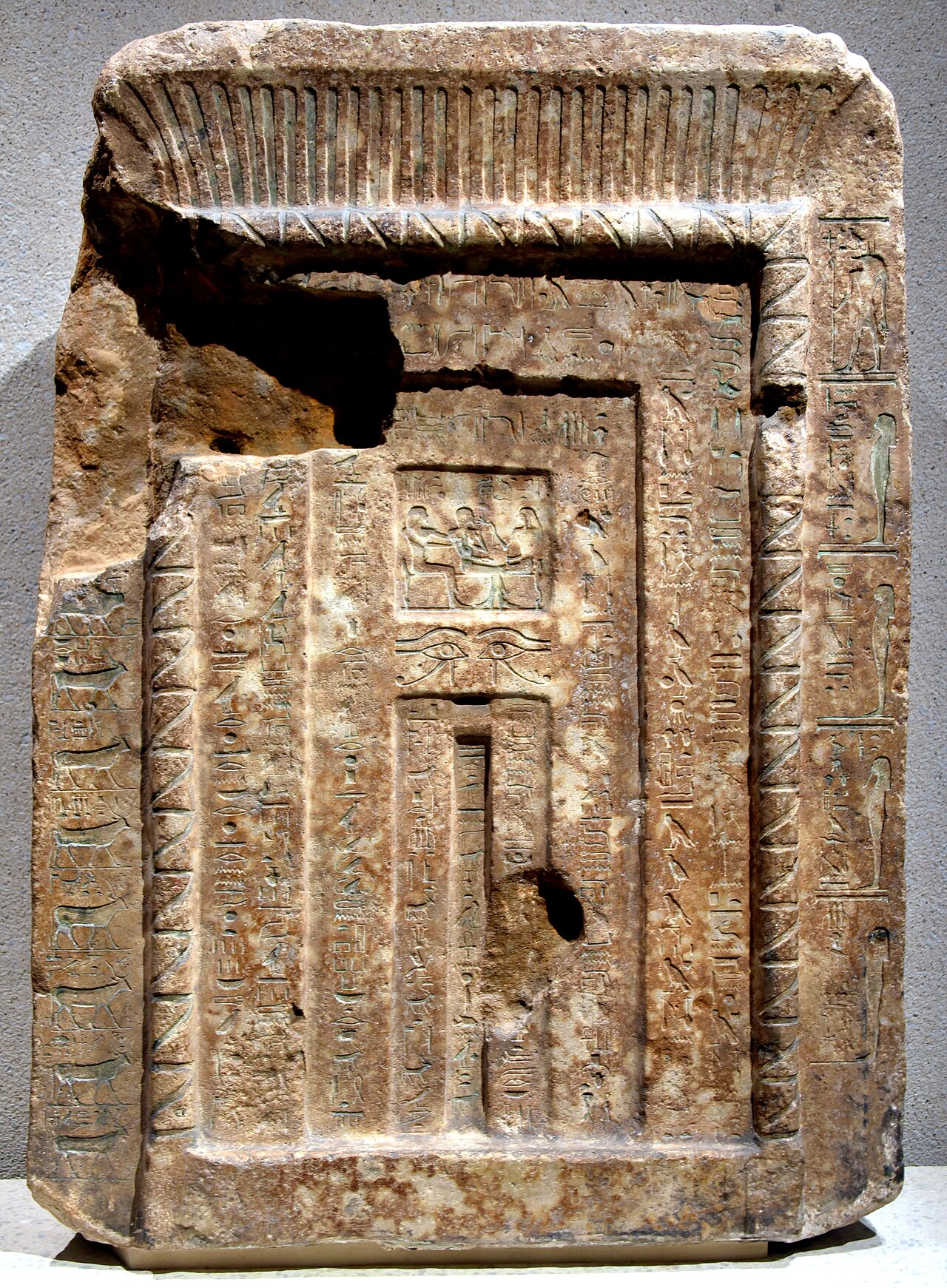
False Door of Senenmut
c. 1480-1460 BCE
The carved sandstone tomb door of Senenmut, chief steward of Hatshepsut, showing the status of officials who served her.
This tomb door of her chief steward Senenmut reflects the power and favour officials gained under Hatshepsut's rule.
About this source
What it is
This sandstone false door comes from the tomb of Senenmut, the steward of Queen Hatshepsut, found in Western Thebes, Egypt. It is carved with hieroglyphic inscriptions, a seated figure, and an Eye of Horus, and is now in the Neues Museum in Berlin.
Why it matters
False doors like this were believed to let the spirit of the dead pass between worlds. The quality of Senenmut's tomb door reflects the wealth and high rank he achieved as Hatshepsut's trusted steward, showing how far a loyal official could rise under her reign.
Look closer
- What do the carvings and symbols on the door suggest about Egyptian beliefs about death?
- Why might a steward have been given such an elaborate tomb monument?
- What does this object tell us about Hatshepsut's court, beyond the queen herself?
This artifact is part of the curated material that grounds the AI version of Hatshepsut on Humy.ai — when students ask about related events, the AI can quote it and cite it.
More Hatshepsut sources
Meet the AI Hatshepsut →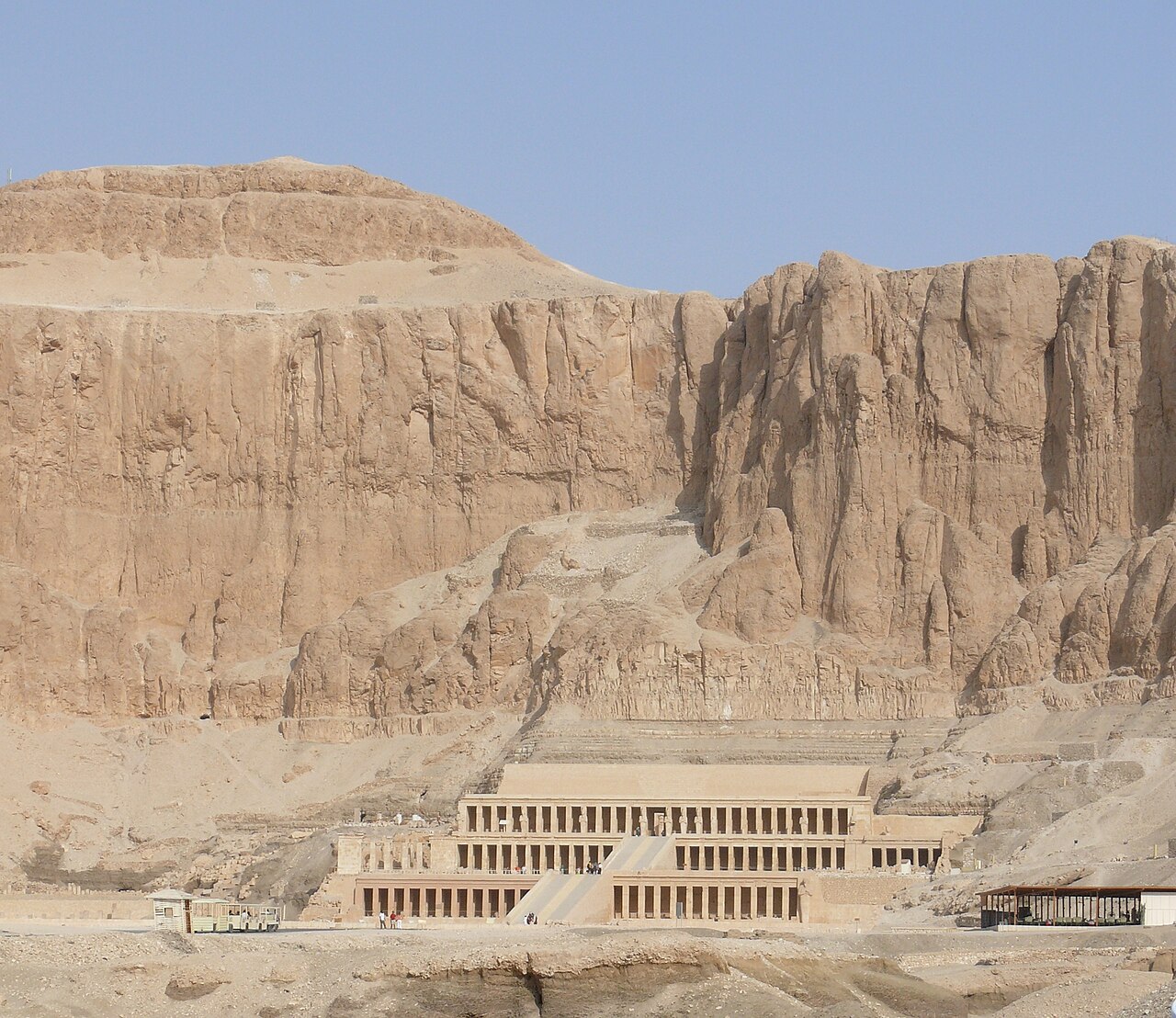 Artifact
Primary source
Mortuary Temple of Hatshepsut
Senenmut and/or Hapuseneb (attributed) · c. 1479–1458 BCE
 Photograph
Secondary source
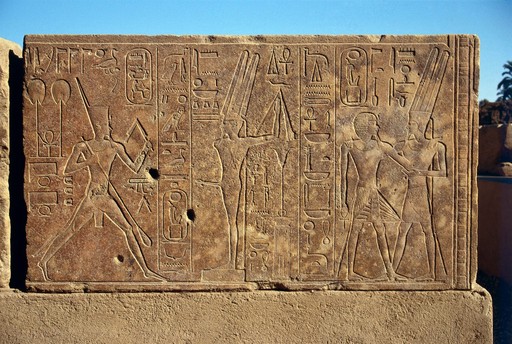
Hatshepsut Dancing Before Min, Karnak Relief
Carole Reeves · 1989
 Sculpture
Primary source
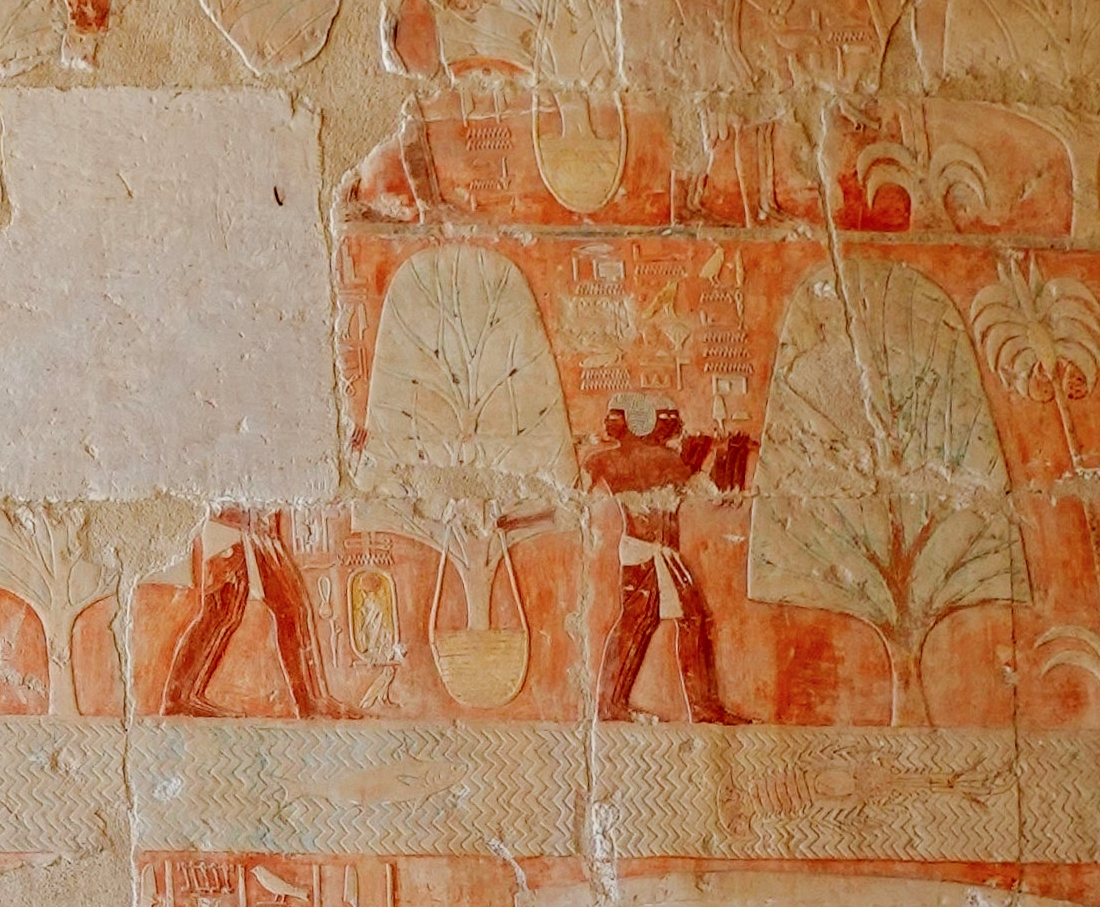
Punt Expedition Reliefs
Royal workshops of Hatshepsut · c. 1470 BCE
 Sculpture
Primary source
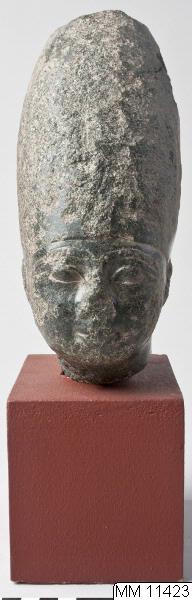
Sculpture Head Probably of Hatshepsut
 Sculpture
Primary source
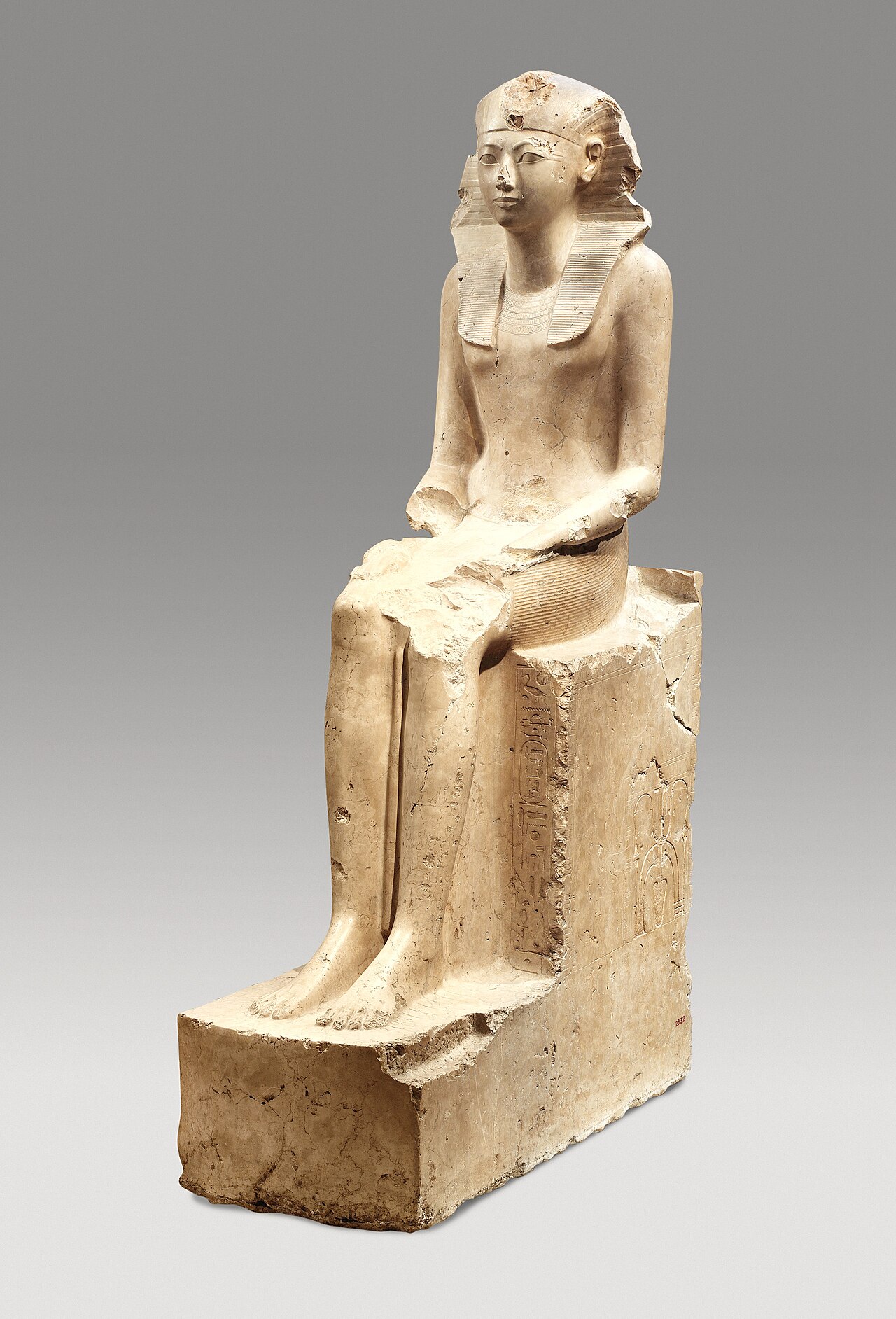
Seated Statue of Hatshepsut
c. 1466 BCE
Ready when you are
Start chatting with Hatshepsut now.
20 messages free · No credit card · Available in 50+ languages.