


Secondary sourceArtifact1816 (rebuilt 1832)
First Presbyterian Church
1816 (rebuilt 1832)
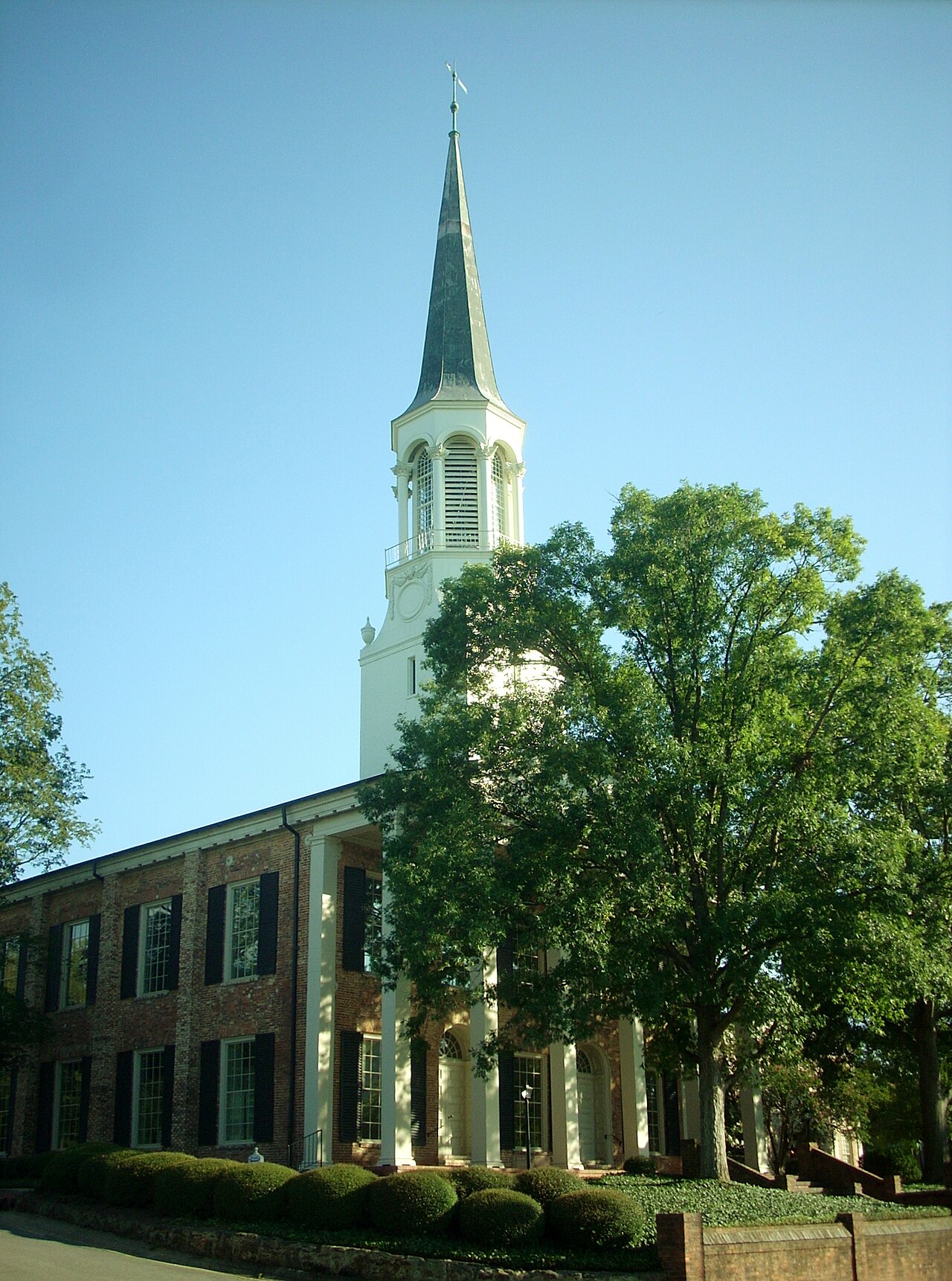
A historic church in Fayetteville, North Carolina, where Omar Ibn Said was received into the congregation around 1821.
Omar was received into this church's congregation around 1821, a conversion used by others to portray him as a model Christian.
About this source
What it is
This is a brick church building in Fayetteville, North Carolina. The current structure was built in 1832, reusing parts of an earlier 1816 church that had burned down. It still stands today and is listed on the National Register of Historic Places.
Why it matters
Omar Ibn Said, an enslaved Muslim scholar from West Africa, was received into this Presbyterian congregation around 1821. His conversion to Christianity was publicised by white contemporaries, who used it to present him as proof that enslaved Africans could be converted and "civilised" — a narrative that served the interests of slaveholders rather than Omar's own complex spiritual life.
Look closer
- Why might white Christians at the time have wanted to publicise Omar's conversion?
- What questions does this building raise about the freedom of religious choice for enslaved people?
This artifact is part of the curated material that grounds the AI version of Omar Ibn Said on Humy.ai — when students ask about related events, the AI can quote it and cite it.
More Omar Ibn Said sources
Browse all 13 →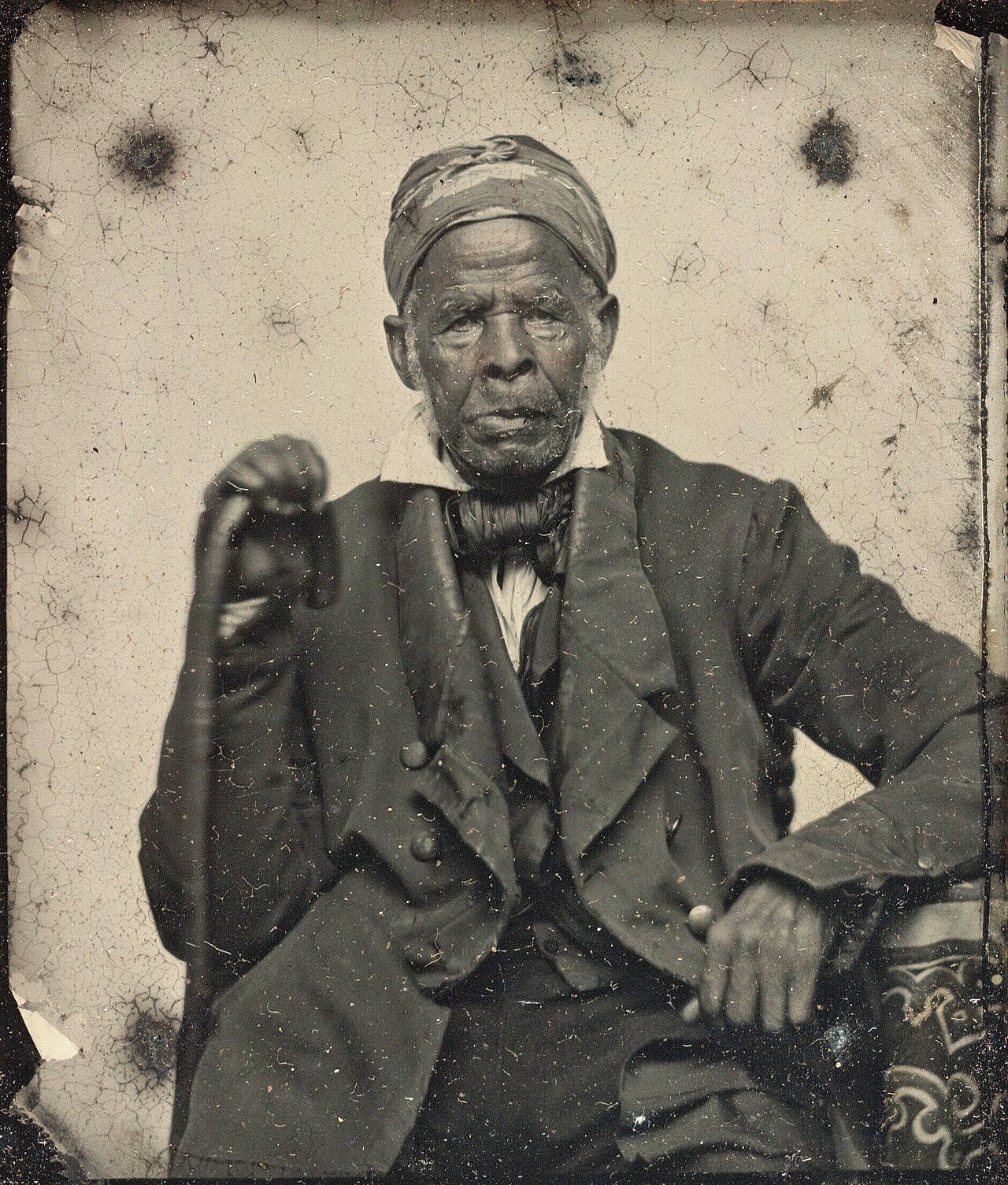 Photograph
Primary source
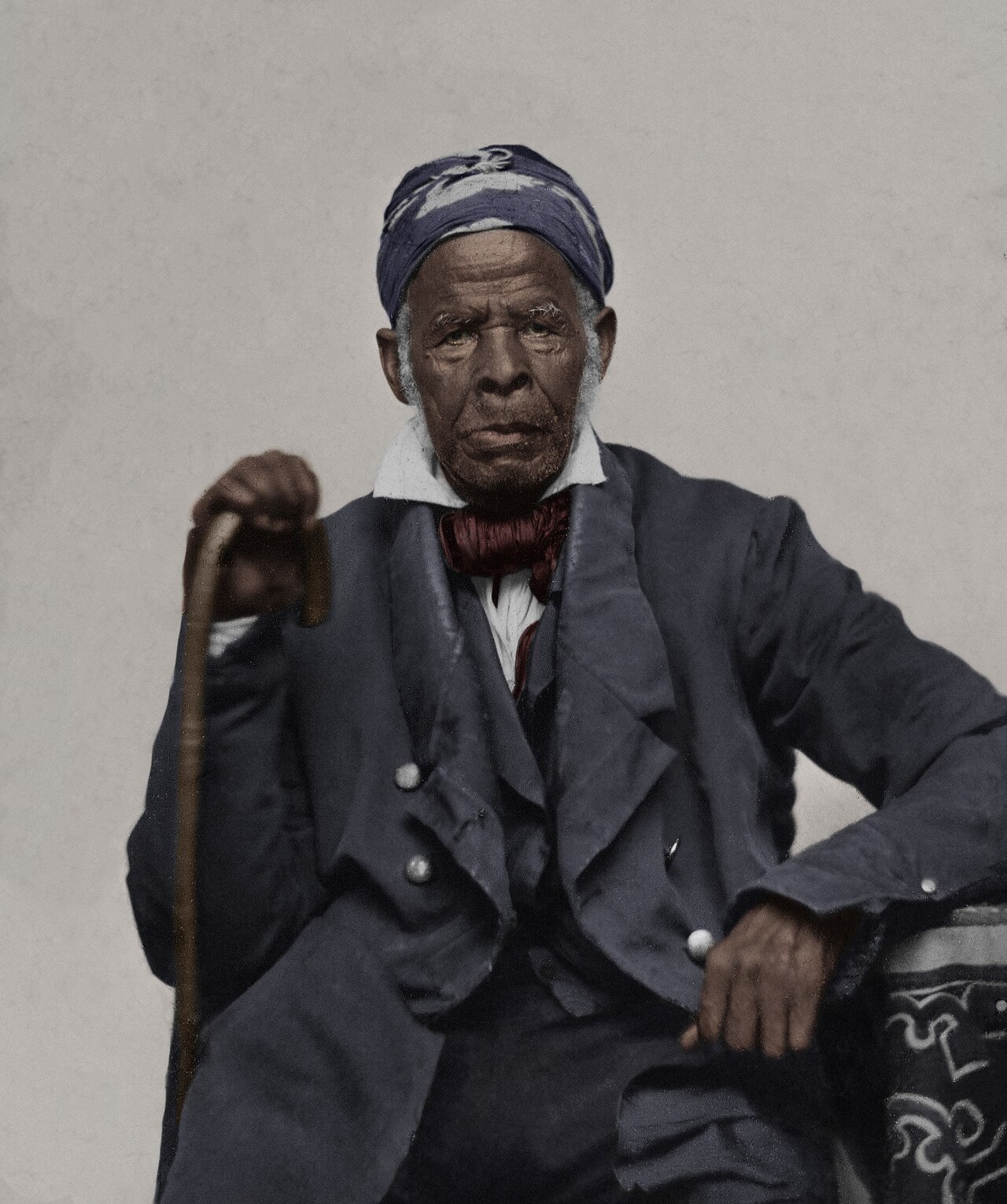
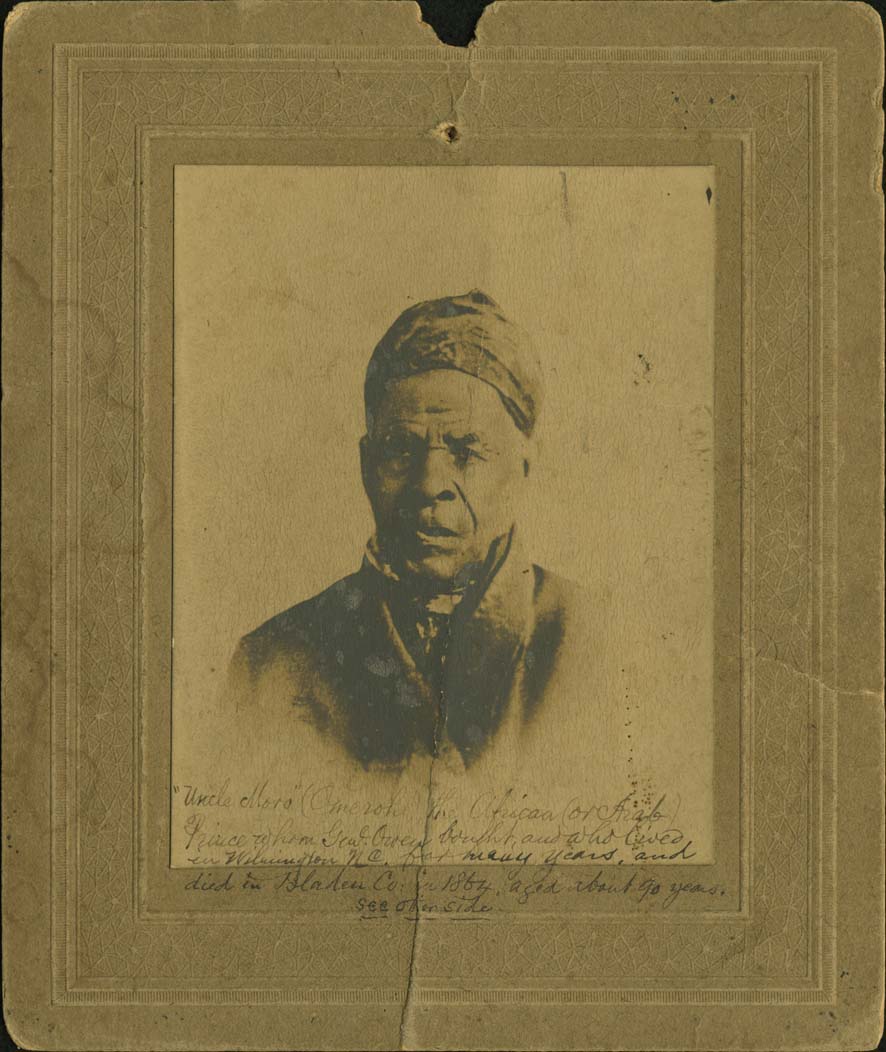
Uncle Marian
c. 1850
 Document
Primary source
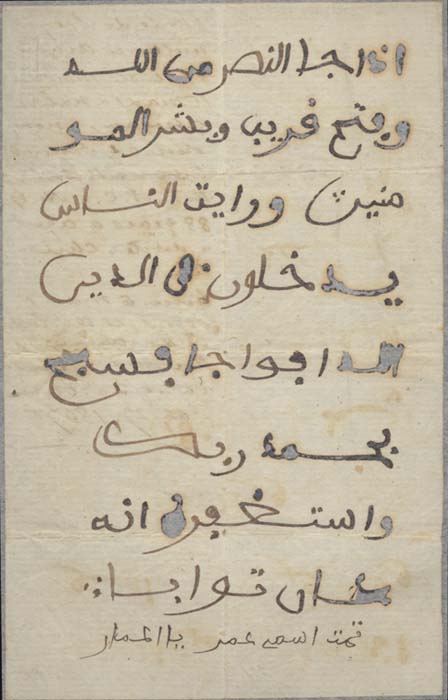
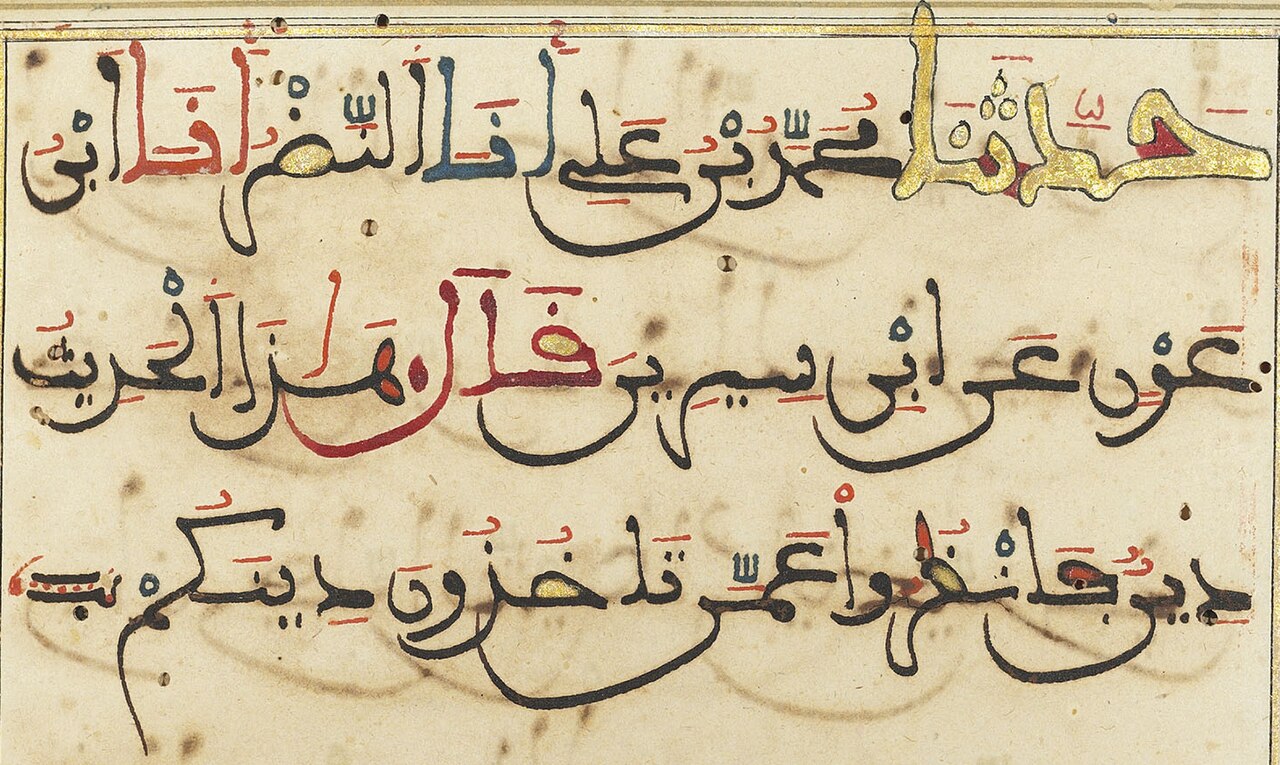
Surat an-Nasr Manuscript (Recto Copy)
Omar Ibn Said · 1857
 Document
Primary source
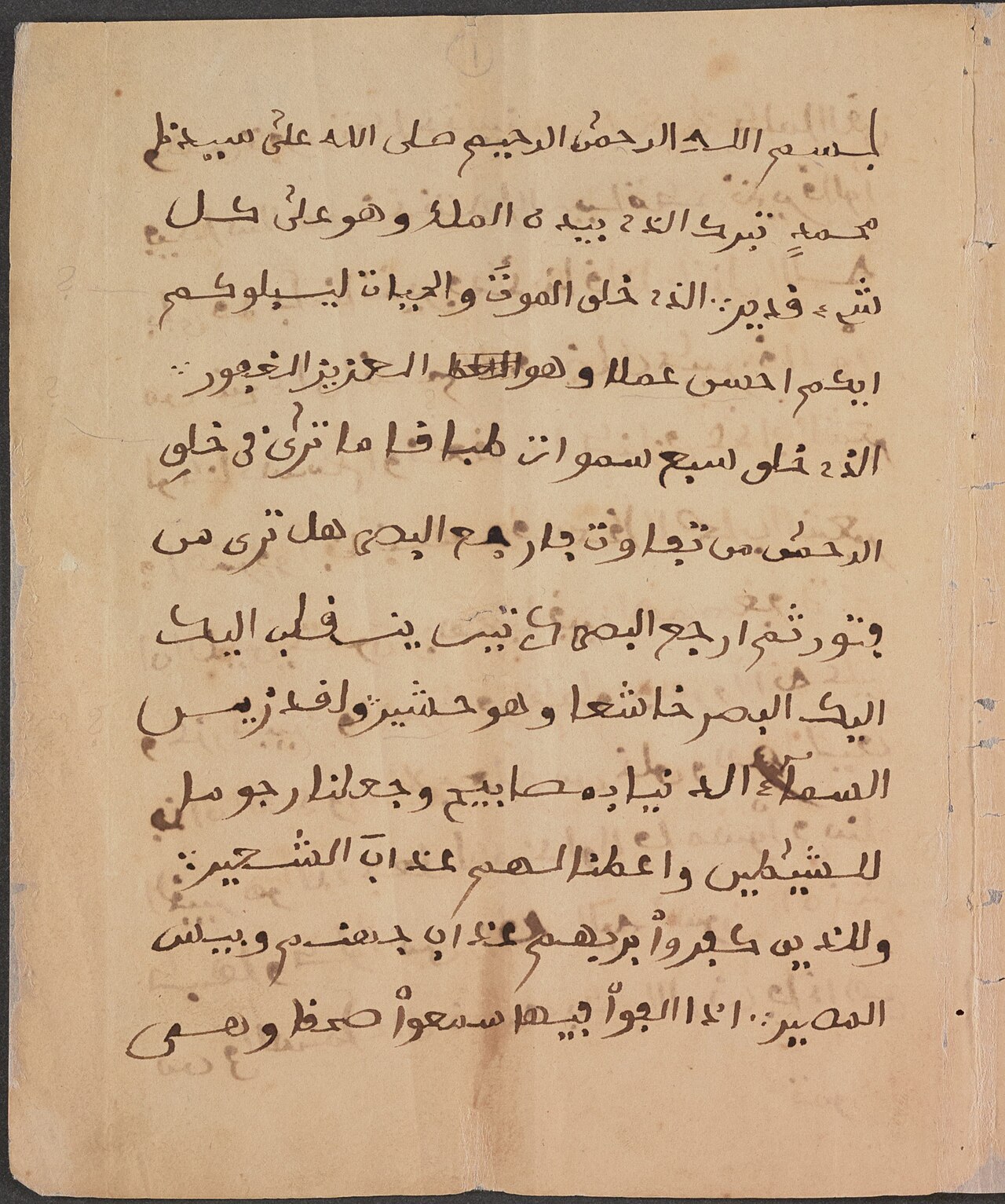
Surat al-Mulk Manuscript
Omar Ibn Said
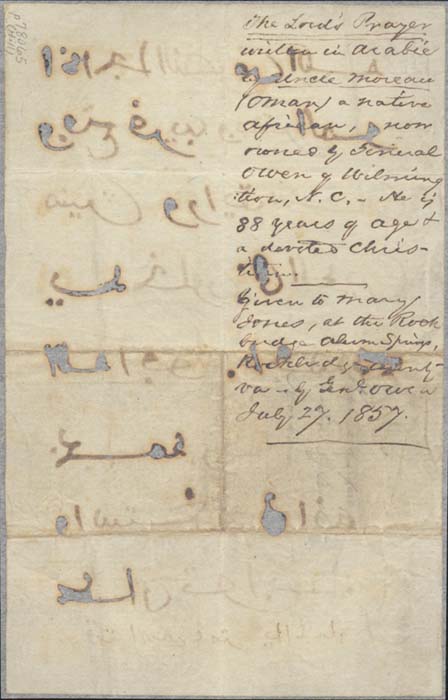 Document
Primary source
Surat an-Nasr Manuscript (Second Copy)
Omar Ibn Said · 1857
Free account
Browse every Omar Ibn Said source
Sign up free →
Ready when you are
Start chatting with Omar Ibn Said now.
20 messages free · No credit card · Available in 50+ languages.