


Primary sourceDocument1857
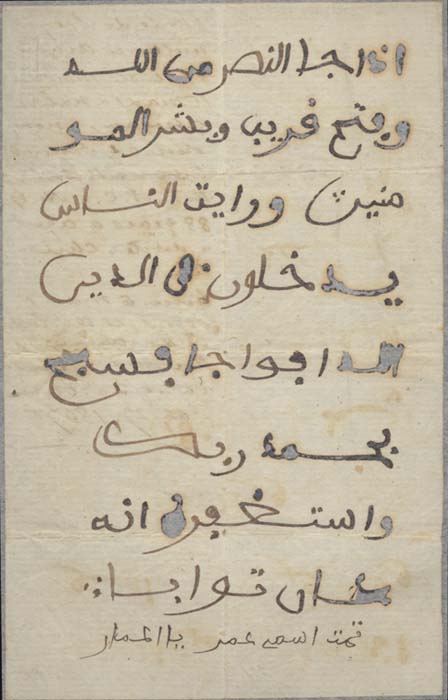
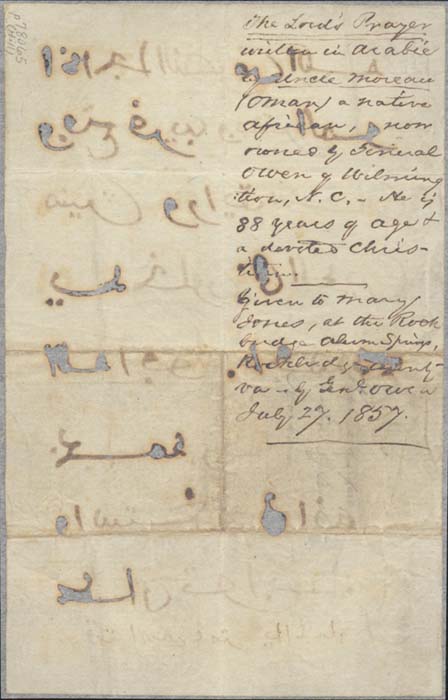
Surat an-Nasr Manuscript (Recto Copy)
Omar Ibn Said · 1857
A page on which Omar Ibn Said wrote a short Qur'anic chapter in Arabic, later mislabelled on the back as the Lord's Prayer.
Written by Omar Ibn Said himself, this page shows him preserving Arabic and Islamic knowledge decades into his enslavement.
About this source
What it is
This manuscript page, written by Omar Ibn Said, contains a brief chapter of the Qur'an, Surat an-Nasr, in Arabic. On the back, someone wrote an English note claiming the text was the Lord's Prayer and describing him as "Uncle Moreau (Omar)... owned by General Owen," dated 1857.
Why it matters
This document is important evidence that Omar Ibn Said continued to write in Arabic and drew on his memory of Islamic scripture long after enslavement, even while those around him assumed or claimed he had become Christian. The mistaken label on the back shows how little his owners understood of what he had actually written.
Look closer
- Why do you think the English note misidentifies the Arabic text as a Christian prayer?
- What does it suggest that Omar kept writing in Arabic years after being enslaved?
- How might the people around him have viewed this piece of writing differently than he did?
This document is part of the curated material that grounds the AI version of Omar Ibn Said on Humy.ai — when students ask about related events, the AI can quote it and cite it.
More Omar Ibn Said sources
Browse all 13 →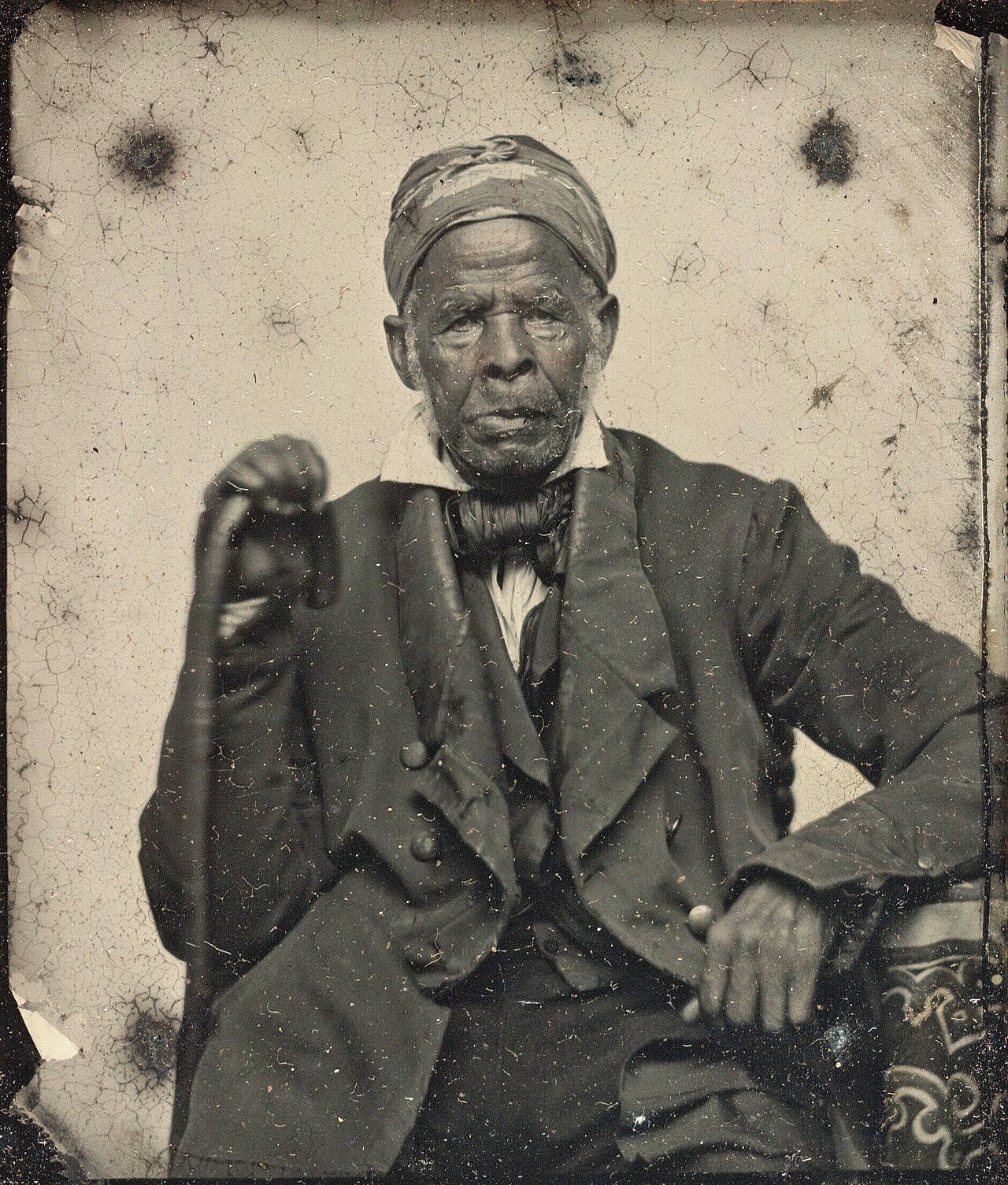 Photograph
Primary source
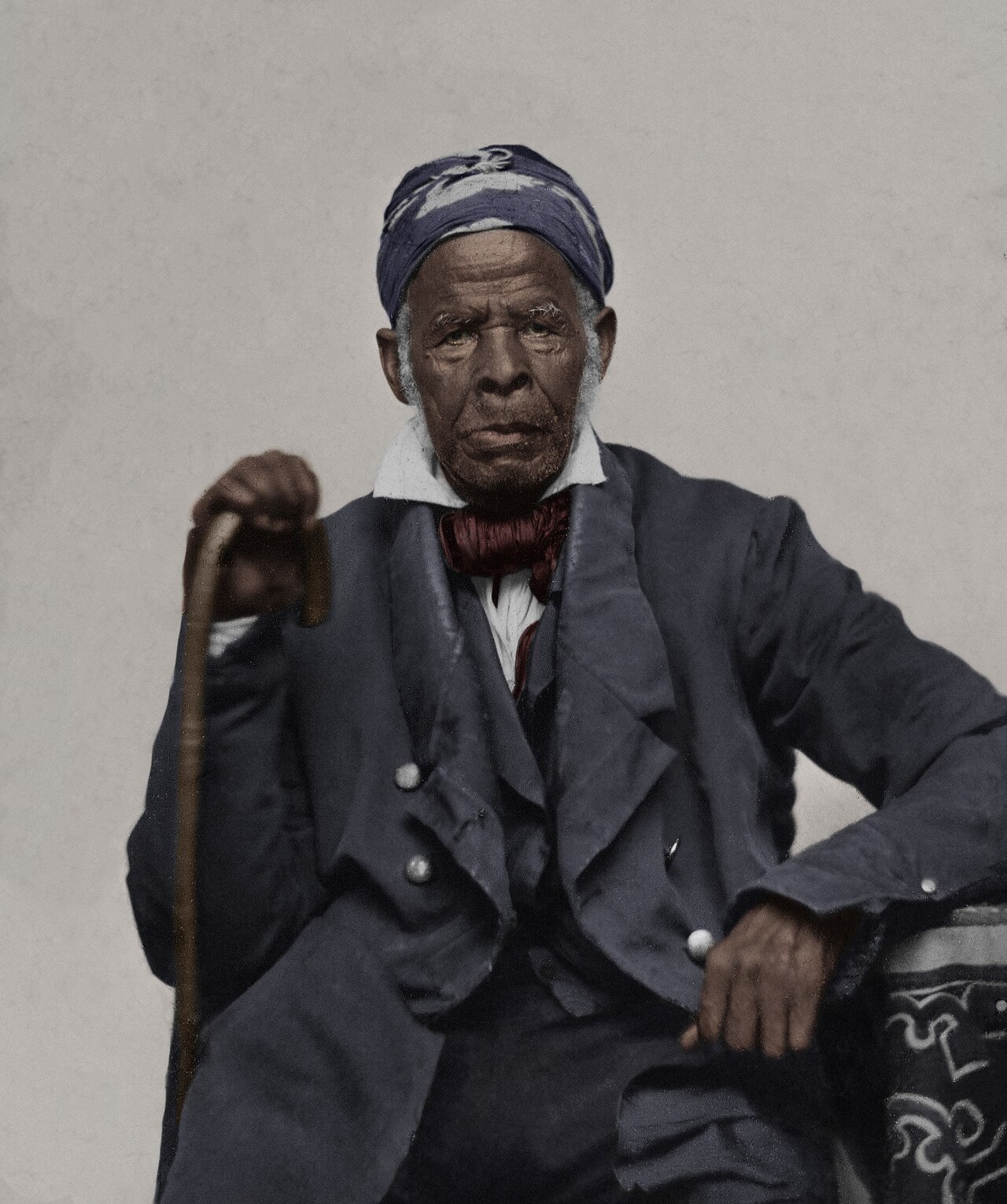
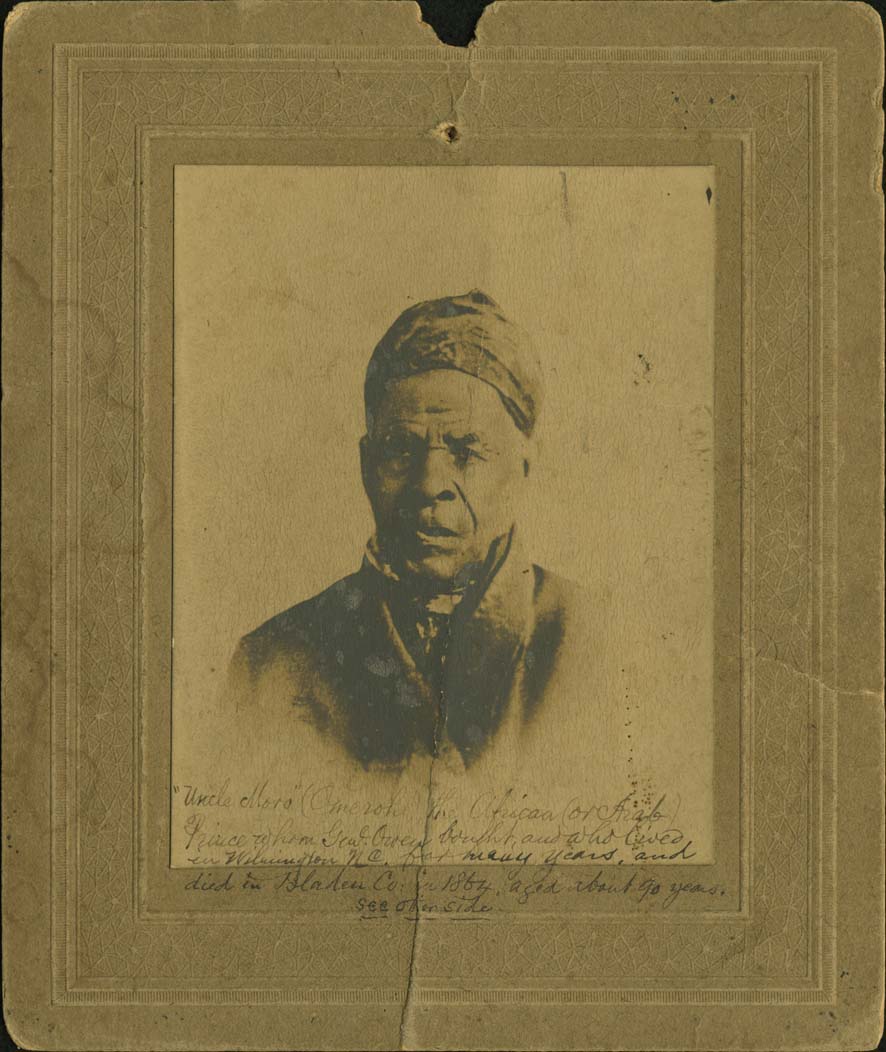
Uncle Marian
c. 1850
 Artifact
Secondary source
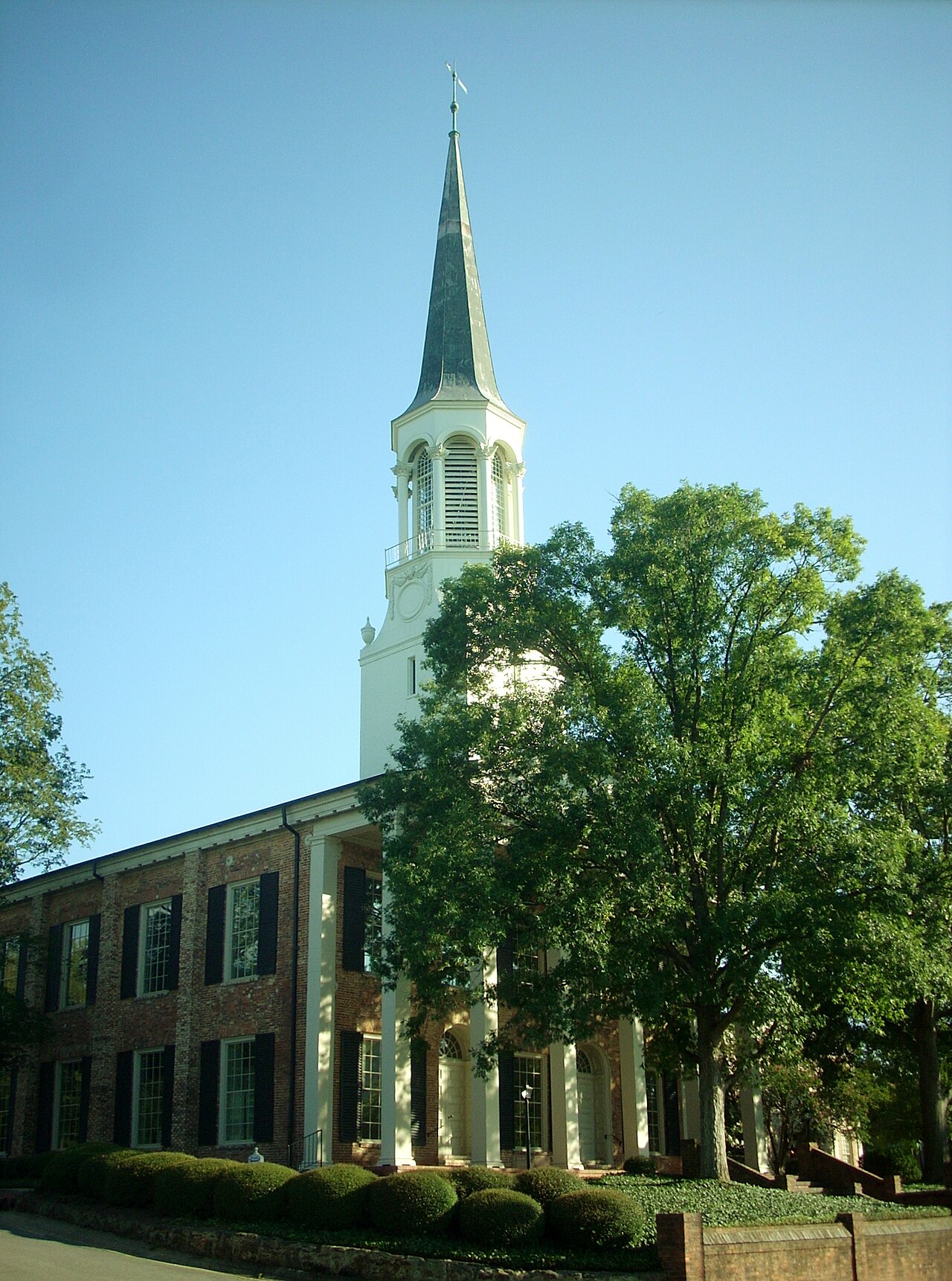
First Presbyterian Church
1816 (rebuilt 1832)
 Document
Primary source
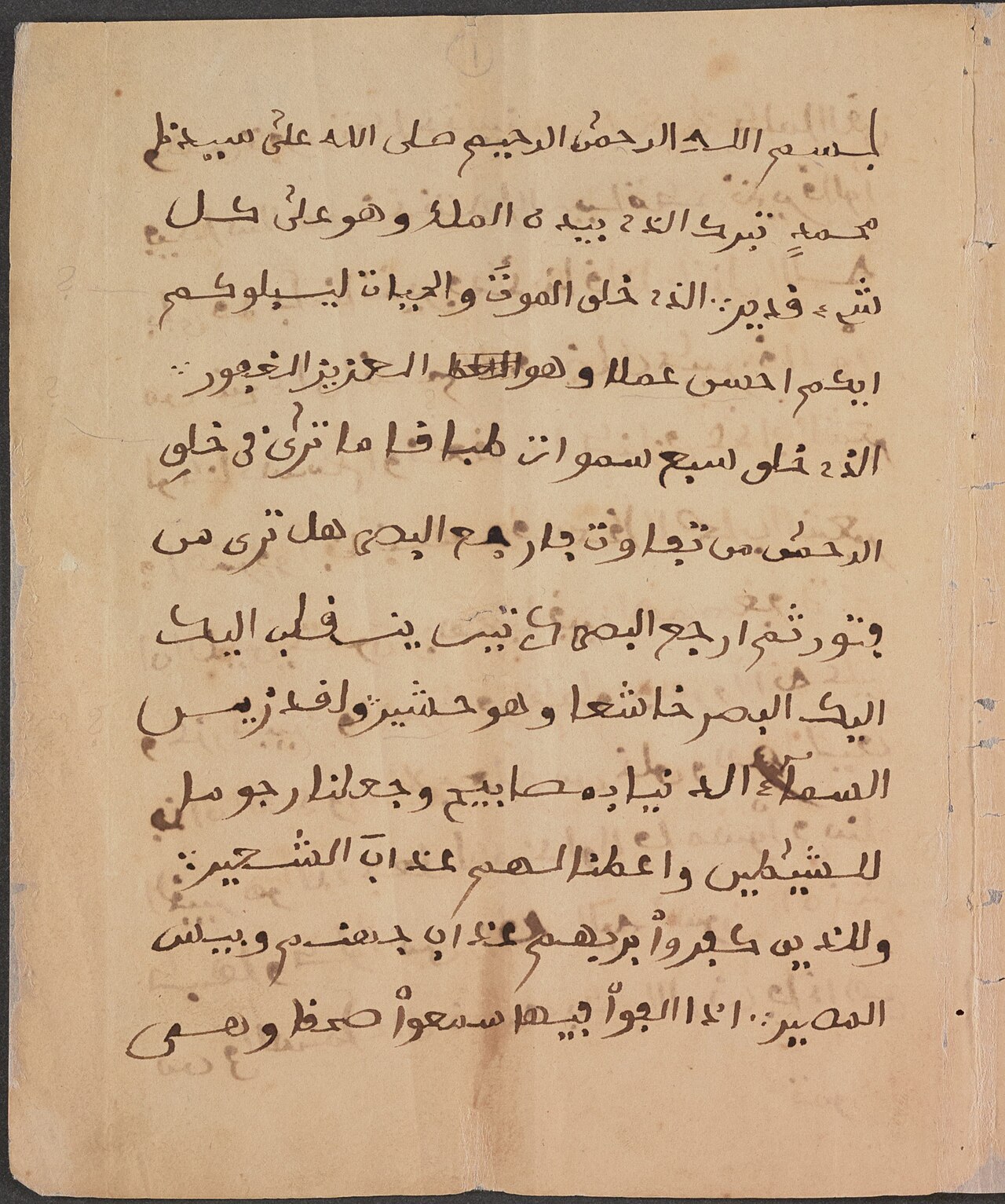
Surat al-Mulk Manuscript
Omar Ibn Said
 Document
Primary source
Surat an-Nasr Manuscript (Second Copy)
Omar Ibn Said · 1857
Free account
Browse every Omar Ibn Said source
Sign up free →
Ready when you are
Start chatting with Omar Ibn Said now.
20 messages free · No credit card · Available in 50+ languages.