


Primary sourceArtifact
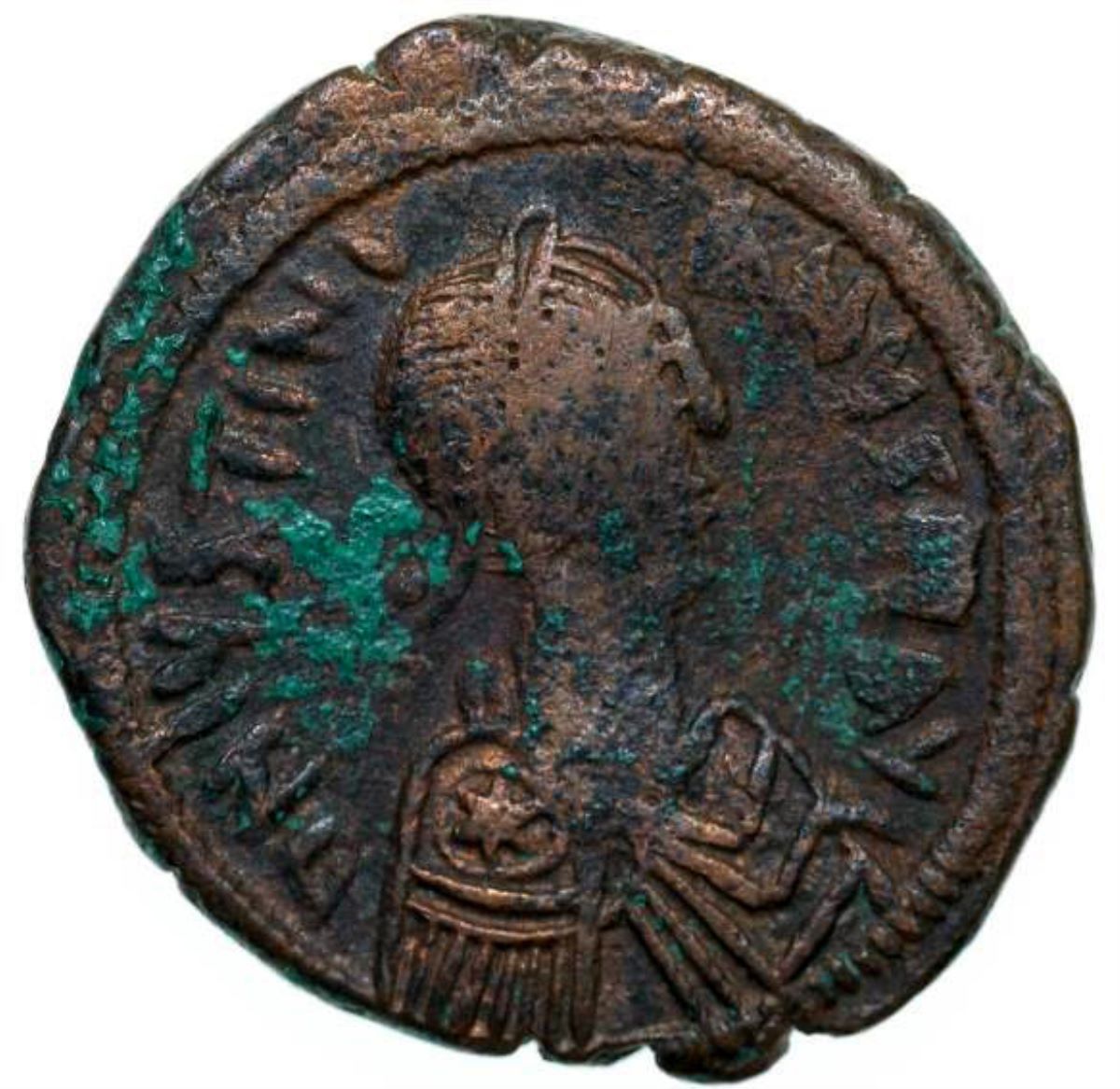
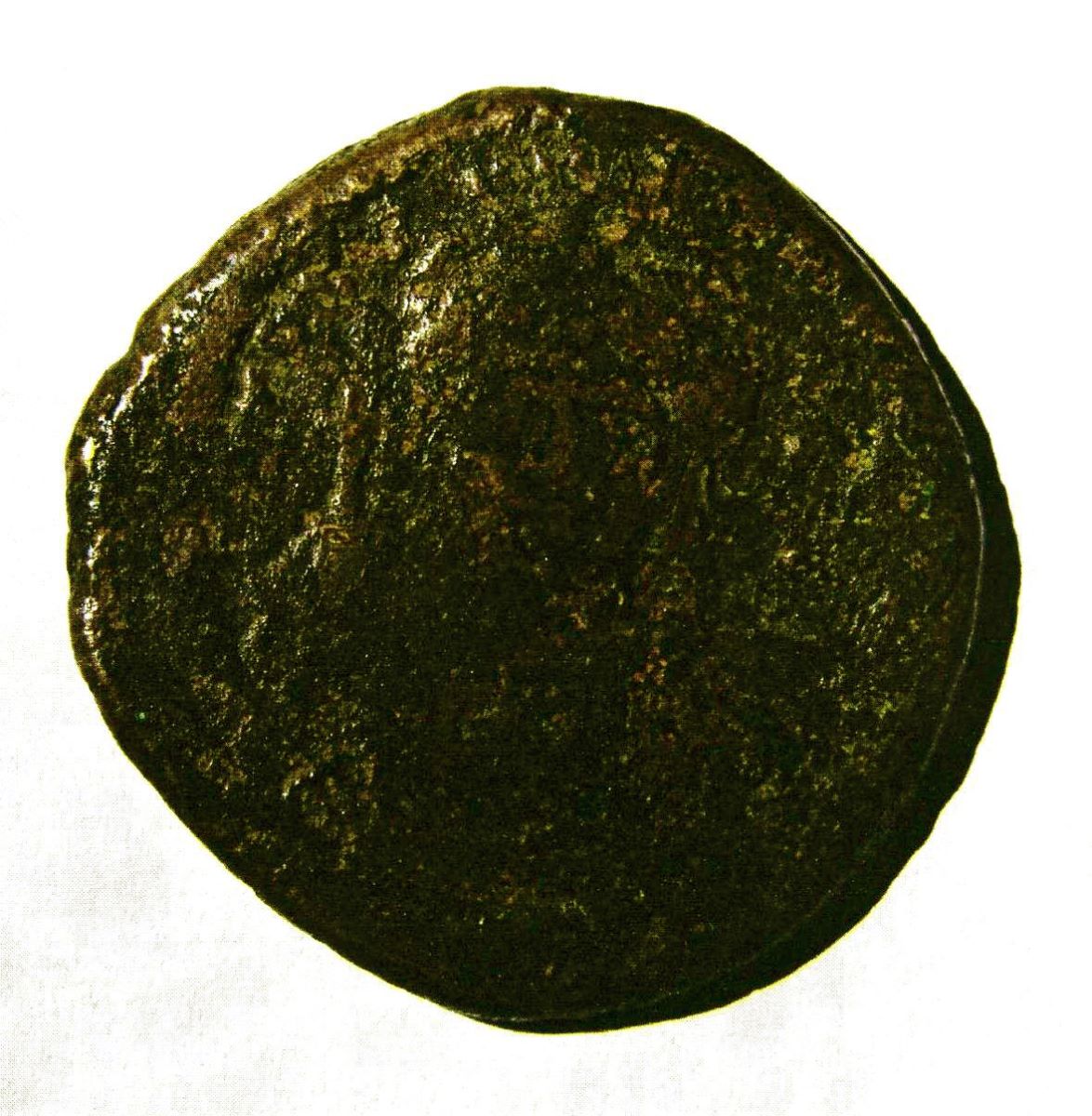
Follis of Justinian I with Cuirassed Profile Bust
A corroded bronze follis coin showing Emperor Justinian I in profile, wearing a diadem, armor, and a star-shaped shoulder ornament.
A everyday bronze coin bearing Justinian's profile portrait, minted and circulated during his reign.
About this source
What it is
This bronze coin, known as a follis, was issued during the reign of Justinian I. It shows the emperor's bust in profile, wearing a diadem, cuirass, and cloak, with a six-pointed star on his shoulder. The reverse carries the mint mark CON. The coin, now showing green corrosion, is held by the National Museum of Romanian History.
Why it matters
Low-value bronze coins like this follis were the money of daily life for most people in the Byzantine Empire, far more common than gold solidi. Studying such coins helps historians understand how imperial imagery reached ordinary subjects and how Byzantine mints organized production and symbols like the star.
Look closer
- Why might a coin used in everyday transactions still carry a formal portrait of the emperor?
- What does the corrosion on the coin tell you about its age and how it survived?
- What do small details, like the star on the shoulder, suggest about the coin's origin or meaning?
This artifact is part of the curated material that grounds the AI version of Justinian I on Humy.ai — when students ask about related events, the AI can quote it and cite it.
More Justinian I sources
Meet the AI Justinian I →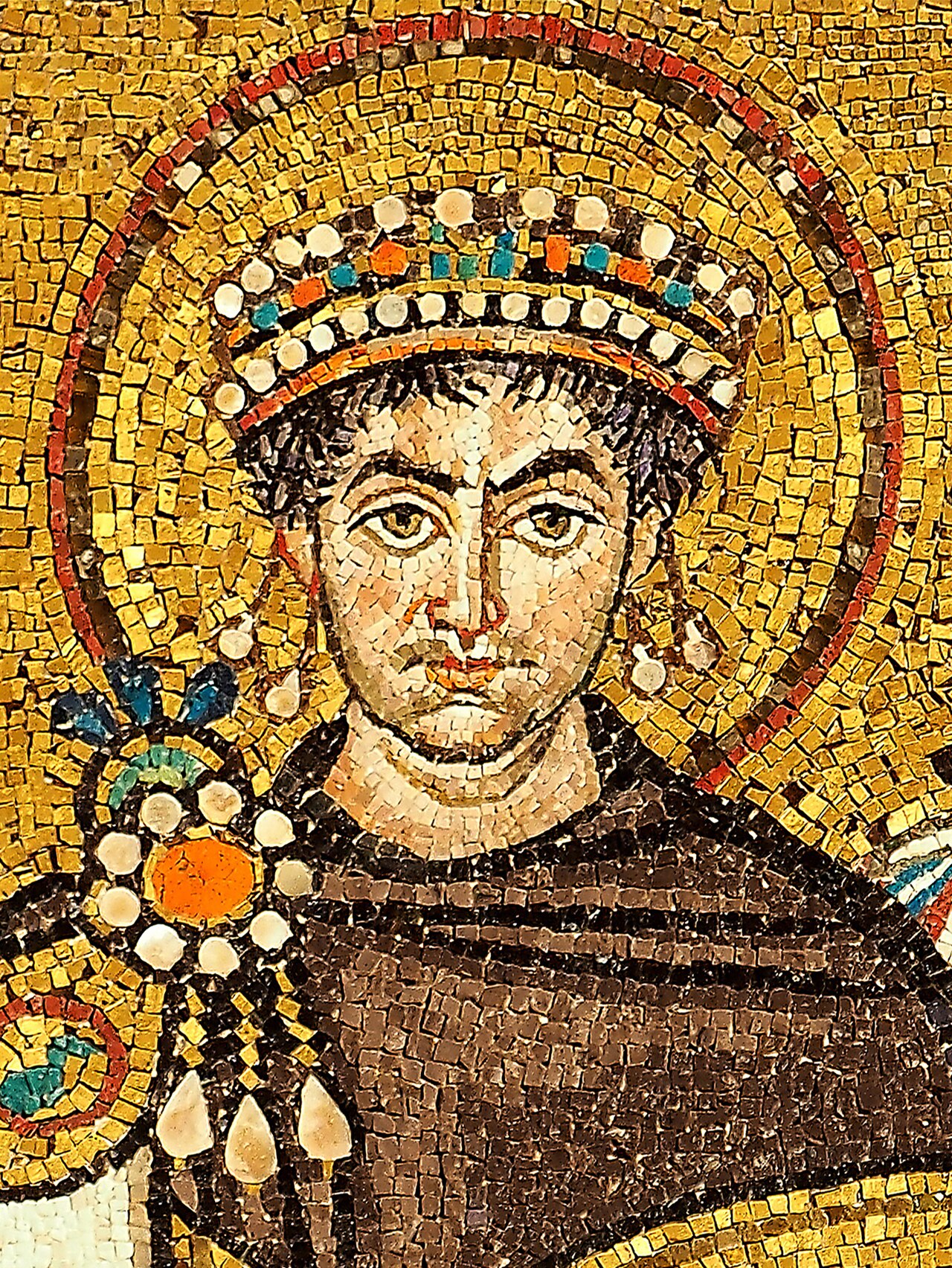 Artifact
Primary source
Portrait of Justinian I, San Vitale Mosaic
Byzantine mosaicists · c. 547
 Painting
Secondary source
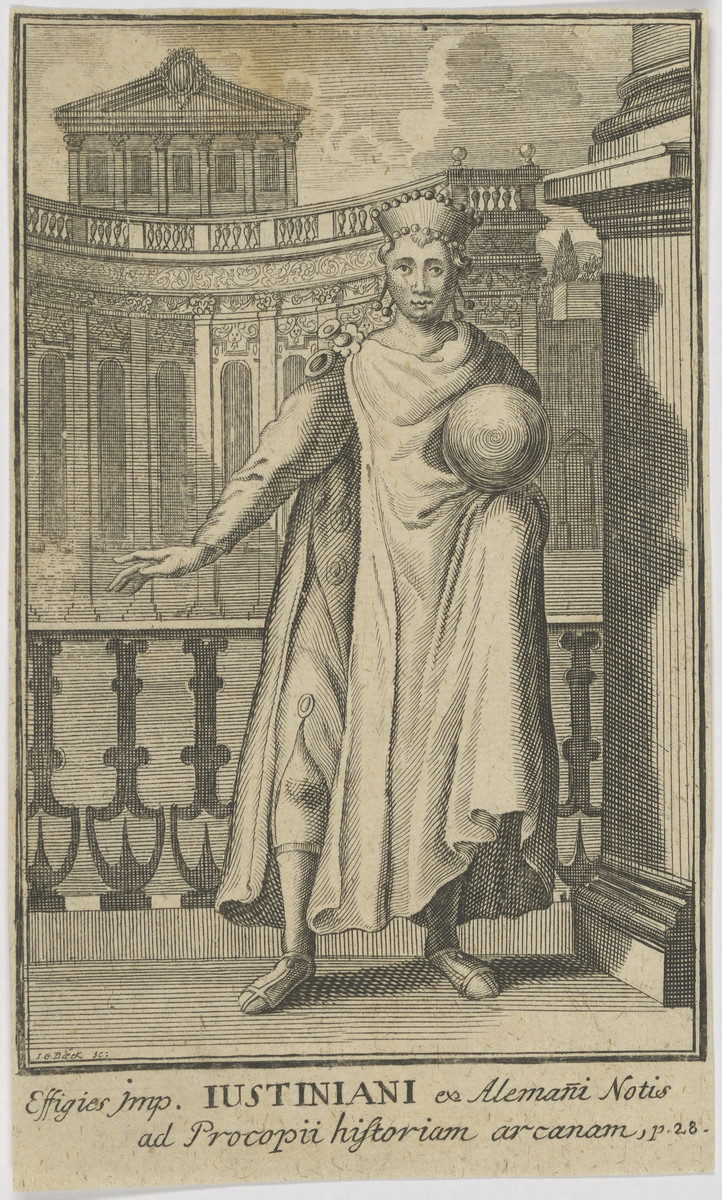
Portrait of Emperor Justinian
Johann Friedrich Böck
 Document
Primary source
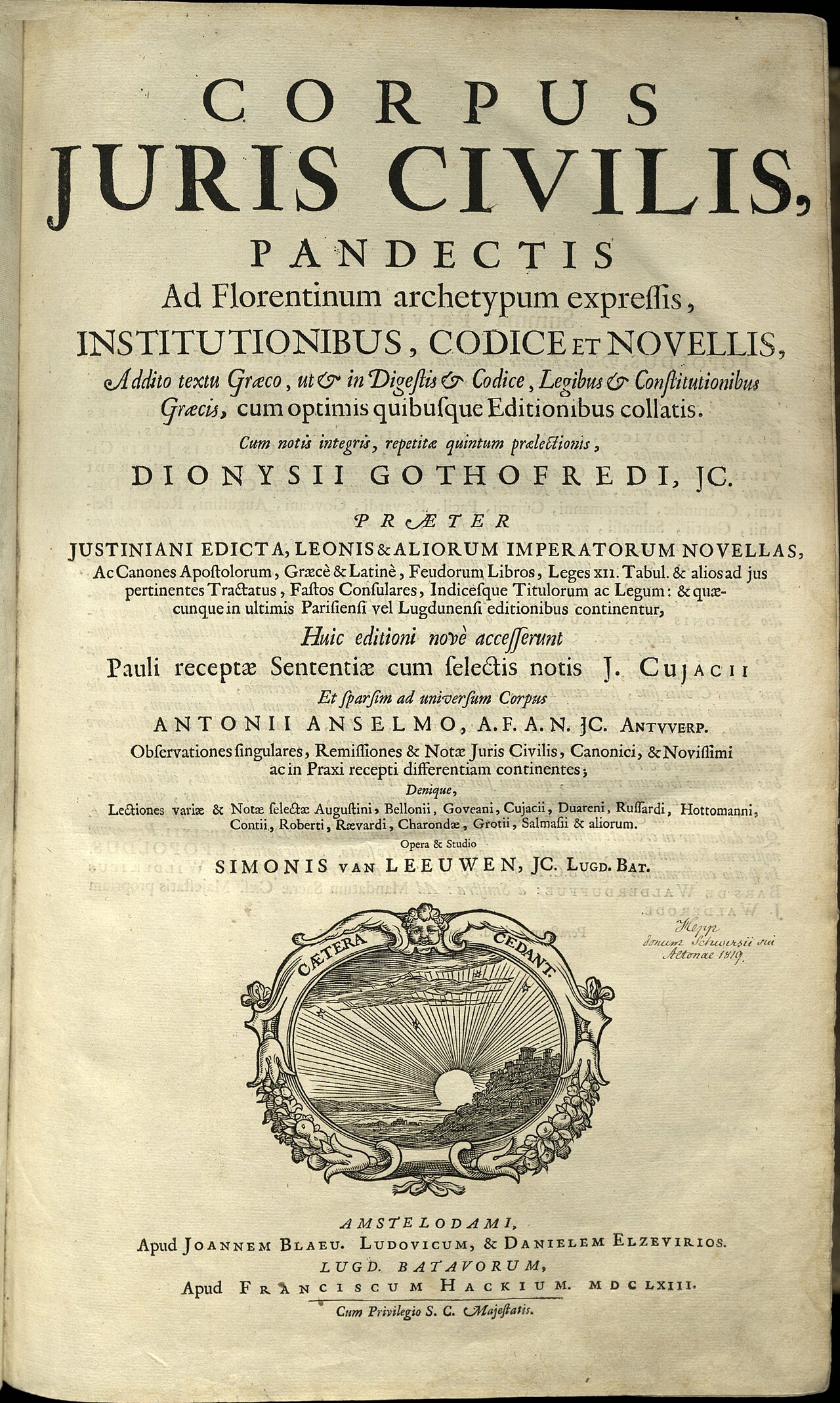
Corpus Juris Civilis
Tribonian · 528-534
 Artifact
Primary source
Bronze Follis of Justinian I with Globus Cruciger
 Artifact
Secondary source
Hagia Sophia
Isidore of Miletus and Anthemius of Tralles · 532-537 CE
Ready when you are
Start chatting with Justinian I now.
20 messages free · No credit card · Available in 50+ languages.