


Primary sourceDocument1986
Ford v. Wainwright
Thurgood Marshall · 1986
The 1986 Supreme Court decision, with the majority opinion written by Justice Marshall, barring the execution of people who are insane.
Marshall wrote the majority opinion in this case, one of the few death-penalty rulings where his view prevailed.
About this source
What it is
Ford v. Wainwright is a 1986 Supreme Court case concerning whether the Constitution allows the execution of a mentally insane death row inmate, Alvin Ford. Justice Thurgood Marshall wrote the opinion for the Court.
Why it matters
Marshall's opinion held that the Eighth Amendment bars states from executing the insane, drawing on long-standing common law tradition, and that proper judicial hearings were required to decide competency rather than leaving the decision to the executive branch alone. This is one of the rare death-penalty cases where Marshall's views shaped the majority outcome, rather than being confined to dissent as in most capital cases.
Look closer
- Why might the Court distinguish between executing someone who is insane and someone who is not?
- What does Marshall's reliance on centuries-old legal tradition suggest about how the Court decides constitutional questions?
- What problems might arise in deciding whether someone is
This document is part of the curated material that grounds the AI version of Thurgood Marshall on Humy.ai — when students ask about related events, the AI can quote it and cite it.
More Thurgood Marshall sources
Meet the AI Thurgood Marshall →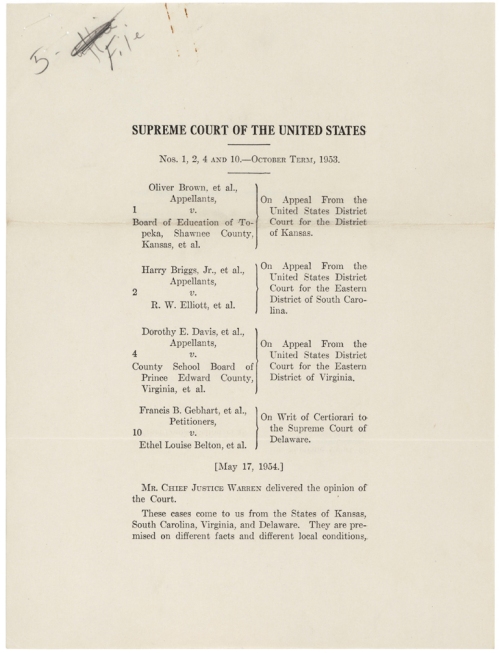 Document
Primary source
Brown v. Board of Education
Earl Warren · 17 May 1954
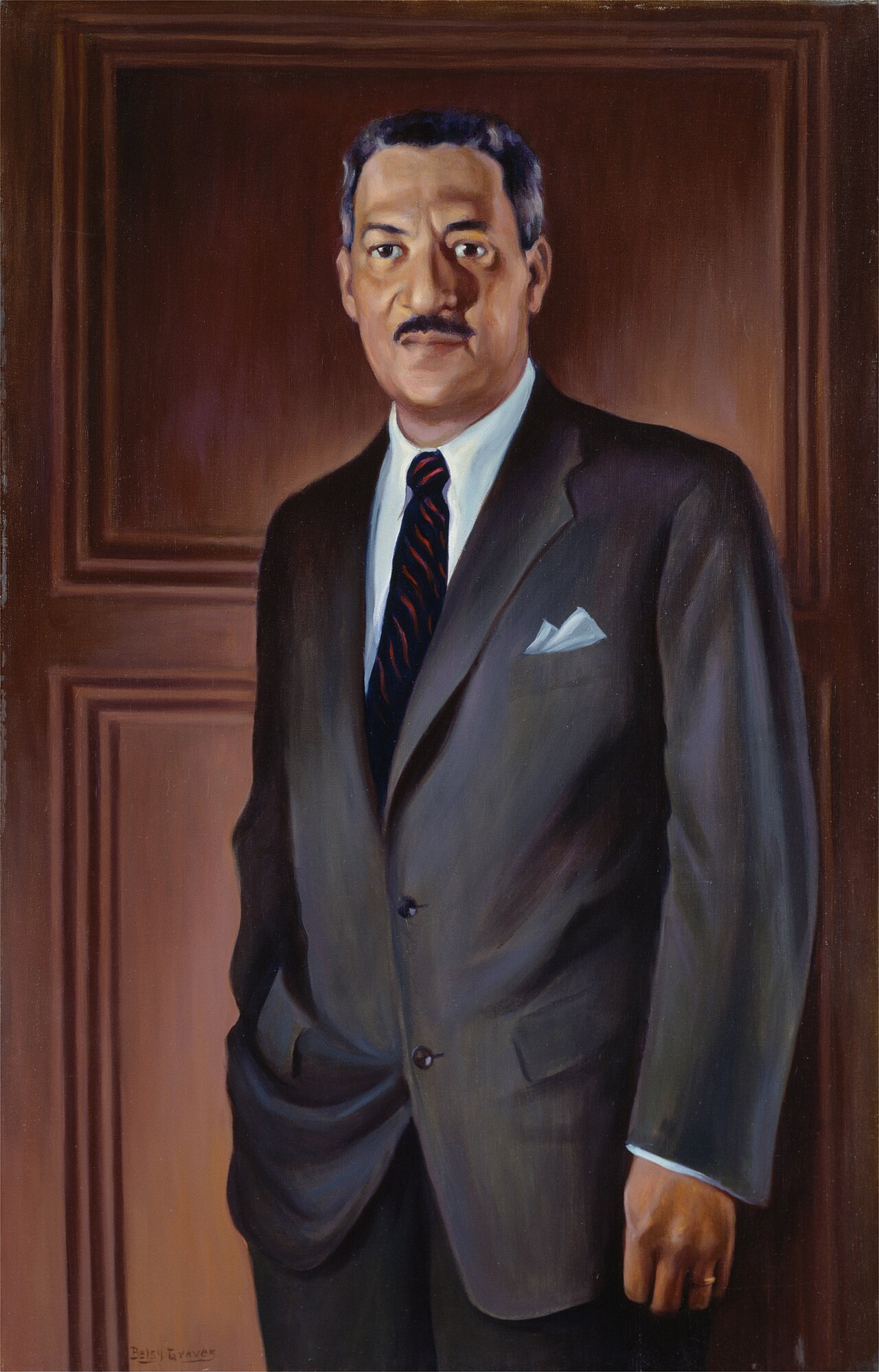 Painting
Primary source
Thurgood Marshall
Betsy Graves Reyneau · 1956
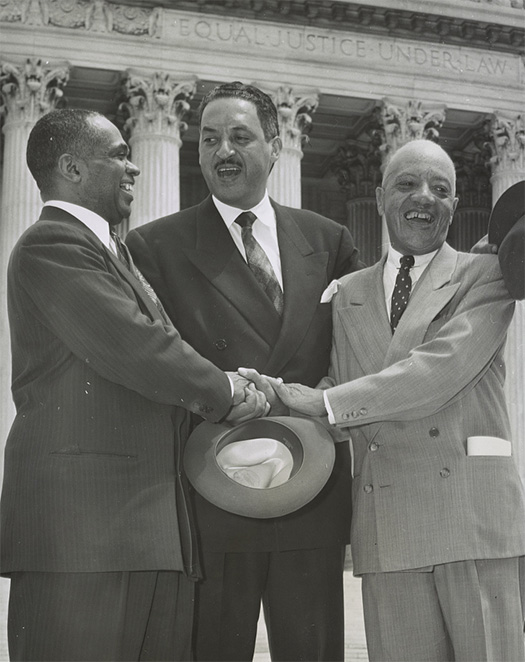 Photograph
Primary source
George Edward Chalmer Hayes, Thurgood Marshall, and James Nabrit in 1954 winning Brown case
1954
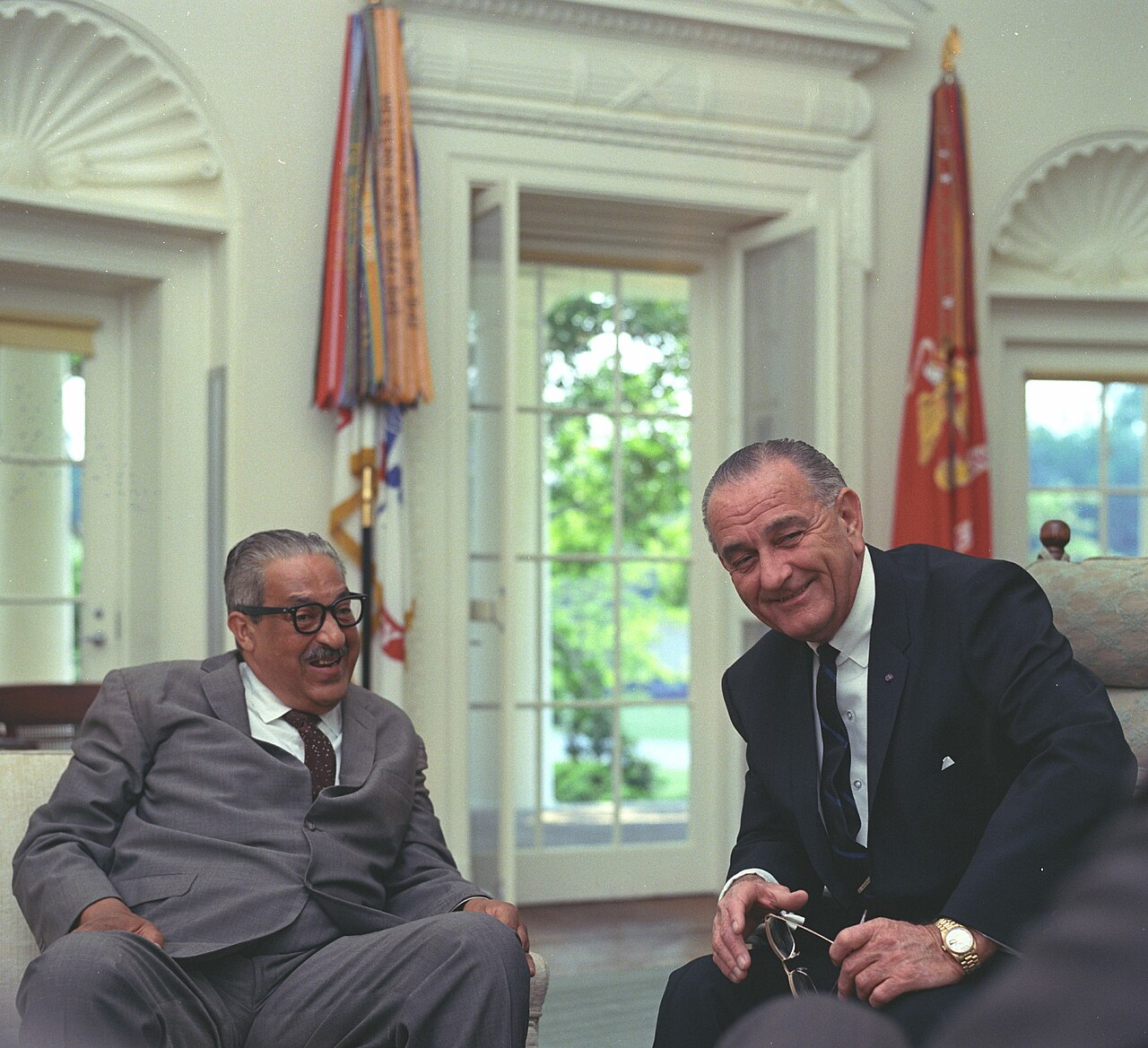 Photograph
Primary source
Thurgood Marshall and President Lyndon B. Johnson, June 13, 1967
Frank Wolfe · 13 June 1967
Primary source
Cooper v. Aaron
12 September 1958
Ready when you are
Start chatting with Thurgood Marshall now.
20 messages free · No credit card · Available in 50+ languages.