


Primary sourceArtifactc. 1135; consecrated 1208
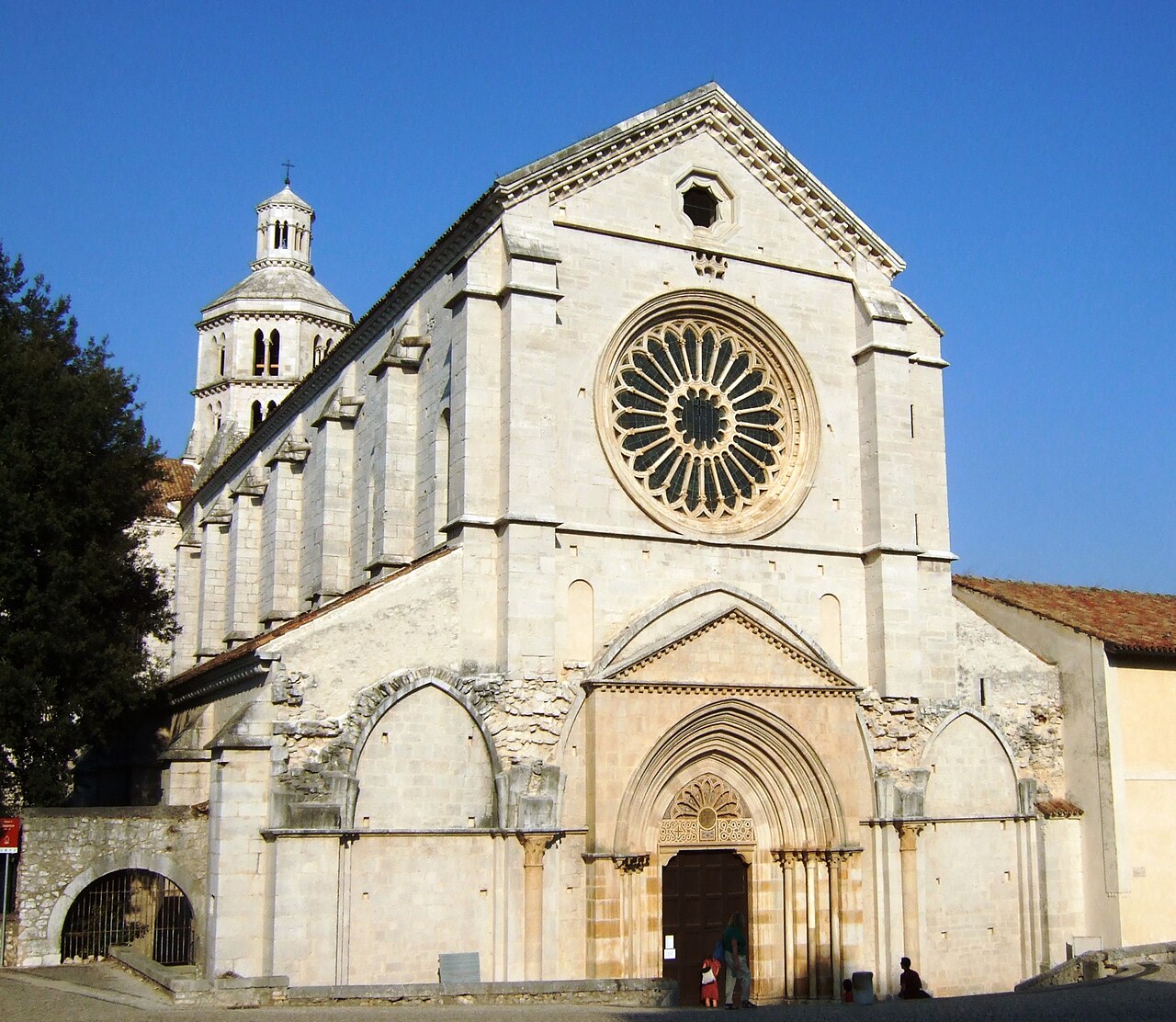
Fossanova Abbey
c. 1135; consecrated 1208
The Cistercian abbey near Priverno, Italy, where Thomas Aquinas died in 1274 while traveling to the Council of Lyon, and his first burial site.
Aquinas died at this abbey in 1274 while traveling to a Church council, and was first buried here.
About this source
What it is
Fossanova Abbey is a former Cistercian monastery near Priverno, Italy, dating to around 1135 and consecrated in 1208. It is a notable example of early Gothic architecture in Italy, with a cruciform plan, cloister, and a famous rose window.
Why it matters
Thomas Aquinas died at Fossanova on 7 March 1274 while traveling to the Second Council of Lyon, and the abbey was his first burial place. The abbey's long history, including royal land transfers and later papal involvement, shows how monastic institutions were woven into both religious and political life of the time, and the building itself connects directly to the final days of Aquinas's life.
Look closer
- Why might a traveling scholar like Aquinas have stopped at a monastery while on a long journey?
- What does the architecture of the abbey tell you about the religious culture Aquinas lived in?
- What is missing from a building like this about the actual ideas and writings of the man who died there?
This artifact is part of the curated material that grounds the AI version of Saint Thomas Aquinas on Humy.ai — when students ask about related events, the AI can quote it and cite it.
More Saint Thomas Aquinas sources
Meet the AI Saint Thomas Aquinas →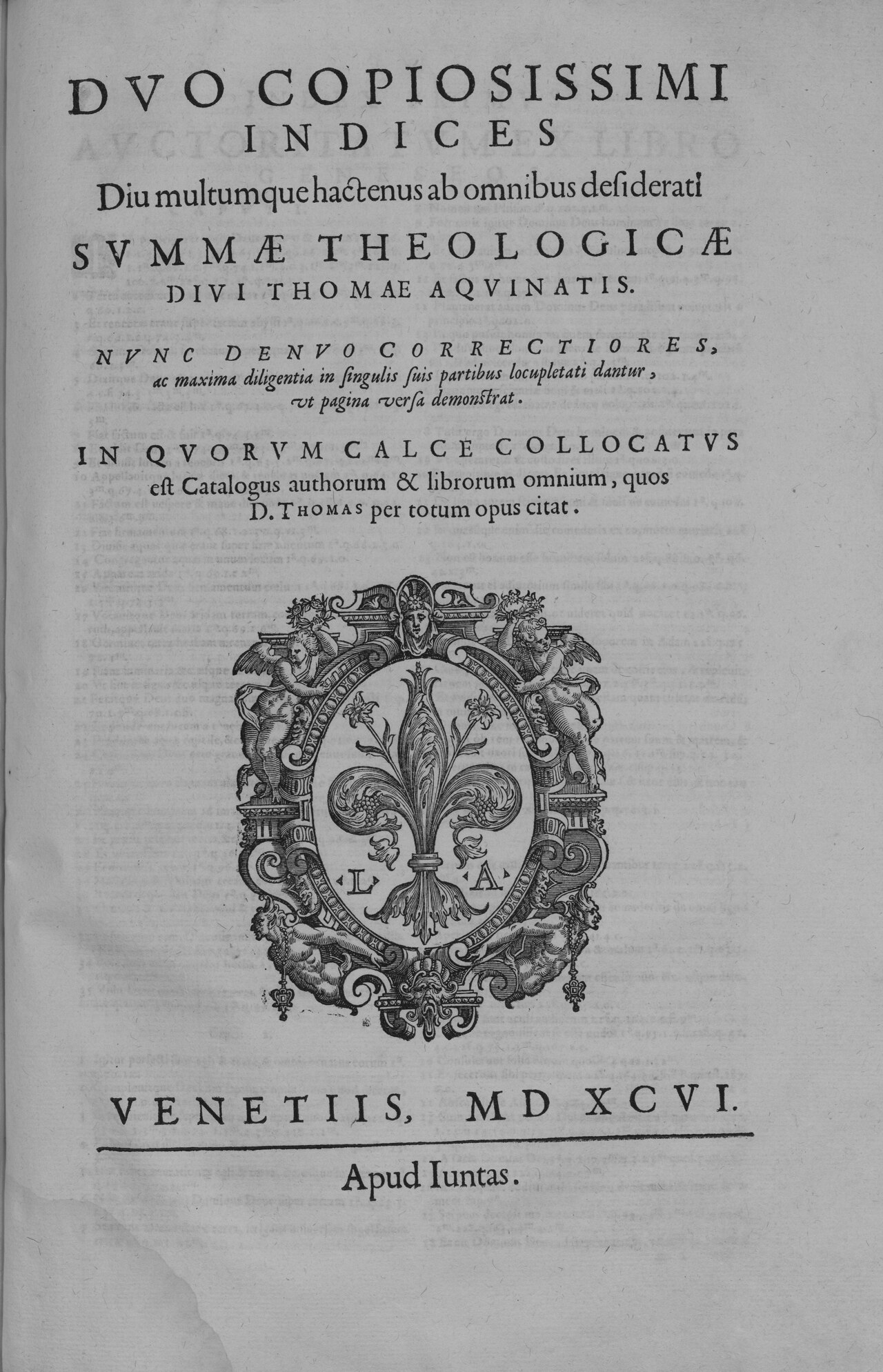 Book
Primary source
Summa Theologica
Thomas Aquinas · 1274
 Painting
Secondary source
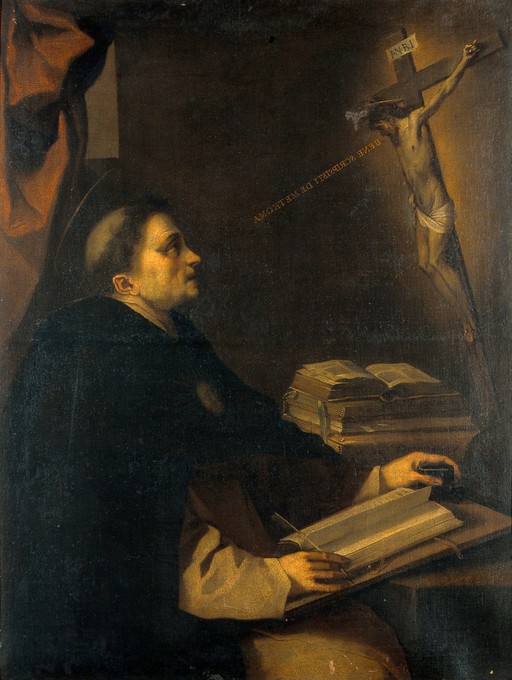
St Thomas Aquinas, 17th-century Italian oil painting
17th century
Primary source
Pange Lingua Gloriosi Corporis Mysterium
Thomas Aquinas · 1263
 Painting
Secondary source
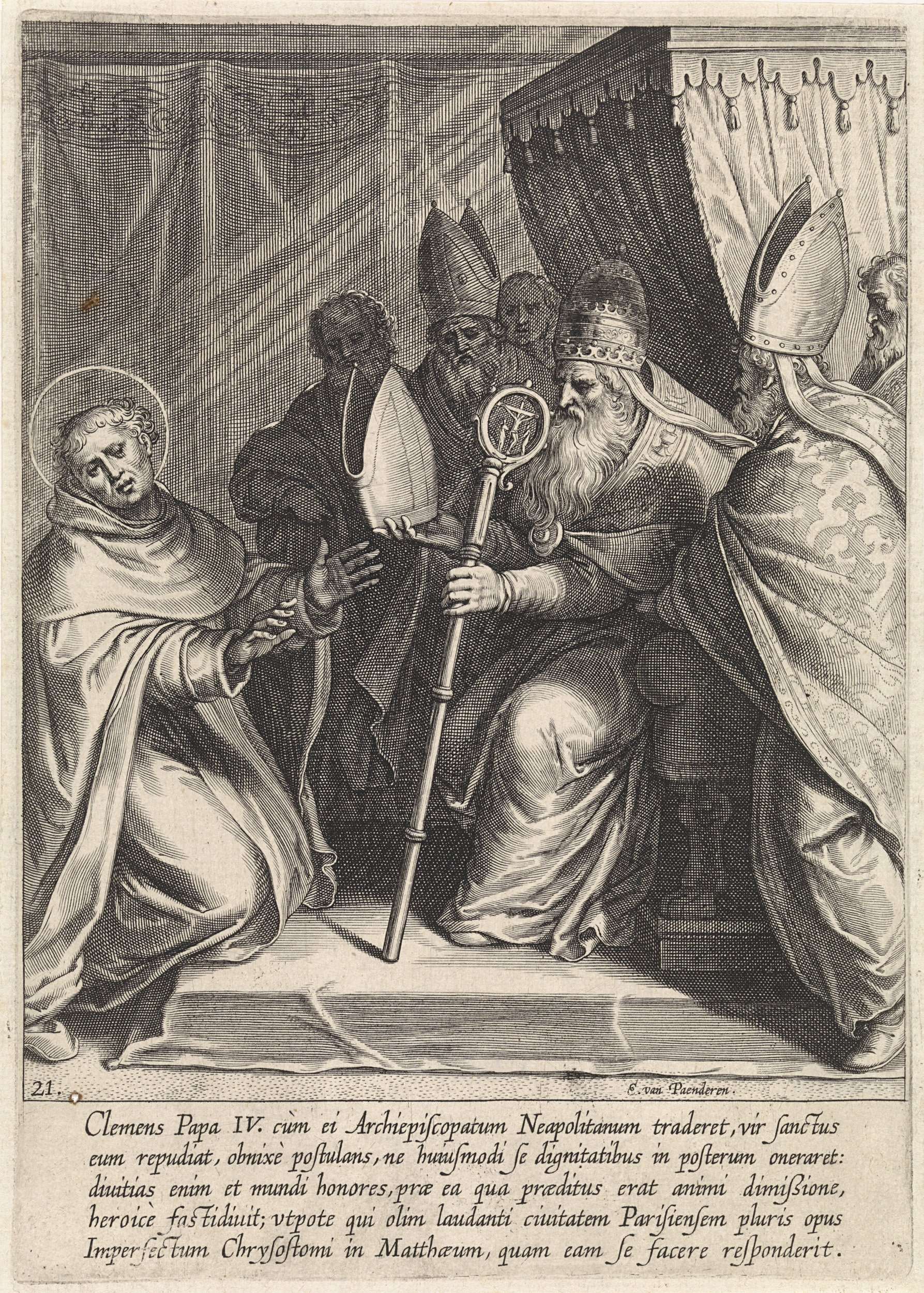
Thomas Aquinas Refuses the Archbishopric of Naples
1610
 Painting
Secondary source
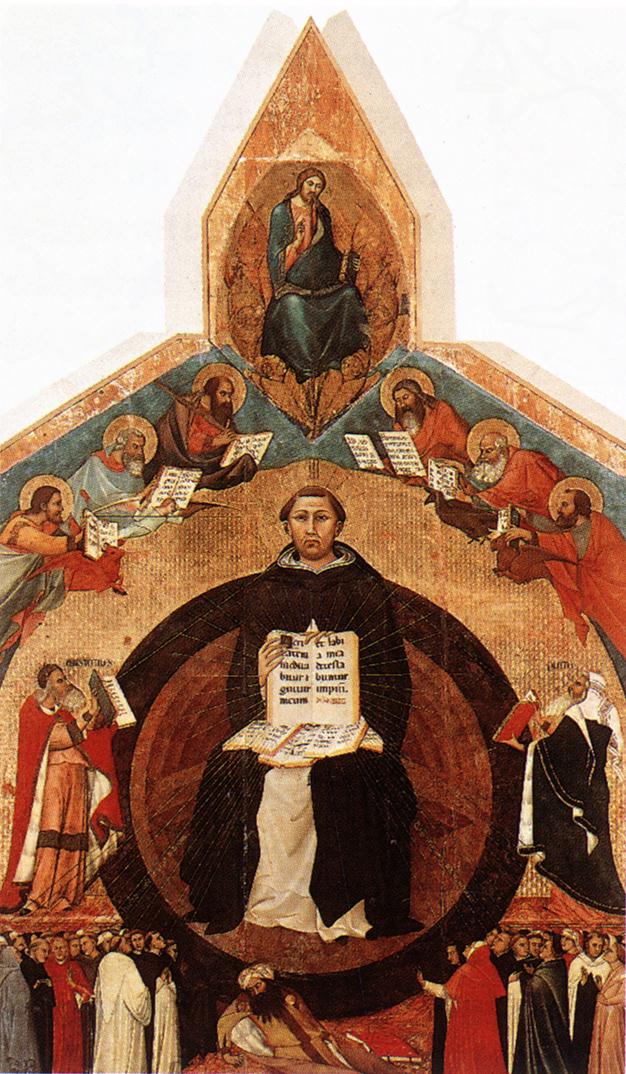
Triumph of Saint Thomas Aquinas
Lippo Memmi · 1340
Ready when you are
Start chatting with Saint Thomas Aquinas now.
20 messages free · No credit card · Available in 50+ languages.