


Secondary sourcePaintingc. 1791
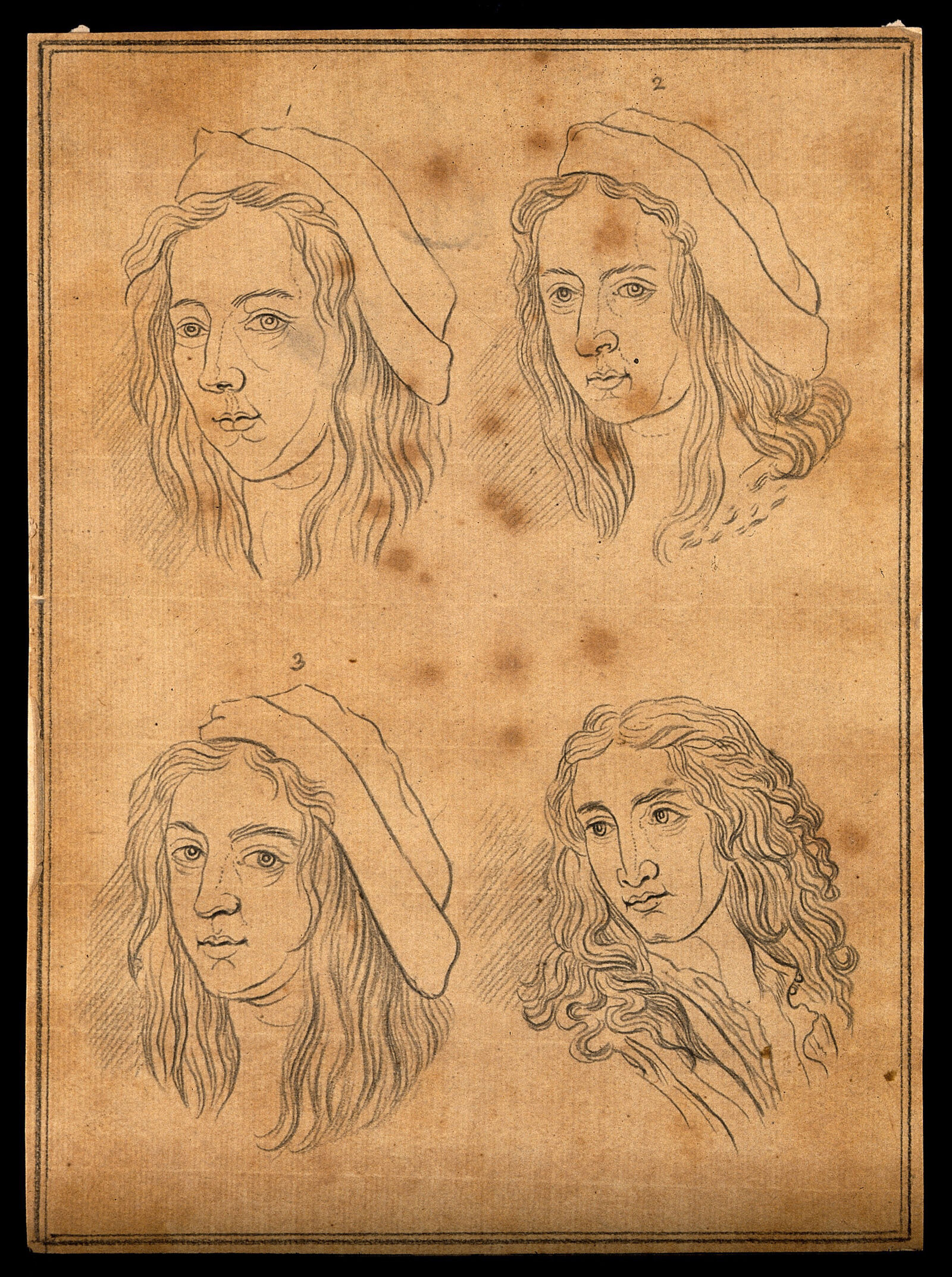
Four Copies of a Raphael Head for Lavater's Physiognomy Studies
Raphael · c. 1791
A sheet of four sketched copies of a head by Raphael, made around 1791 for Lavater's physiognomy essays, showing Raphael held up as a model of reflection.
Copies of a head by Raphael used in Lavater's physiognomy studies as an example of a reflective character.
About this source
What it is
This pencil drawing shows four numbered sketches, all copies of a single head originally painted or drawn by Raphael. It was made around 1791 in connection with Johann Kaspar Lavater's physiognomy project, and is now held by the Wellcome Collection in London.
Why it matters
Lavater used this head as an example of a face showing "reflection," part of his wider theory that character could be read from facial features. The repeated copies of the same head suggest Lavater was testing how different hands rendered the same face, or comparing how accurately copies captured the original. It shows Raphael's image being studied centuries later as evidence for a now-outdated theory, highlighting his lasting reputation as an artistic ideal.
Look closer
- Why do you think four copies of the same head were drawn side by side?
- What differences can you spot between the sketches, and what might explain them?
- What does Lavater's choice of a Raphael head suggest about his artistic authority at the time?
This painting is part of the curated material that grounds the AI version of Raphael on Humy.ai — when students ask about related events, the AI can quote it and cite it.
More Raphael sources
Meet the AI Raphael →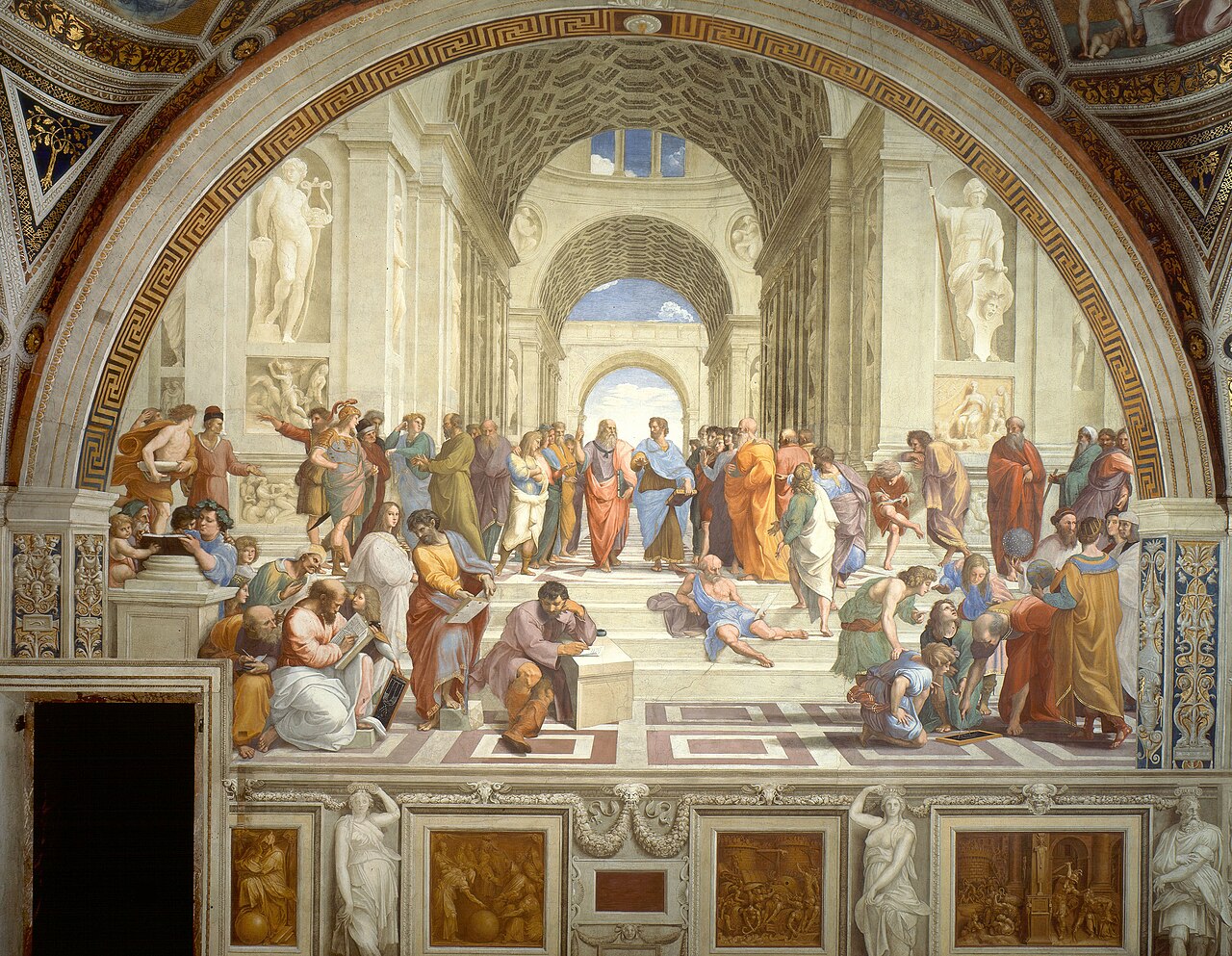 Painting
Secondary source
The School of Athens
Raphael · 1509-1511
 Painting
Secondary source
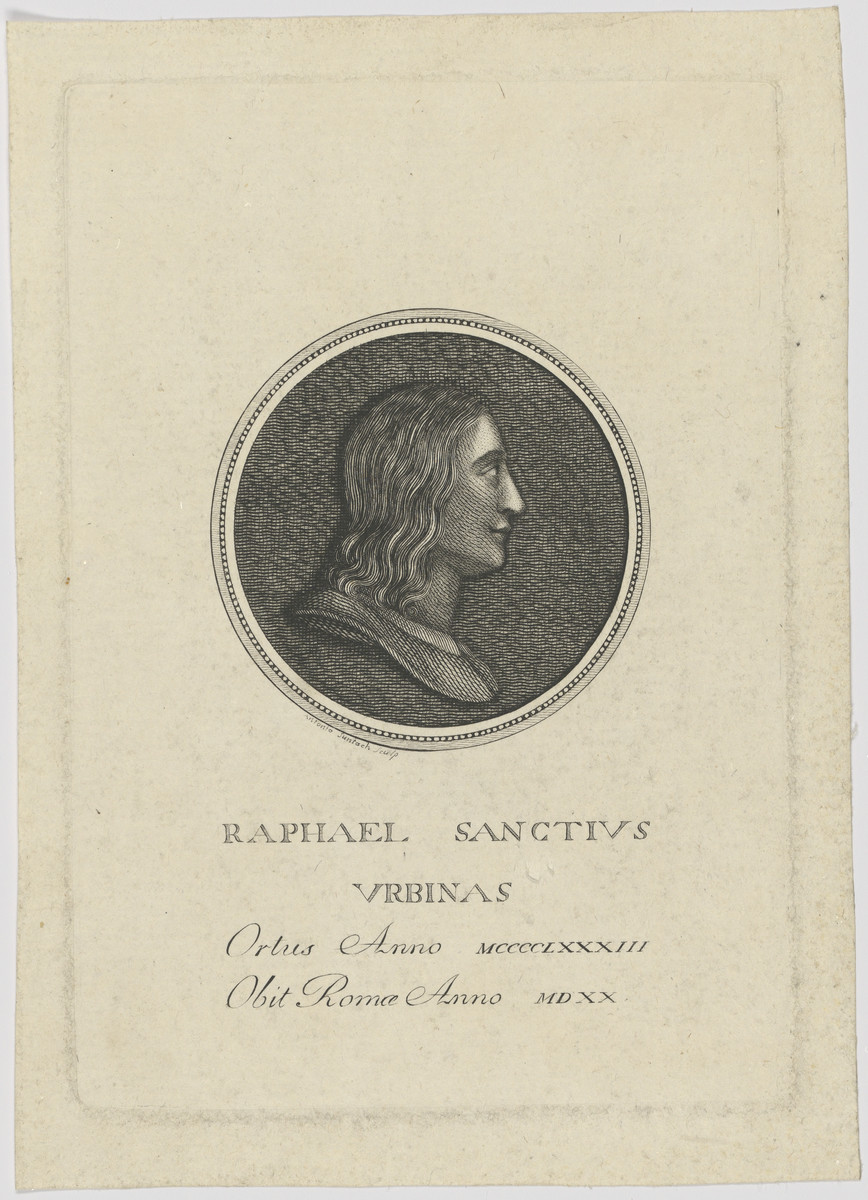
Portrait of Raphael Sanctive
Antonio Suntach
 Painting
Secondary source
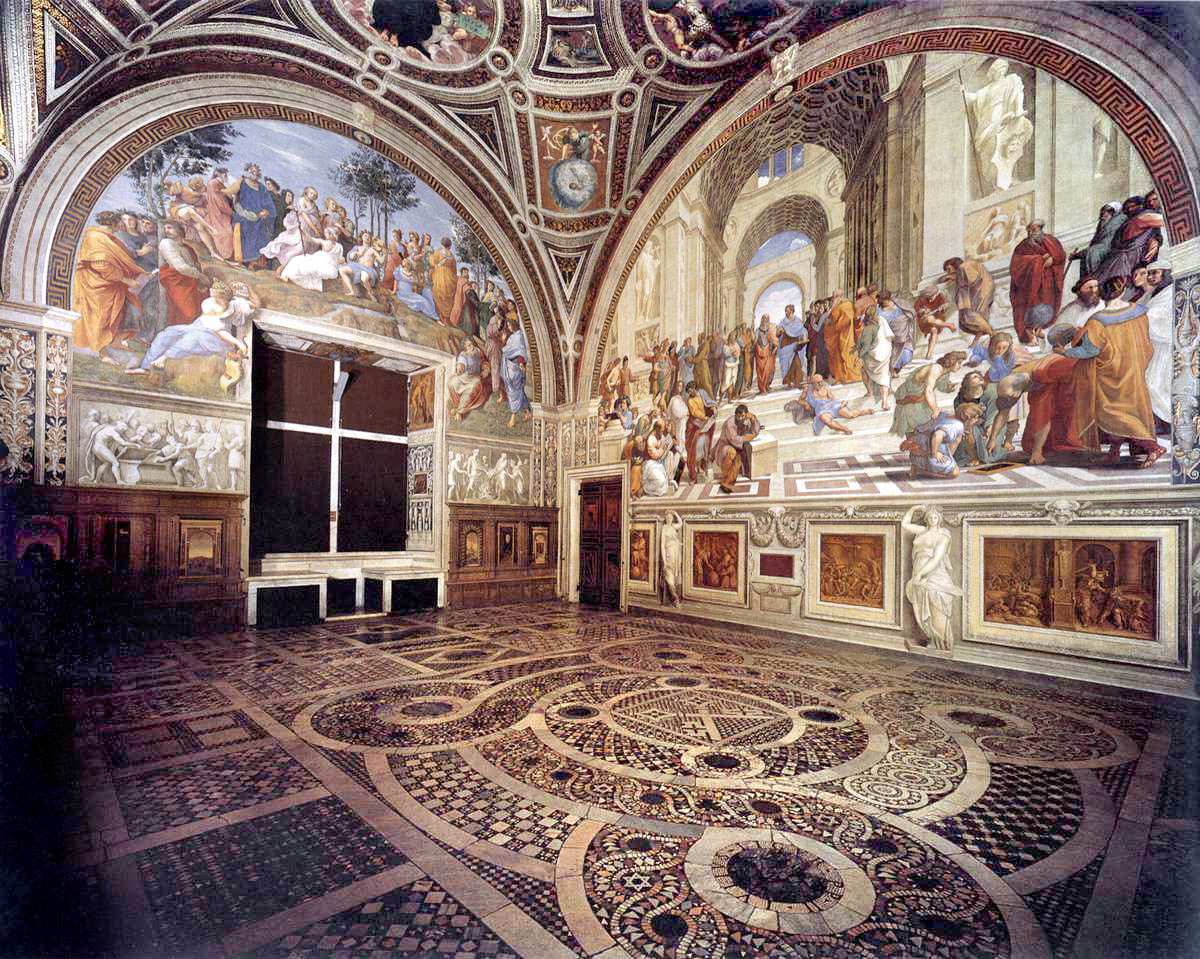
Raphael Rooms: Sala di Costantino
Raphael · 1508-1524
 Photograph
Secondary source
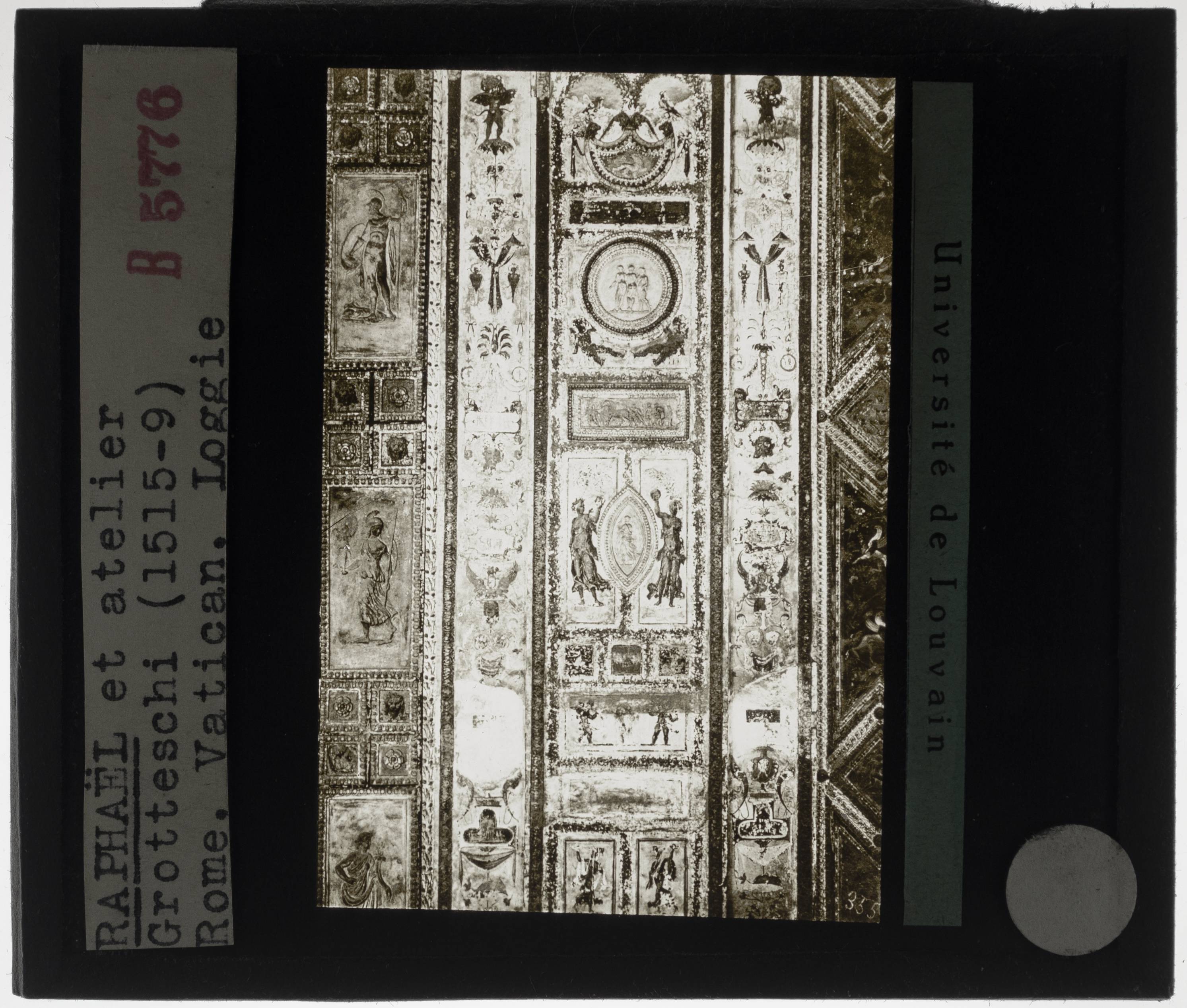
Glass Slide of Raphael's Grotesques in the Vatican
Raphael · 1518-1519 (fresco); slide made 1839-1939
 Painting
Primary source
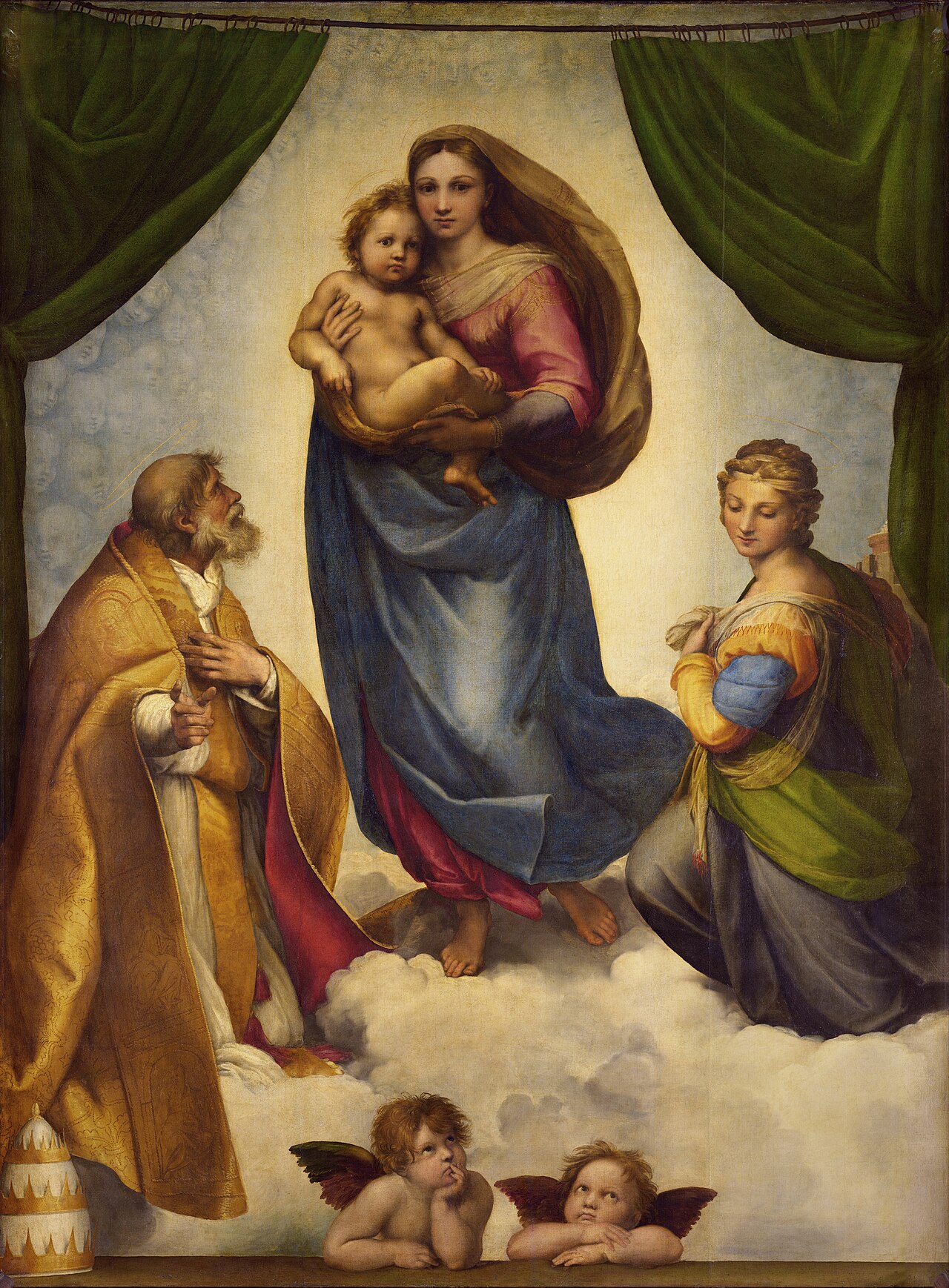
Sistine Madonna
Raphael · c. 1513-1514
Ready when you are
Start chatting with Raphael now.
20 messages free · No credit card · Available in 50+ languages.