


Primary sourcePainting1619
Four Native American Indians of New France
1619
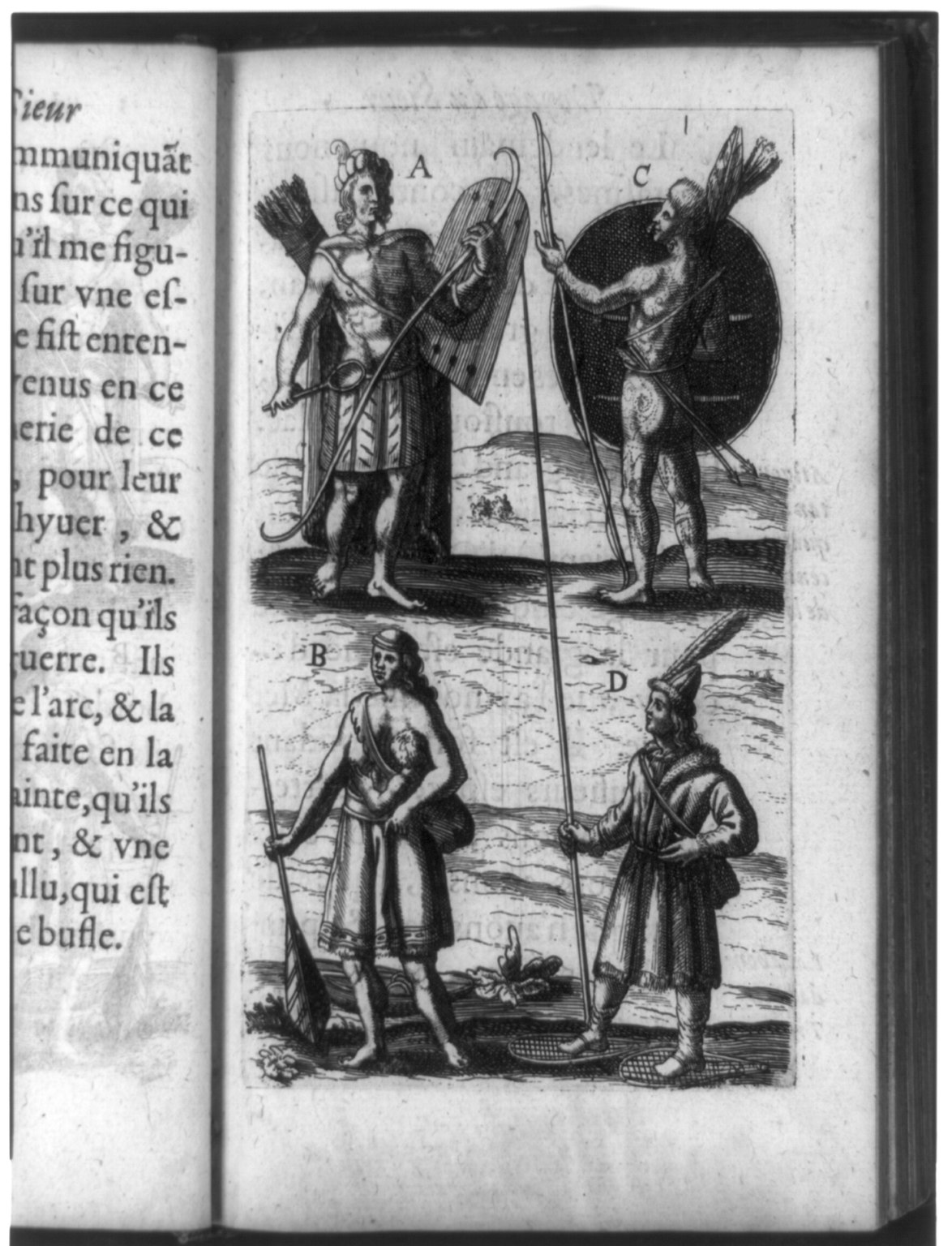
A 1619 engraving from Champlain's published voyages showing four Indigenous figures in war attire, a mother with a child, and winter dress.
This plate illustrated Champlain's own 1619 published description of Indigenous peoples he met in New France.
About this source
What it is
This wood engraving was printed in 1619 as part of Samuel de Champlain's published account of New France. It shows four labeled figures: two men in war attire with shields, bows, and arrows, a woman carrying a paddle and nursing a child, and a man dressed for winter wearing snowshoes.
Why it matters
Champlain's books combined written description with illustrations to show French readers the appearance, dress, and tools of the peoples he encountered. These images are valuable early European records, though shaped by the limits and biases of the observer and engraver.
Look closer
- What details about clothing and tools does this image highlight, and why might those details have interested European readers?
- What is missing from this picture that you would want to know about the people shown?
- Why do you think the figures are labeled with letters rather than named?
This painting is part of the curated material that grounds the AI version of Samuel de Champlain on Humy.ai — when students ask about related events, the AI can quote it and cite it.
More Samuel de Champlain sources
Meet the AI Samuel de Champlain → Book
Primary source
Les Voyages du sieur de Champlain
Samuel de Champlain · 1613
 Document
Primary source
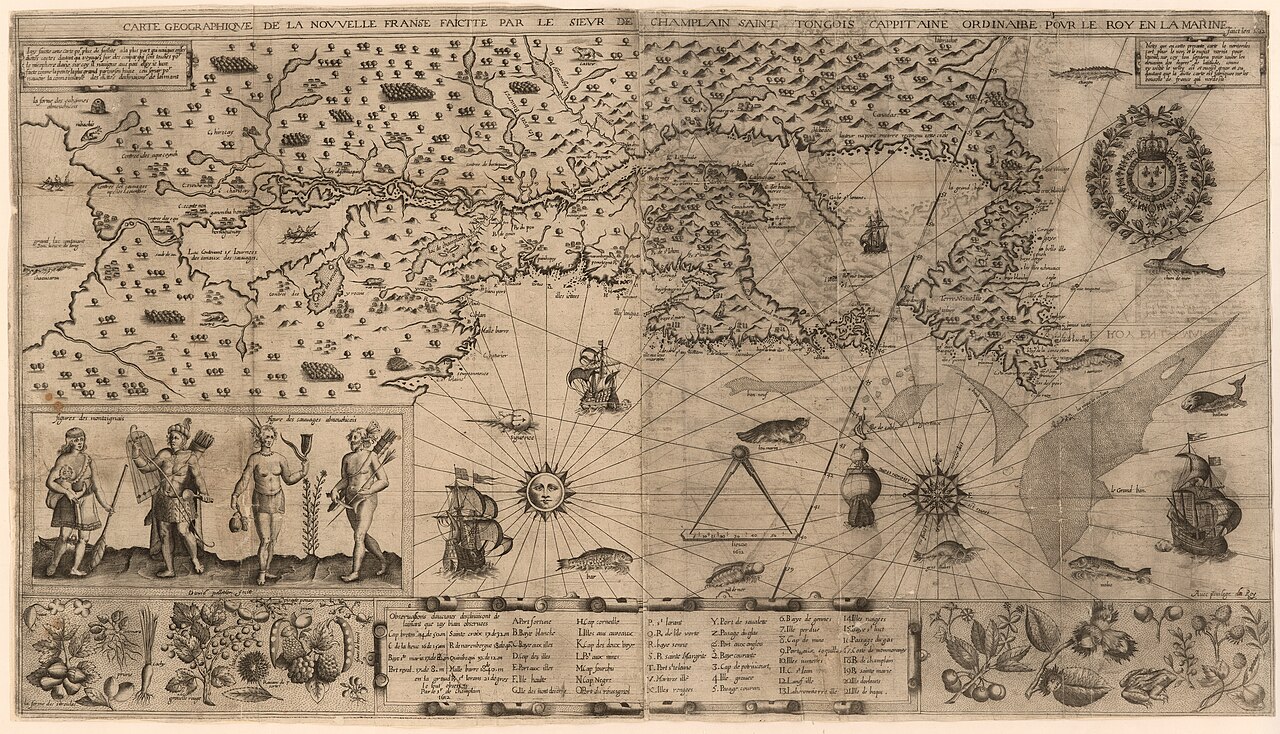
Carte geographique de la Nouvelle Franse
Samuel de Champlain · 1612
 Book
Primary source
Des Sauvages, ou voyage de Samuel Champlain
Samuel de Champlain · 1603
 Document
Primary source
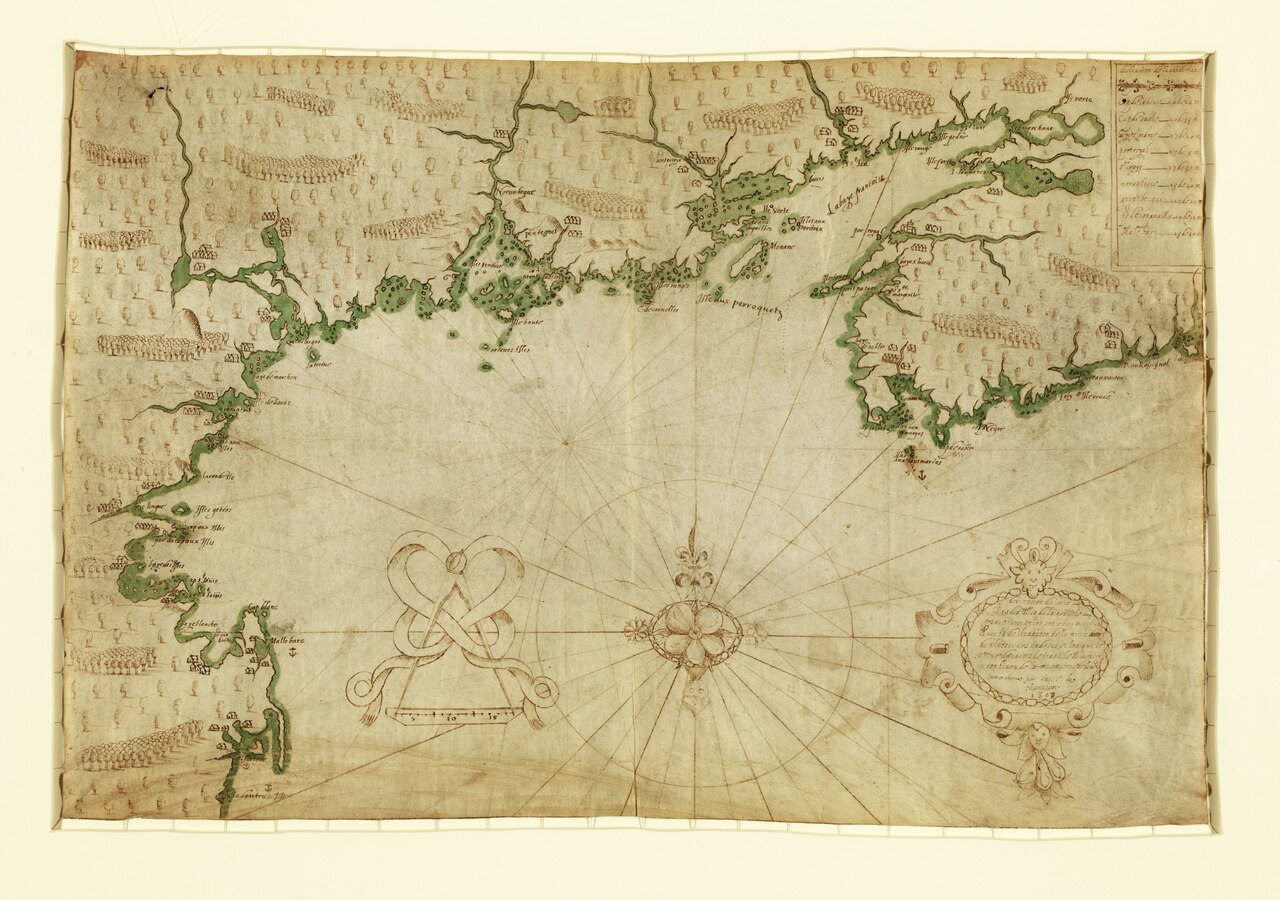
Descripsion des costs, pts., rades, Illes de la Nouuele France
Samuel de Champlain · 1607
 Document
Primary source
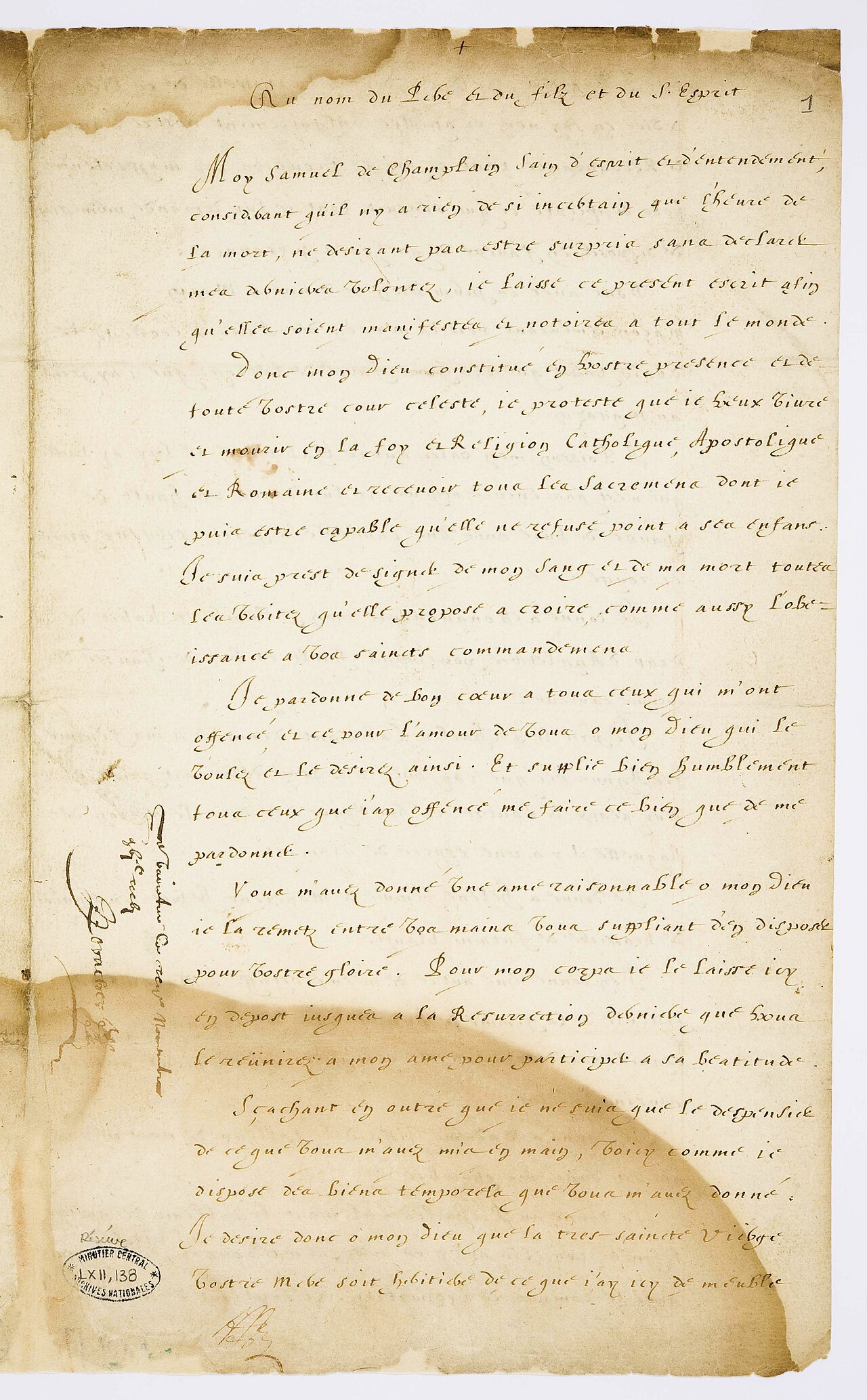
Testament de Samuel Champlain
Samuel de Champlain · 17 November 1635
Ready when you are
Start chatting with Samuel de Champlain now.
20 messages free · No credit card · Available in 50+ languages.