


Primary sourceSpeech3 December 1860
Fourth Annual Message to Congress
James Buchanan · 3 December 1860
Buchanan's final annual message to Congress, written as Southern states moved toward secession, arguing secession was illegal but the federal government lacked power to stop it.
Buchanan's own words explaining his response to secession, the defining document of his final months in office.
About this source
What it is
This is the text of President James Buchanan's fourth annual message to Congress, delivered on December 3, 1860. It is held by the U.S. National Archives.
Written by Buchanan himself, the speech addressed Congress as Southern states were threatening to leave the Union after Lincoln's election.
Why it matters
The message is central to understanding Buchanan's final months in office. In it, he argued that no state had a legal right to secede, but also claimed the federal government had no constitutional power to force a state to stay. This contradictory position left the crisis to his successor, Abraham Lincoln, and has shaped how historians judge Buchanan's leadership during the secession crisis.
Look closer
- Why might Buchanan have argued both that secession was illegal and that nothing could be done to stop it?
- What does this speech suggest about the limits of presidential power as Buchanan saw them?
- How might Southern and Northern readers have reacted differently to this message?
This speech is part of the curated material that grounds the AI version of James Buchanan on Humy.ai — when students ask about related events, the AI can quote it and cite it.
More James Buchanan sources
Meet the AI James Buchanan →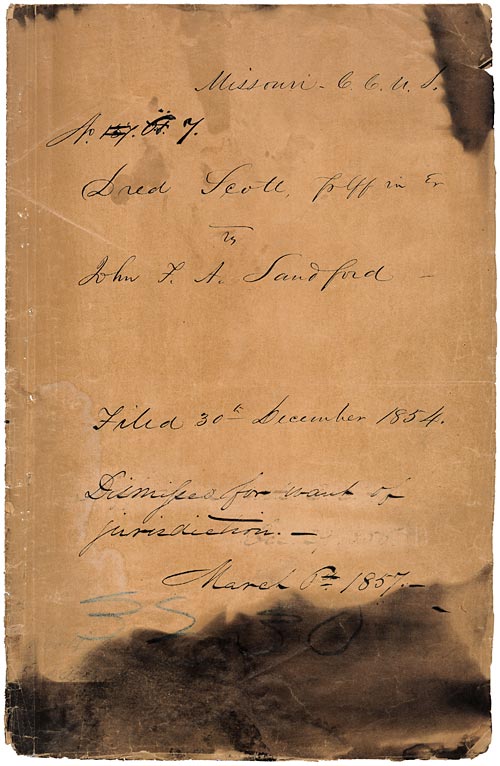 Document
Primary source
Dred Scott v. Sandford
Roger B. Taney · 6 March 1857
 Document
Primary source
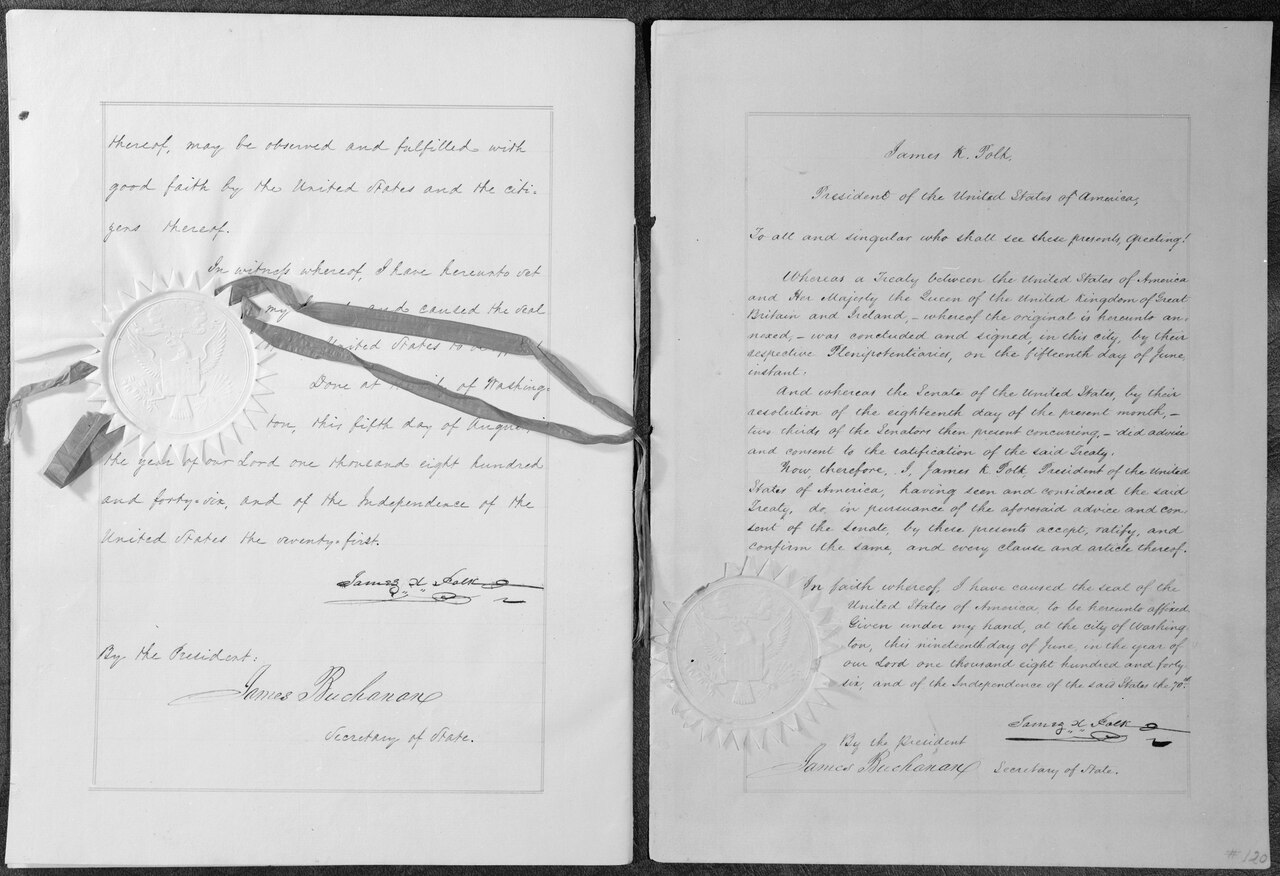
Oregon Treaty
15 June 1846
 Book
Primary source
Mr. Buchanan's Administration on the Eve of the Rebellion
James Buchanan · 1866
 Photograph
Primary source
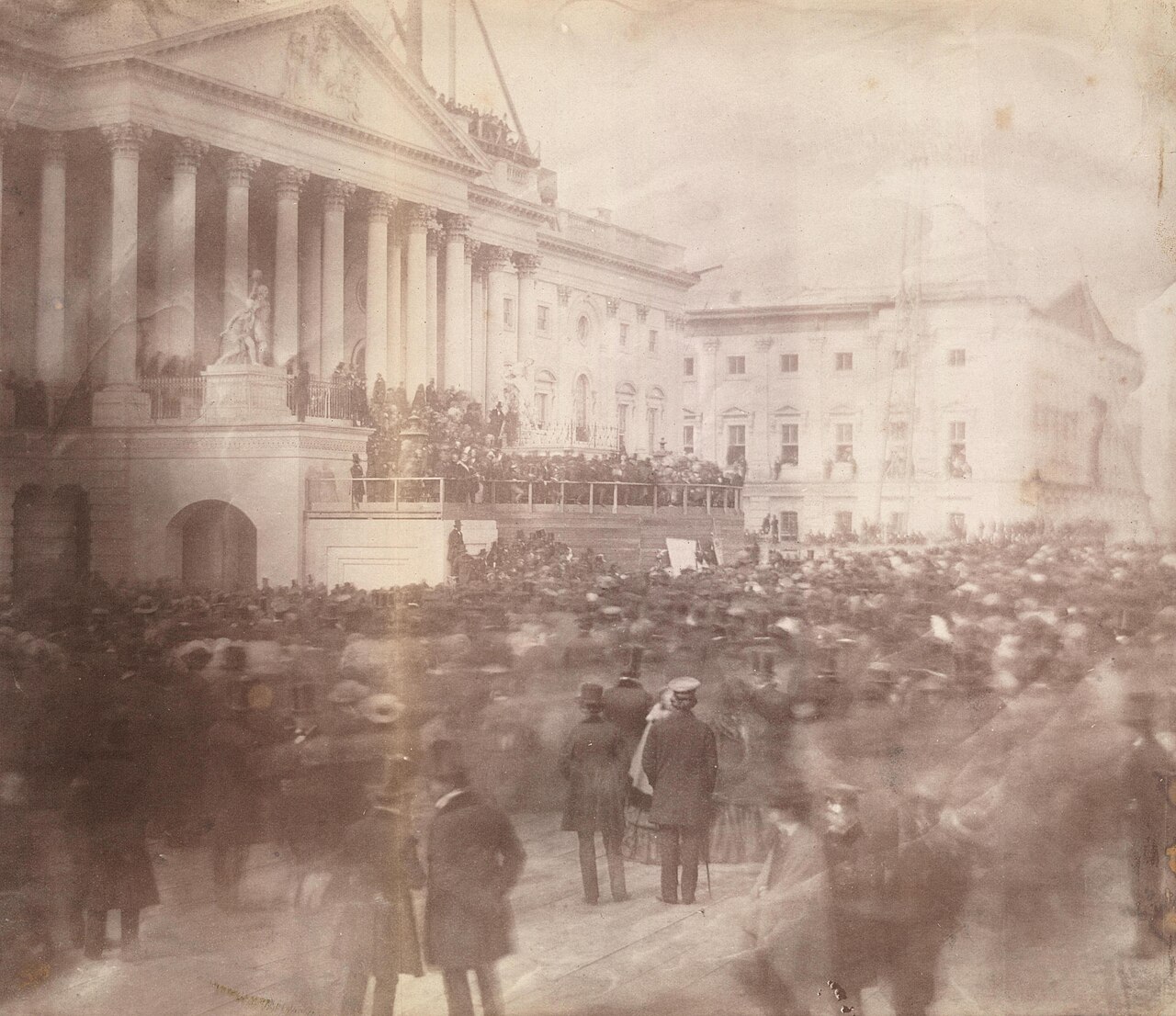
Inauguration of James Buchanan photograph
John Wood · 4 March 1857
 Photograph
Primary source
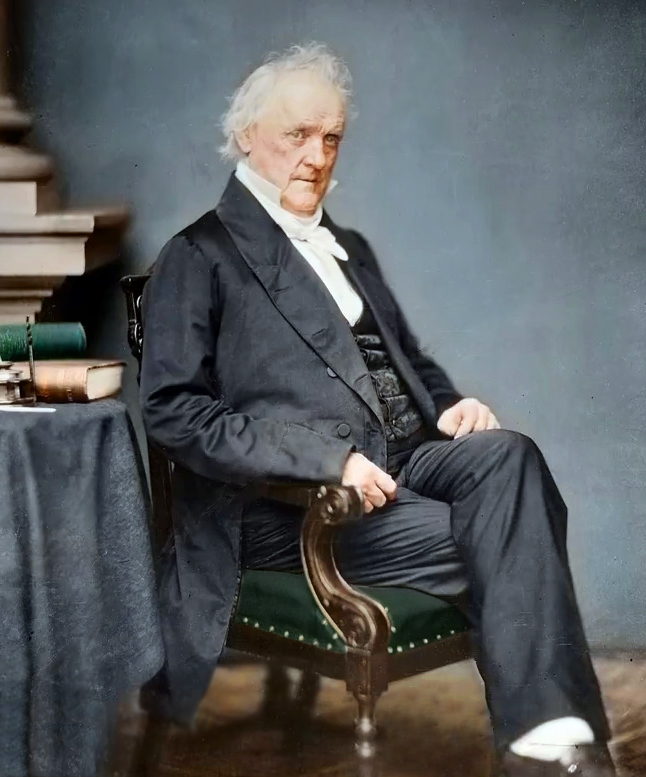
President James Buchanan (colorized)
Mathew Benjamin Brady
Ready when you are
Start chatting with James Buchanan now.
20 messages free · No credit card · Available in 50+ languages.