


Primary sourceDocument15 June 1846
Oregon Treaty
15 June 1846
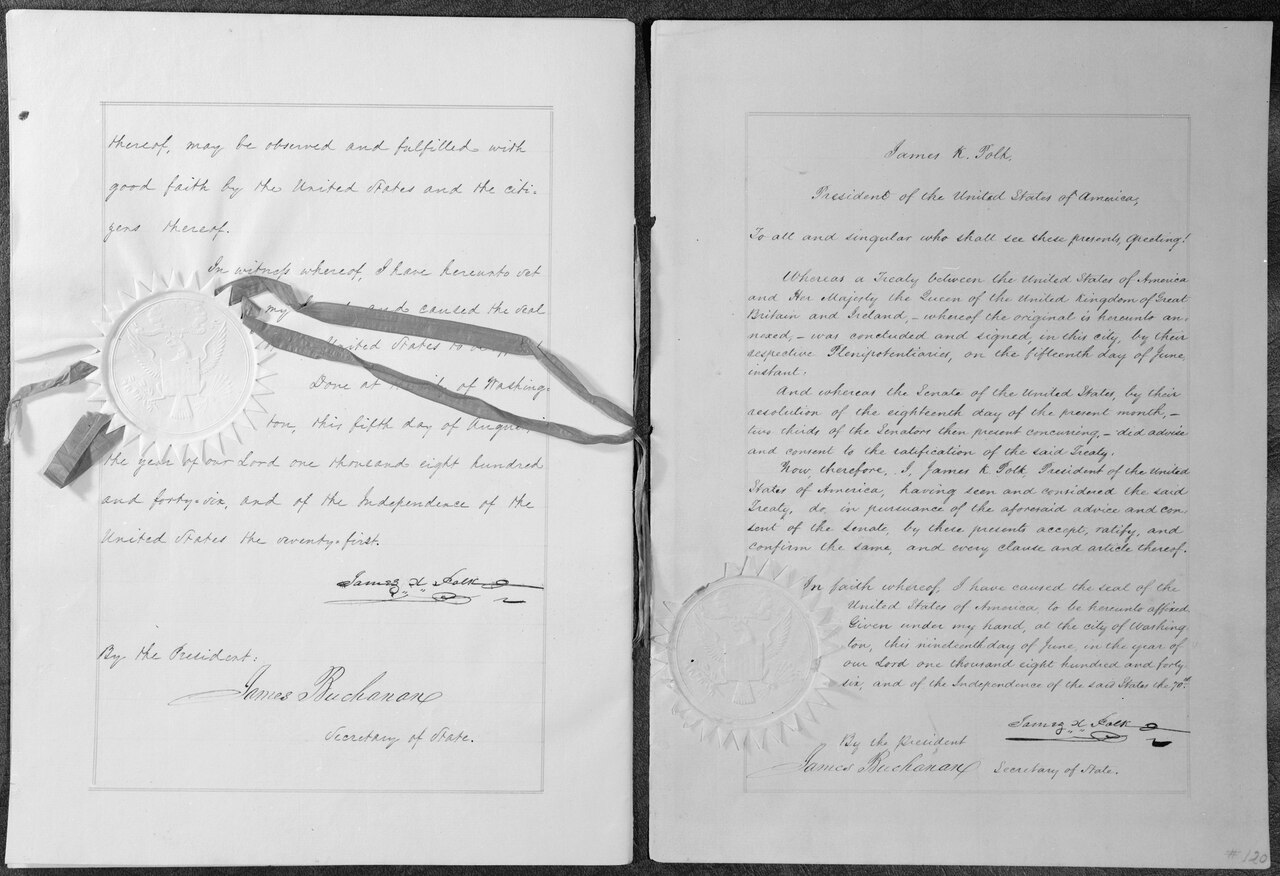
The 1846 treaty between the United States and Britain settling the Oregon boundary dispute at the 49th parallel, concluded during Polk's presidency.
Polk signed and proclaimed this treaty, settling the Oregon boundary and extending U.S. territory to the Pacific Northwest.
About this source
What it is
Signed on 15 June 1846 in Washington, D.C., this treaty ended the Oregon boundary dispute between the United States and Britain. It was negotiated by U.S. Secretary of State James Buchanan and British envoy Richard Pakenham, and signed and proclaimed by President James K. Polk.
Why it matters
The treaty divided the Oregon Country along the 49th parallel, settling a dispute that had threatened war. Polk's administration accepted this compromise, surprising expansionist hardliners in his own party who wanted the entire territory, partly to avoid fighting Britain and Mexico at the same time. The boundary it set still forms much of the Canada–U.S. border today.
Look closer
- Why might Polk have accepted a compromise boundary instead of pushing for the full 'All Oregon' claim?
- What does the Senate vote recommending negotiation tell you about divided opinion in Congress?
- What does the treaty's handling of Vancouver Island suggest about how borders were drawn without regard to geography?
This document is part of the curated material that grounds the AI version of James K. Polk and James Buchanan on Humy.ai — when students ask about related events, the AI can quote it and cite it.
More James K. Polk sources
Meet the AI James K. Polk → Diary entry
Primary source
Diary of James K. Polk
James K. Polk · 1845–1849
Primary source
Inaugural Address of James K. Polk
James K. Polk · 4 March 1845
Primary source
James K. Polk's First State of the Union Address
James K. Polk · 2 December 1845
 Document
Primary source
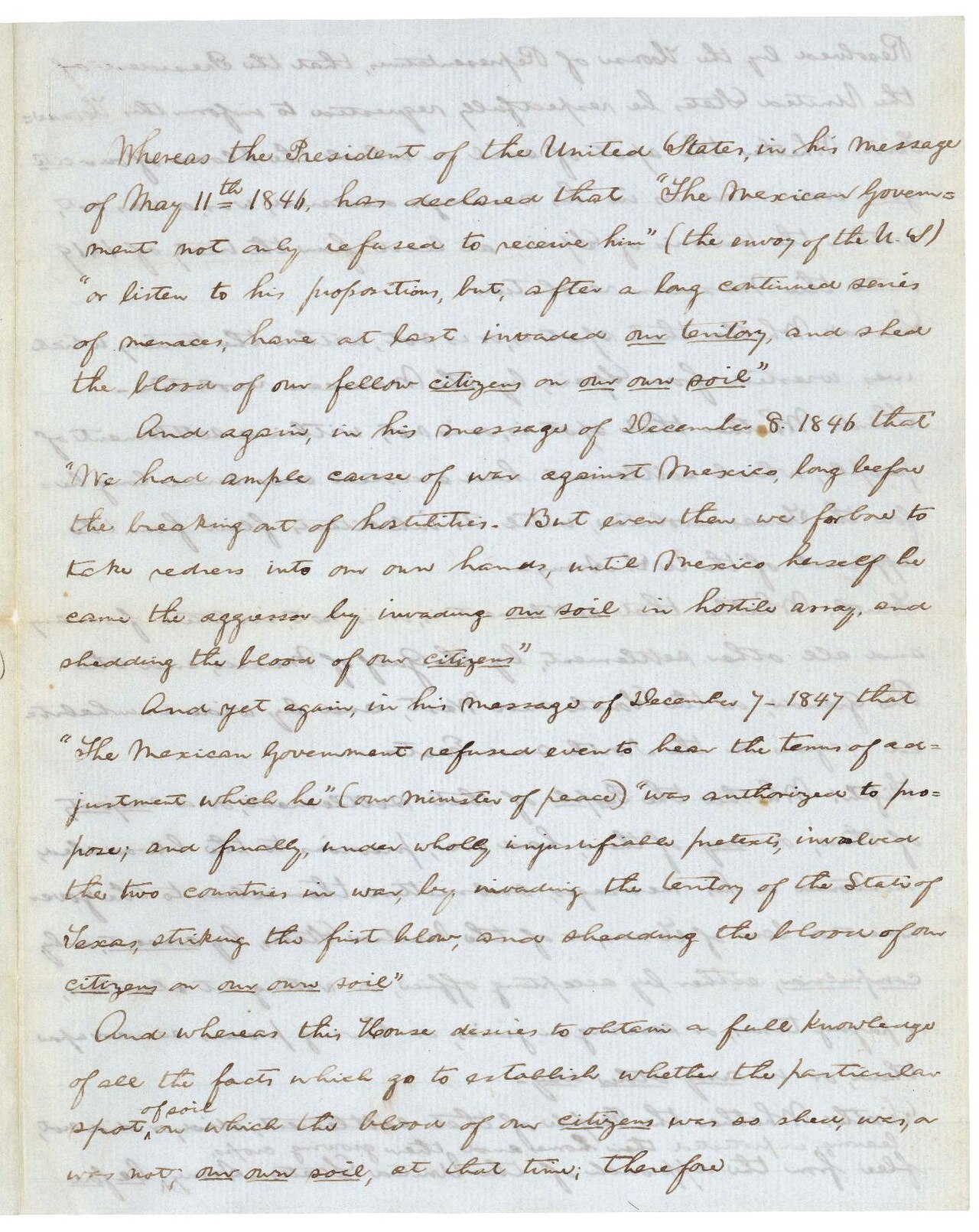
Spot Resolutions
Abraham Lincoln · 22 December 1847
 Photograph
Primary source
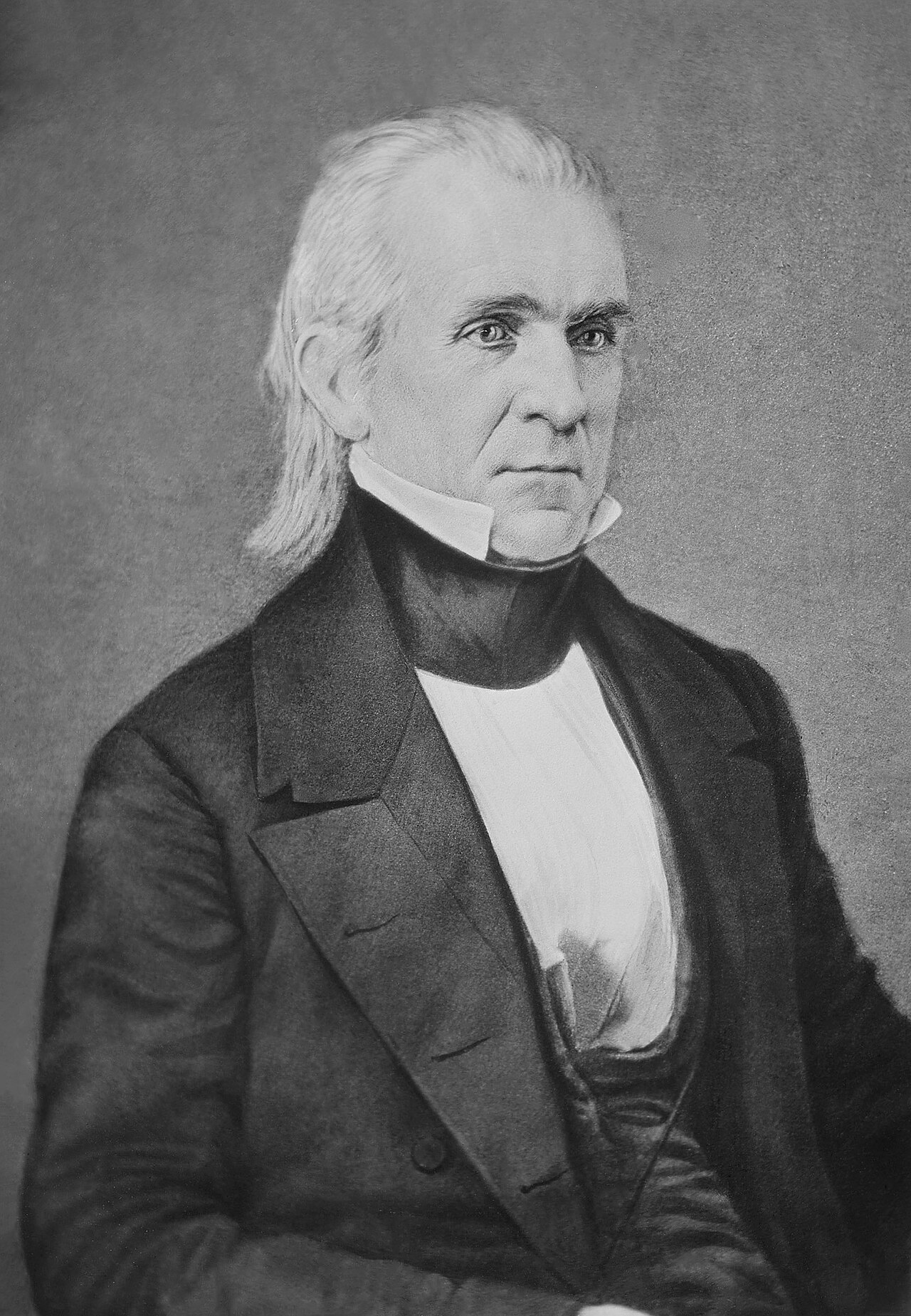
Daguerreotype Portrait of James K. Polk
Mathew Benjamin Brady · 1849
Ready when you are
Start chatting with James K. Polk now.
20 messages free · No credit card · Available in 50+ languages.