


Secondary sourceBook1895
Frederick Douglass
Paul Laurence Dunbar · 1895
A 1895 elegy by poet Paul Laurence Dunbar, written on the death of Frederick Douglass, mourning him as a champion of his race.
This elegy, written on Douglass's death, shows how a younger Black generation mourned and remembered him.
About this source
What it is
This poem was written by Paul Laurence Dunbar, a Black poet, in 1895 after the death of Frederick Douglass.
Why it matters
The poem mourns Douglass as a fearless voice who fought against oppression and gave hope to Black Americans during difficult years. Written by a younger generation of Black writers, it shows how Douglass's death was felt as a profound loss and how his legacy was already being shaped into that of a heroic, almost mythic defender of his people. It offers insight into how contemporaries understood Douglass's role and importance immediately after he died.
Look closer
- What images does Dunbar use to describe Douglass's strength and voice?
- Why might Dunbar personify the Black community as a grieving mother?
- What does this poem tell us about Douglass's reputation among Black Americans at the time of his death?
This book is part of the curated material that grounds the AI version of Frederick Douglass on Humy.ai — when students ask about related events, the AI can quote it and cite it.
More Frederick Douglass sources
Meet the AI Frederick Douglass →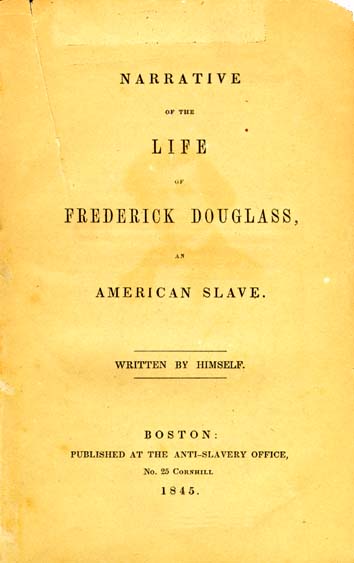 Book
Primary source
Narrative of the Life of Frederick Douglass, an American Slave
Frederick Douglass · 1845
Primary source
What to the Slave Is the Fourth of July?
Frederick Douglass · 5 July 1852
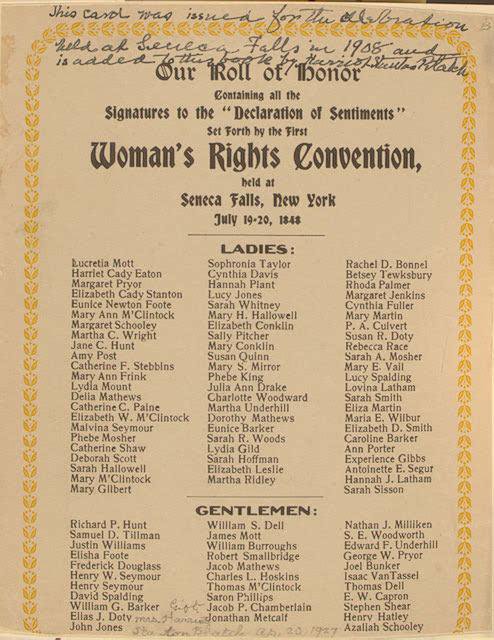 Document
Primary source
Declaration of Sentiments
Elizabeth Cady Stanton · 1848
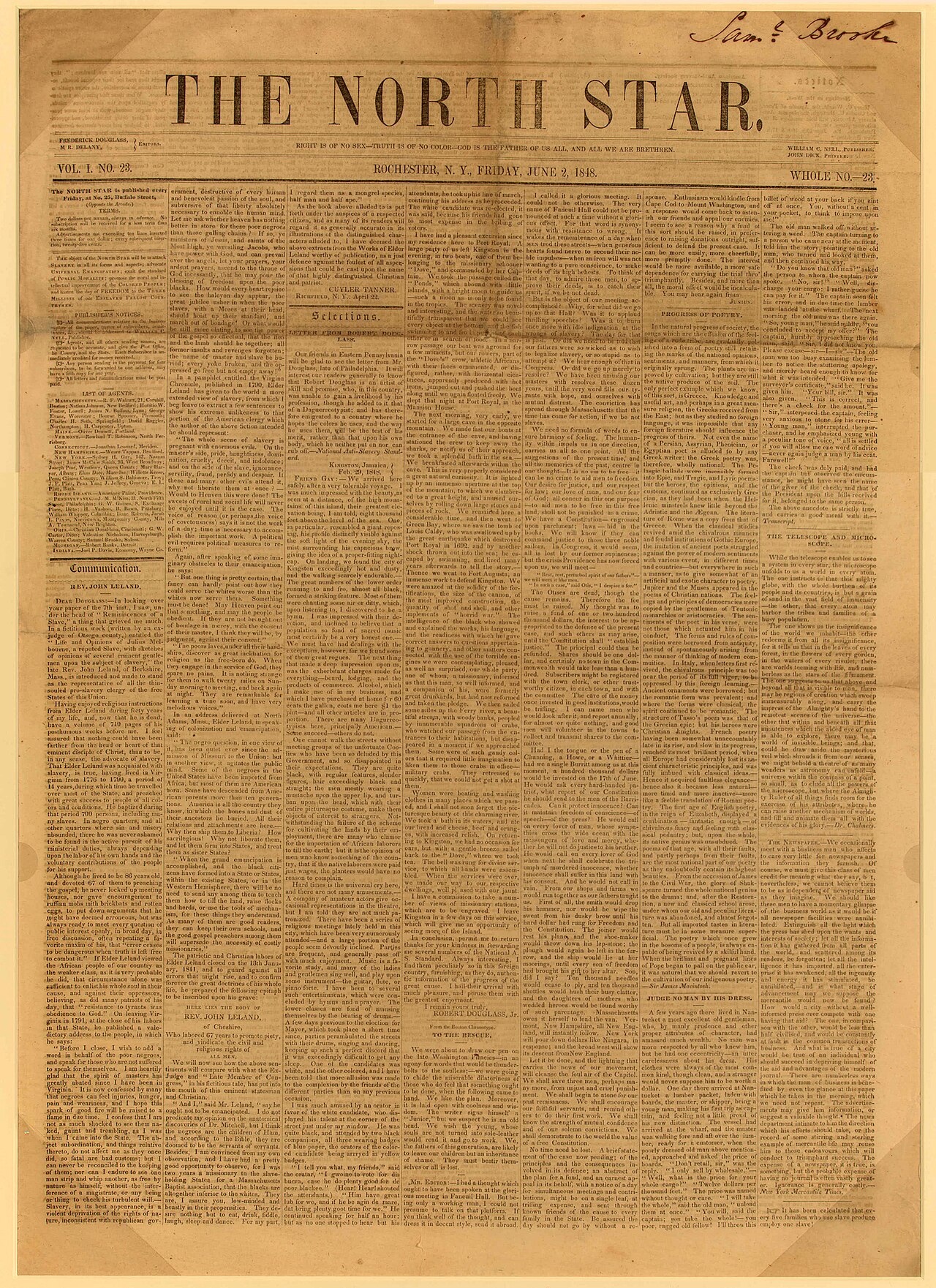 Newspaper article
Primary source
The North Star
Frederick Douglass · 1847
Primary source
My Bondage and My Freedom
Frederick Douglass · 1855
Ready when you are
Start chatting with Frederick Douglass now.
20 messages free · No credit card · Available in 50+ languages.