


Primary sourceDocument1972
Furman v. Georgia
Thurgood Marshall · 1972
The 1972 Supreme Court decision striking down arbitrary death sentences, which included Justice Thurgood Marshall's concurrence against capital punishment.
As Associate Justice, Marshall wrote a concurrence in this case arguing that the death penalty was unconstitutional.
About this source
What it is
Furman v. Georgia was a 1972 Supreme Court decision, issued per curiam with each of the five majority justices writing separately, including Associate Justice Thurgood Marshall.
Why it matters
The Court ruled that arbitrary and inconsistent use of the death penalty violated the Eighth and Fourteenth Amendments, invalidating hundreds of death sentences and triggering a nationwide pause in executions. In his lengthy concurrence, Marshall argued that the death penalty itself was cruel and unusual and that an informed public would reject it, a view known as the 'Marshall hypothesis.'
Look closer
- Why did the justices who agreed on the outcome still write separate opinions instead of one shared opinion?
- What does Marshall's argument about an 'informed public' suggest about his view of how democracy and justice should work together?
- How might this decision have looked different if even one justice had voted the other way?
This document is part of the curated material that grounds the AI version of Thurgood Marshall on Humy.ai — when students ask about related events, the AI can quote it and cite it.
More Thurgood Marshall sources
Meet the AI Thurgood Marshall →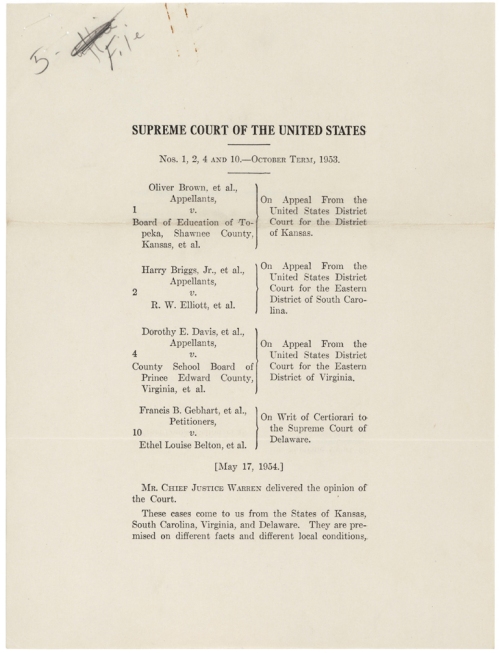 Document
Primary source
Brown v. Board of Education
Earl Warren · 17 May 1954
 Painting
Primary source
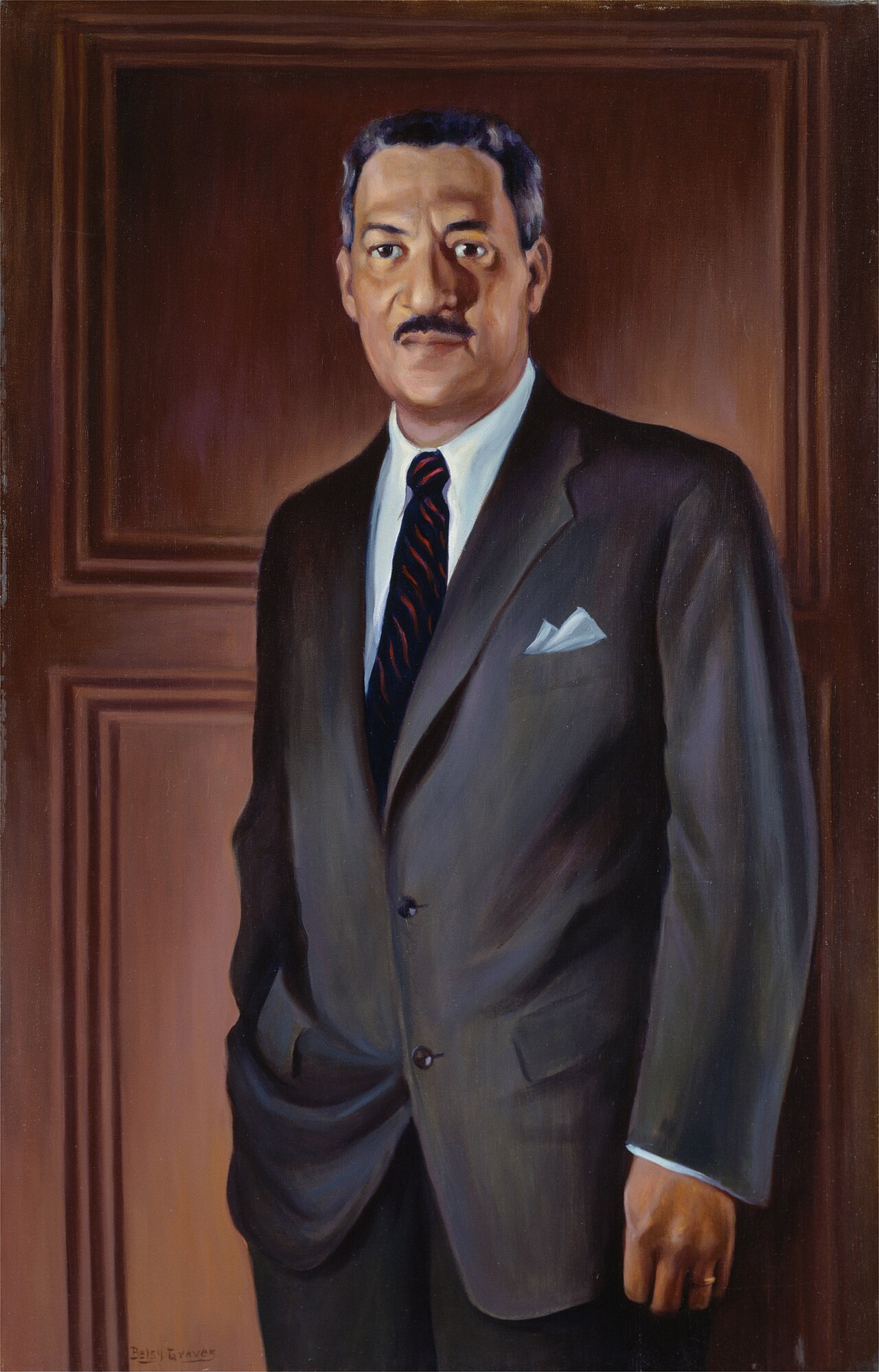
Thurgood Marshall
Betsy Graves Reyneau · 1956
 Photograph
Primary source
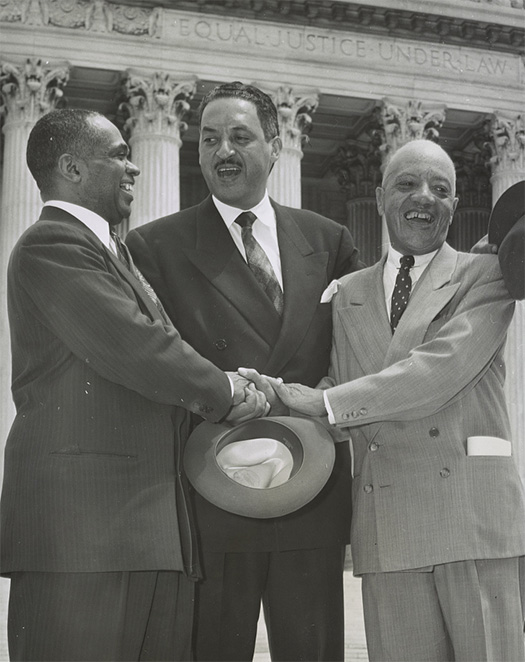
George Edward Chalmer Hayes, Thurgood Marshall, and James Nabrit in 1954 winning Brown case
1954
 Photograph
Primary source
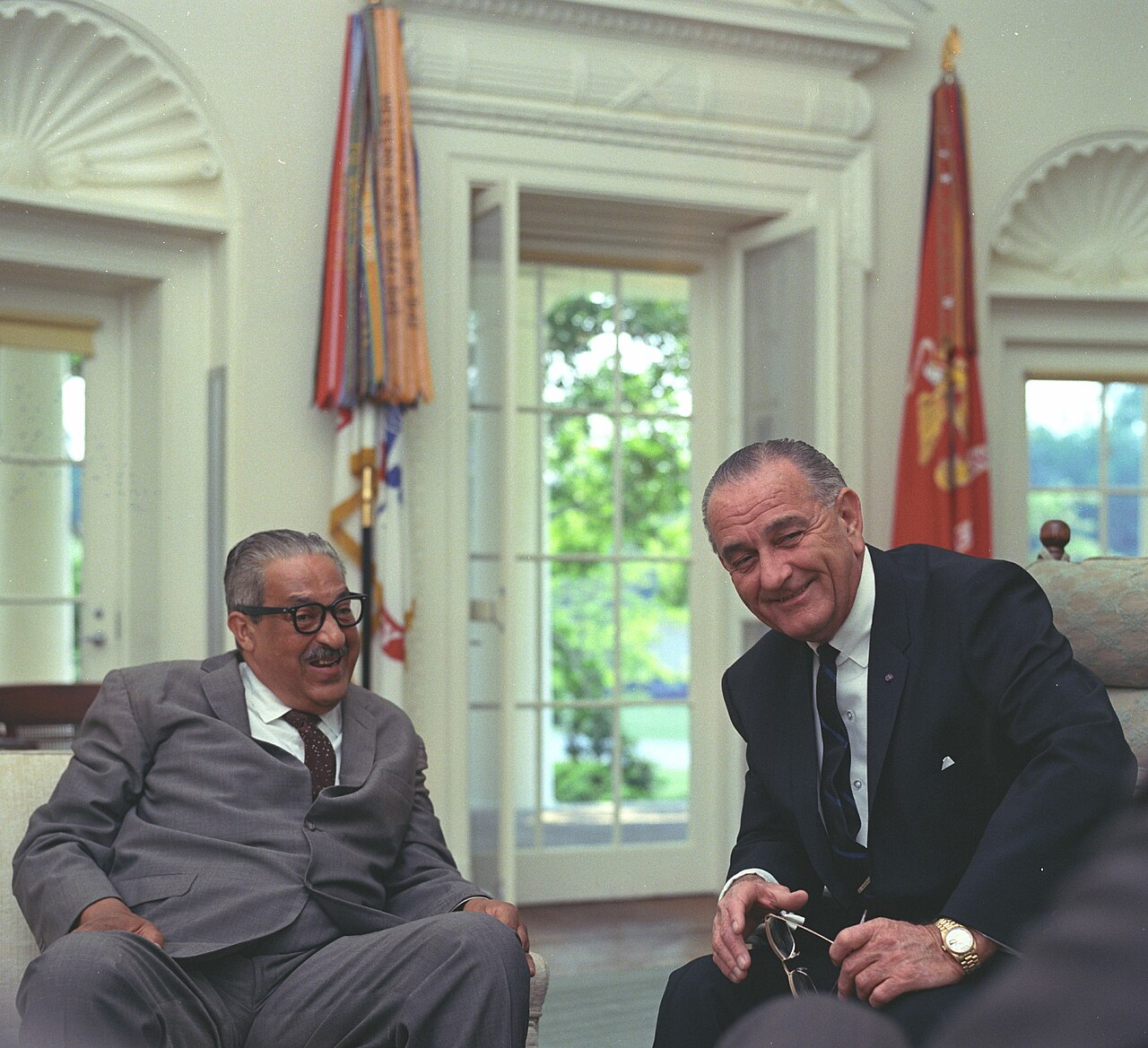
Thurgood Marshall and President Lyndon B. Johnson, June 13, 1967
Frank Wolfe · 13 June 1967
Primary source
Cooper v. Aaron
12 September 1958
Ready when you are
Start chatting with Thurgood Marshall now.
20 messages free · No credit card · Available in 50+ languages.