


Primary sourceDocument1972
Furman v. Georgia Concurrence
Thurgood Marshall · 1972
Thurgood Marshall's 1972 concurring opinion arguing that the death penalty is unconstitutional.
Marshall's own written concurrence arguing that the death penalty is unconstitutional, a landmark statement of his judicial views.
About this source
What it is
This is the concurring opinion written by Justice Thurgood Marshall in the 1972 Supreme Court case Furman v. Georgia. The case considered whether the death penalty, as applied in several cases including murder and rape convictions, violated the Eighth Amendment's ban on cruel and unusual punishment.
Why it matters
Marshall's opinion is one of the most forceful statements of his view that capital punishment itself is unconstitutional, not just how it was carried out. The opinion reveals his broader judicial philosophy of protecting individual rights, even for people convicted of violent crimes, and remains a touchstone in debates over the death penalty.
Look closer
- How does Marshall acknowledge the severity of the crimes before making his legal argument?
- Why might a justice separate the question of punishment from the question of guilt?
- What does this opinion tell you about how judges balance public anger with constitutional principles?
This document is part of the curated material that grounds the AI version of Thurgood Marshall on Humy.ai — when students ask about related events, the AI can quote it and cite it.
More Thurgood Marshall sources
Meet the AI Thurgood Marshall →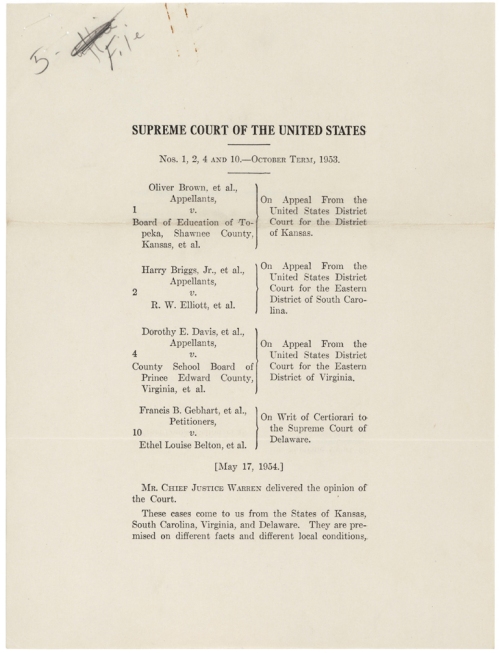 Document
Primary source
Brown v. Board of Education
Earl Warren · 17 May 1954
 Painting
Primary source
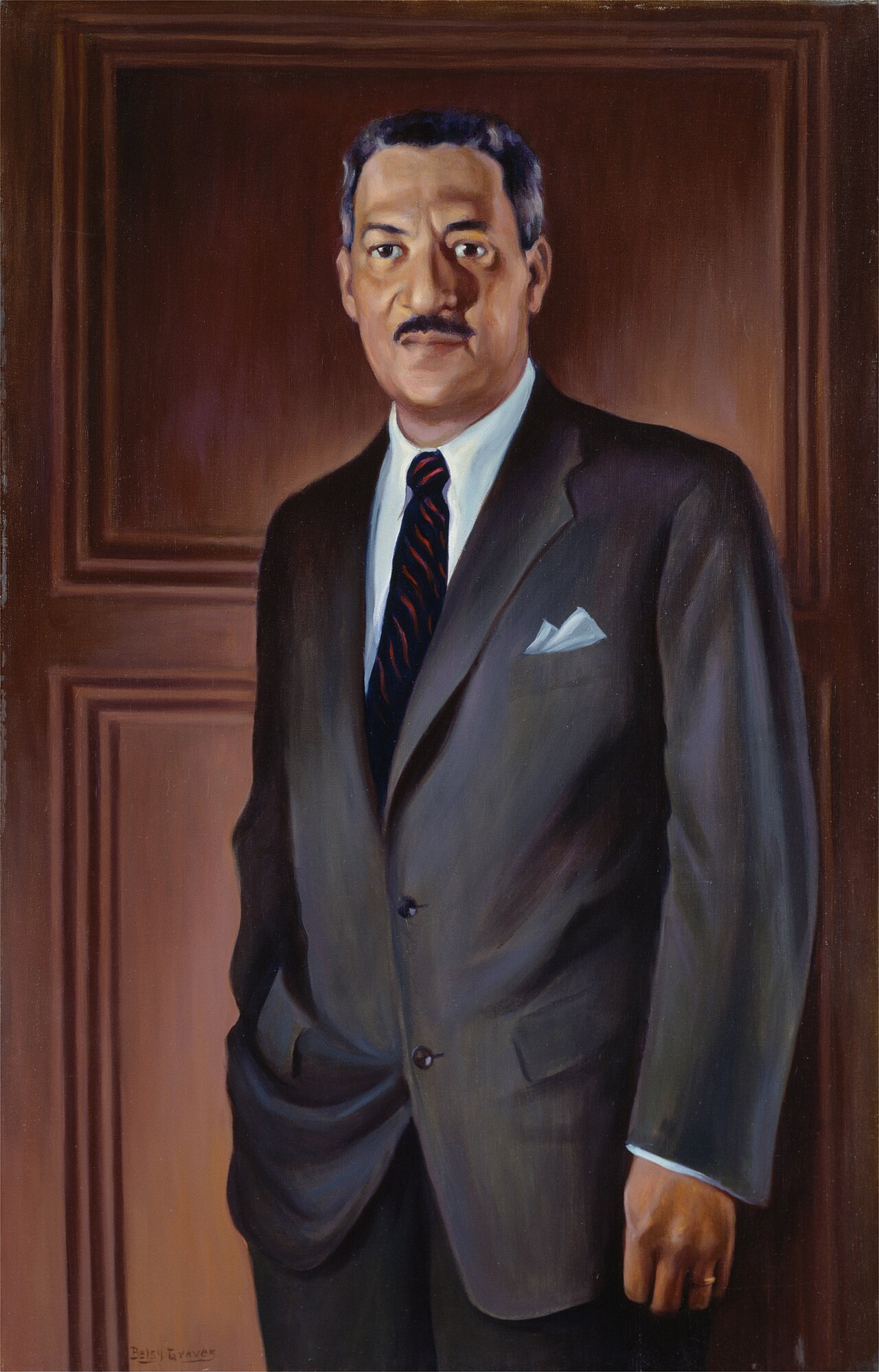
Thurgood Marshall
Betsy Graves Reyneau · 1956
 Photograph
Primary source
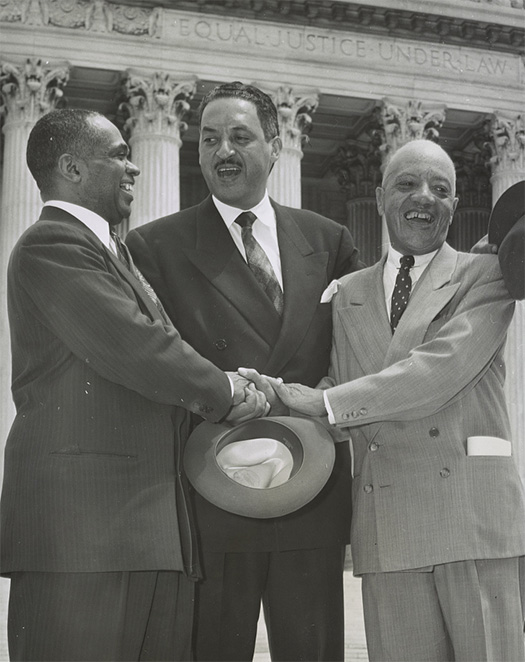
George Edward Chalmer Hayes, Thurgood Marshall, and James Nabrit in 1954 winning Brown case
1954
 Photograph
Primary source
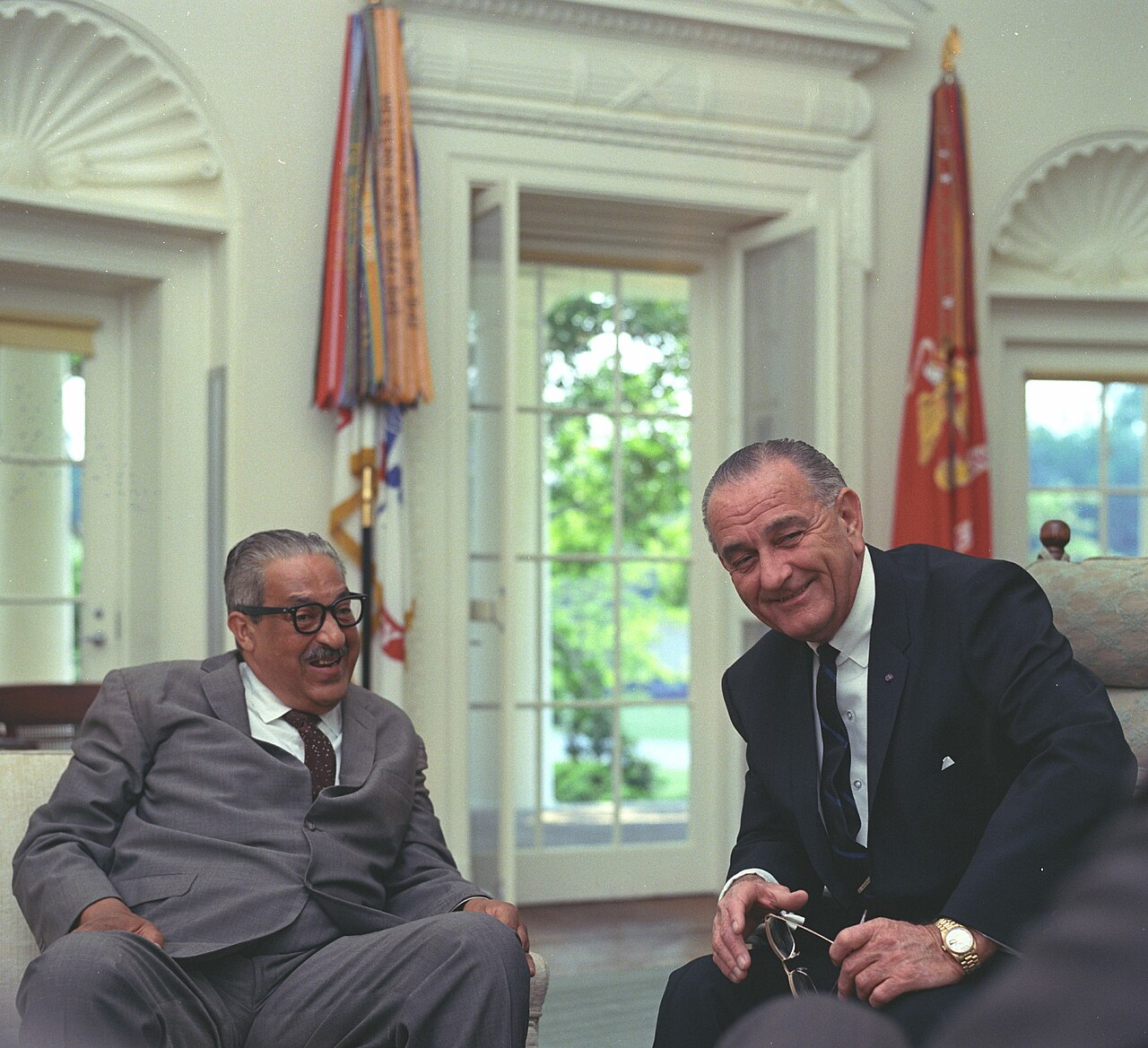
Thurgood Marshall and President Lyndon B. Johnson, June 13, 1967
Frank Wolfe · 13 June 1967
Primary source
Cooper v. Aaron
12 September 1958
Ready when you are
Start chatting with Thurgood Marshall now.
20 messages free · No credit card · Available in 50+ languages.