


Secondary sourcePainting1656
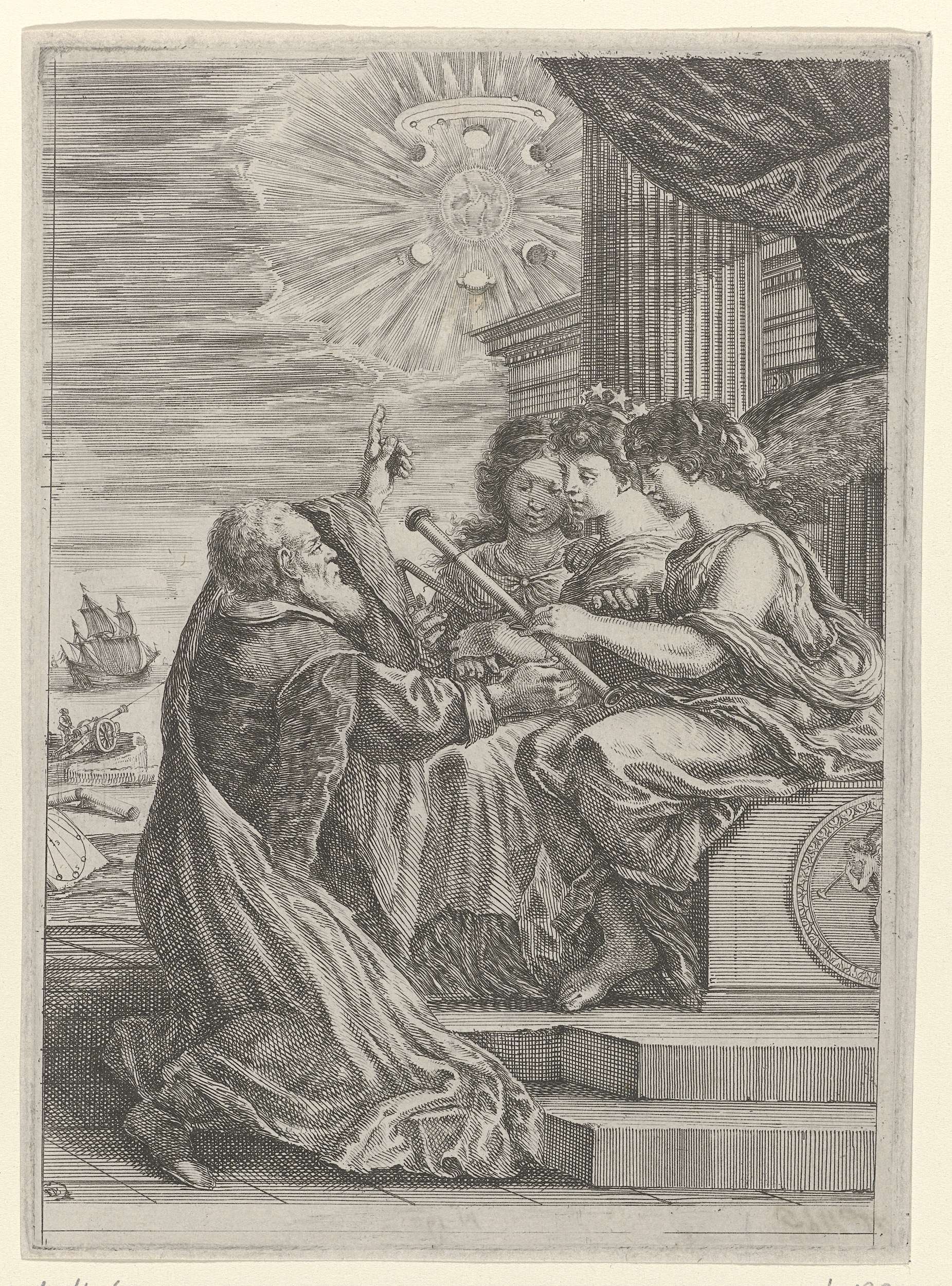
Galileo Galilei and the Three Muses
1656
A 1656 allegorical print showing Galileo kneeling before three Muses representing Astronomy, Perspective and Mathematics.
This later allegorical print honors Galileo's scientific achievements through symbolic figures of Astronomy and Mathematics.
About this source
What it is
This engraving, made in 1656, shows Galileo kneeling before three female figures representing Astronomy, Perspective and Mathematics, who sit enthroned while he points to planets in the sky. A ship and a soldier with a cannon appear in the background. It is held by the Rijksmuseum in the Netherlands.
Why it matters
Made after Galileo's death, this allegorical print celebrates his achievements in astronomy and mathematics by surrounding him with symbolic figures. It shows how later generations honored him as a founder of modern science, using classical imagery rather than realistic portraiture.
Look closer
- Why might an artist use allegorical figures like Muses instead of real people to honor a scientist?
- What might the ship and cannon in the background represent?
- How does this image differ from a straightforward portrait, and what does that change about its purpose?
This painting is part of the curated material that grounds the AI version of Galileo Galilei on Humy.ai — when students ask about related events, the AI can quote it and cite it.
More Galileo Galilei sources
Meet the AI Galileo Galilei →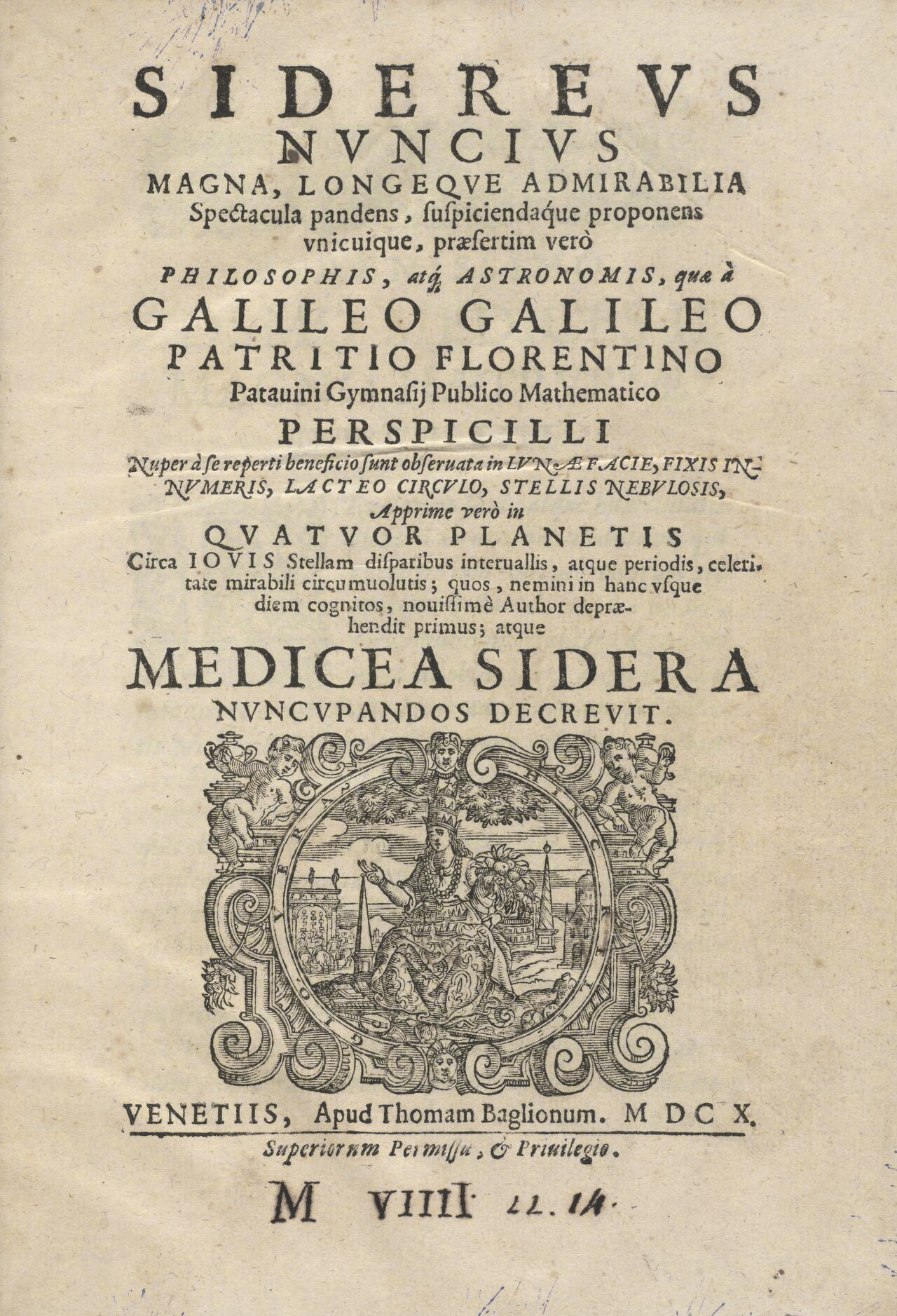 Book
Primary source
Sidereus Nuncius
Galileo Galilei · 1610
 Painting
Primary source
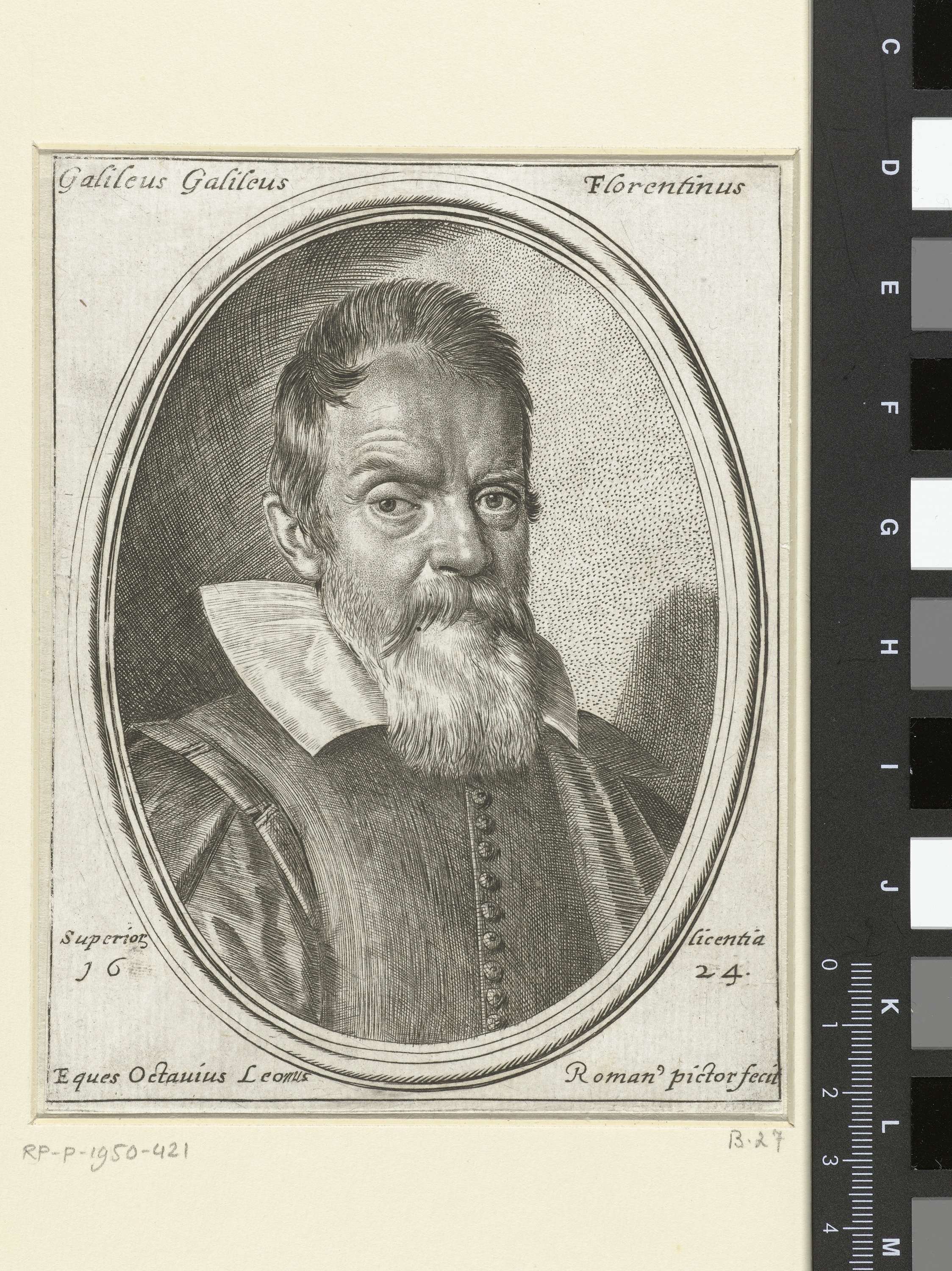
Portrait of Galileo Galilei (1624 print)
1624
 Painting
Primary source
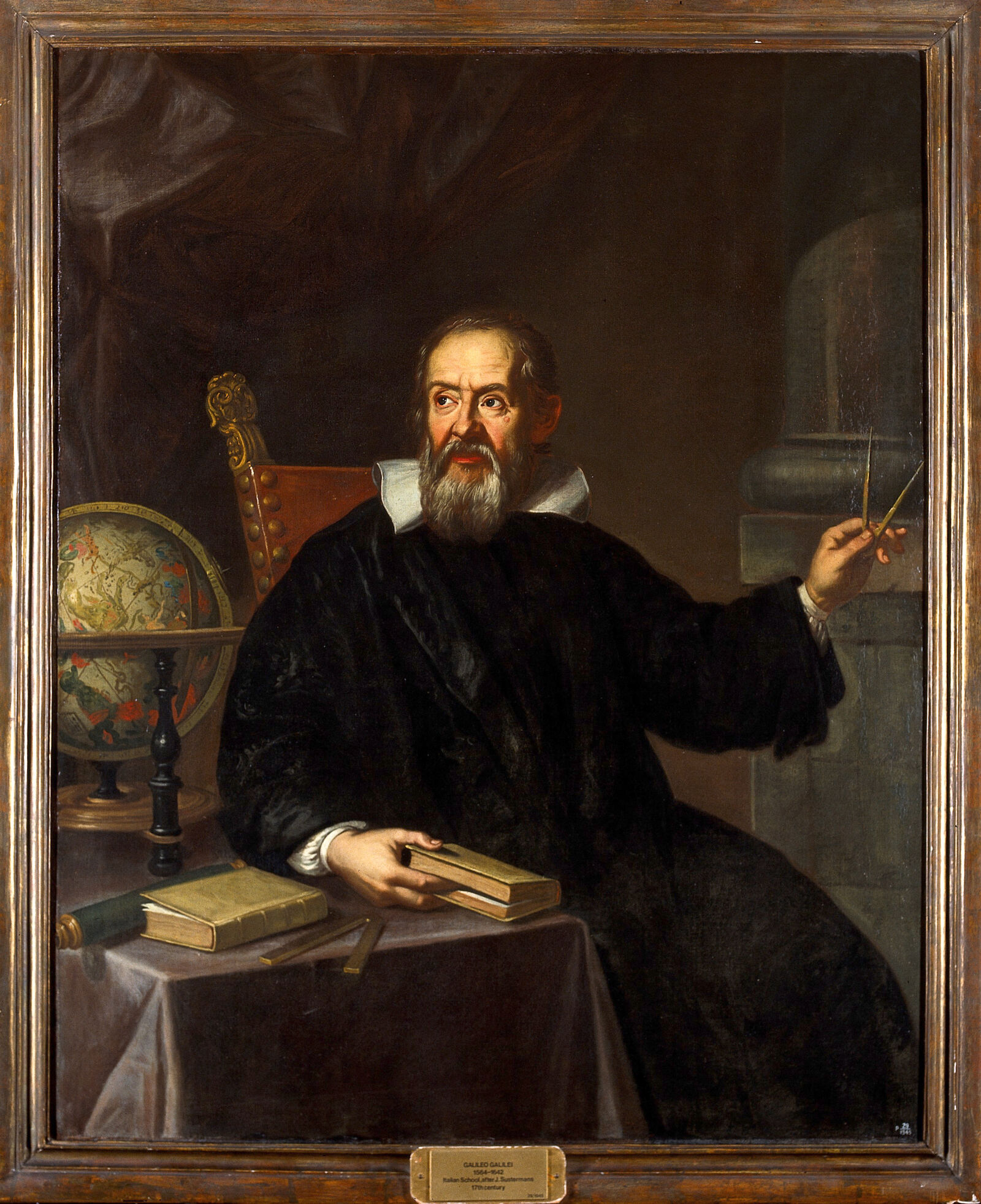
Oil Portrait of Galileo in His Study
Unknown Italian painter · 18th century (?)
 Painting
Primary source
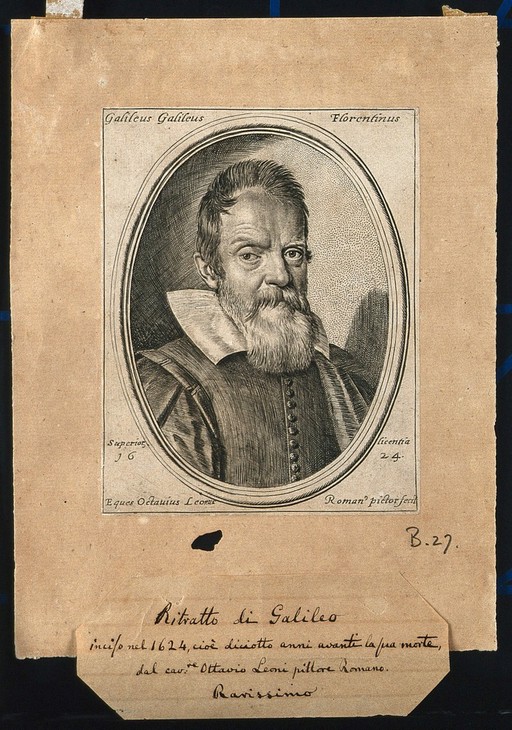
Galileo Galilei, line engraving by Ottavio Leoni
Ottavio Leoni · 1624
 Book
Primary source
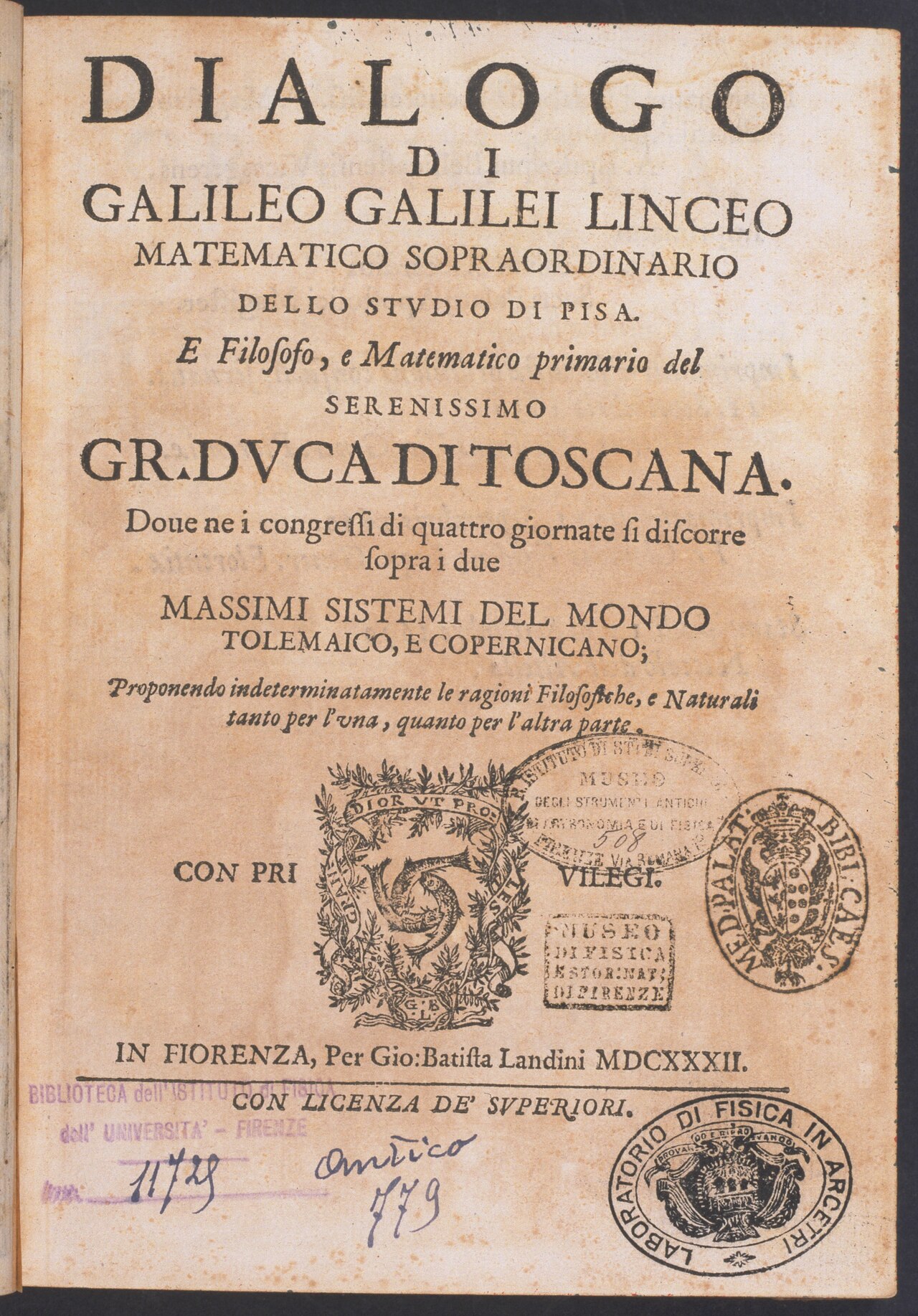
Dialogue Concerning the Two Chief World Systems
Galileo Galilei · 1632
Ready when you are
Start chatting with Galileo Galilei now.
20 messages free · No credit card · Available in 50+ languages.