


Primary sourceDiary entry13 January 1610
Galileo's Observations of Jupiter's Moons
Galileo Galilei · 13 January 1610
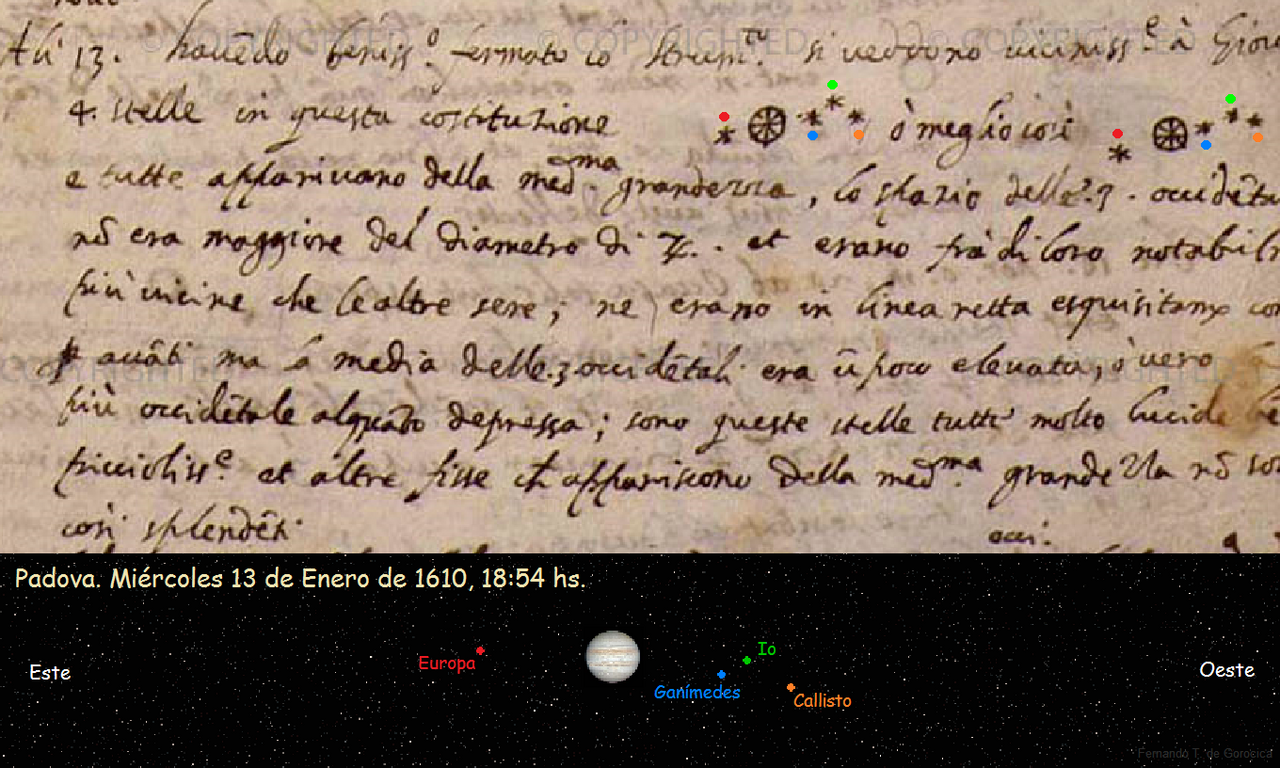
Galileo's own handwritten diary page recording his January 1610 observations of the four moons of Jupiter, with sketches of their changing positions.
This diary page is Galileo's own record of discovering Jupiter's four moons through his telescope.
About this source
What it is
This manuscript page is in Galileo Galilei's own hand, recording his observations of small 'stars' near Jupiter in January 1610. The page includes sketches showing the positions of what he first called four little stars near the planet.
Why it matters
Galileo's observations led to the discovery of Jupiter's four largest moons, which he first numbered and later named the 'Medicean stars' in honour of the Medici family. The moons were later renamed Io, Europa, Ganymede and Callisto by another astronomer, Simon Marius. Galileo published these findings in his book Sidereus Nuncius, dedicated to Cosimo II de' Medici, and they became powerful evidence that not everything in the sky orbits the Earth.
Look closer
- Why would discovering moons around another planet challenge old ideas about the universe?
- Why might Galileo have chosen to name his discovery after a powerful family?
- What can you tell from the sketches about how carefully Galileo tracked changes night to night?
This diary entry is part of the curated material that grounds the AI version of Galileo Galilei on Humy.ai — when students ask about related events, the AI can quote it and cite it.
More Galileo Galilei sources
Meet the AI Galileo Galilei →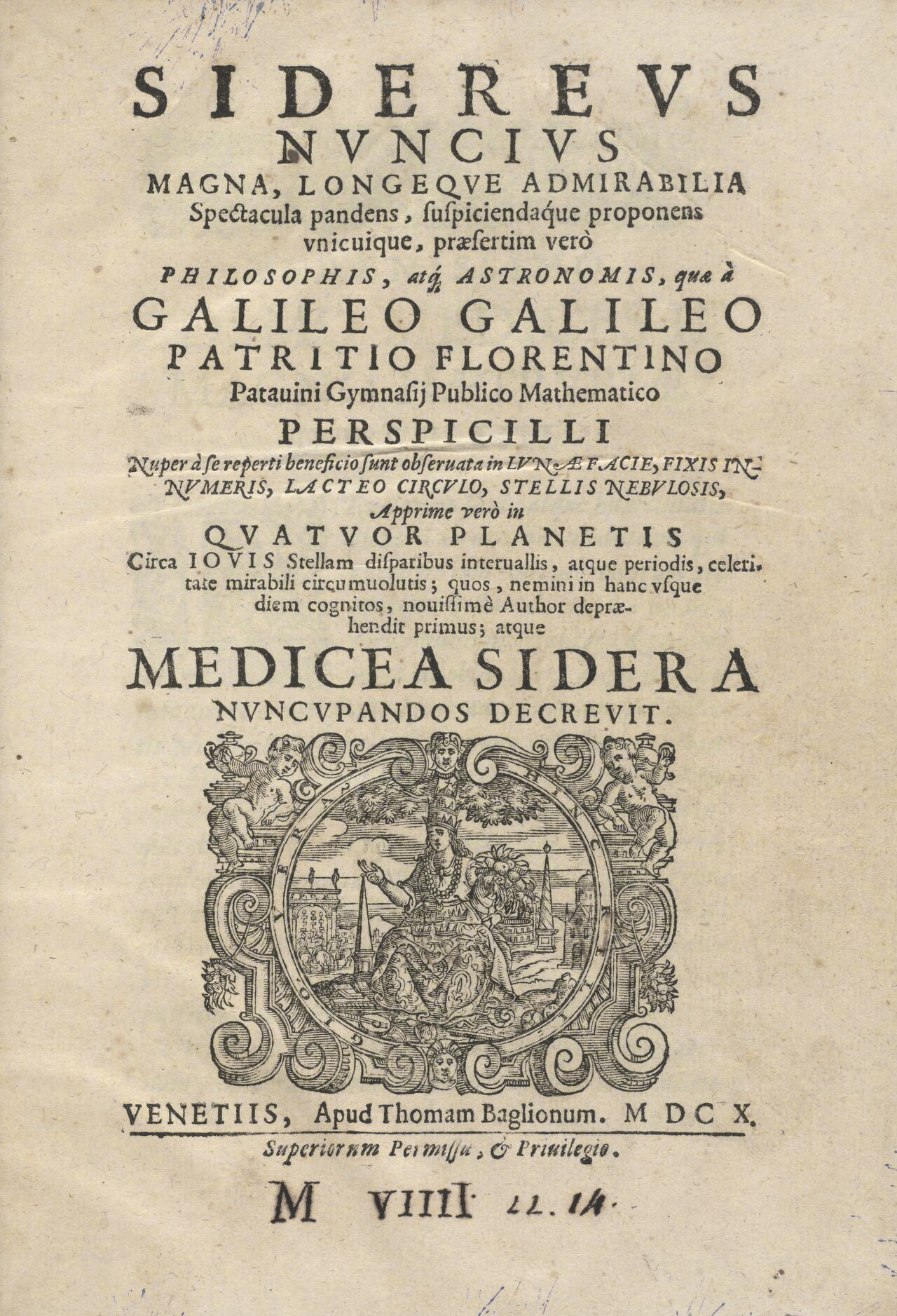 Book
Primary source
Sidereus Nuncius
Galileo Galilei · 1610
 Painting
Primary source
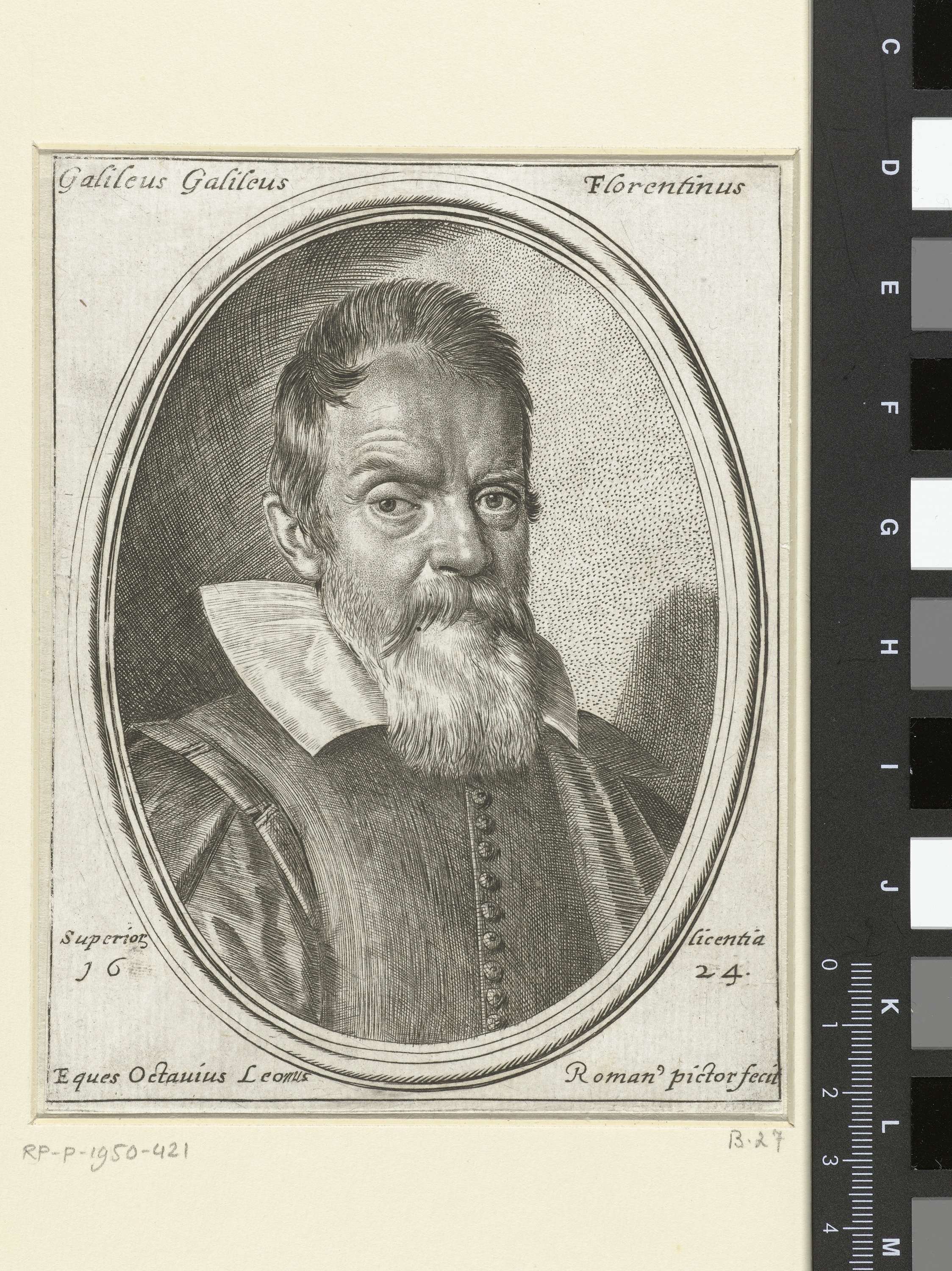
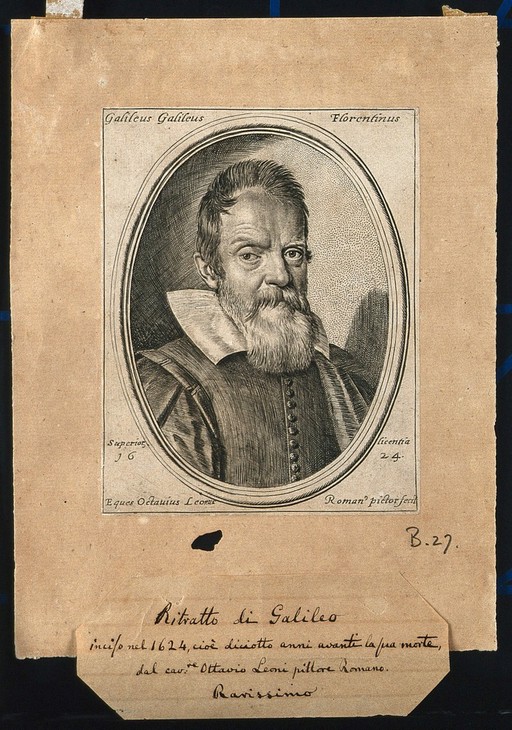
Portrait of Galileo Galilei (1624 print)
1624
 Painting
Primary source
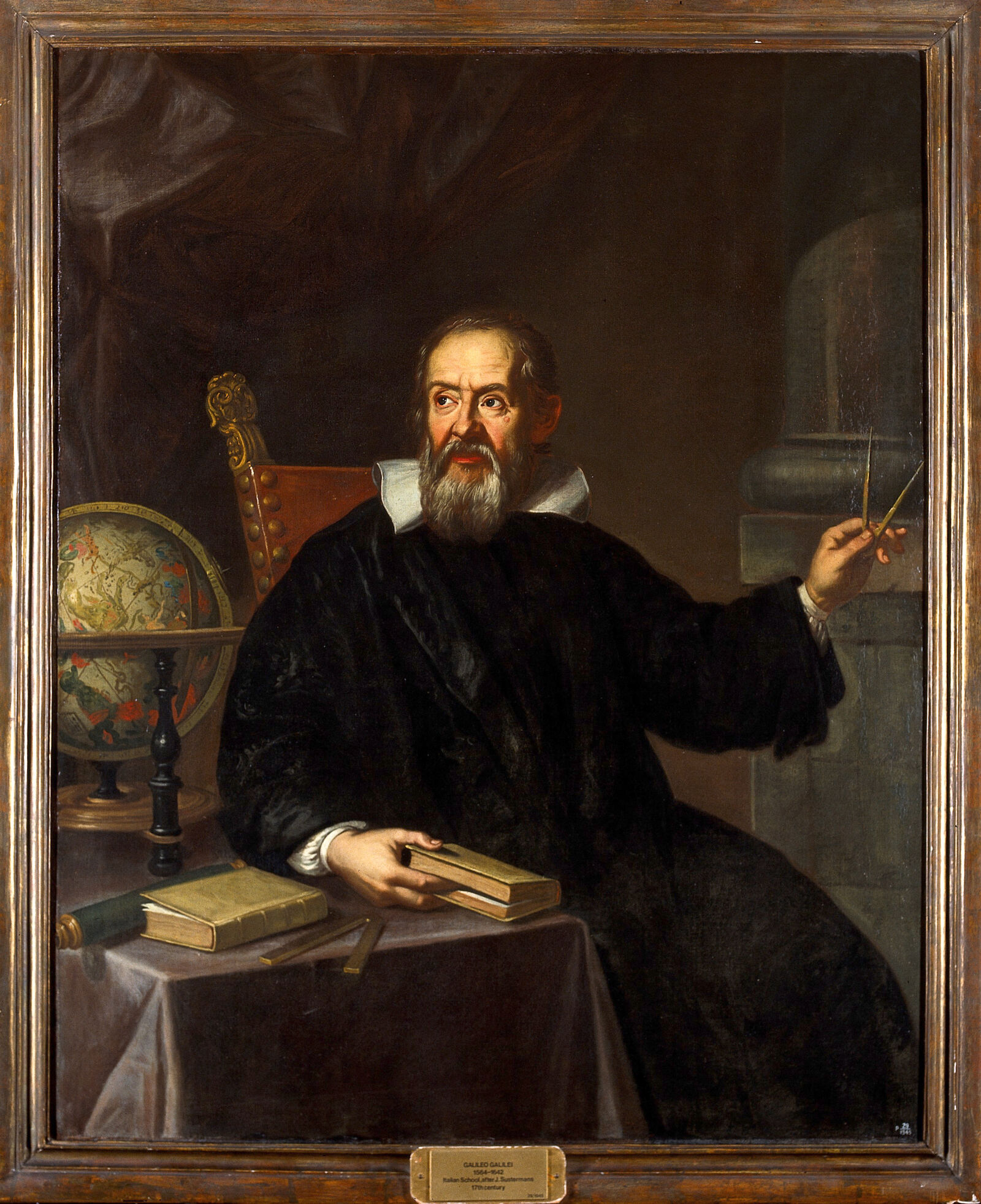
Oil Portrait of Galileo in His Study
Unknown Italian painter · 18th century (?)
 Painting
Primary source
Galileo Galilei, line engraving by Ottavio Leoni
Ottavio Leoni · 1624
 Book
Primary source
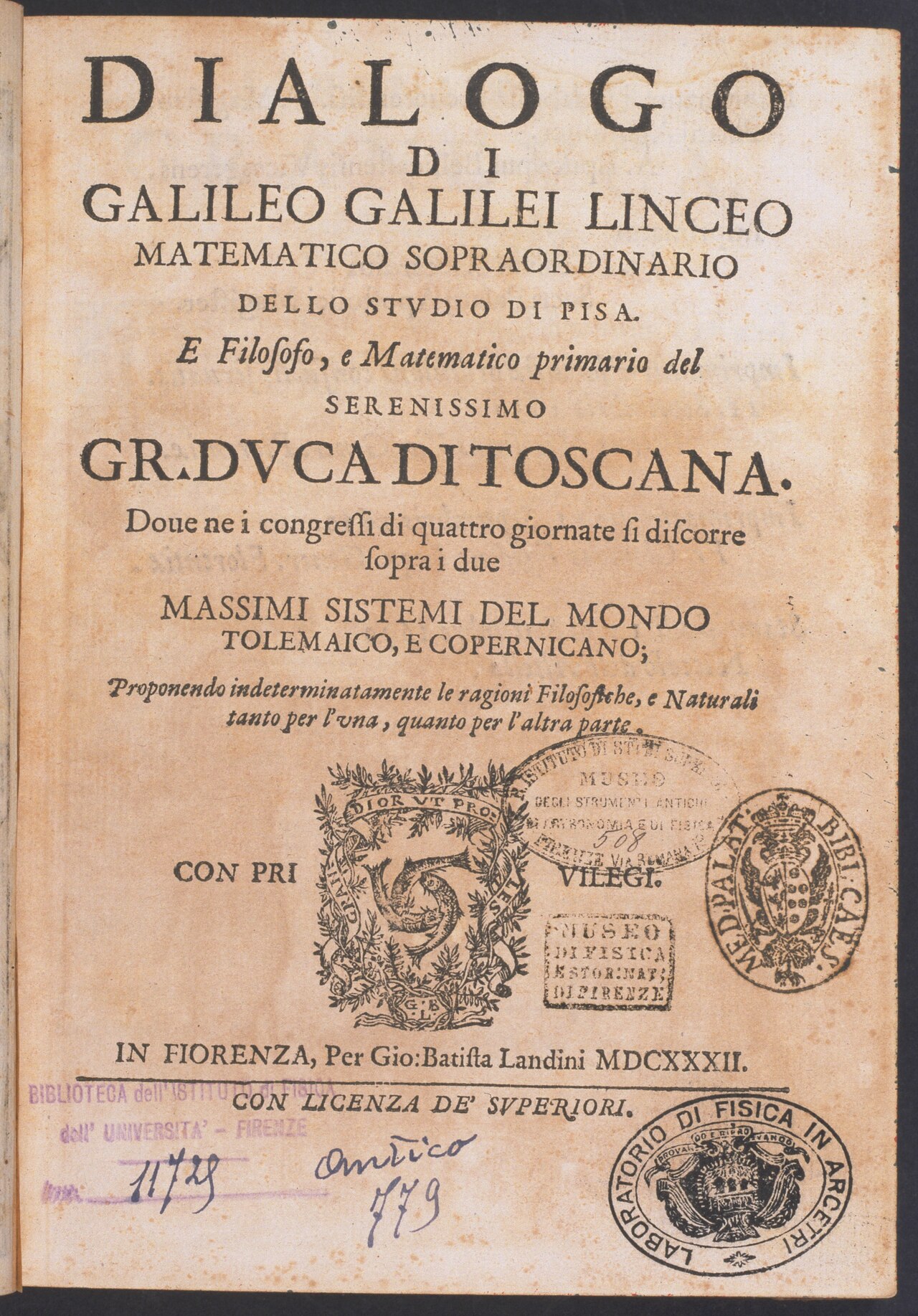
Dialogue Concerning the Two Chief World Systems
Galileo Galilei · 1632
Ready when you are
Start chatting with Galileo Galilei now.
20 messages free · No credit card · Available in 50+ languages.