


Primary sourceArtifact1609–1610
Galileo's telescopes
Galileo Galilei · 1609–1610
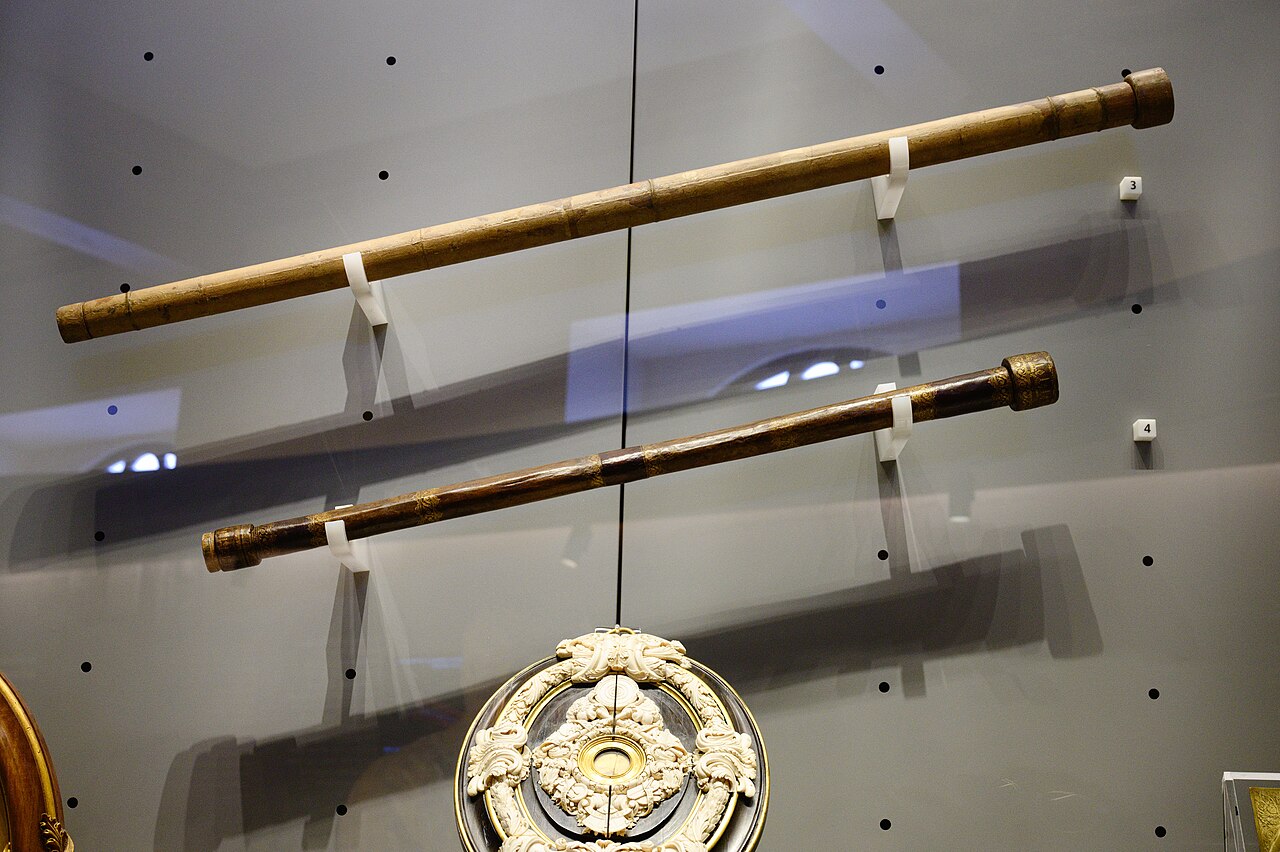
Two surviving telescopes built by Galileo himself around 1609–1610, the instruments behind his astronomical discoveries.
The actual telescopes Galileo built and used to make the discoveries that made him famous.
About this source
What it is
These two telescopes were designed and built by Galileo Galilei around 1609 and 1610. They are made of wood, paper, leather and copper, with hand-ground glass lenses, and are now held at the Museo Galileo in Florence.
Why it matters
Galileo did not invent the telescope, but he improved its design and was the first to publish detailed observations of the sky made with one. These actual instruments, with their known lens sizes and magnifications of roughly 14 to 21 times, are the physical tools behind the discoveries announced in Sidereus Nuncius, including the moons of Jupiter.
Look closer
- What do the simple materials used — wood, leather, paper — tell you about the technology available to scientists in 1610?
- Why might having the actual instrument, rather than just a description, matter for understanding how Galileo worked?
- How might the limited magnification and narrow field of view of these telescopes have shaped what Galileo could and couldn't see?
This artifact is part of the curated material that grounds the AI version of Galileo Galilei on Humy.ai — when students ask about related events, the AI can quote it and cite it.
More Galileo Galilei sources
Meet the AI Galileo Galilei →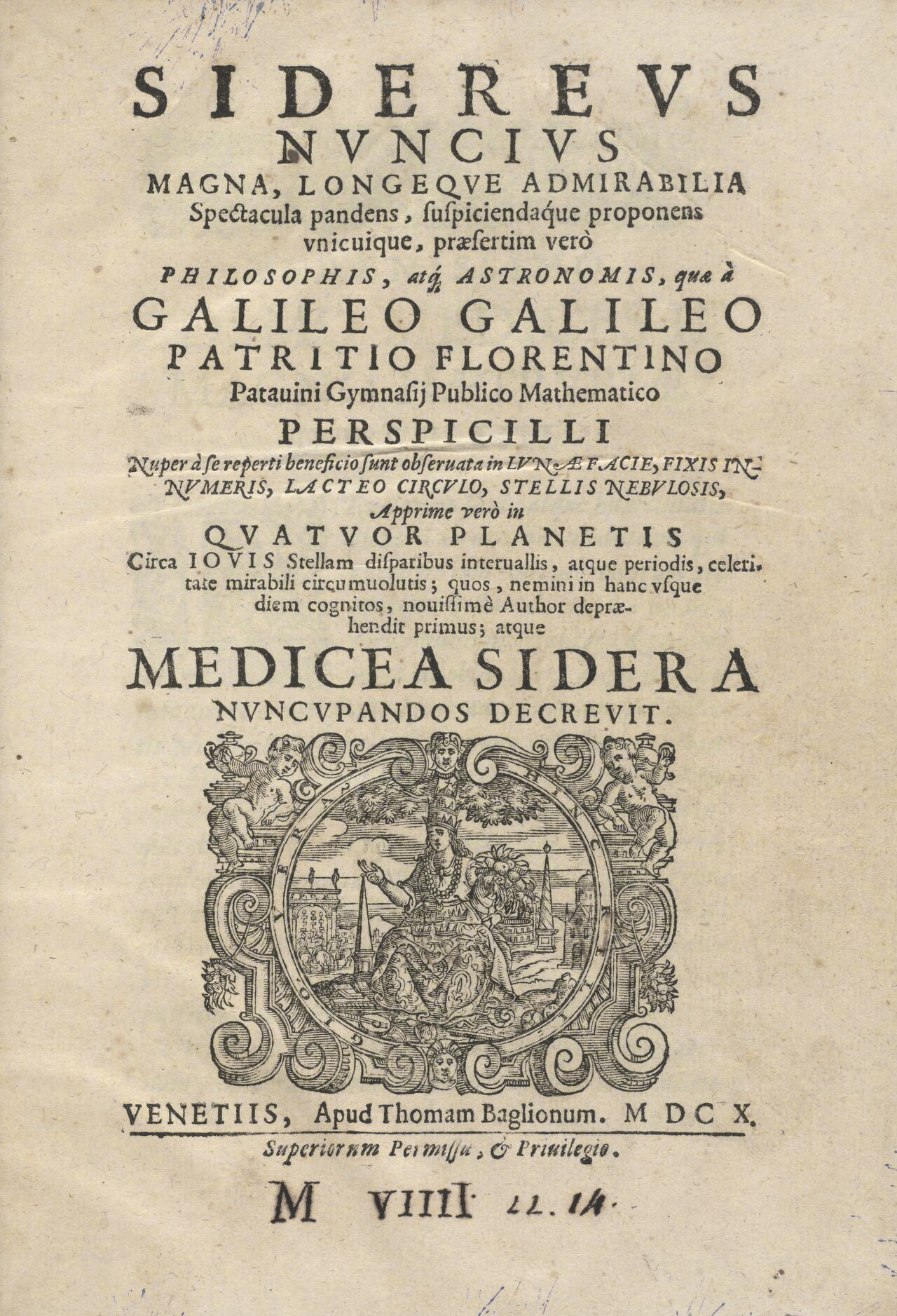 Book
Primary source
Sidereus Nuncius
Galileo Galilei · 1610
 Painting
Primary source
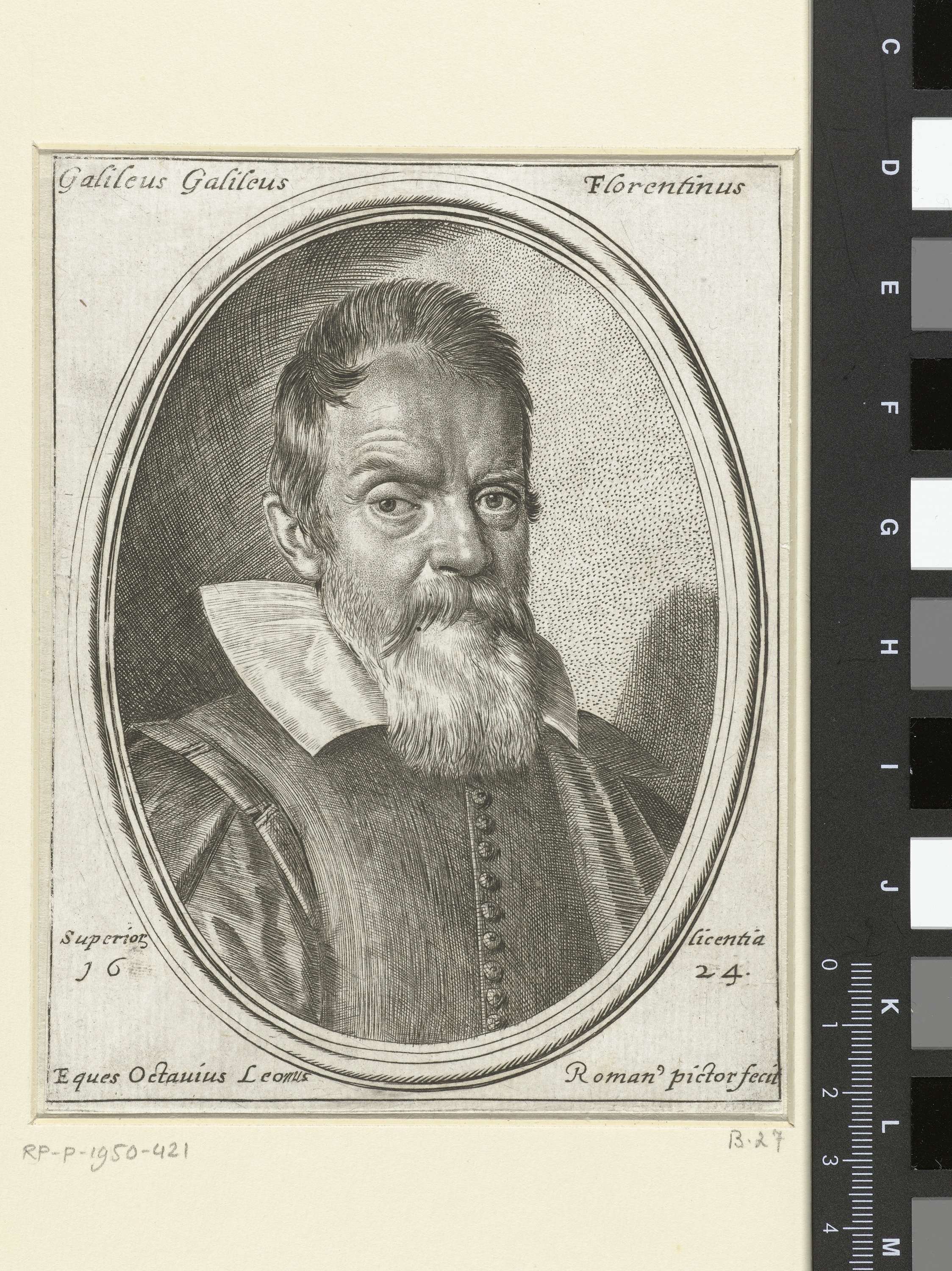
Portrait of Galileo Galilei (1624 print)
1624
 Painting
Primary source
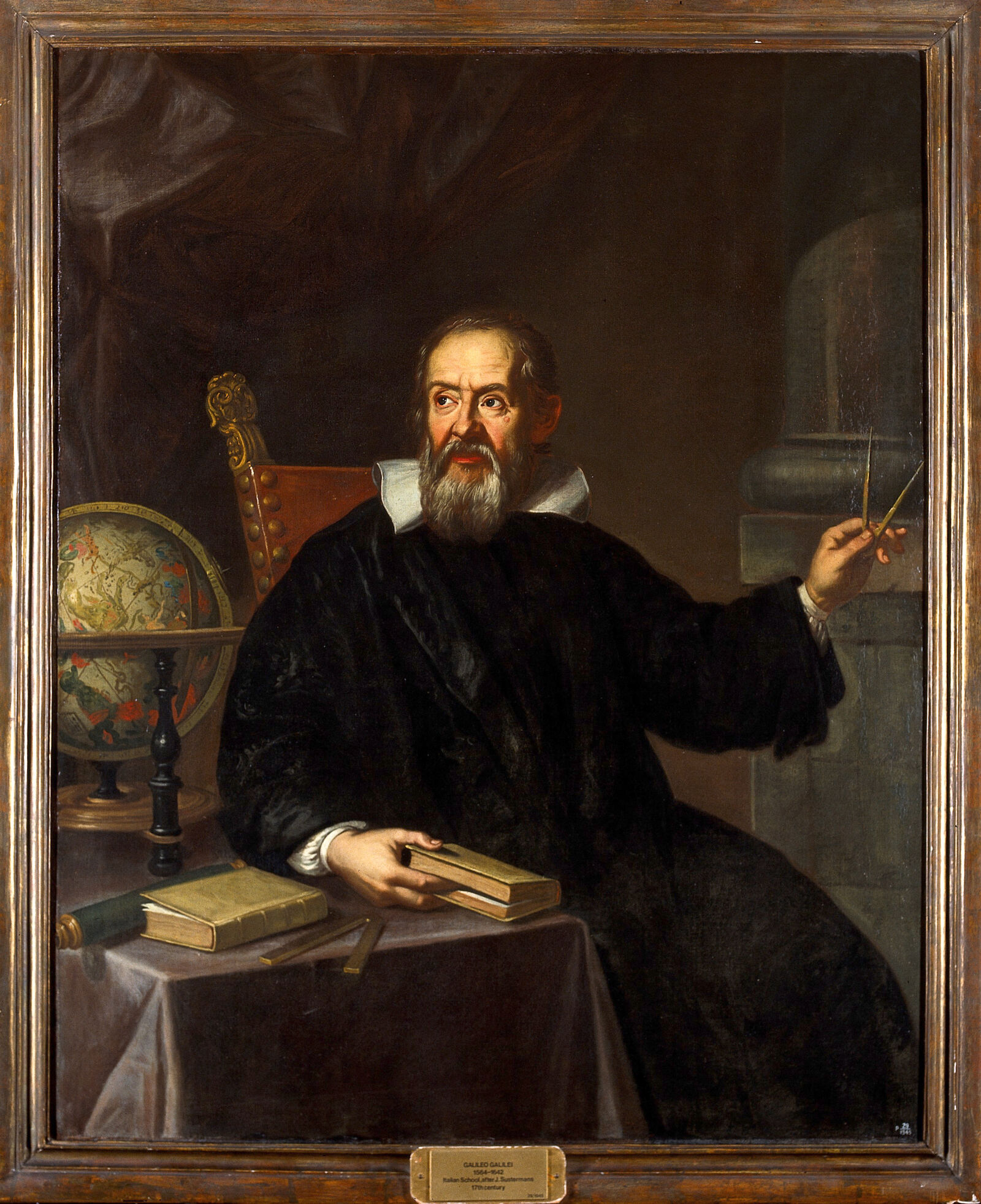
Oil Portrait of Galileo in His Study
Unknown Italian painter · 18th century (?)
 Painting
Primary source
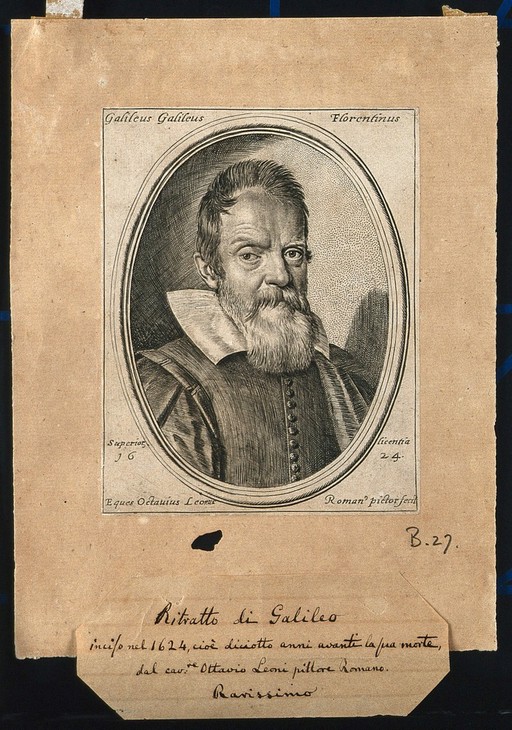
Galileo Galilei, line engraving by Ottavio Leoni
Ottavio Leoni · 1624
 Book
Primary source
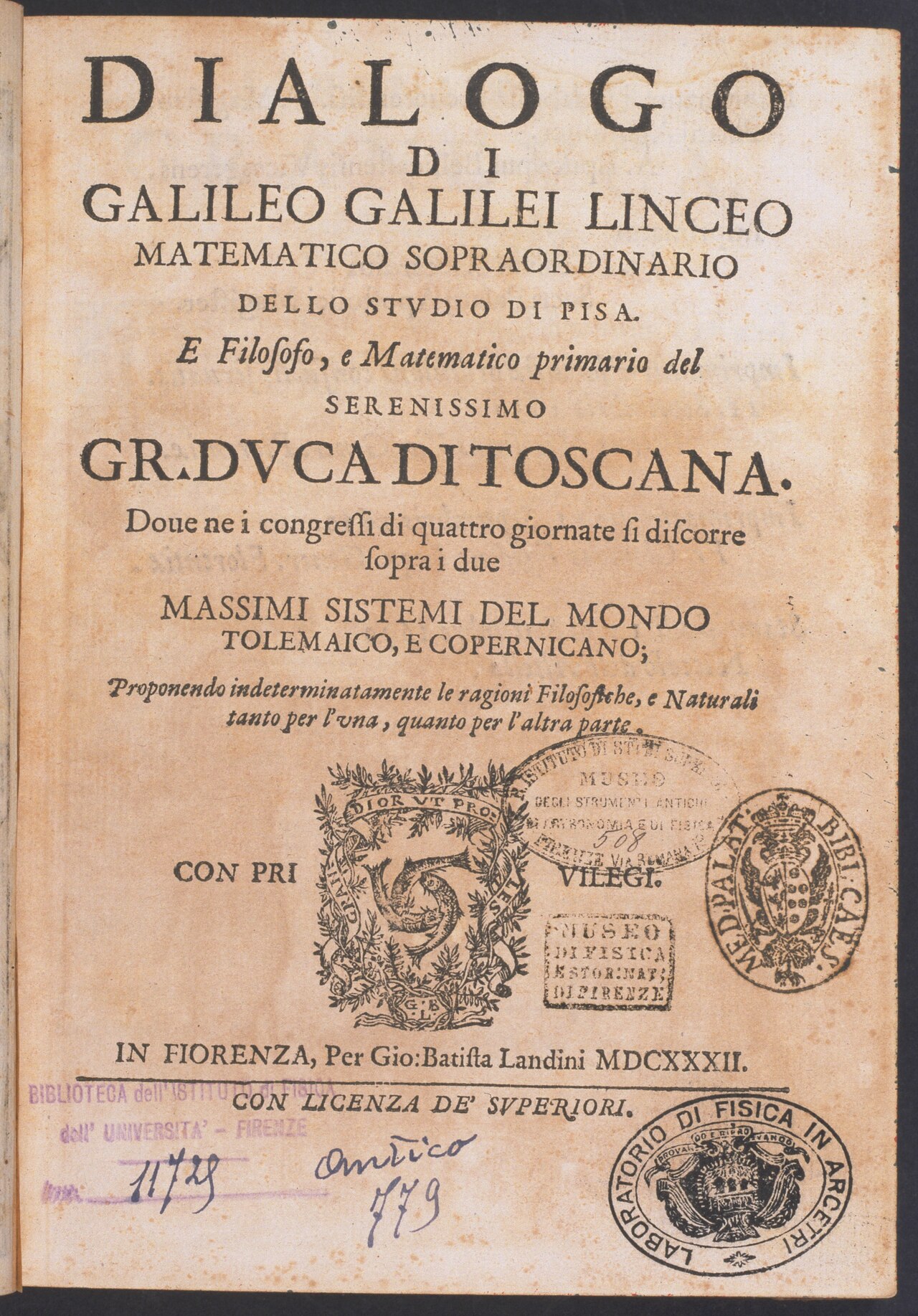
Dialogue Concerning the Two Chief World Systems
Galileo Galilei · 1632
Ready when you are
Start chatting with Galileo Galilei now.
20 messages free · No credit card · Available in 50+ languages.