


Primary sourceDocument1947
Gandhi's Talisman
Mohandas K. Gandhi · 1947
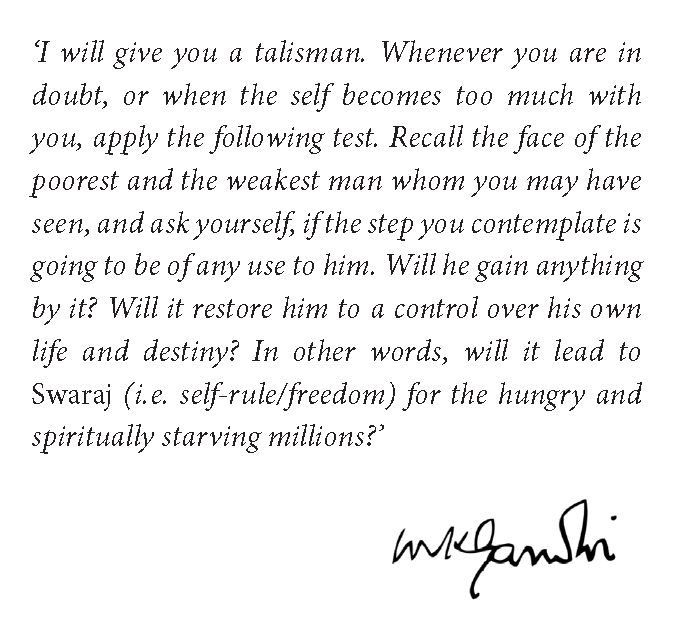
A short 1947 note by Gandhi urging readers to judge any action by whether it helps the poorest person they recall.
Gandhi wrote this note summarising the ethical test he believed should guide decisions about freedom and the poor.
About this source
What it is
This is a short note written by Mohandas K. Gandhi in 1947, often called his 'Talisman'. It asks readers to recall the face of the poorest, most helpless person they have seen and to judge any action by whether it will help that person. The image shown is a printed reproduction of the text with Gandhi's signature, not the original manuscript.
Why it matters
This brief statement sums up Gandhi's social ethic, linking political freedom (Swaraj) to the wellbeing of India's poorest people. It is widely printed in Indian school textbooks and remains a touchstone for discussing Gandhi's values.
Look closer
- Why does Gandhi ask readers to picture a specific person rather than speak in general terms?
- What does the word 'Swaraj' mean here, and why does Gandhi connect it to hunger?
- Why might this short note have become so widely quoted and taught?
This document is part of the curated material that grounds the AI version of Mahatma Gandhi on Humy.ai — when students ask about related events, the AI can quote it and cite it.
More Mahatma Gandhi sources
Meet the AI Mahatma Gandhi →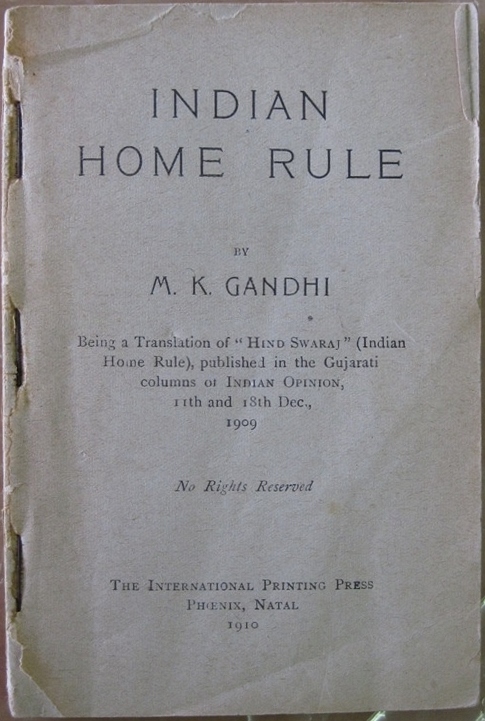 Book
Primary source
Hind Swaraj
Mahatma Gandhi · 1909
 Speech
Primary source
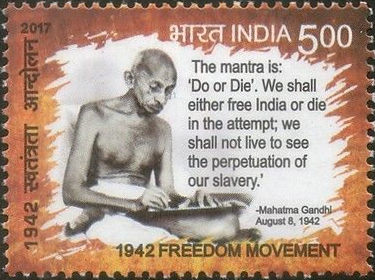
Quit India speech
Mahatma Gandhi · 8 August 1942
 Document
Primary source
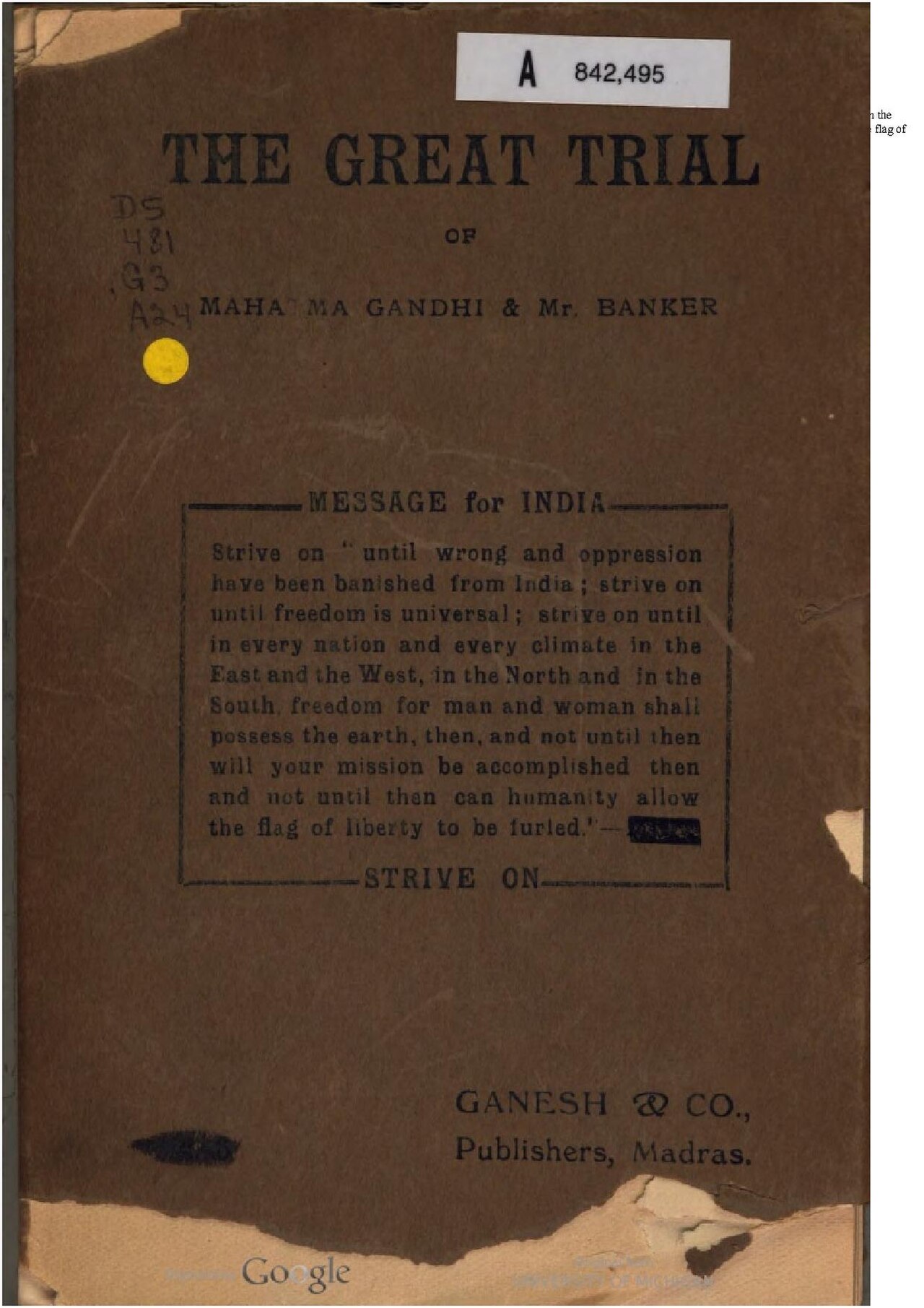
Great Trial of 1922
March 1922
 Photograph
Primary source
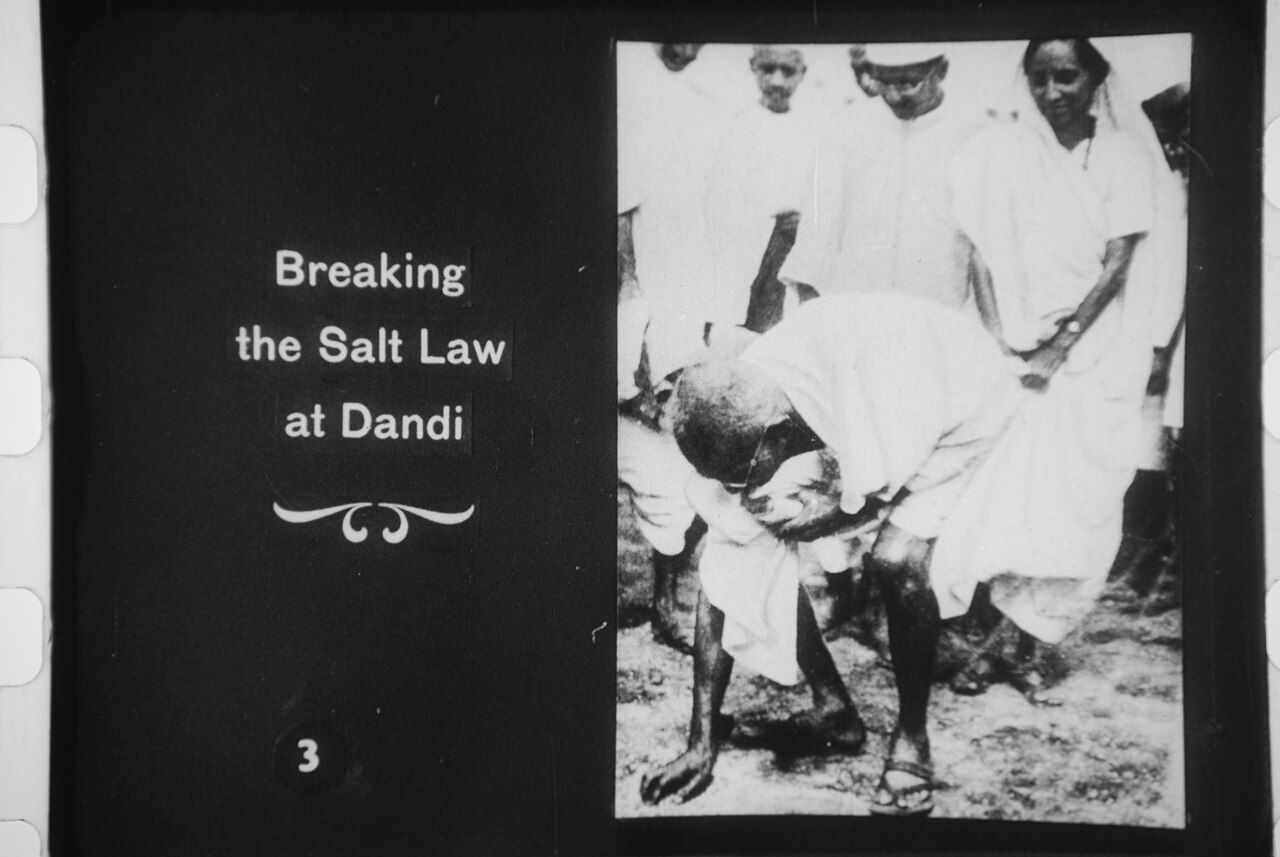
Photograph of Gandhi picking up salt at Dandi
Unknown press photographer · 6 April 1930
Primary source
Spiritual Message to the World
Mohandas K. Gandhi · 17 October 1931
Ready when you are
Start chatting with Mahatma Gandhi now.
20 messages free · No credit card · Available in 50+ languages.