


Primary sourceArtifact1227-1241
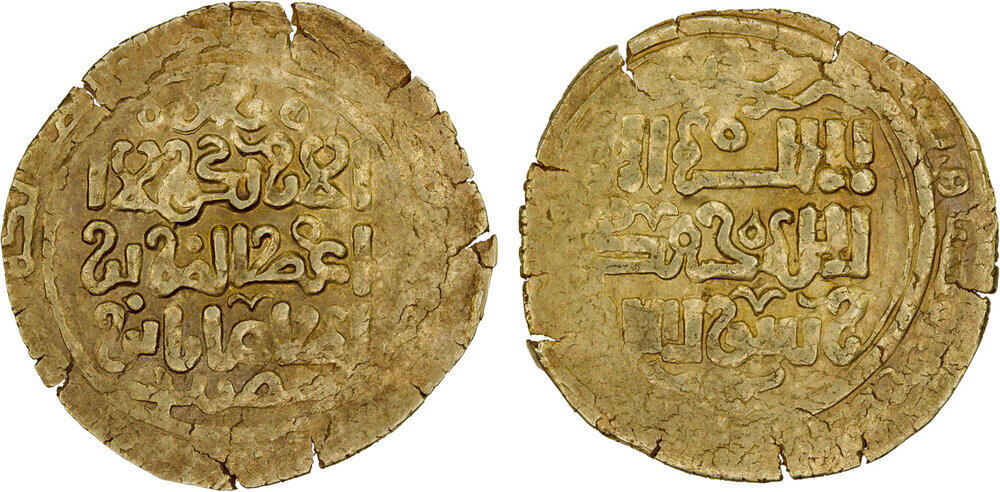
Gold Dinar of Ögedei Khagan from Qaraqorum
Ögedei Khagan · 1227-1241
An Islamic-style gold coin struck at Ögedei's capital Qaraqorum during his reign, bearing Arabic inscriptions.
This coin was minted under Ögedei's authority at his new capital, showing how his administration managed money and trade.
About this source
What it is
This is a gold dinar minted at Qaraqorum, the Mongol capital, during the reign of Ögedei Khan. It carries three lines of Arabic text, including words likely in Uighur script, and the mint name identifying it as struck at Qorum.
Why it matters
The coin shows that Ögedei's government used Islamic monetary traditions and Arabic script, reflecting the influence of Khwarazmian administrators who helped run the growing Mongol state. It is physical evidence of how the Mongols adapted existing systems of finance and administration from the peoples they conquered, rather than imposing something entirely new.
Look closer
- Why might a Mongol ruler choose to mint coins in the Islamic style, with Arabic inscriptions?
- What does the coin's rough, irregular shape tell us about how it was made?
- What does this object reveal about who actually ran the day-to-day business of Ögedei's empire?
This artifact is part of the curated material that grounds the AI version of Ögedei Khan on Humy.ai — when students ask about related events, the AI can quote it and cite it.
More Ögedei Khan sources
Browse all 26 →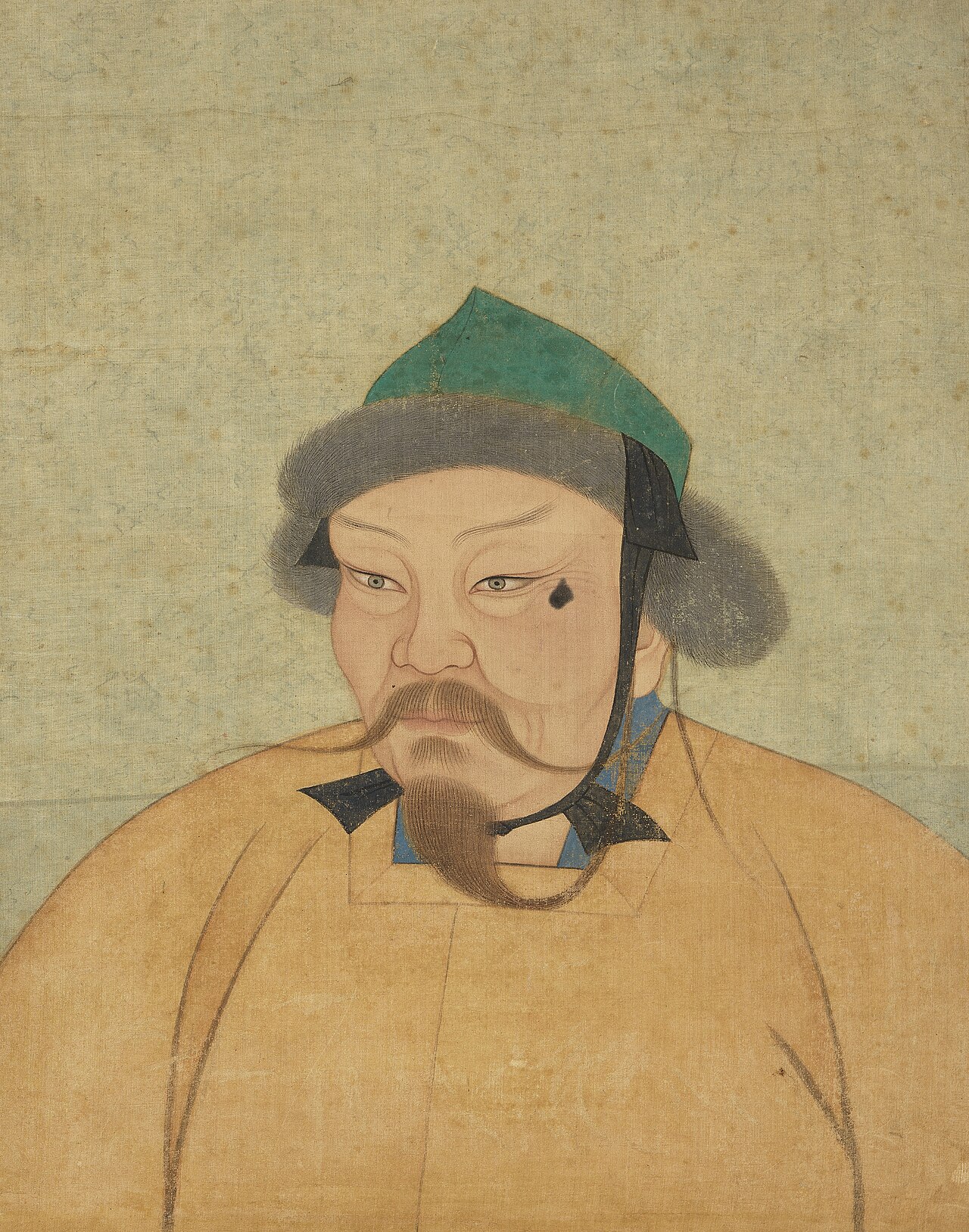 Painting
Secondary source
Portrait of Ögedei Khan
 Painting
Secondary source
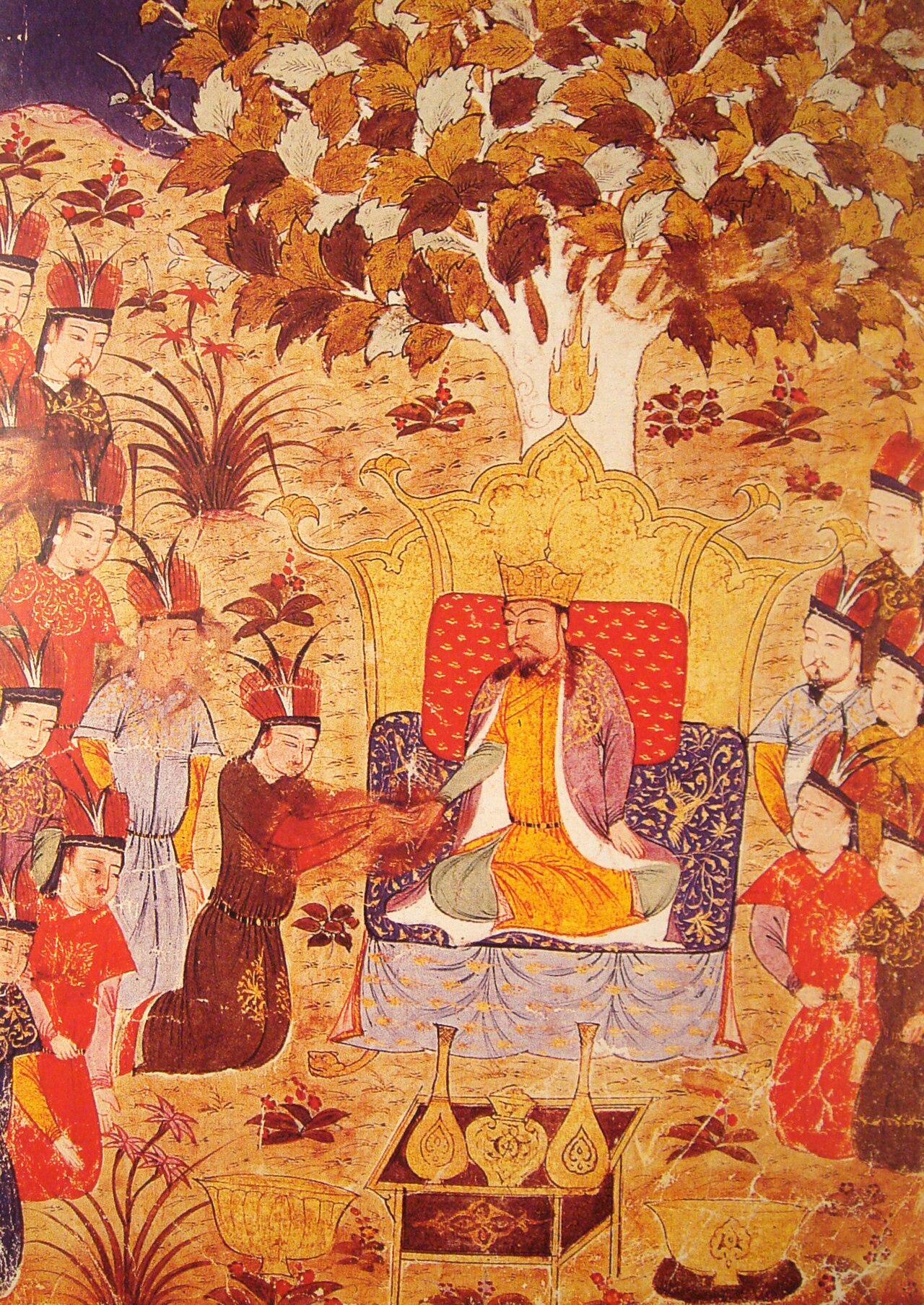
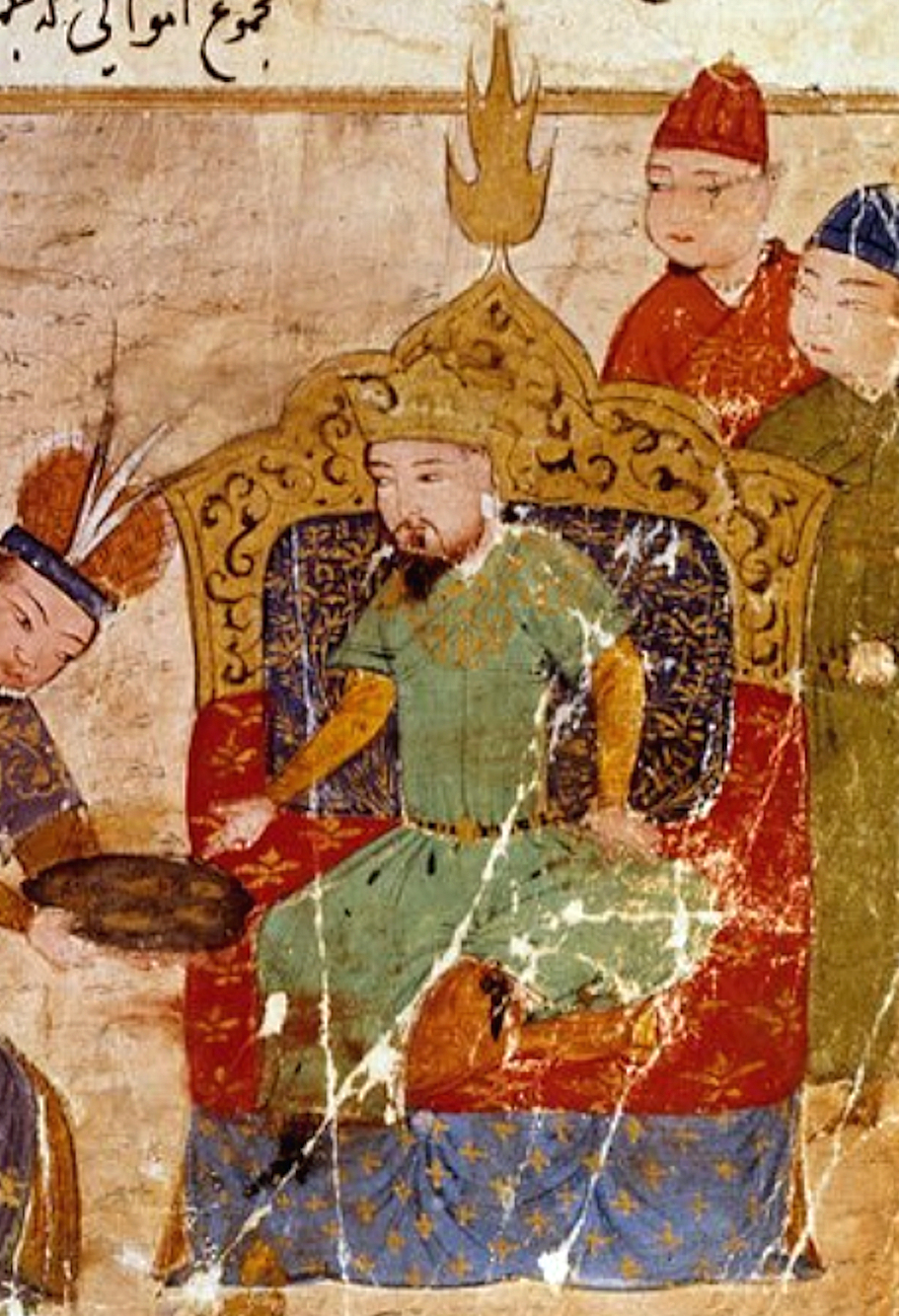
Coronation of Ögedei, 1229
Rashid al-Din · 1229 (depicted event); illustration made later
 Artifact
Primary source
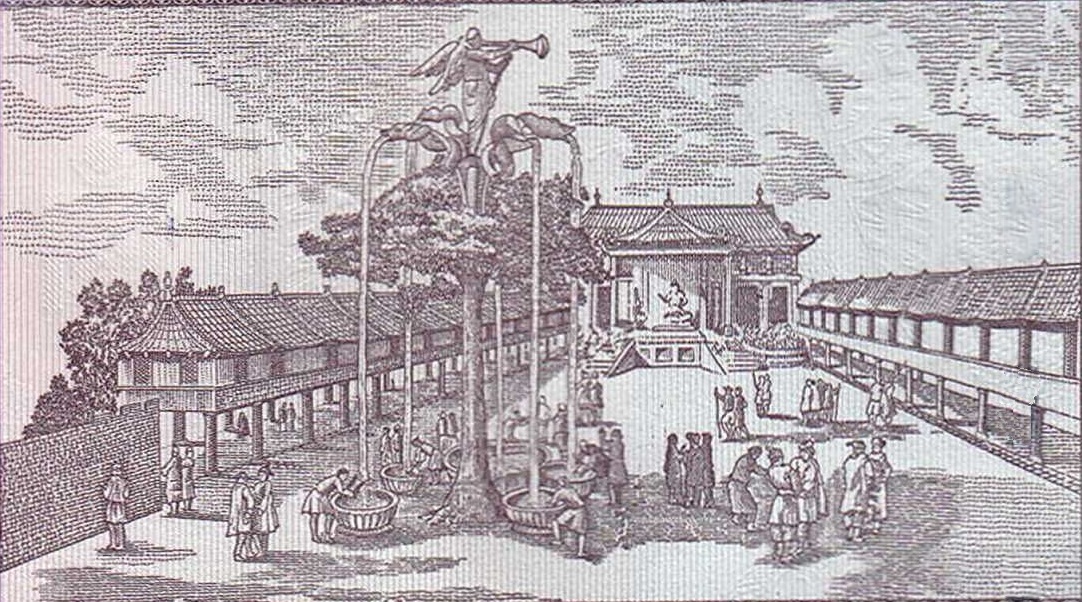
Karakorum, the Mongol Capital
founded 1220; walls and palace built 1235
 Artifact
Secondary source
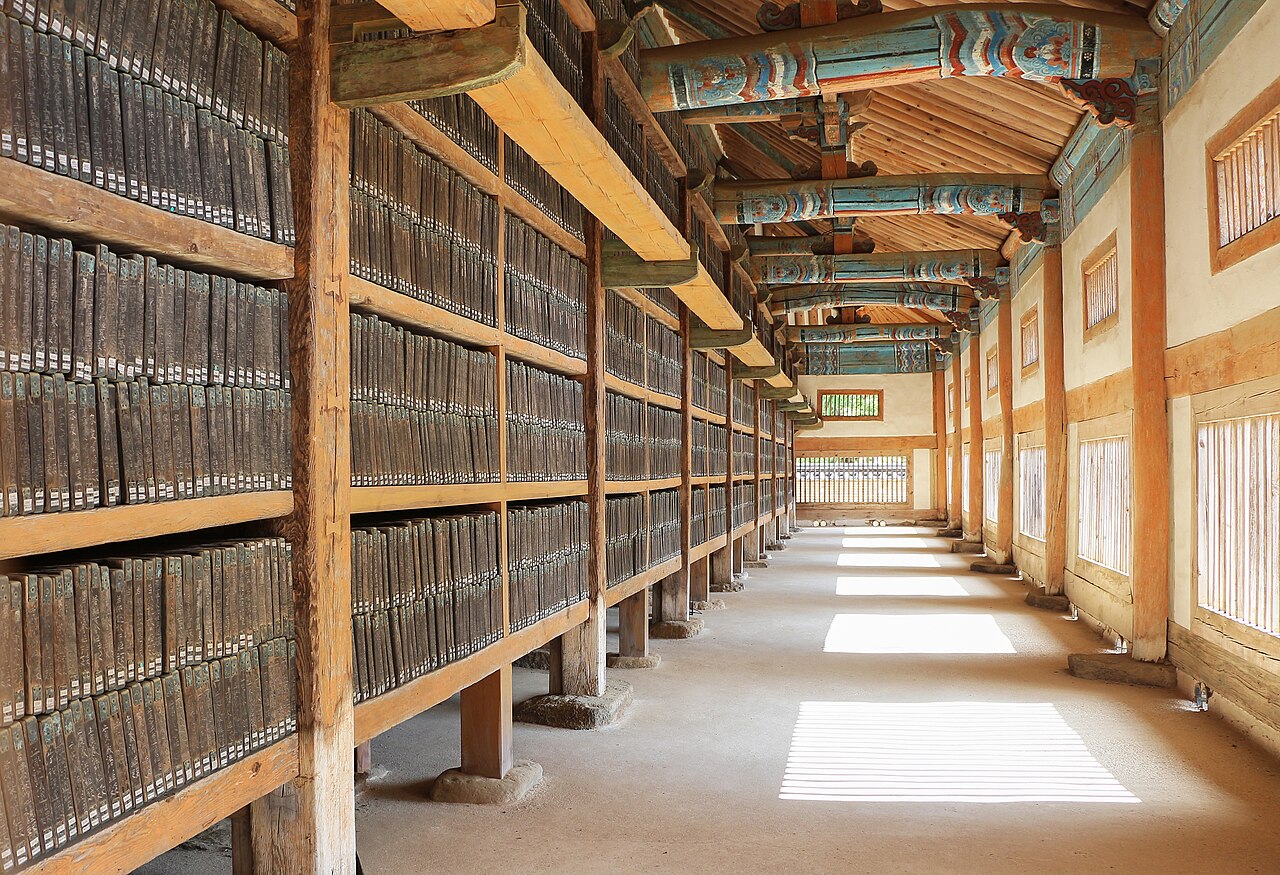
Tripitaka Koreana
1237–1248 (image dated c. 1300)
Free account
Read every Ögedei Khan source
Sign up free →
Ready when you are
Start chatting with Ögedei Khan now.
20 messages free · No credit card · Available in 50+ languages.