


Secondary sourceArtifact1237–1248 (image dated c. 1300)
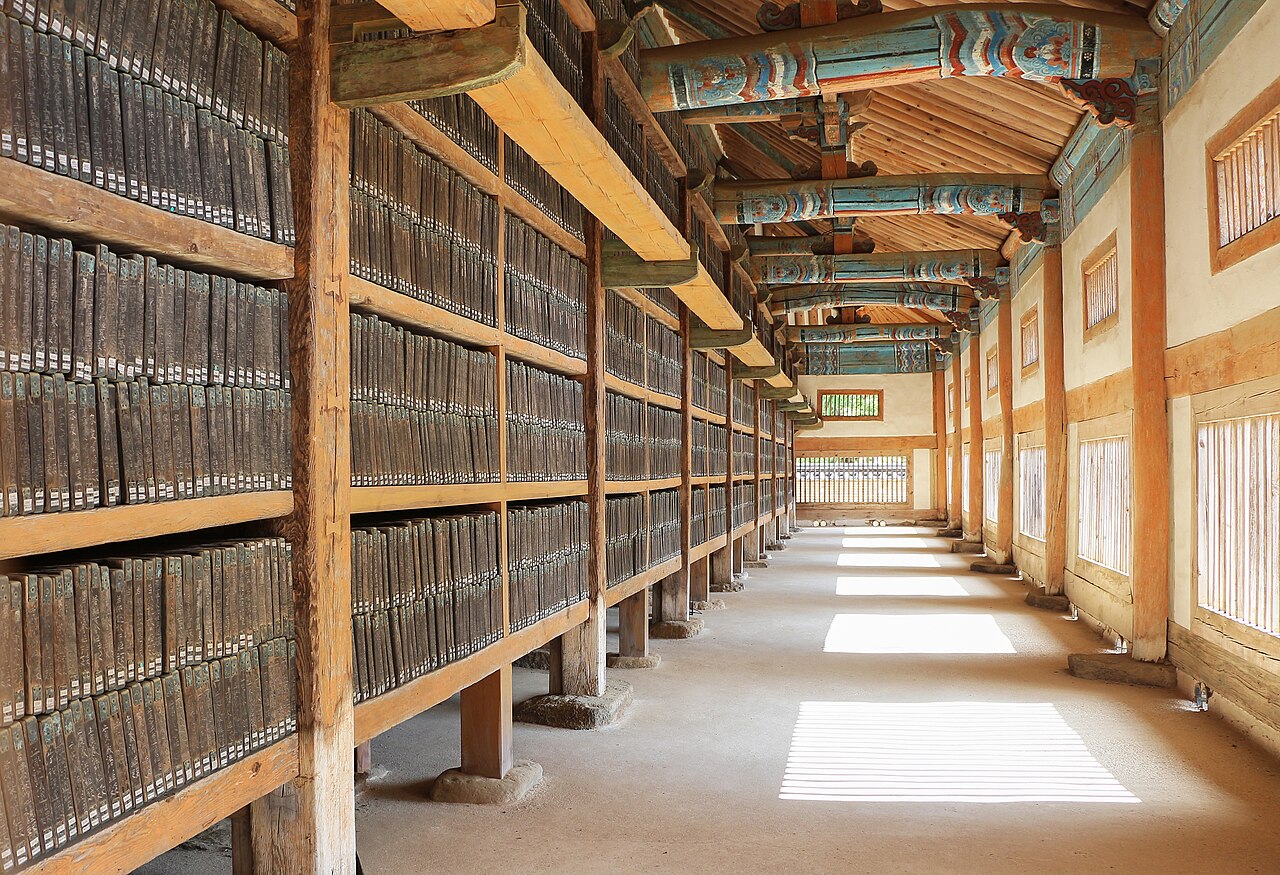
Tripitaka Koreana
1237–1248 (image dated c. 1300)
A vast set of Korean Buddhist printing blocks carved as a plea for divine protection against the Mongol invasions launched under Ögedei.
Carved as a Buddhist response to the Mongol invasions Ögedei launched against Goryeo.
About this source
What it is
The Tripitaka Koreana is a huge collection of wooden printing blocks carved with Buddhist scriptures in Korea during the Goryeo period. The second, surviving set was carved between 1237 and 1248 and is now kept at Haeinsa temple in South Korea.
Why it matters
Goryeo's king ordered the blocks carved in hope that the Buddha would help protect the kingdom from Mongol invasions, which Ögedei Khan launched in 1231. The original set had already been destroyed by fire during these invasions. The project shows how ordinary people and rulers far from Mongolia experienced and responded to Ögedei's campaigns — not with armies alone, but with religious devotion and enormous collective effort.
Look closer
- Why would a kingdom under attack spend decades carving religious texts instead of only building weapons?
- What does the survival of these blocks for centuries tell us about how they were cared for?
- What does this object leave out about the actual experience of the Mongol invasions?
This artifact is part of the curated material that grounds the AI version of Ögedei Khan and Kublai Khan on Humy.ai — when students ask about related events, the AI can quote it and cite it.
More Ögedei Khan sources
Browse all 26 →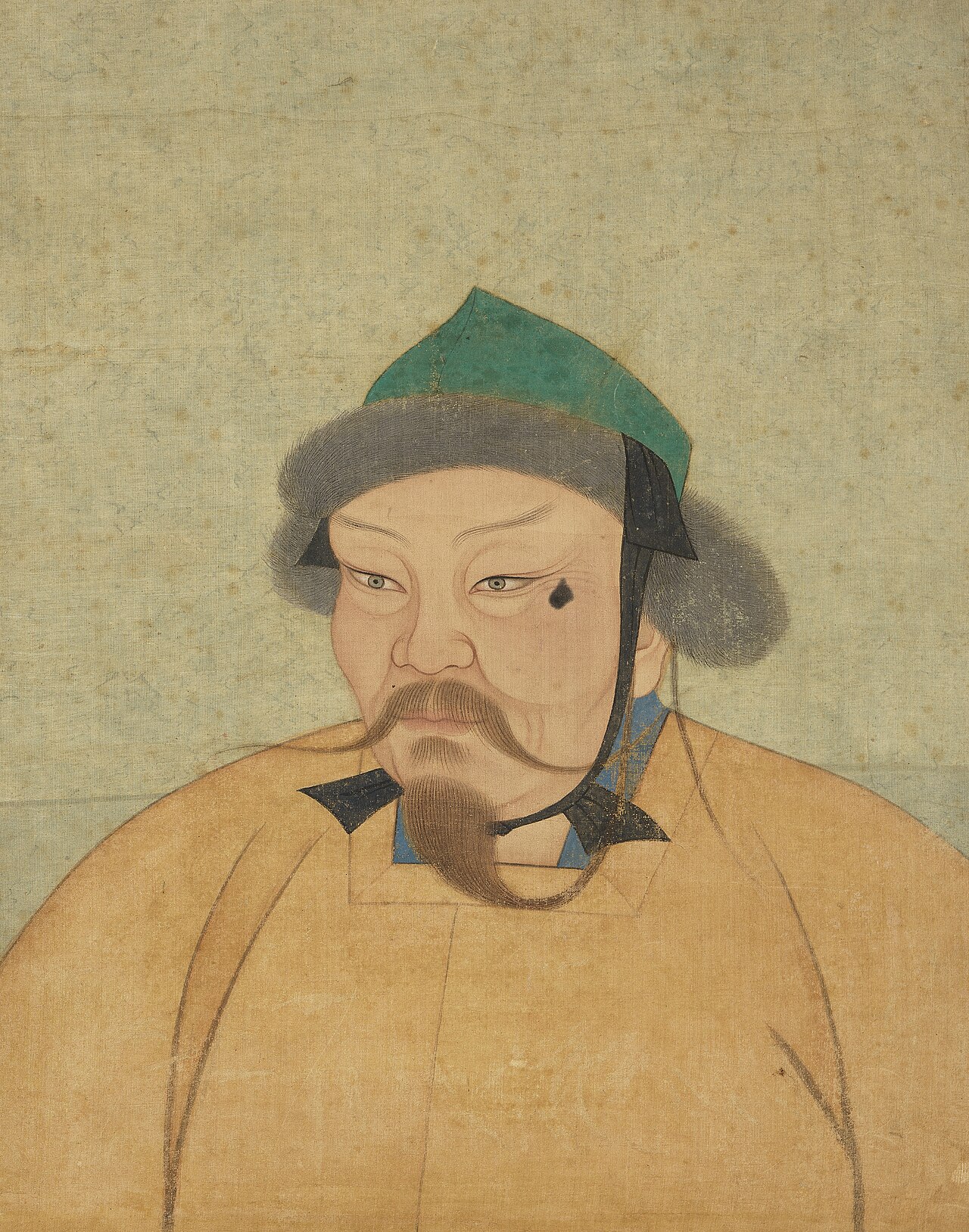 Painting
Secondary source
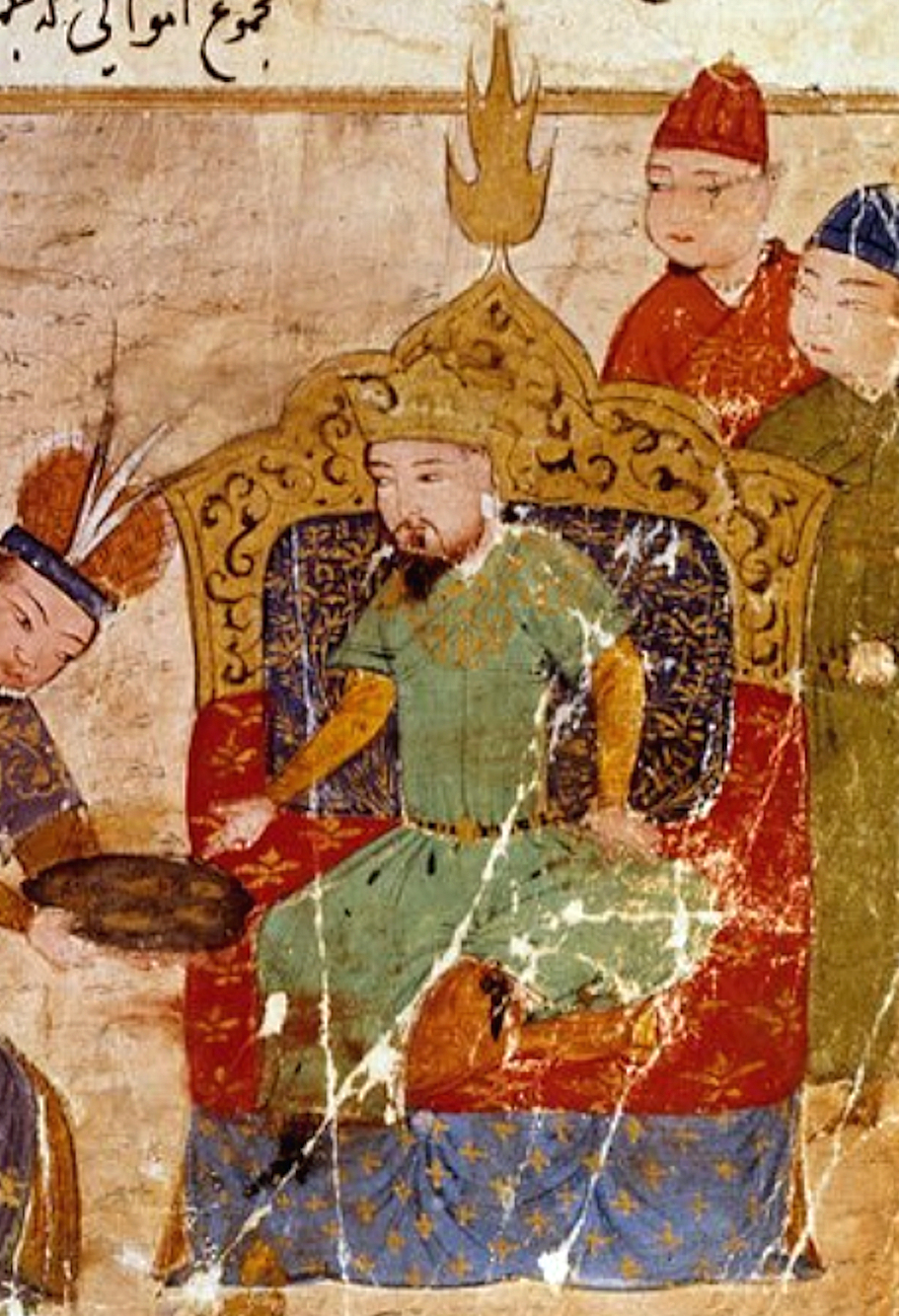
Portrait of Ögedei Khan
 Painting
Secondary source
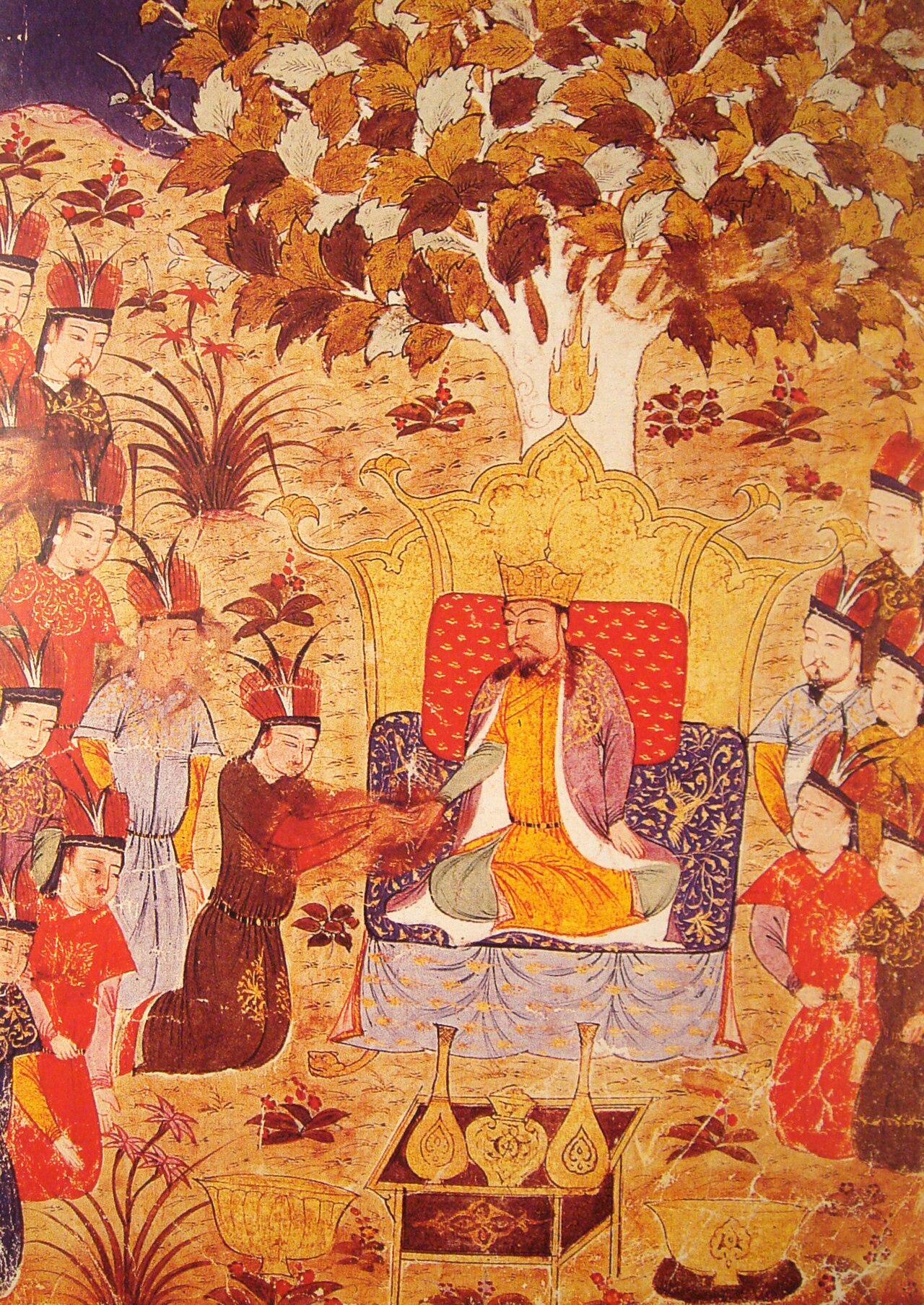
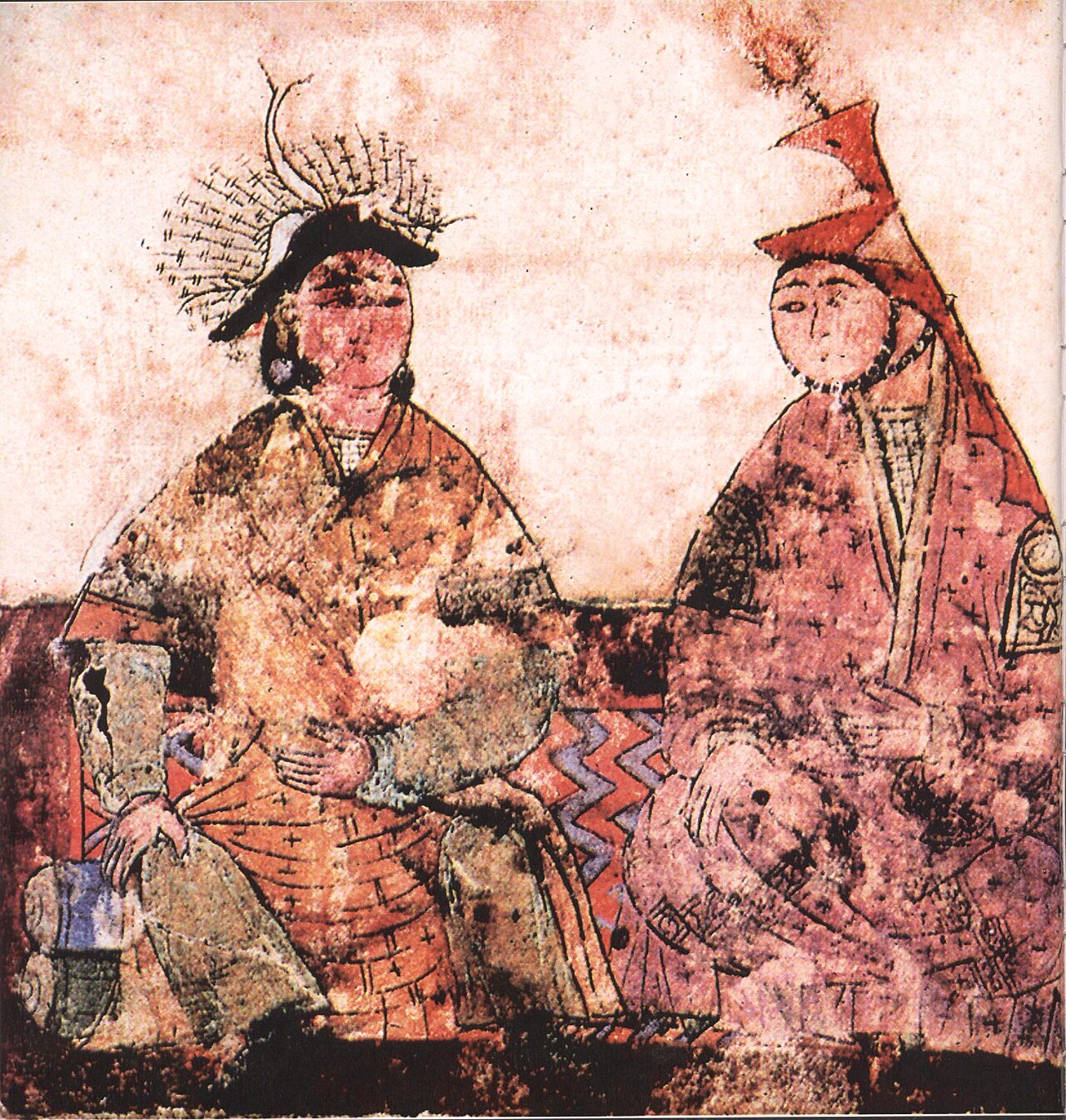
Coronation of Ögedei, 1229
Rashid al-Din · 1229 (depicted event); illustration made later
 Artifact
Primary source
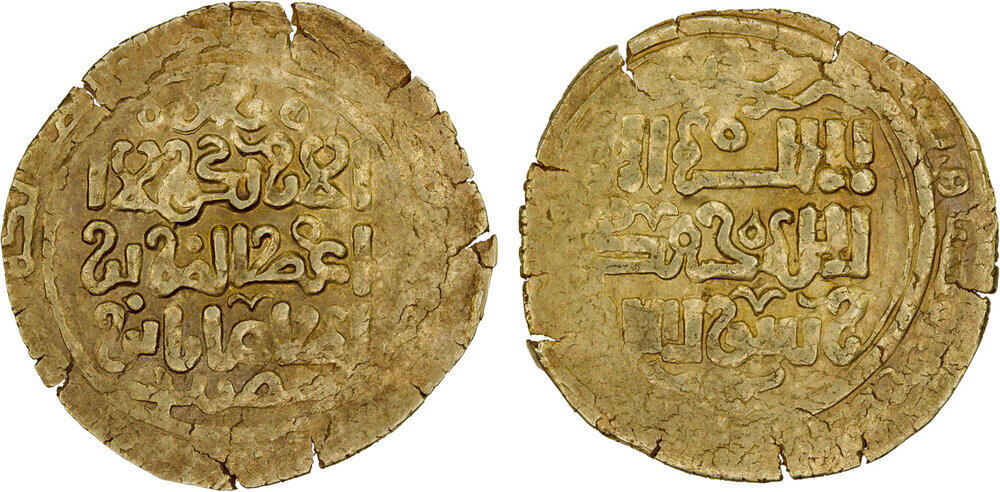
Gold Dinar of Ögedei Khagan from Qaraqorum
Ögedei Khagan · 1227-1241
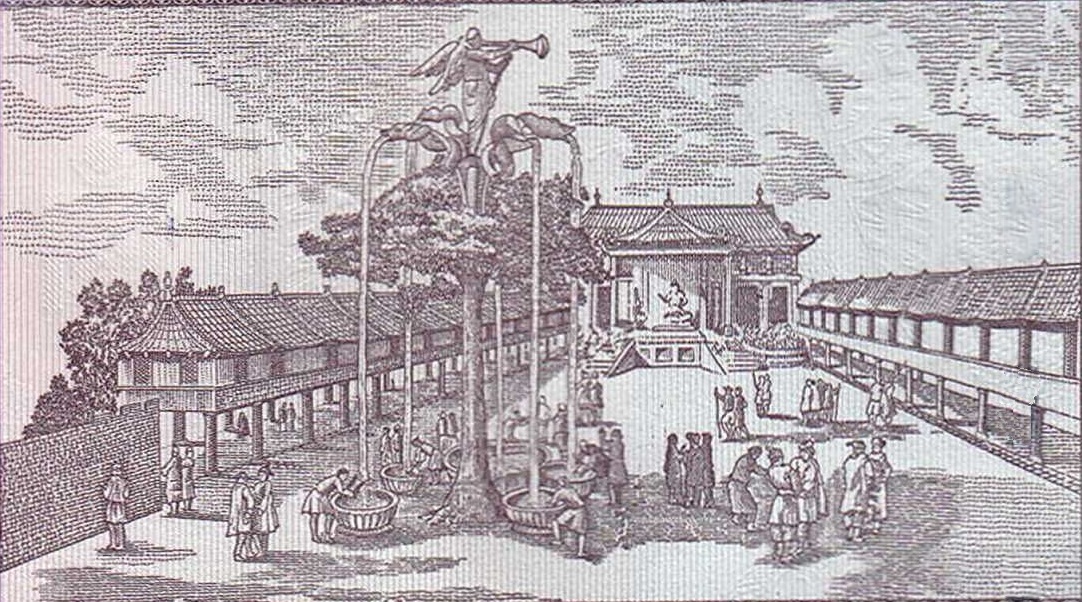 Artifact
Primary source
Karakorum, the Mongol Capital
founded 1220; walls and palace built 1235
Free account
Read every Ögedei Khan source
Sign up free →
Ready when you are
Start chatting with Ögedei Khan now.
20 messages free · No credit card · Available in 50+ languages.