


Secondary sourcePainting
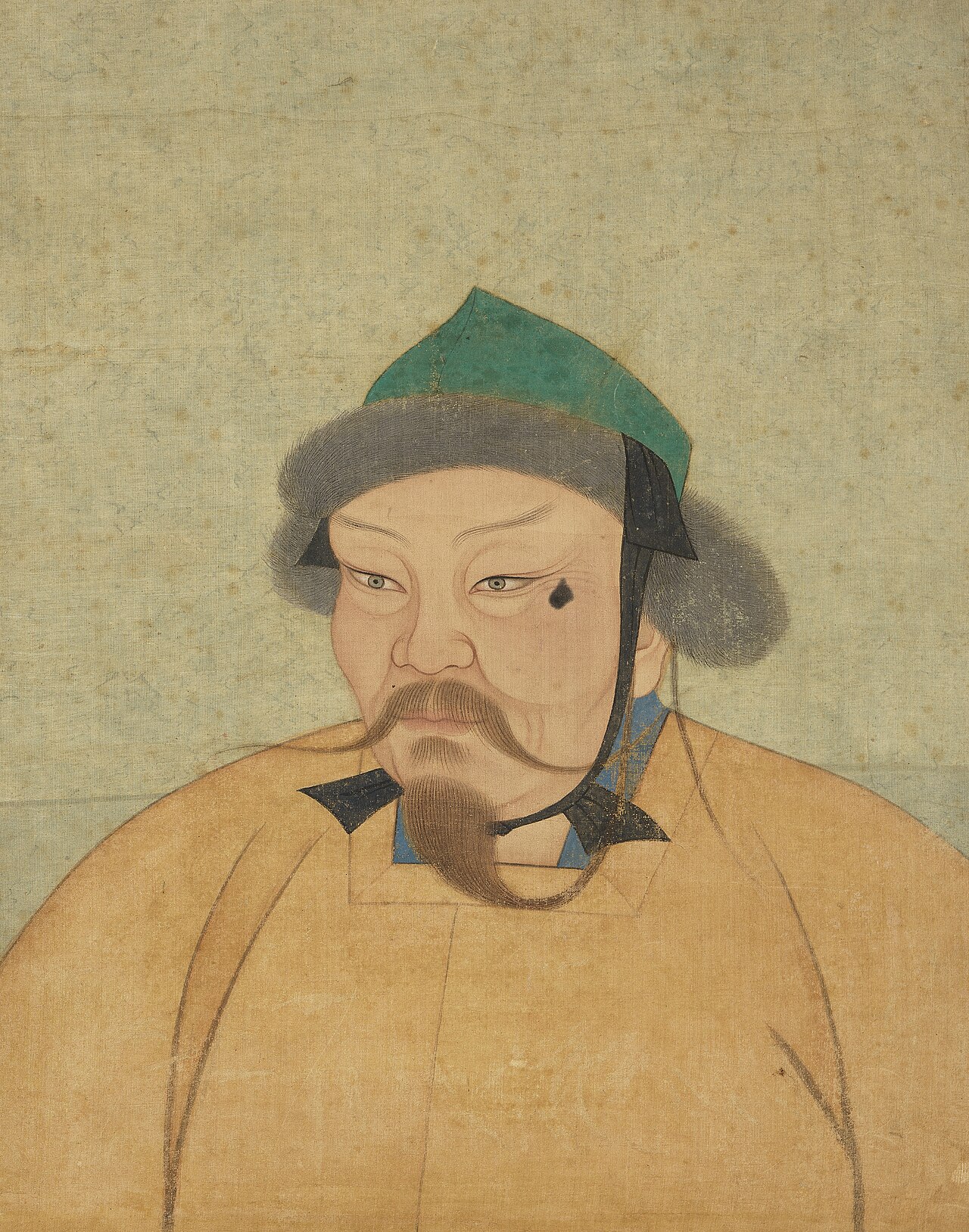
Portrait of Ögedei Khan
An official Yuan court portrait of Ögedei Khan, painted on silk and kept in an imperial album of Yuan emperors.
This is the standard portrait image of Ögedei, created by his Yuan successors to present him as a legitimate Chinese-style emperor.
About this source
What it is
This painted silk portrait of Ögedei Khan comes from an album depicting several Yuan emperors, now held in the National Palace Museum in Taipei. It shows him in a yellow robe and fur-brimmed hat, following the formal style used for official imperial portraits.
Why it matters
The portrait was made long after Ögedei's lifetime, by artists working for his descendants who ruled China as the Yuan dynasty. It shows how the Mongol khans were reshaped into the image of Chinese emperors, with Ögedei given the posthumous title Emperor Taizong. It reveals as much about how later rulers wanted their ancestor remembered as about Ögedei himself.
Look closer
- What details of clothing and pose make this look like a Chinese imperial portrait rather than a steppe ruler's image?
- Why would Yuan court painters want to portray a Mongol khan in this formal Chinese style?
- What can and can't a posthumous court portrait tell us about a real person's appearance?
This painting is part of the curated material that grounds the AI version of Ögedei Khan on Humy.ai — when students ask about related events, the AI can quote it and cite it.
More Ögedei Khan sources
Browse all 26 →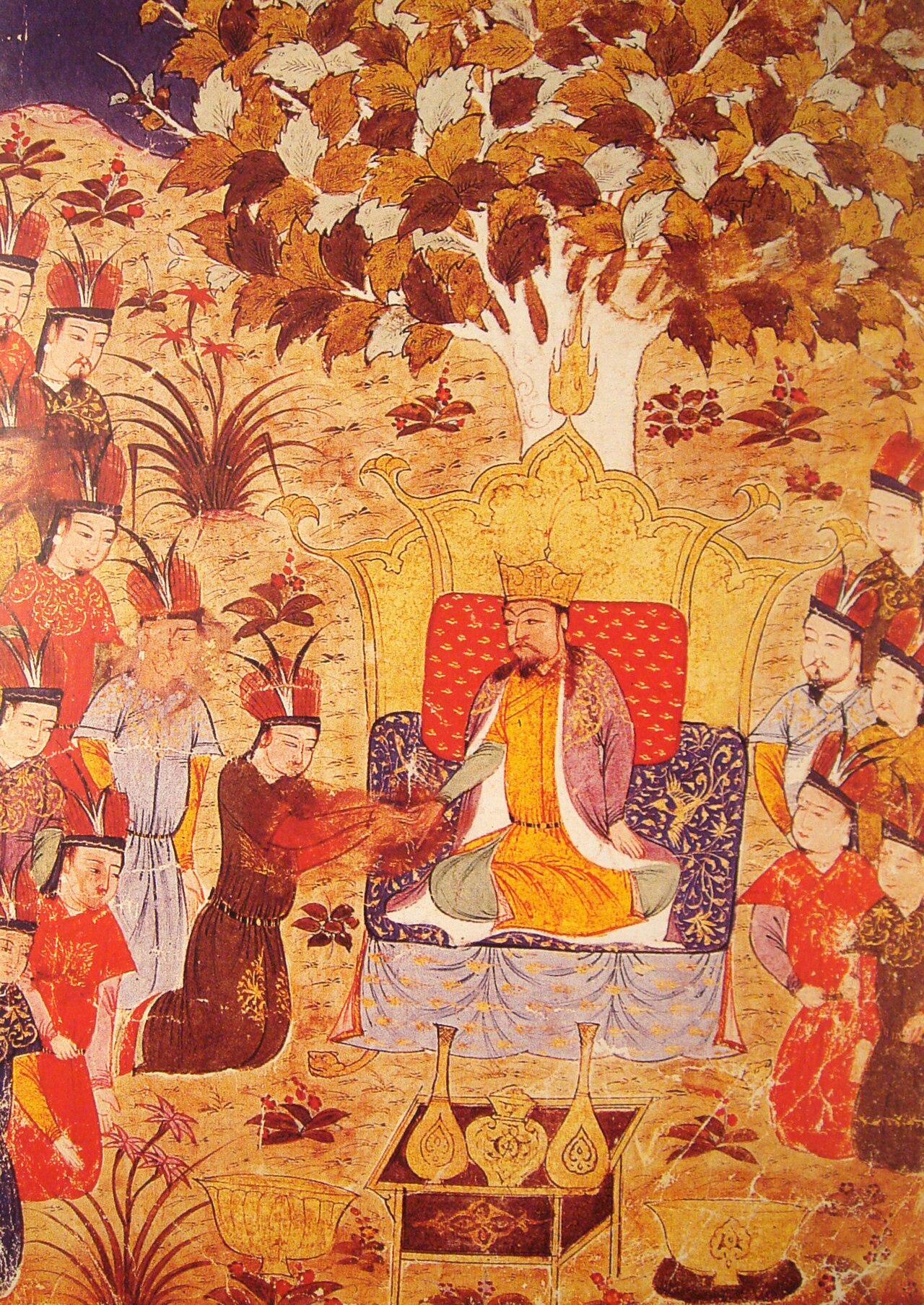 Painting
Secondary source
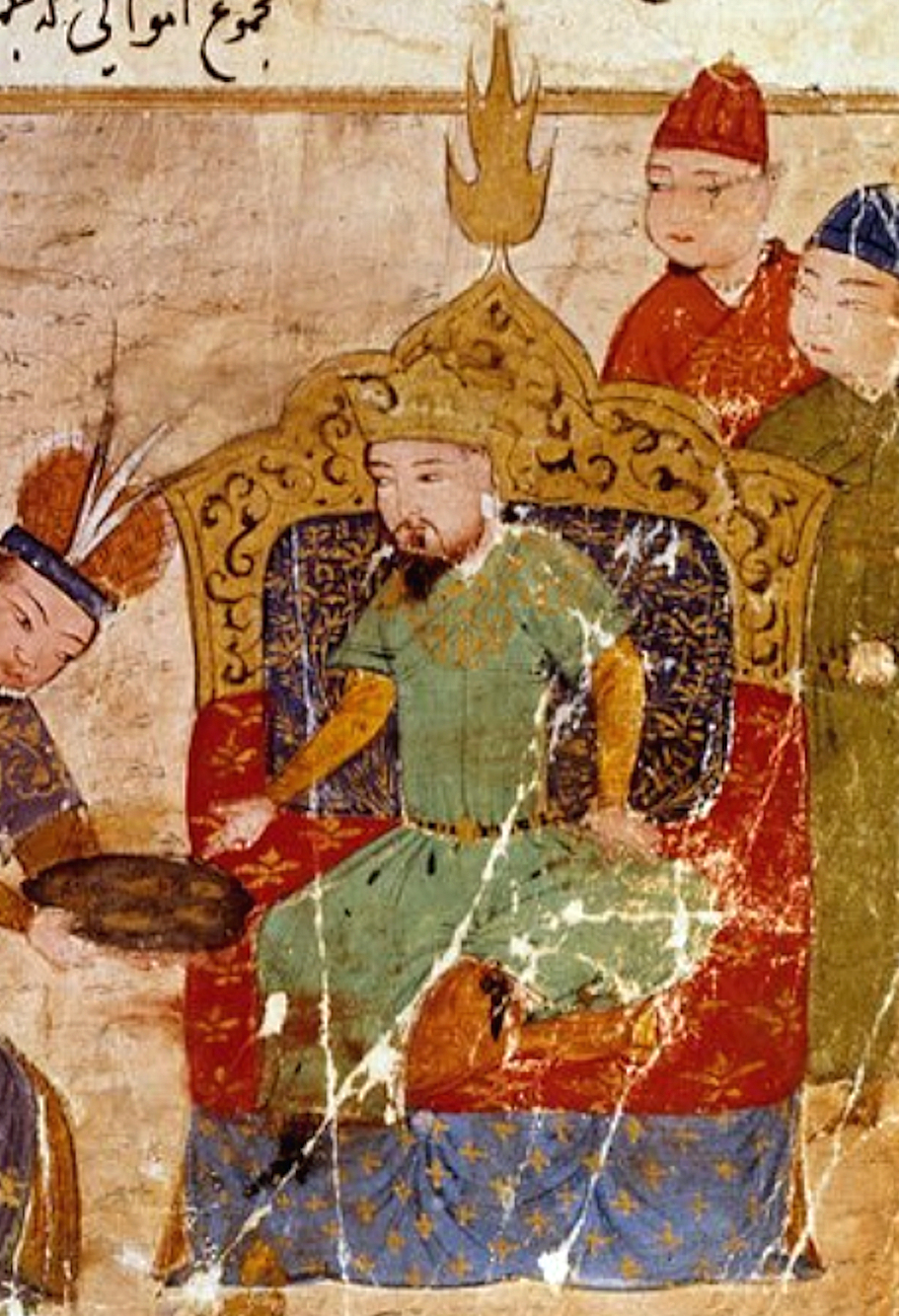
Coronation of Ögedei, 1229
Rashid al-Din · 1229 (depicted event); illustration made later
 Artifact
Primary source
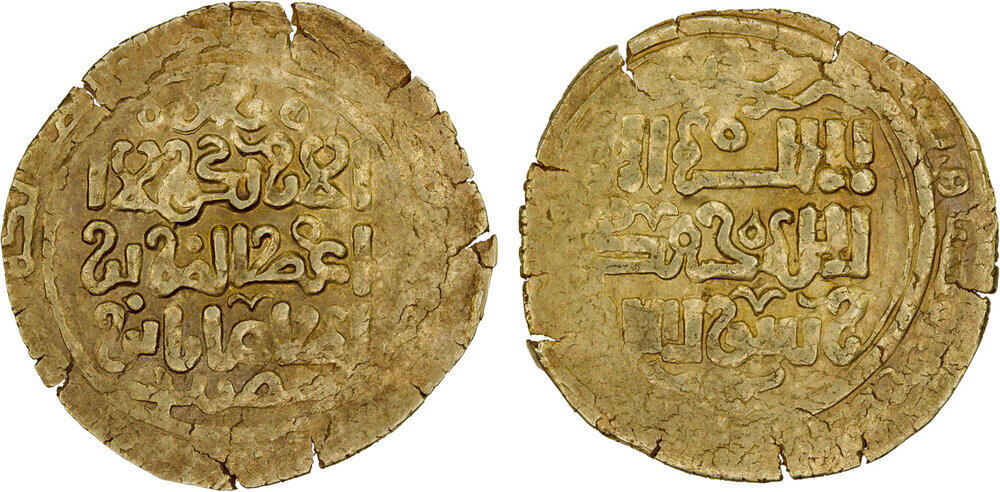
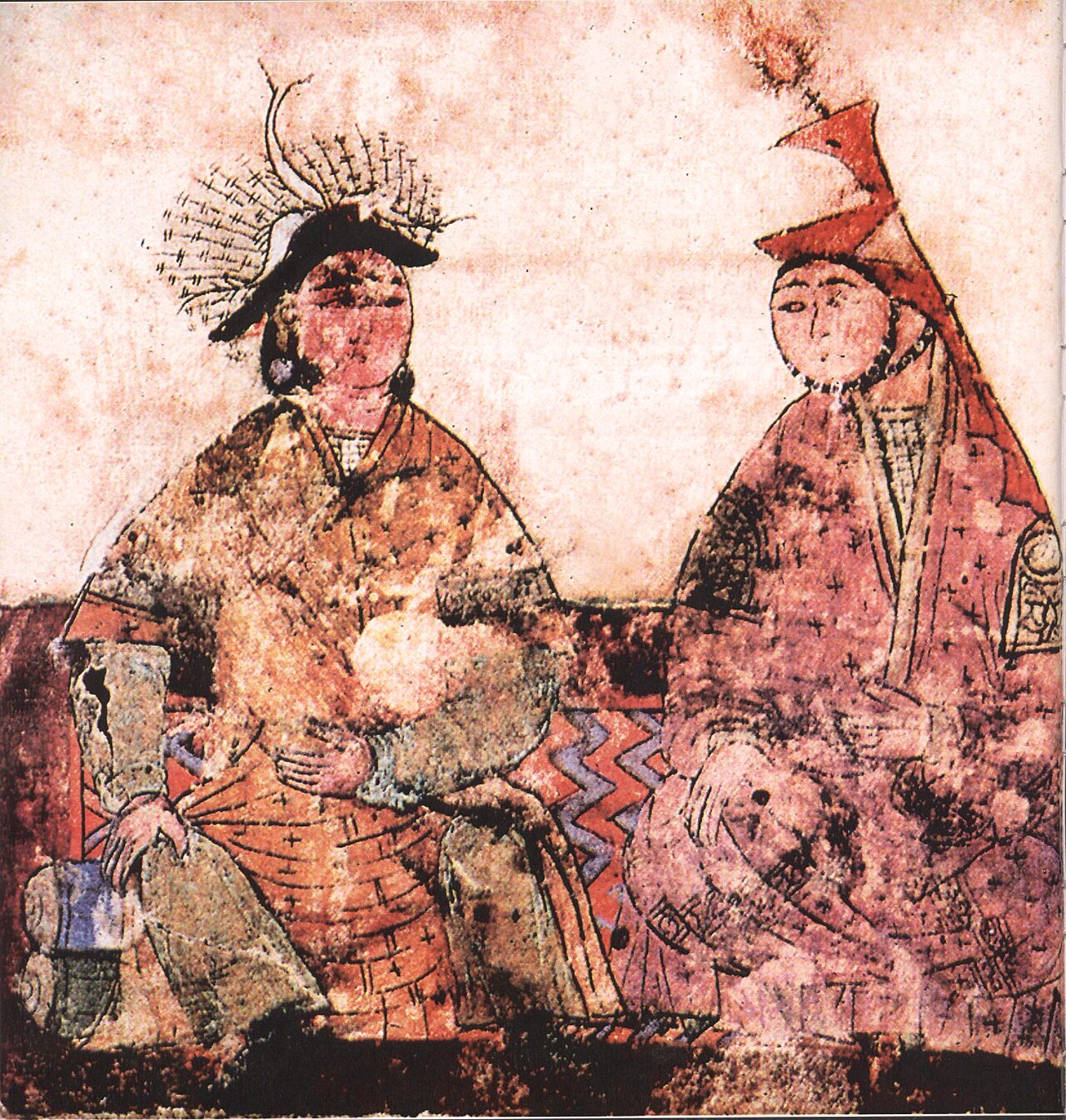
Gold Dinar of Ögedei Khagan from Qaraqorum
Ögedei Khagan · 1227-1241
 Artifact
Primary source
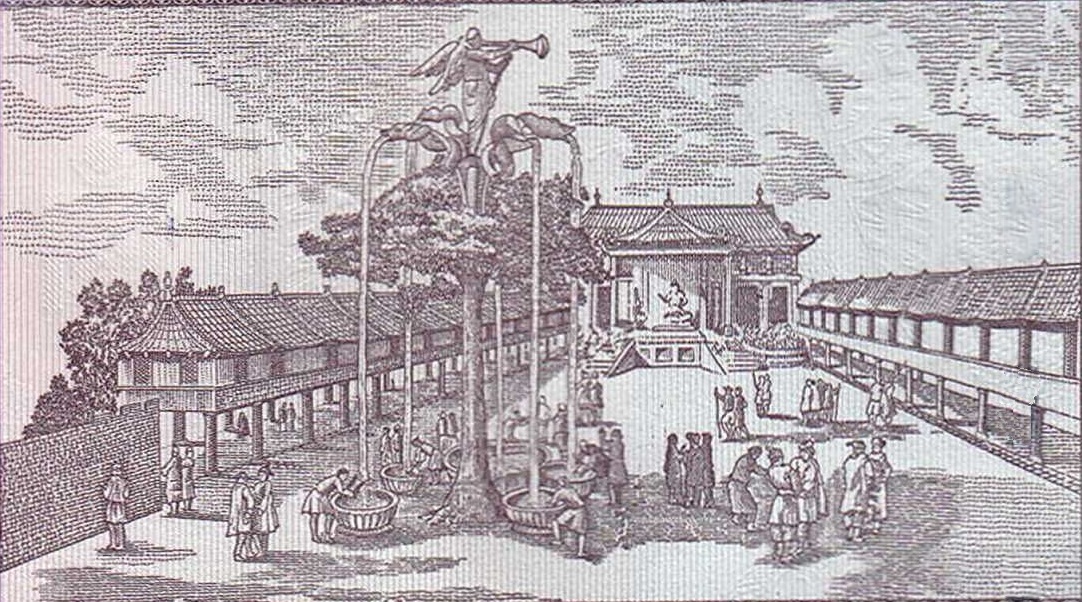
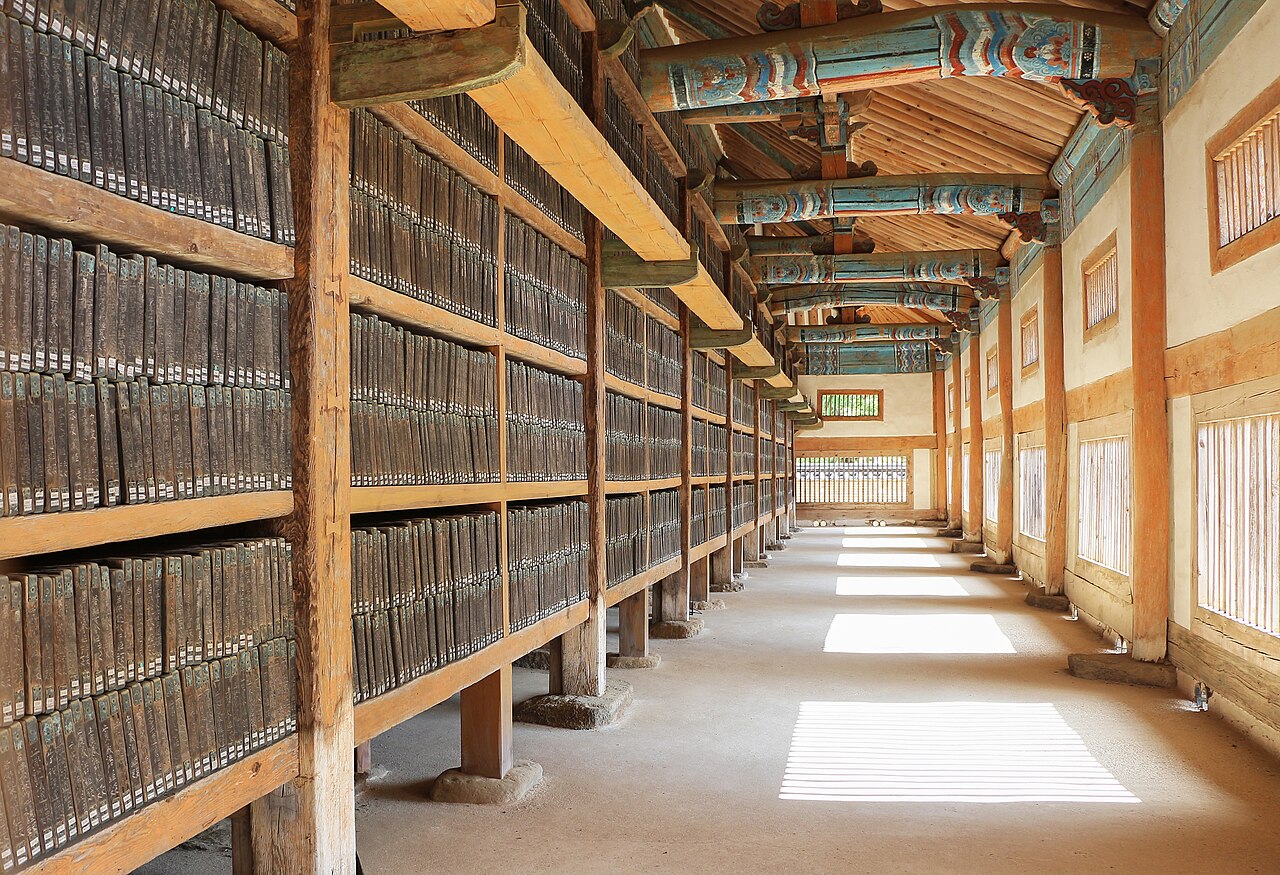
Karakorum, the Mongol Capital
founded 1220; walls and palace built 1235
 Artifact
Secondary source
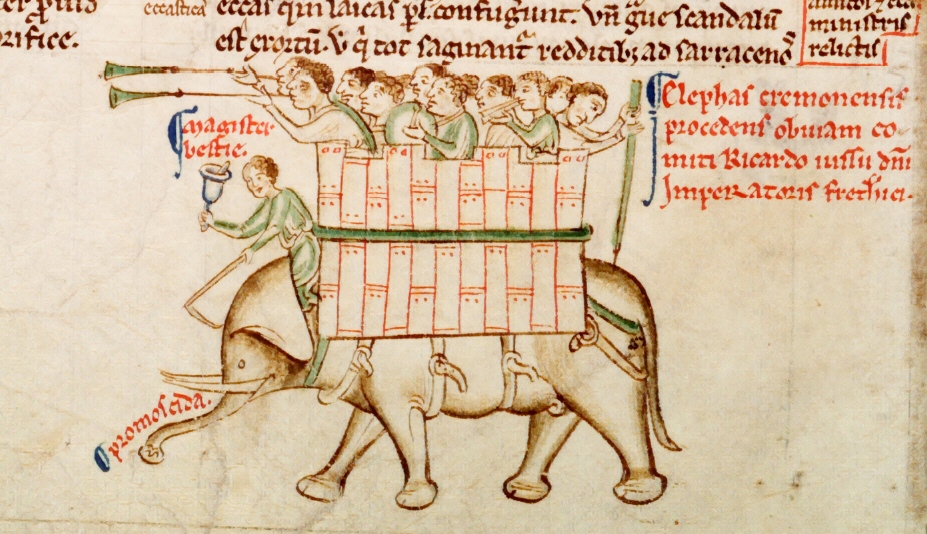
Tripitaka Koreana
1237–1248 (image dated c. 1300)
Free account
Read every Ögedei Khan source
Sign up free →
Ready when you are
Start chatting with Ögedei Khan now.
20 messages free · No credit card · Available in 50+ languages.