


Primary sourceArtifactYongle 17 (1419)
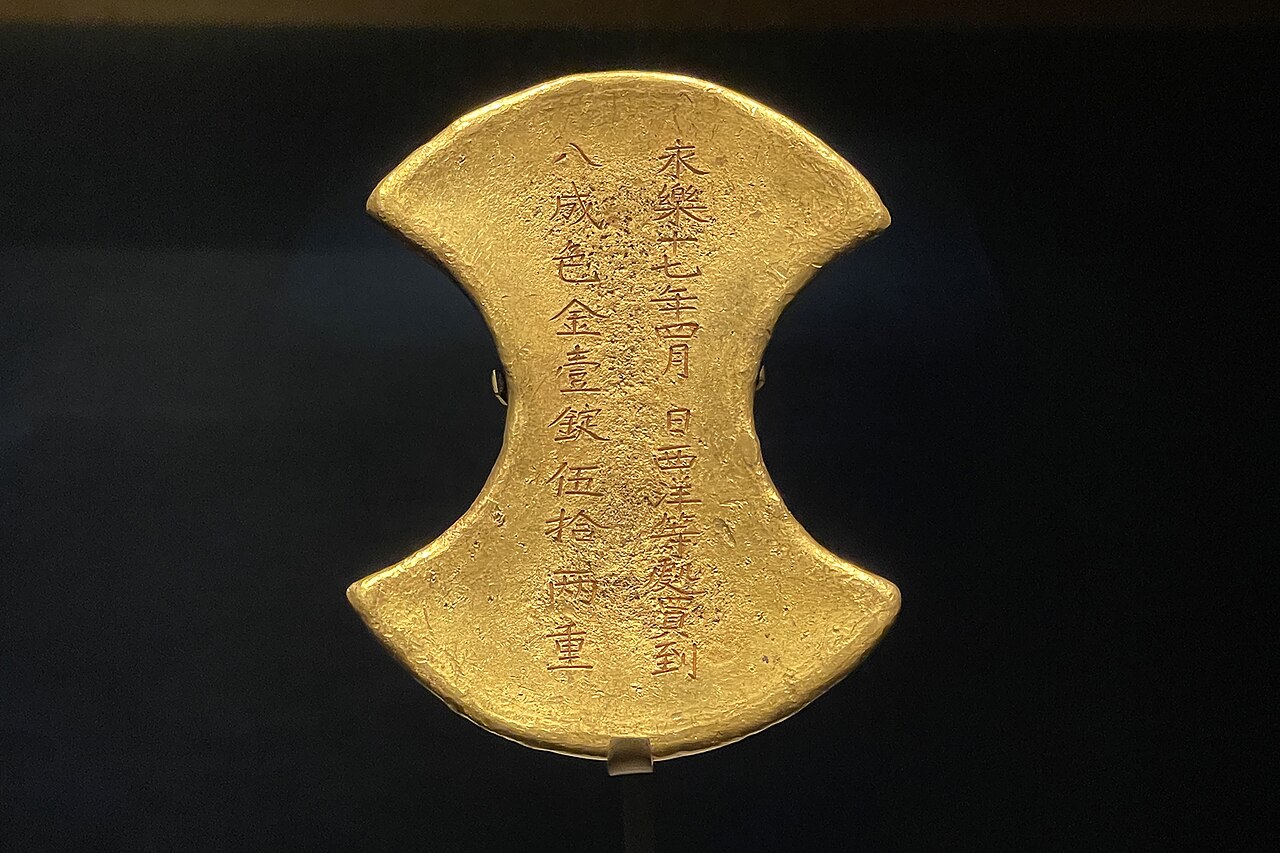
Gold Ingot from the Tomb of Prince Zhuang of Liang
Yongle 17 (1419)
A gold ingot inscribed as purchased in the 'Western Ocean' during Yongle's reign, linking it to Zheng He's treasure voyages.
This gold ingot, bought during Zheng He's voyages under Yongle's reign, shows the overseas trade his court sponsored.
About this source
What it is
A saddle-shaped gold ingot excavated from the tomb of Prince Zhuang of Liang in Zhongxiang City, Hubei Province. Its inscription states the gold was bought in the 'Western Ocean' in the 17th year of the Yongle reign.
Why it matters
This ingot is physical evidence connecting the Yongle Emperor's court to the maritime trade carried out by Admiral Zheng He's treasure fleet on its voyages to the Western Ocean. It shows how imperial wealth was tied directly to overseas trade and exploration sponsored by the emperor.
Look closer
- What does the inscription tell us about where the gold came from?
- Why might an object like this survive in a tomb rather than a palace?
- How does this object connect the emperor's reign to events happening far from the Chinese capital?
This artifact is part of the curated material that grounds the AI version of Yongle Emperor on Humy.ai — when students ask about related events, the AI can quote it and cite it.
More Yongle Emperor sources
Browse all 87 →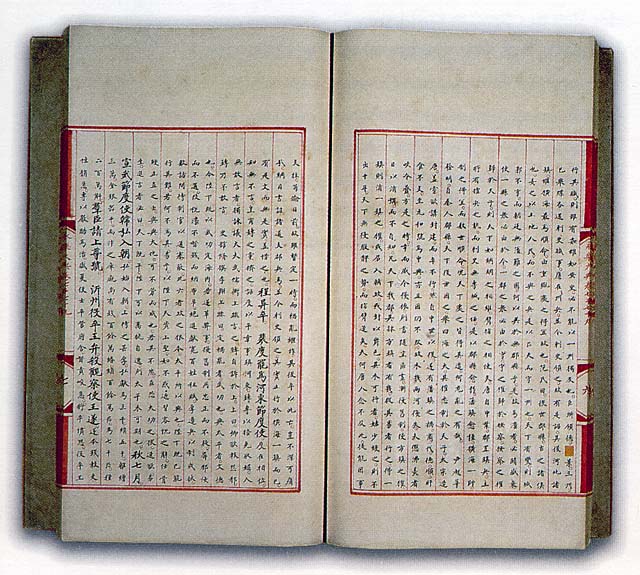 Book
Primary source
Yongle Encyclopedia
Various scholars led by Xie Jin · 1403-1408
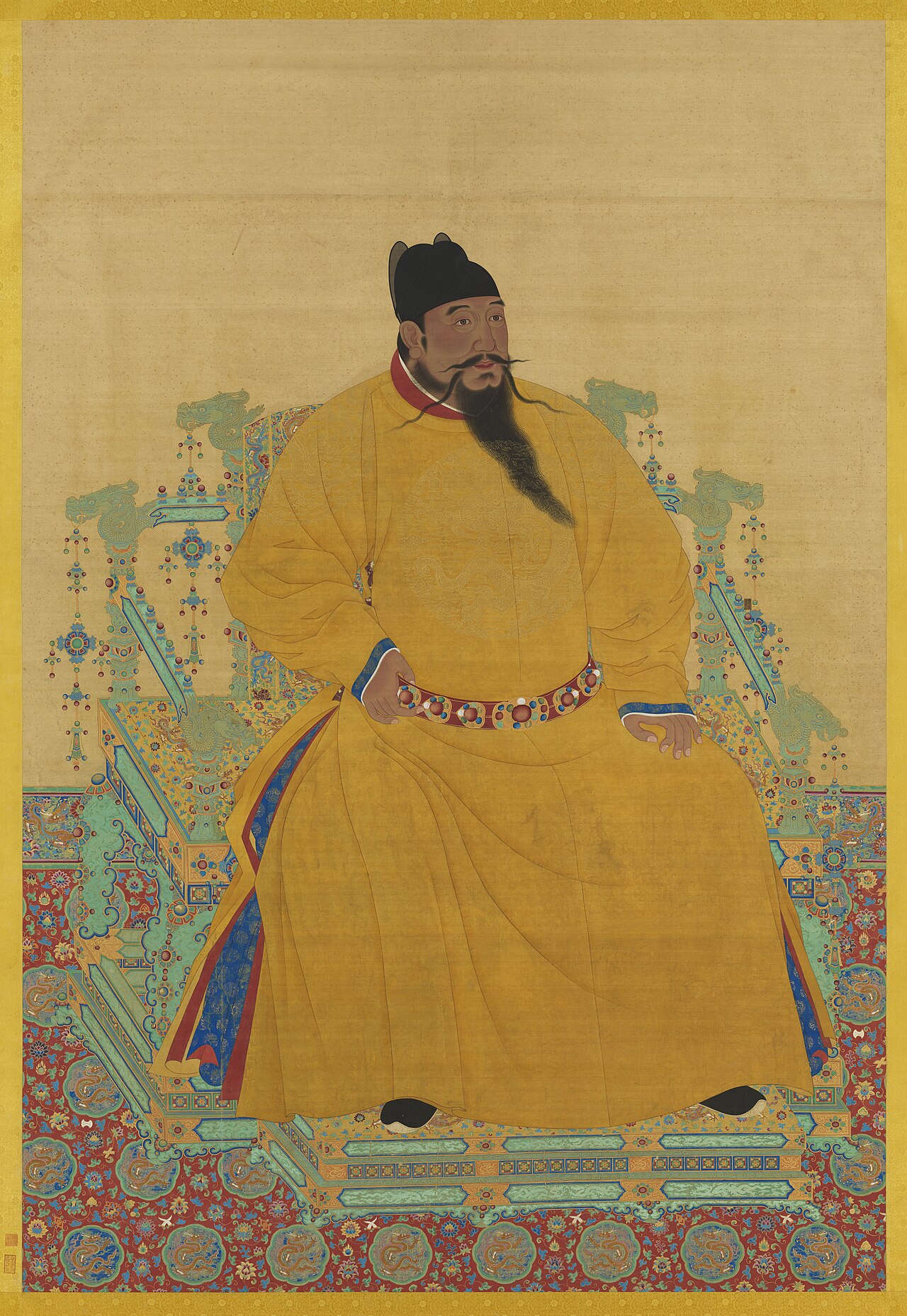 Painting
Secondary source
Seated Portrait of Ming Chengzu
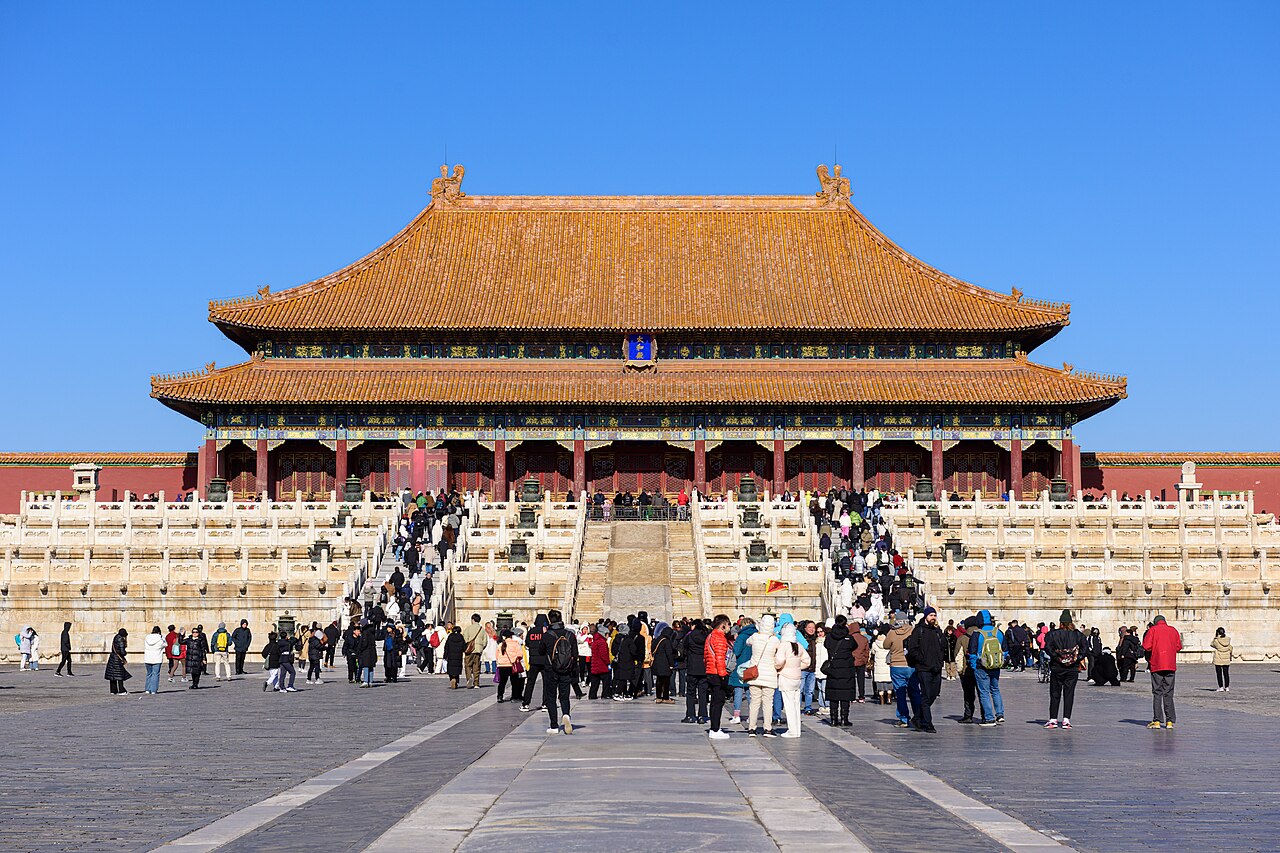 Artifact
Primary source
Forbidden City
1406-1420
 Artifact
Primary source
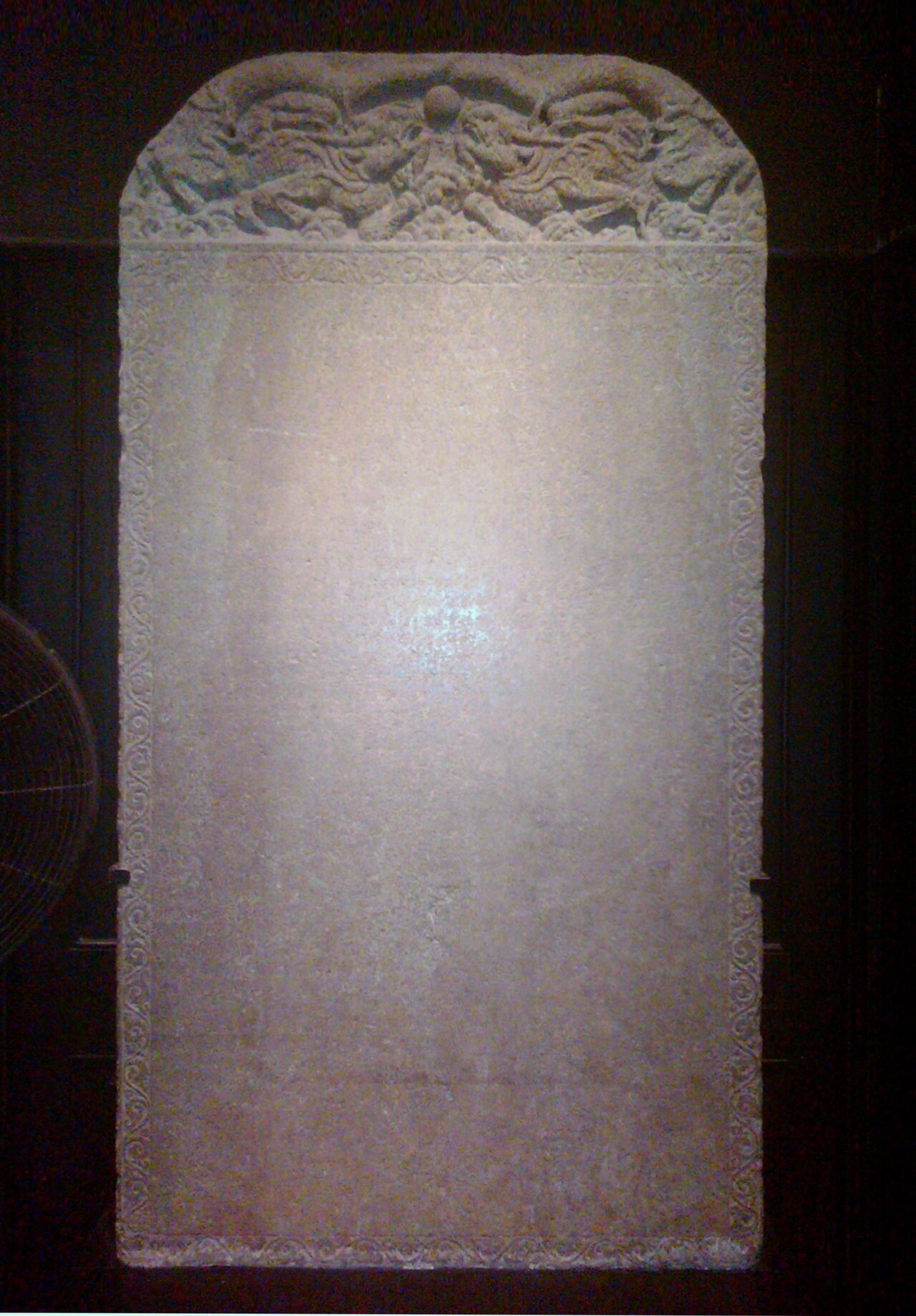
Galle Trilingual Stele
15 February 1409
Free account
Read every Yongle Emperor source
Sign up free →
Ready when you are
Start chatting with Yongle Emperor now.
20 messages free · No credit card · Available in 50+ languages.