


Primary sourceArtifactc. 534–538
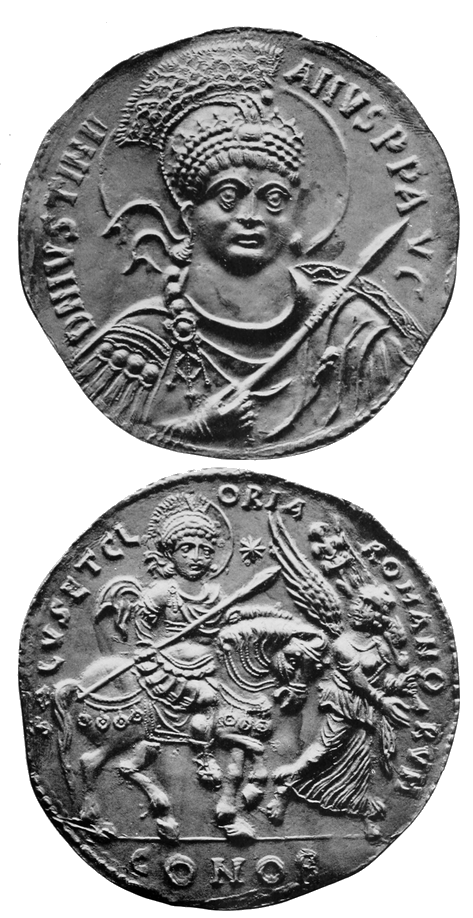
Gold Medallion of Justinian I
Imperial mint, Constantinople · c. 534–538
A huge commemorative gold medallion from the Constantinople mint showing Emperor Justinian armed on horseback, celebrating his military victories.
This medallion was made during Justinian's reign to depict him in triumph, directly projecting his imperial image.
About this source
What it is
This gold medallion was struck at the imperial mint in Constantinople around 534–538. The original was stolen and lost in 1831; what survives today is an electrotype cast held, alongside records of it, at the Bibliothèque nationale de France and the British Museum.
One side shows a helmeted, diademed bust of Justinian holding a spear, with a Latin inscription around the rim. The other shows the emperor on horseback trampling a fallen enemy, approached by a winged Victory figure, with the inscription "Victoria Romanorum" (Victory of the Romans).
Why it matters
Imperial coins and medallions were a key way Roman and Byzantine rulers broadcast their image and achievements across the empire. This piece was made to celebrate Justinian's military victories and project an image of unstoppable imperial power.
Look closer
- Why would an emperor want his image on something people carried and used every day?
- What does the trampling scene suggest the mint wanted viewers to feel about Justinian?
- Why do we only have a cast copy rather than the original object?
This artifact is part of the curated material that grounds the AI version of Justinian I on Humy.ai — when students ask about related events, the AI can quote it and cite it.
More Justinian I sources
Meet the AI Justinian I →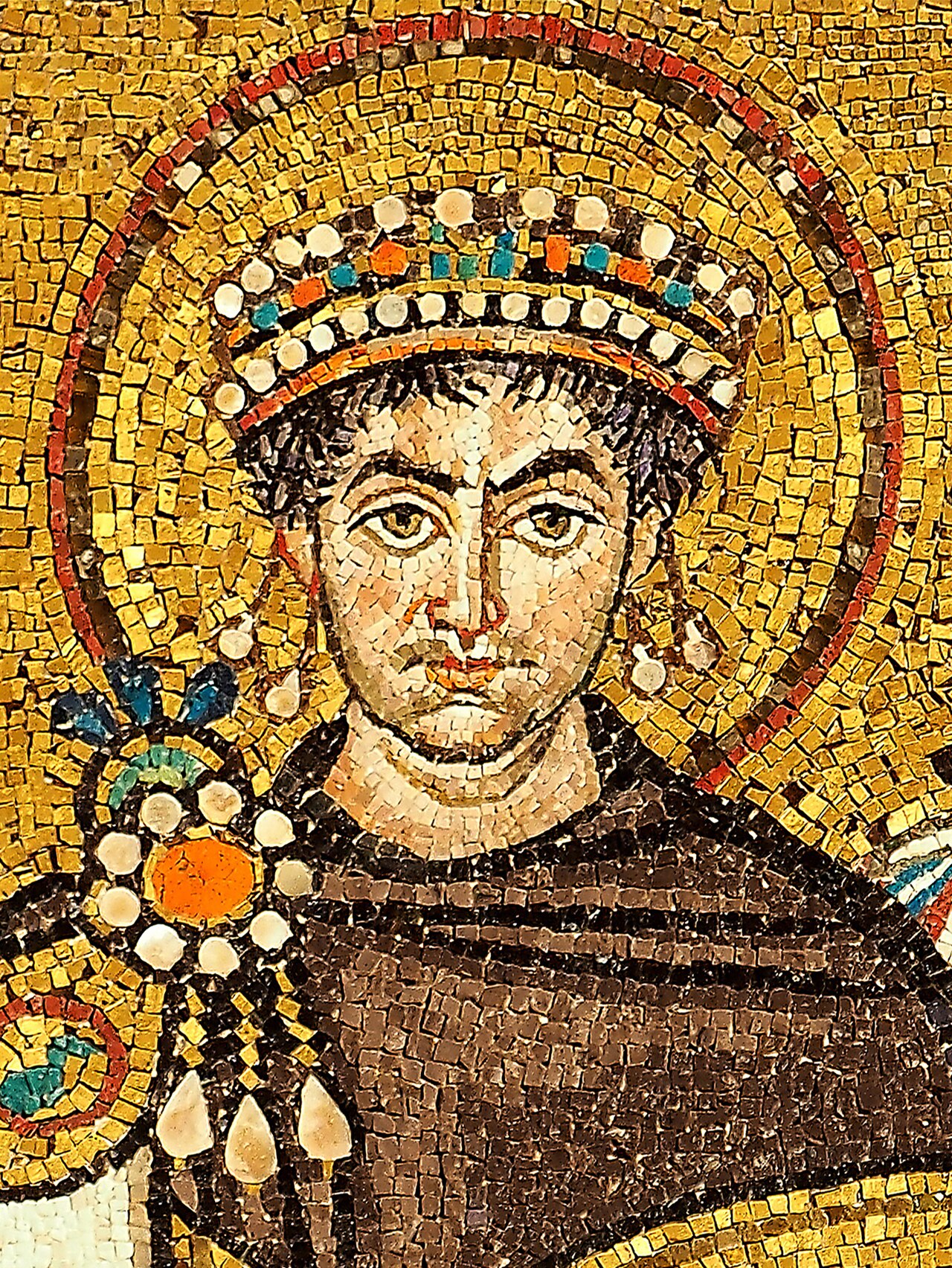 Artifact
Primary source
Portrait of Justinian I, San Vitale Mosaic
Byzantine mosaicists · c. 547
 Painting
Secondary source
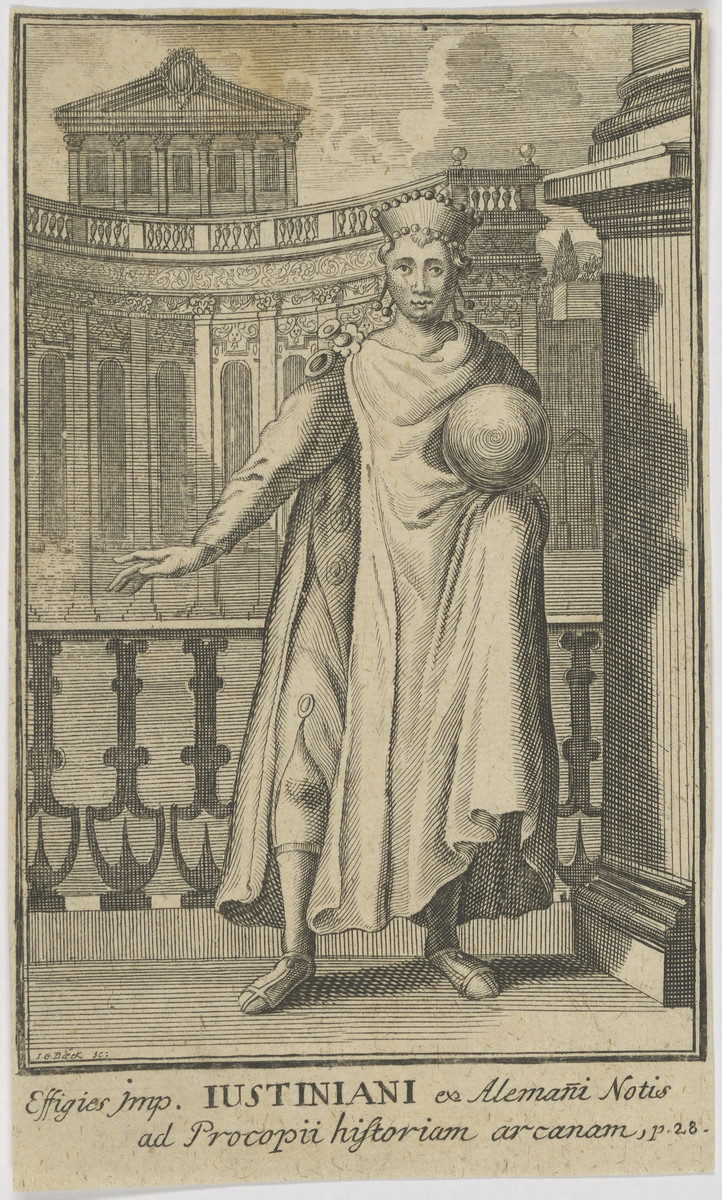
Portrait of Emperor Justinian
Johann Friedrich Böck
 Document
Primary source
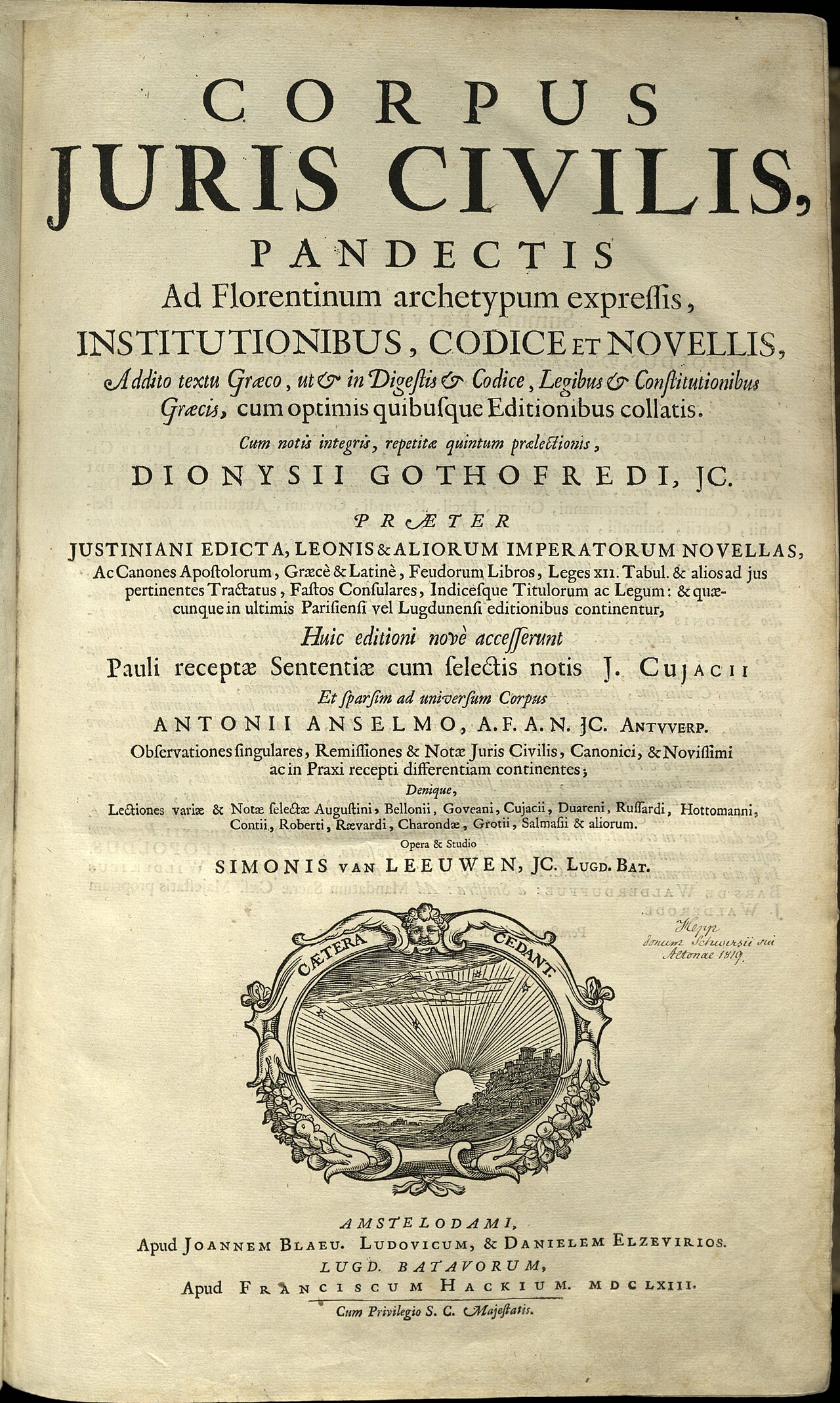
Corpus Juris Civilis
Tribonian · 528-534
 Artifact
Primary source
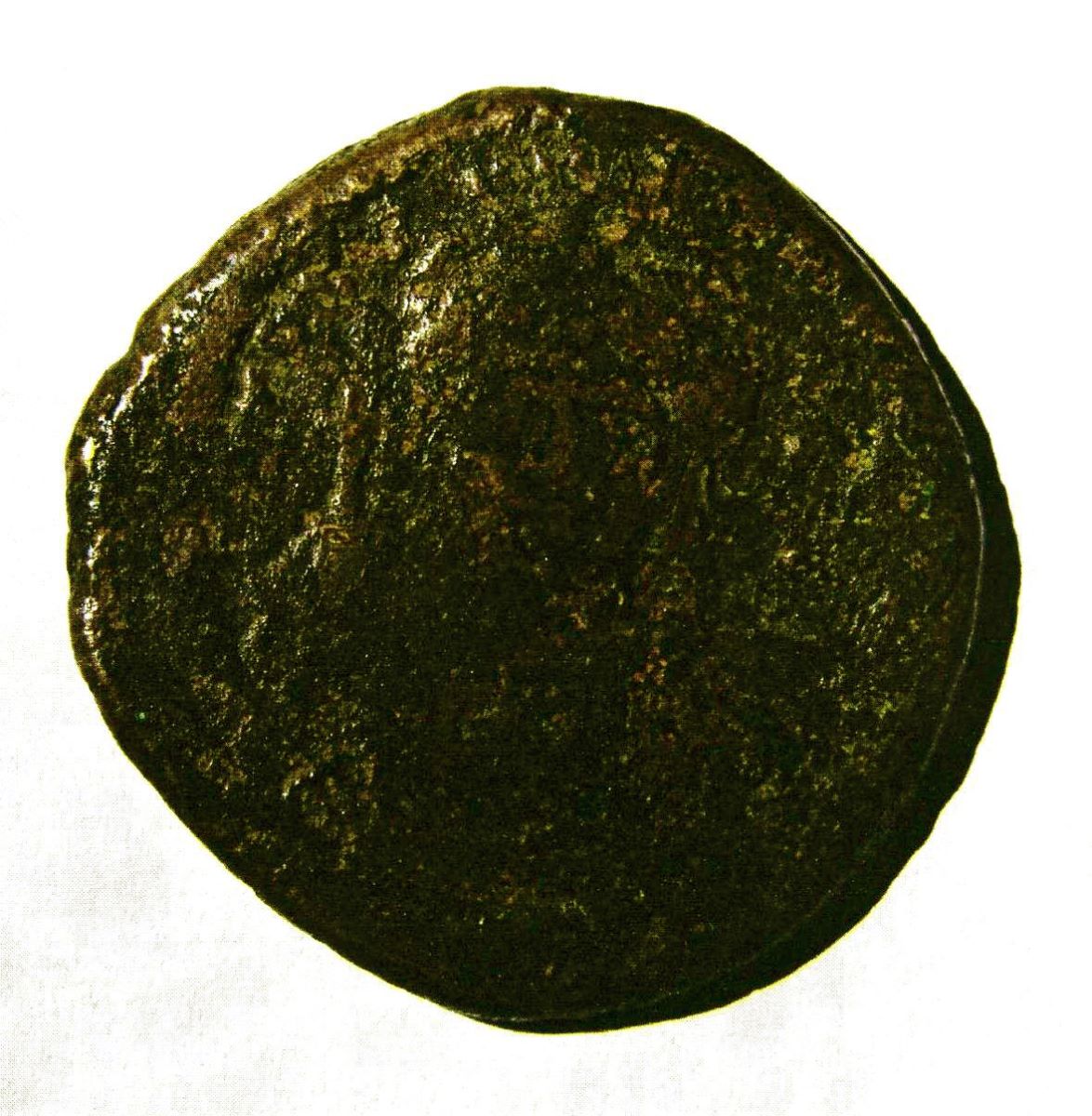
Bronze Follis of Justinian I with Globus Cruciger
 Artifact
Secondary source
Hagia Sophia
Isidore of Miletus and Anthemius of Tralles · 532-537 CE
Ready when you are
Start chatting with Justinian I now.
20 messages free · No credit card · Available in 50+ languages.