


Primary sourceArtifact1762
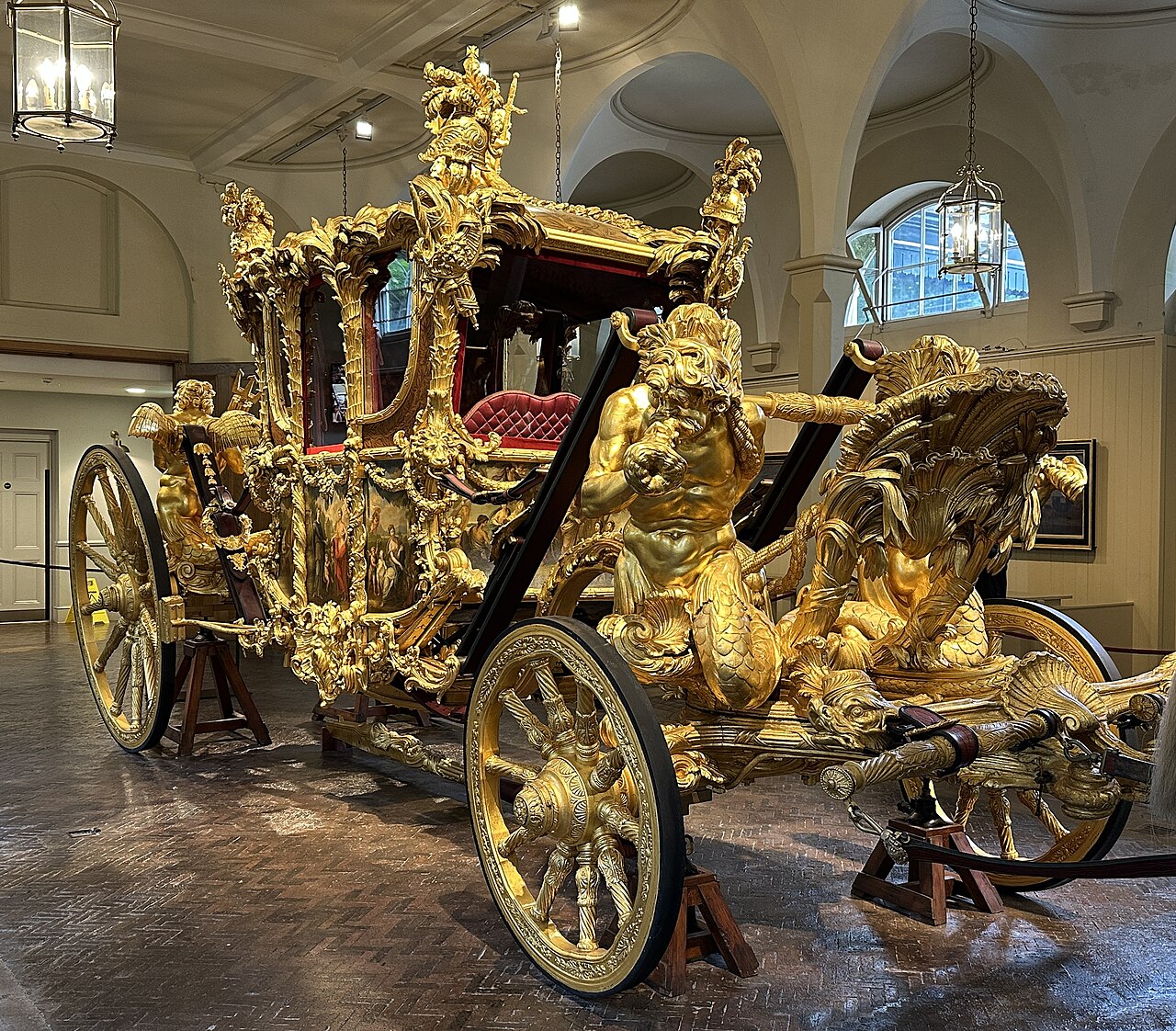
Gold State Coach
Giovanni Battista Cipriani · 1762
A lavishly gilded ceremonial coach commissioned for George III in 1762, still used at coronations today.
Commissioned for George III in 1760–1762 and first used in his reign, this coach remains a lasting symbol of his monarchy.
About this source
What it is
The Gold State Coach is an enclosed, eight-horse-drawn carriage commissioned in 1760 for King George III and designed by William Chambers, with painted panels by Giovanni Battista Cipriani and carvings by sculptor Joseph Wilton. Built in London and completed in 1762, it is kept at the Royal Mews, Buckingham Palace.
Why it matters
First used by George III at the State Opening of Parliament in 1762, the coach became a symbol of royal ceremony, used at every coronation since William IV in 1831. Its carvings celebrate Britain's naval power and its victory in the Seven Years' War, showing how George III's reign connected to Britain's growing global and military status.
Look closer
- What do the carved tritons, cherubs and crowns tell us about how the monarchy wanted to be seen?
- Why might later monarchs, including Queen Victoria, have disliked riding in it?
- What does the coach's continued use centuries later suggest about tradition in British royal ceremony?
This artifact is part of the curated material that grounds the AI version of George III on Humy.ai — when students ask about related events, the AI can quote it and cite it.
More George III sources
Meet the AI George III →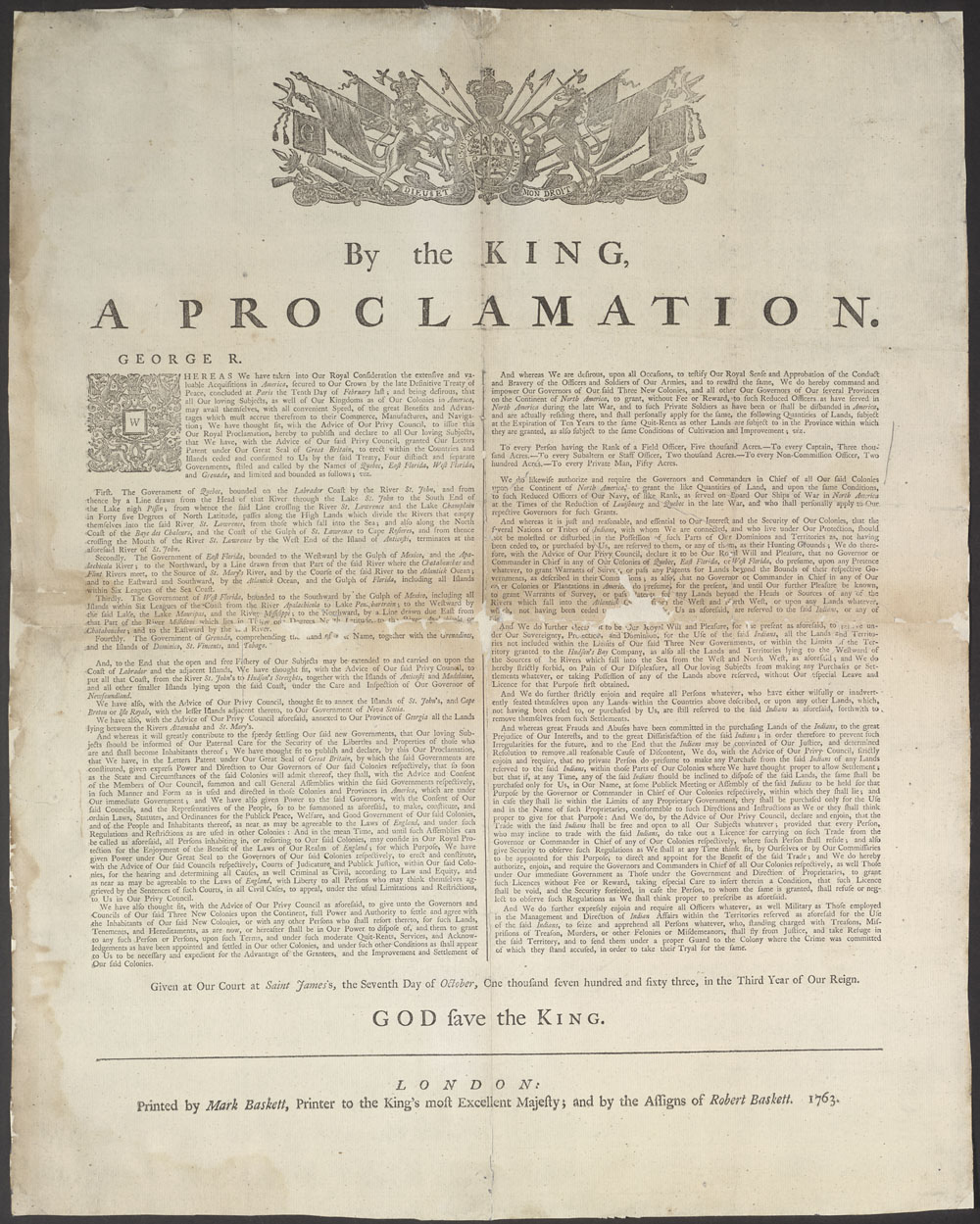 Document
Primary source
Royal Proclamation of 1763
7 October 1763
 Painting
Primary source
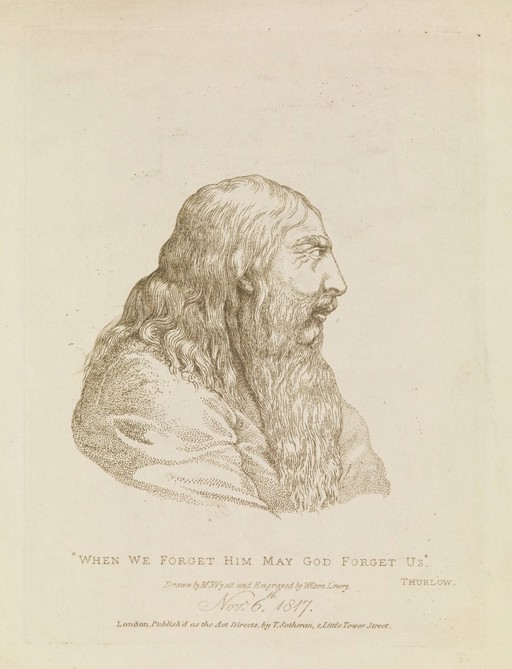
King George III, Etching by Wilson Lowry after M. C. Wyatt
Matthew Coates Wyatt · 6 November 1817
 Painting
Primary source
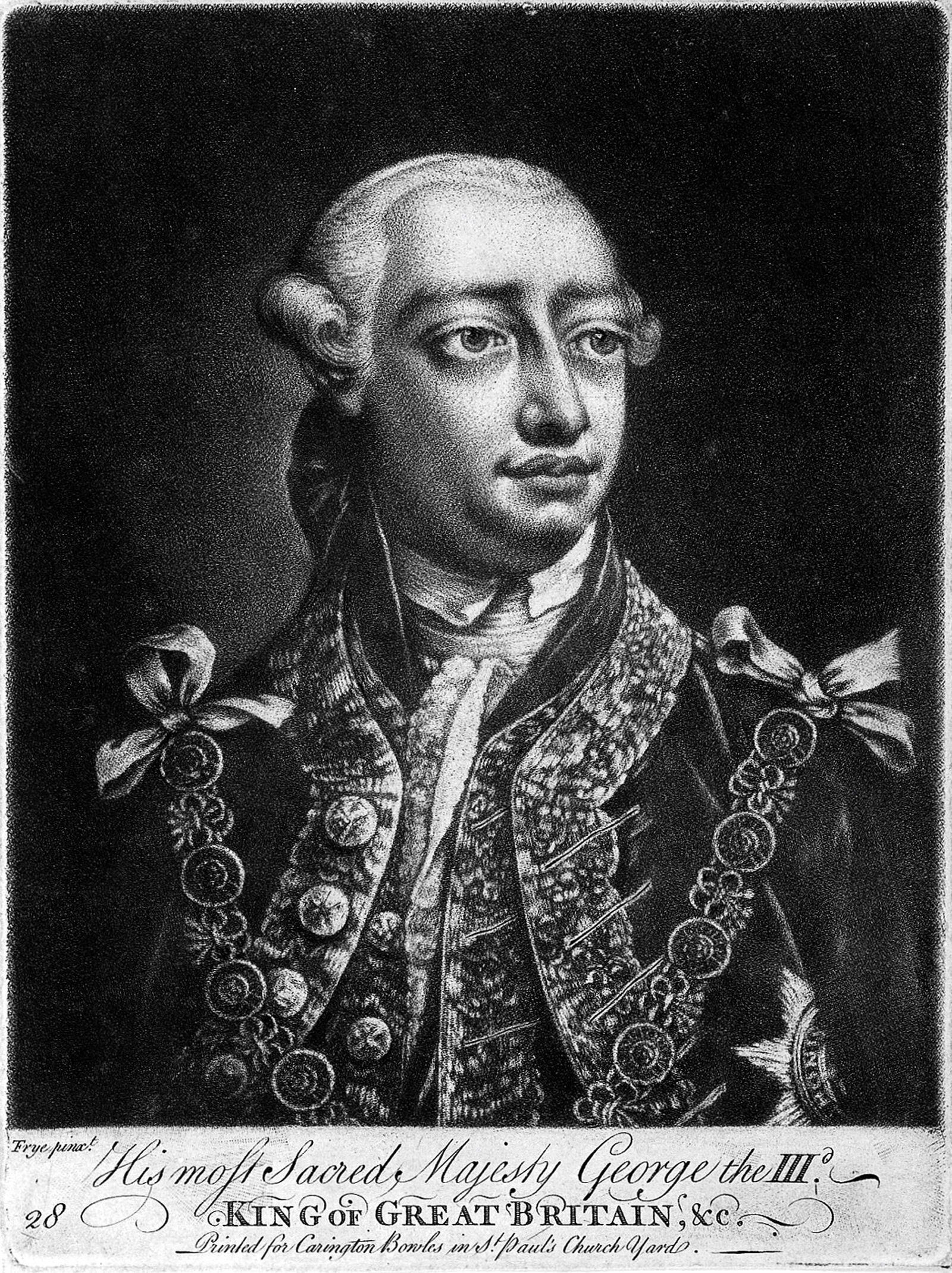
King George III, Mezzotint after Thomas Frye
Thomas Frye · not later than 1762
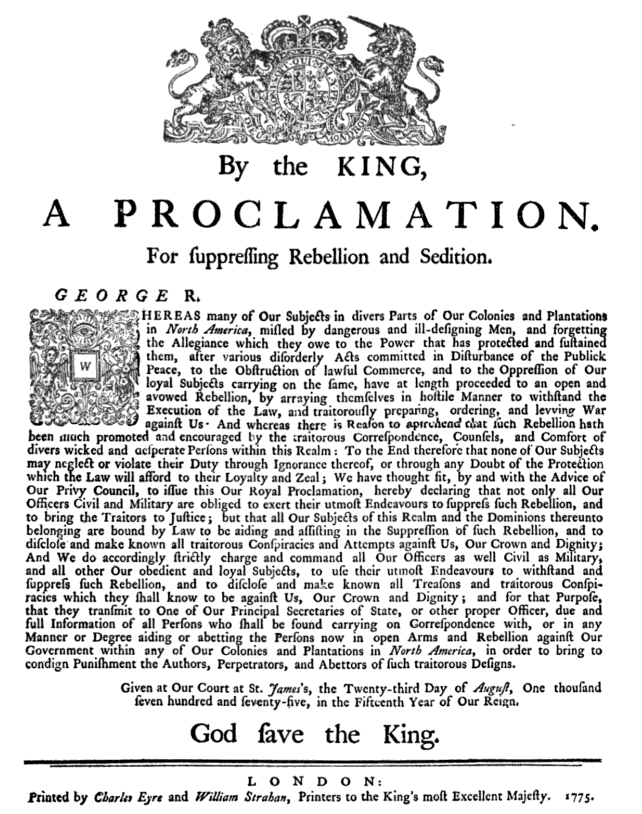 Document
Primary source
Proclamation of Rebellion
George III of Great Britain · 23 August 1775
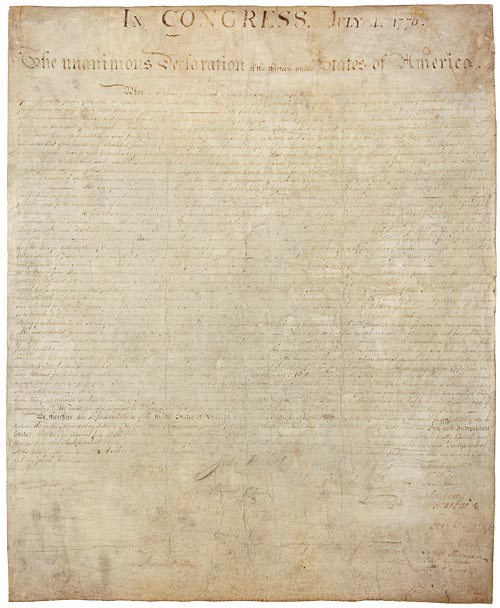 Document
Primary source
Declaration of Independence
Continental Congress (drafted by Thomas Jefferson) · 1776
Ready when you are
Start chatting with George III now.
20 messages free · No credit card · Available in 50+ languages.