


Primary sourceArtifact1520/1521 (AH 926)
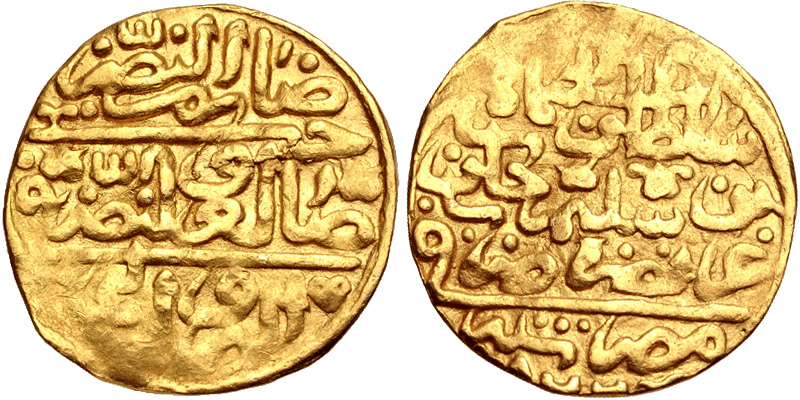
Gold Sultani Coin of Suleiman I
Ottoman imperial mints · 1520/1521 (AH 926)
A gold coin struck in Suleiman's name at the Cairo mint, showing his royal titles and the wide monetary reach of his empire.
This coin was struck in Suleiman's name, showing how his authority spread through currency across his empire.
About this source
What it is
This is a gold sultani coin struck at the Cairo mint in the Ottoman Empire, dated to the start of Suleiman's reign. Coins like this were produced at mints across the empire, from Istanbul to Cairo and Baghdad. Examples survive in numismatic collections such as the British Museum.
Why it matters
Gold coins issued in a sultan's name carried his official titulature far beyond the palace, into markets and treasuries across three continents. This coin shows how Suleiman's authority was expressed not only through armies and buildings but through everyday money, reaching merchants and subjects who would never see him in person.
Look closer
- What Arabic inscriptions can you identify, even without reading the language?
- Why might a ruler want his name on every coin used in trade?
- What does striking coins in many cities tell you about how the empire was organised?
This artifact is part of the curated material that grounds the AI version of Suleiman the Magnificent on Humy.ai — when students ask about related events, the AI can quote it and cite it.
More Suleiman the Magnificent sources
Meet the AI Suleiman the Magnificent → Artifact
Primary source
Süleymaniye Mosque
Mimar Sinan · 1550-1557
 Letter
Primary source
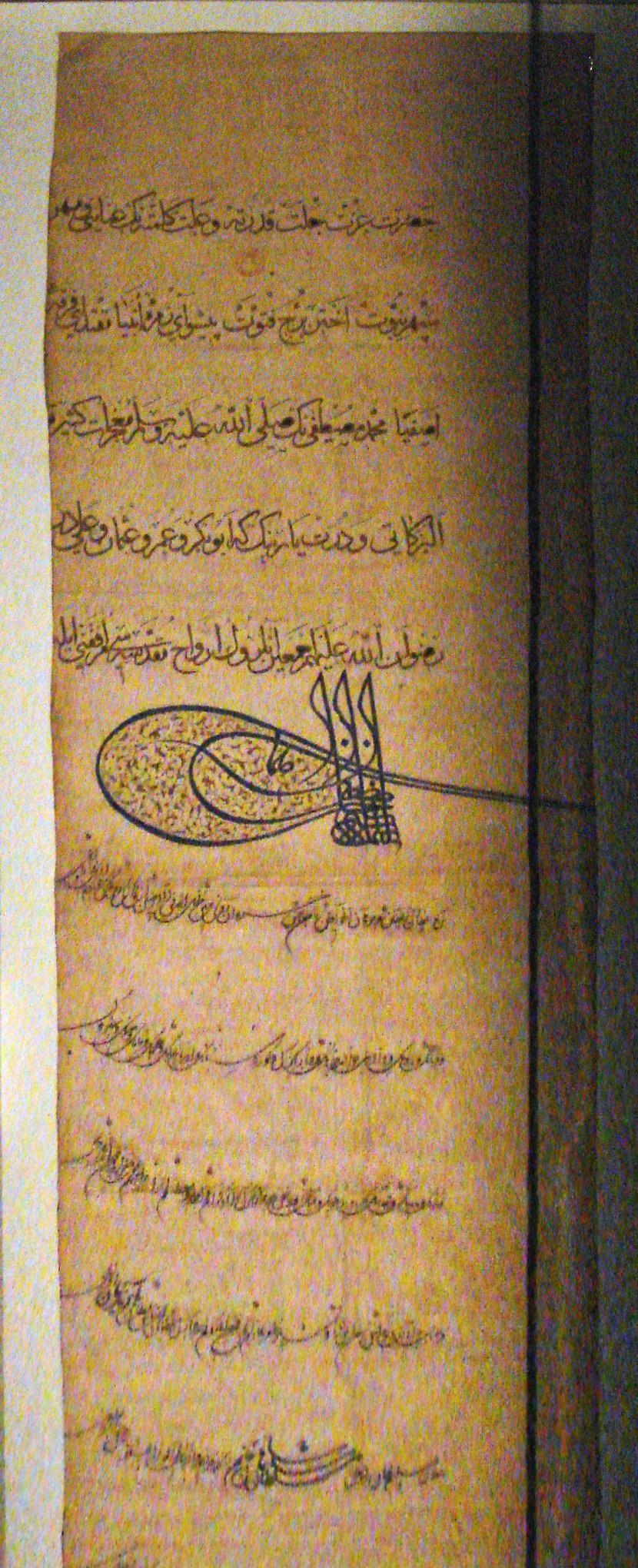
Letter to the King of France
Suleiman the Magnificent · 1526
 Painting
Primary source
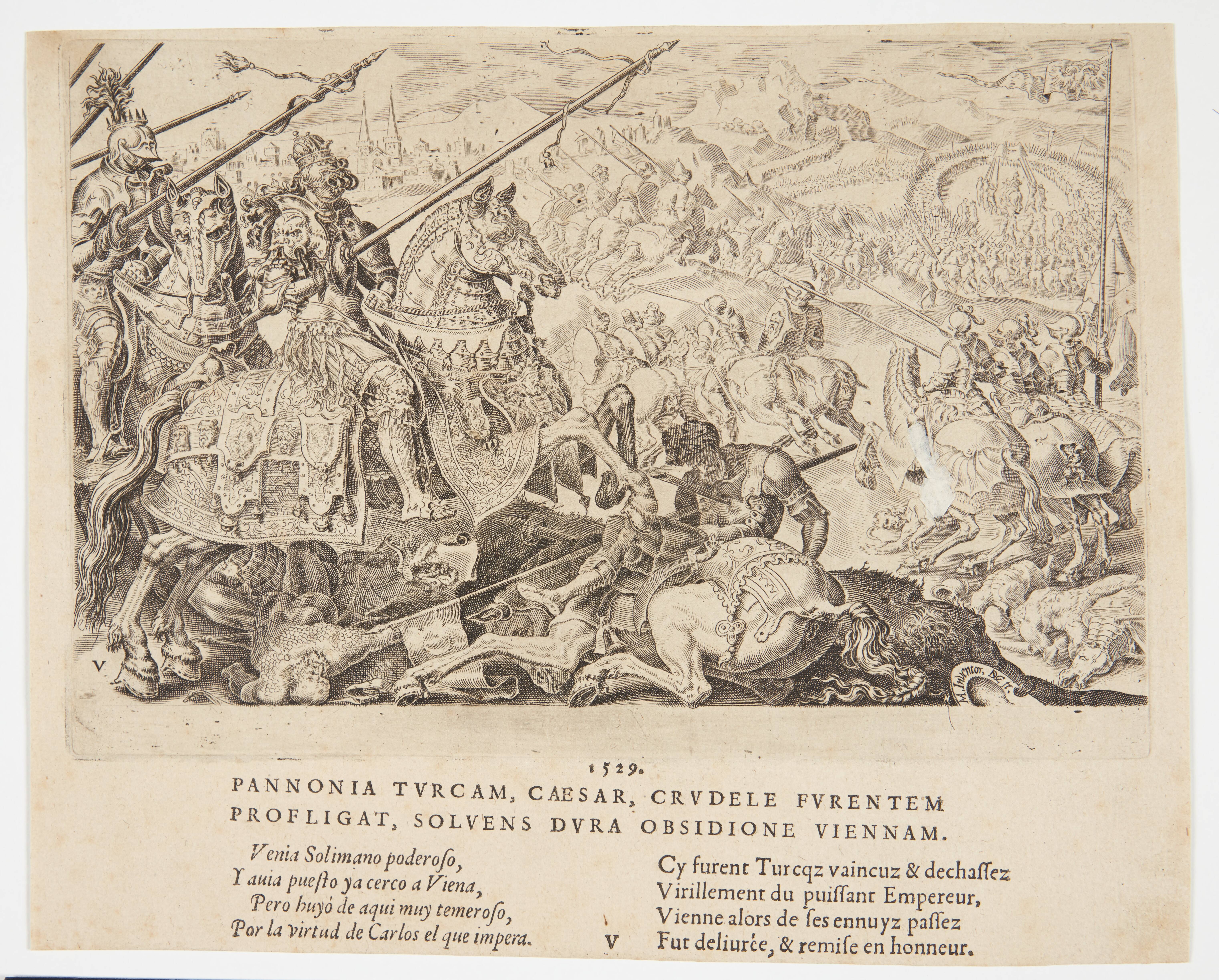
Suleiman the Magnificent Forced to Raise the Siege of Vienna
1555
 Painting
Secondary source
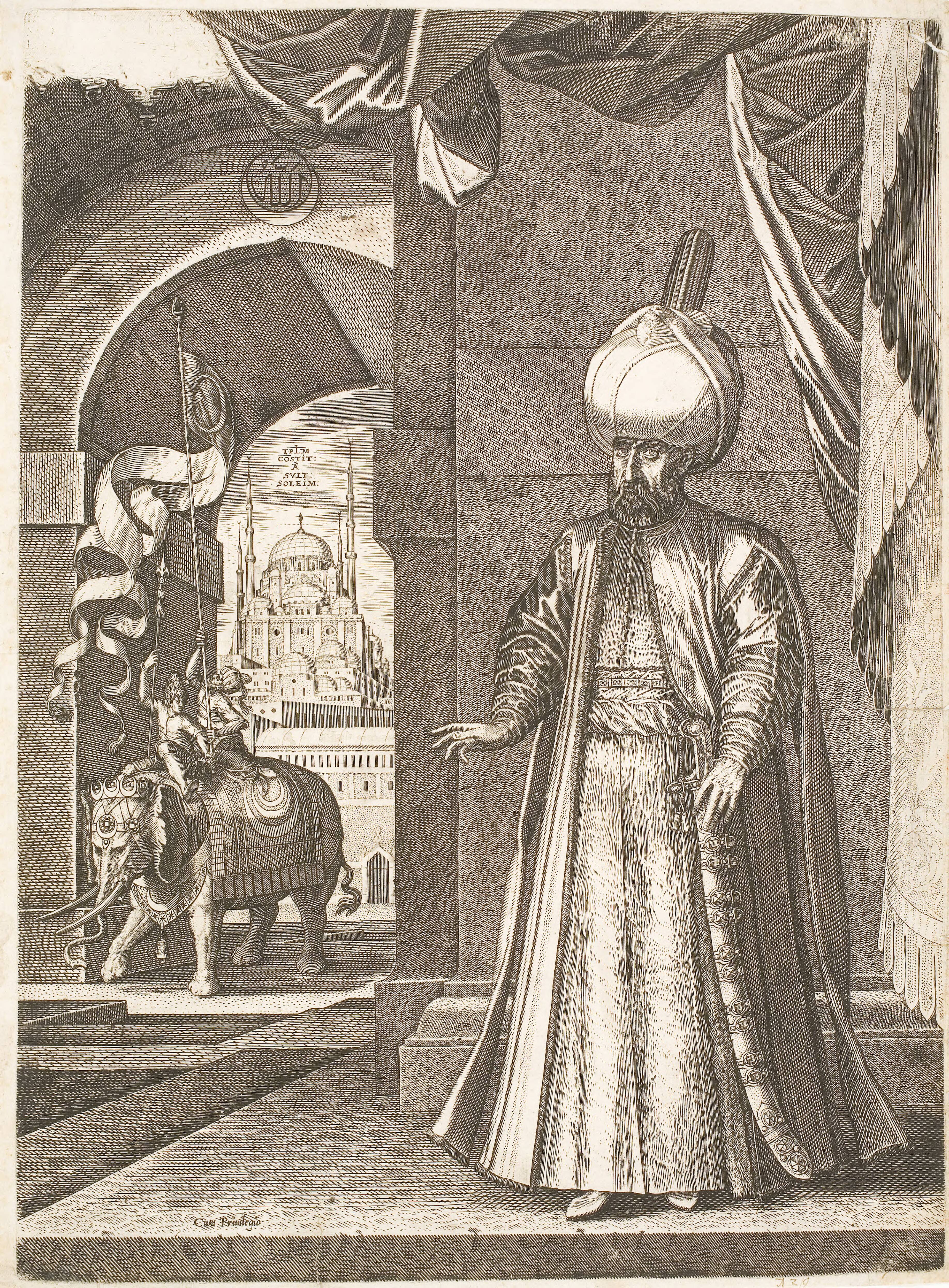
Standing Portrait of Sultan Suleiman the Magnificent
1574
 Artifact
Primary source
Tughra of Suleiman the Magnificent
Ready when you are
Start chatting with Suleiman the Magnificent now.
20 messages free · No credit card · Available in 50+ languages.