


Primary sourceDocument1222
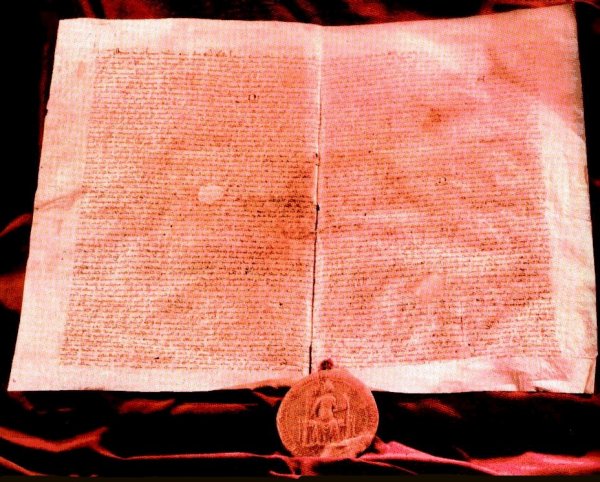
Golden Bull of 1222
Andrew II of Hungary · 1222
A Hungarian royal charter limiting the king's power, issued the same era as Magna Carta and often compared to it.
This Hungarian charter is shown for comparison, illustrating that Magna Carta belonged to a wider European pattern of baronial charters.
About this source
What it is
The Golden Bull was an edict issued by King Andrew II of Hungary in 1222 under pressure from his nobles. It set out the rights of Hungarian nobles, including the right to disobey the king if he broke the law, and freed nobles and the church from certain taxes and military duties. Several copies were made and sent to institutions including the Pope and the Hungarian king. It is held at Székesfehérvár.
Why it matters
Historians often compare the Golden Bull to Magna Carta, since both were charters from the same general period in which nobles forced a king to accept limits on royal power. The Golden Bull is considered Hungary's first constitutional document, just as Magna Carta is England's. Comparing them shows that resistance to unchecked royal power was a wider pattern across thirteenth-century Europe, not a uniquely English event.
Look closer
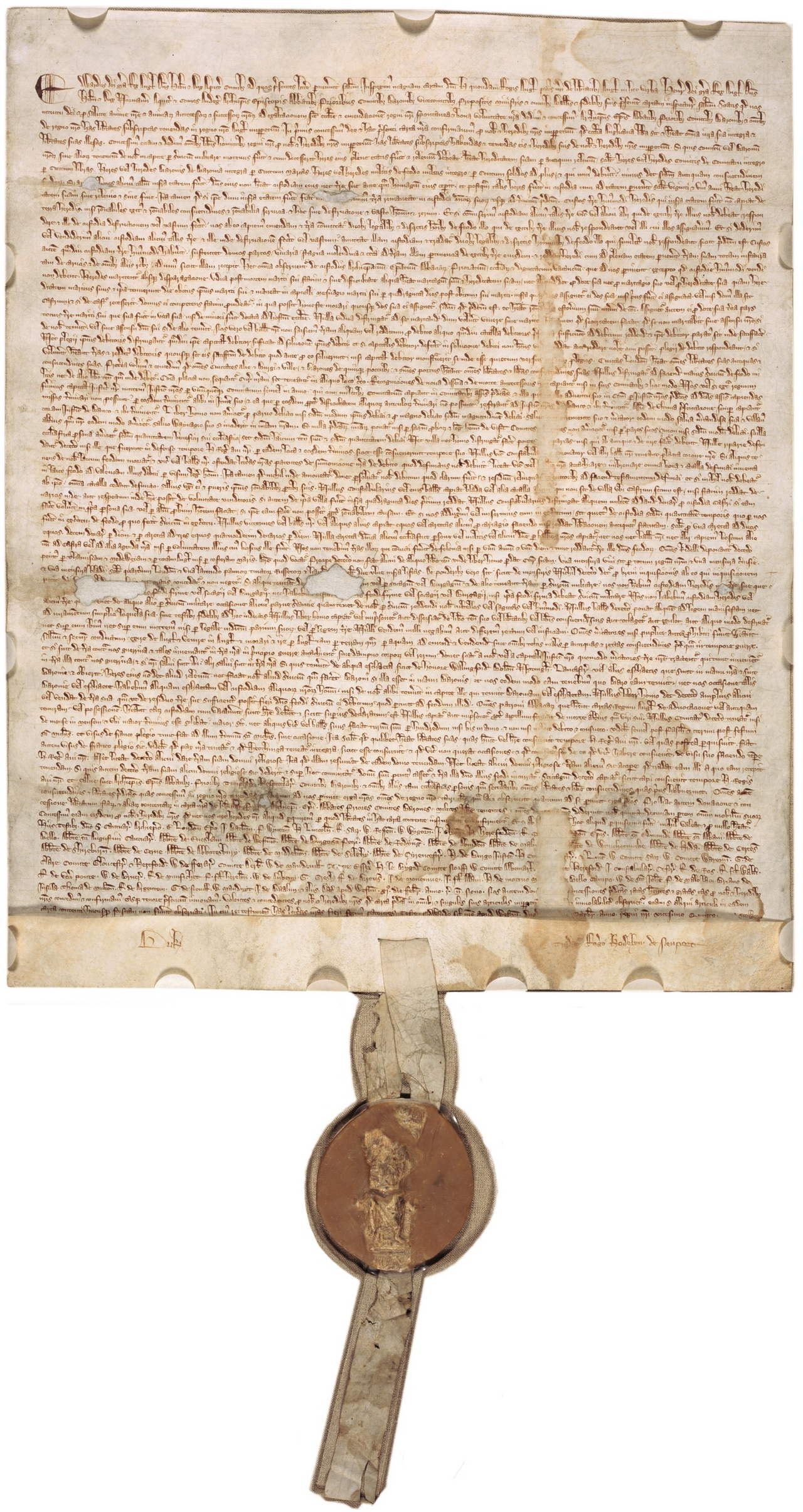
- What does the seal attached to the document tell you about royal authority?
- Why might nobles across different kingdoms have made similar demands around the same time?
- What groups are missing from the rights this charter protects?
This document is part of the curated material that grounds the AI version of Magna Carta on Humy.ai — when students ask about related events, the AI can quote it and cite it.
More Magna Carta sources
Meet the AI Magna Carta →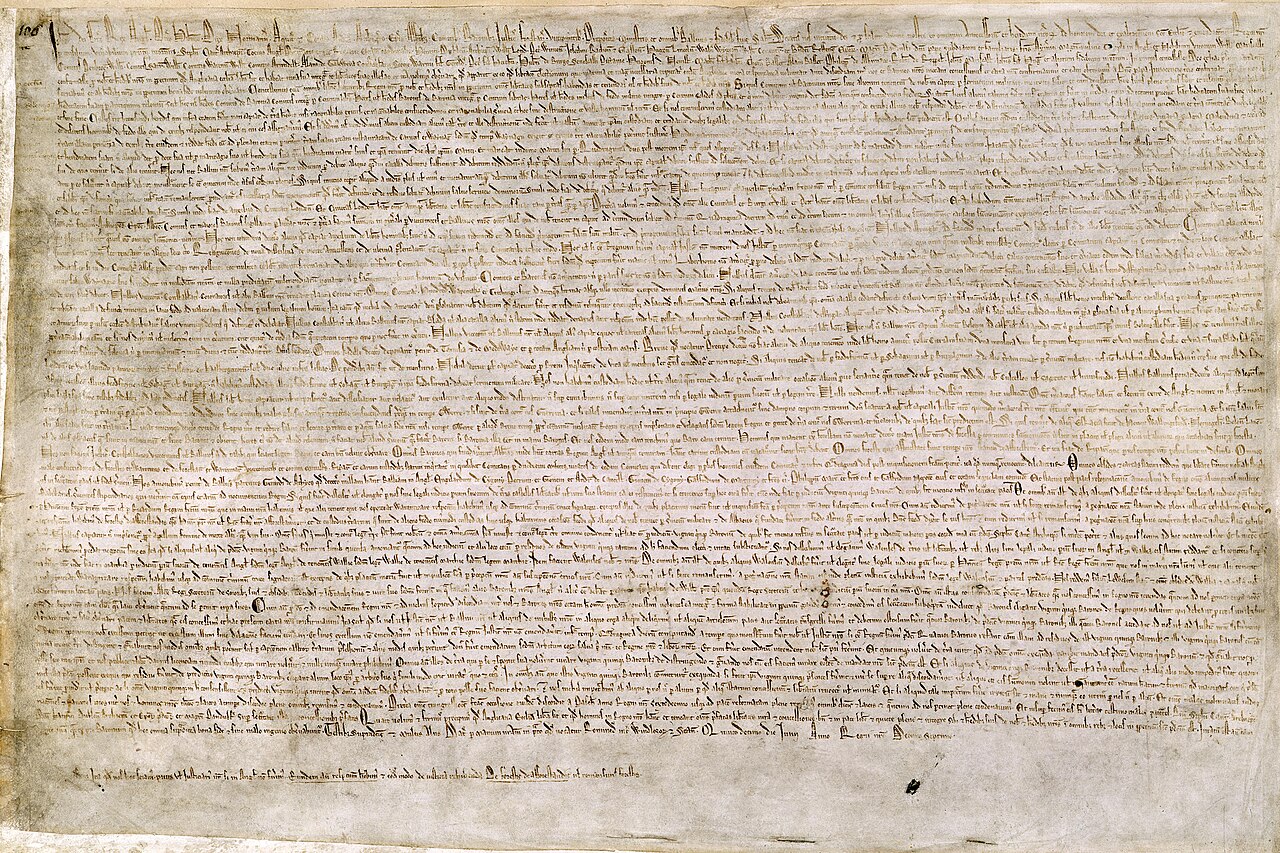 Document
Primary source
Magna Carta (1215 Exemplification)
1215
 Document
Primary source
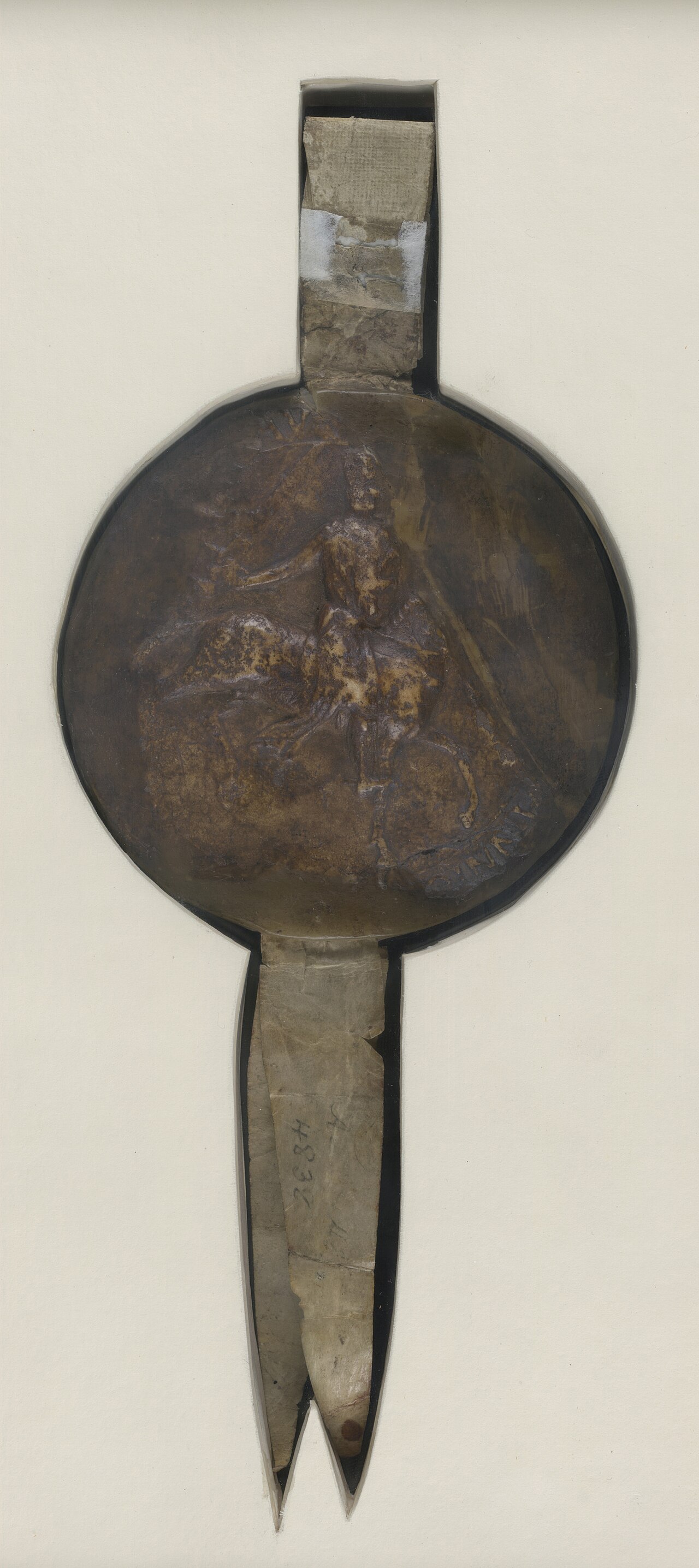
Articles of the Barons
1215
 Document
Primary source
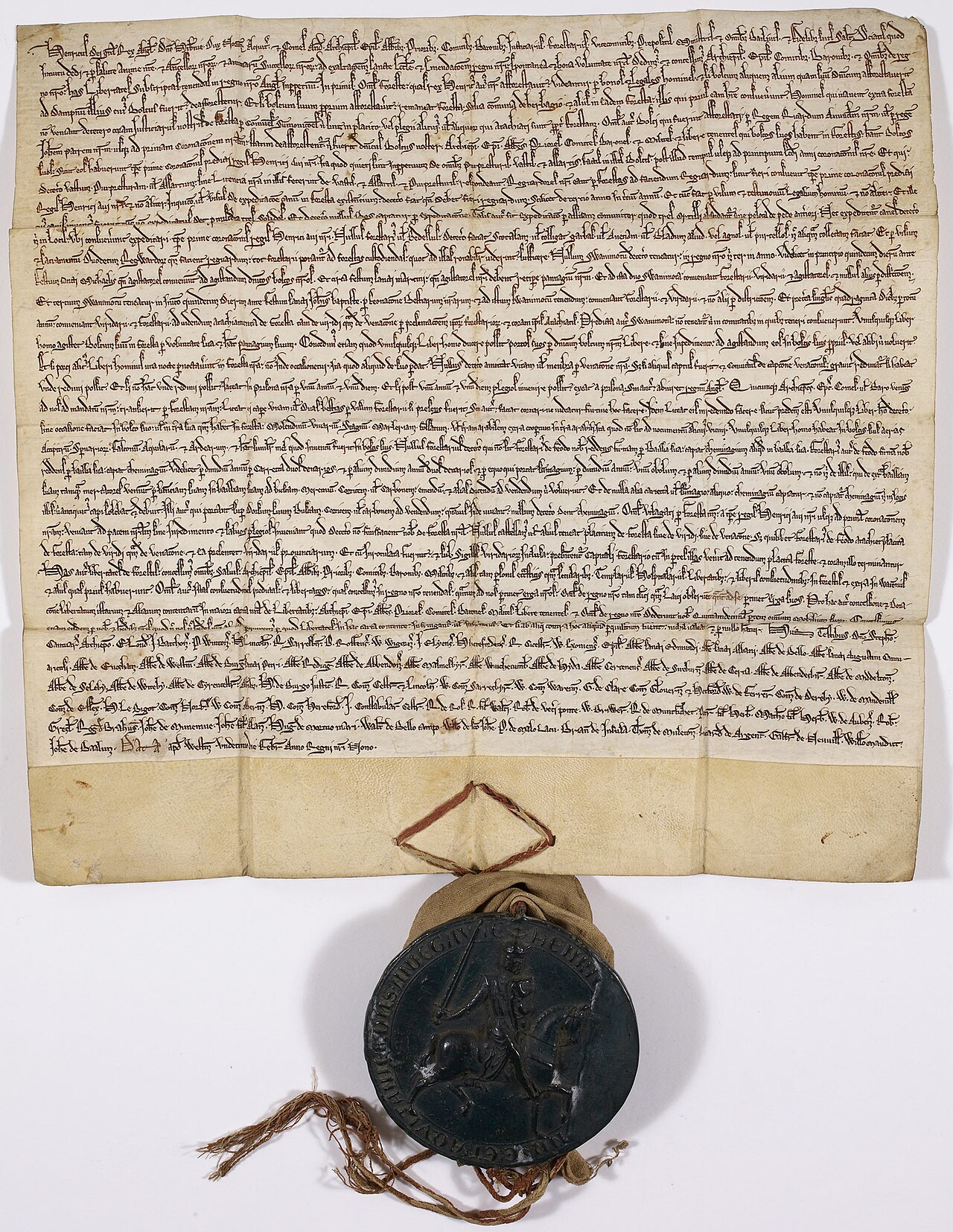
Charter of the Forest
1217
 Document
Primary source
Magna Carta 1297 (National Archives, Washington)
Edward I of England · 1297
 Document
Primary source
Magna Carta 1297 (Parliament House, Canberra)
Edward I of England · 1297
Ready when you are
Start chatting with Magna Carta now.
20 messages free · No credit card · Available in 50+ languages.