


Secondary sourceBookc. AD 90-100
Gospel of John
John the Evangelist · c. AD 90-100
The fourth New Testament gospel, the most theological, presenting Jesus as the divine Word made flesh.
This gospel presents Jesus as the divine incarnate Word and records his signs, teachings and final days.
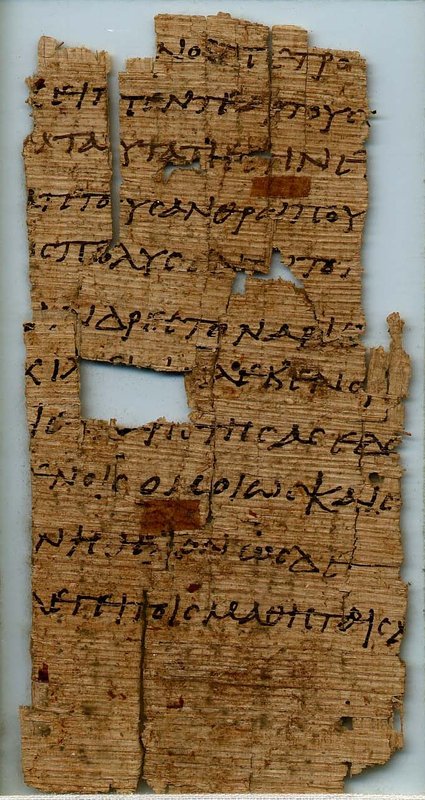
About this source
What it is
The Gospel of John recounts the ministry of Jesus through a series of signs and his final week in Jerusalem, including the Last Supper, crucifixion and resurrection. It identifies an unnamed 'disciple whom Jesus loved' as its source, and was likely completed between AD 90-100, probably in Ephesus.
Why it matters
John presents Jesus in strongly theological terms, identifying him with the divine Logos, or Word, in language drawn from Greek philosophy and Jewish thought. It differs from the other three gospels in style and structure, showing how early Christians could present Jesus's life in very different ways for different audiences.
- How does calling Jesus the 'Word' differ from calling him a teacher or healer?
- Why might the gospel's author remain unnamed in the text?
- What might a damaged fragment like this one still tell historians, even with gaps?
This book is part of the curated material that grounds the AI version of Jesus Christ on Humy.ai — when students ask about related events, the AI can quote it and cite it.
More Jesus Christ sources
Meet the AI Jesus Christ →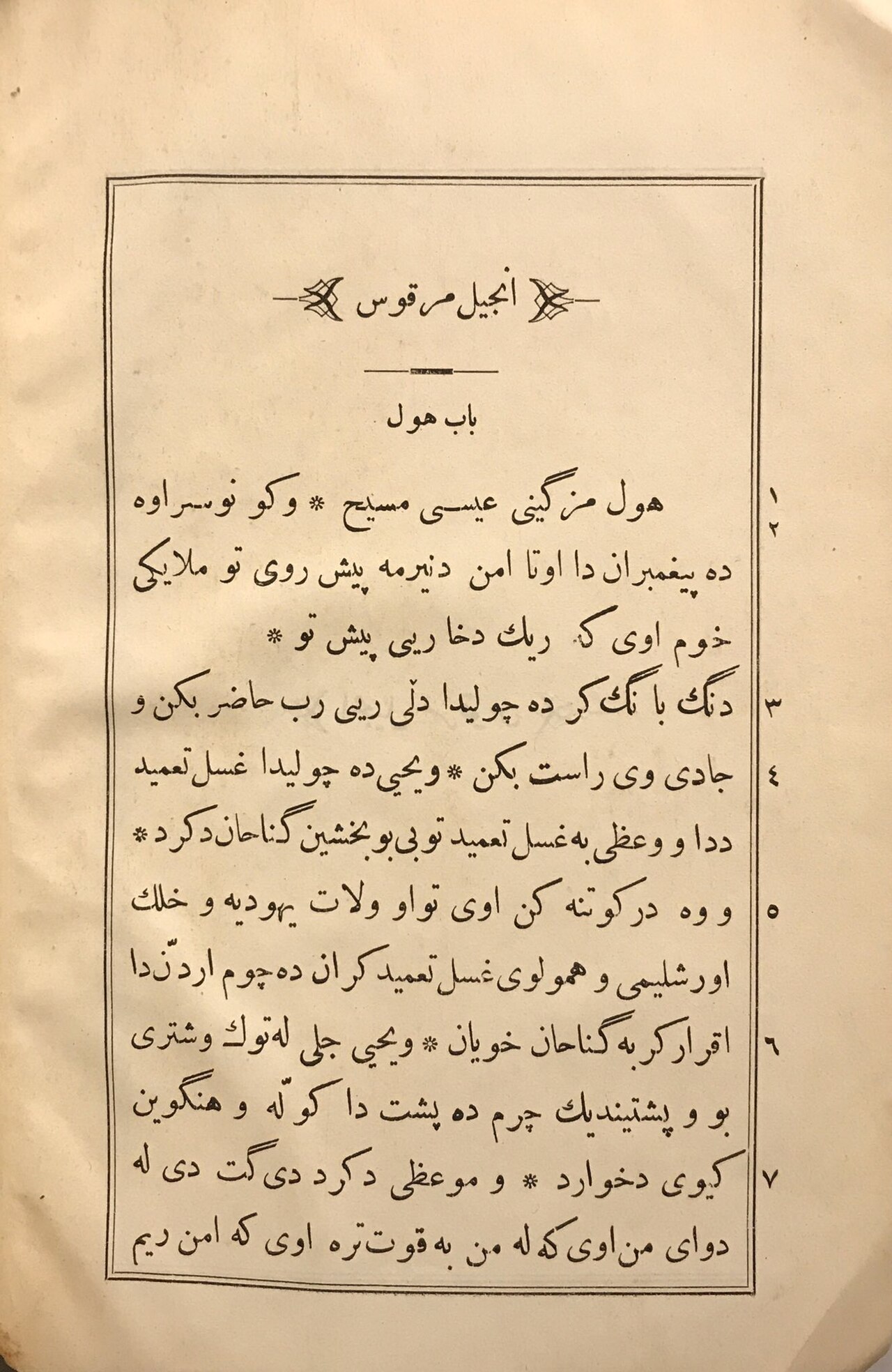 Book
Secondary source
Gospel of Mark
Mark the Evangelist · c. AD 66-75
 Artifact
Secondary source
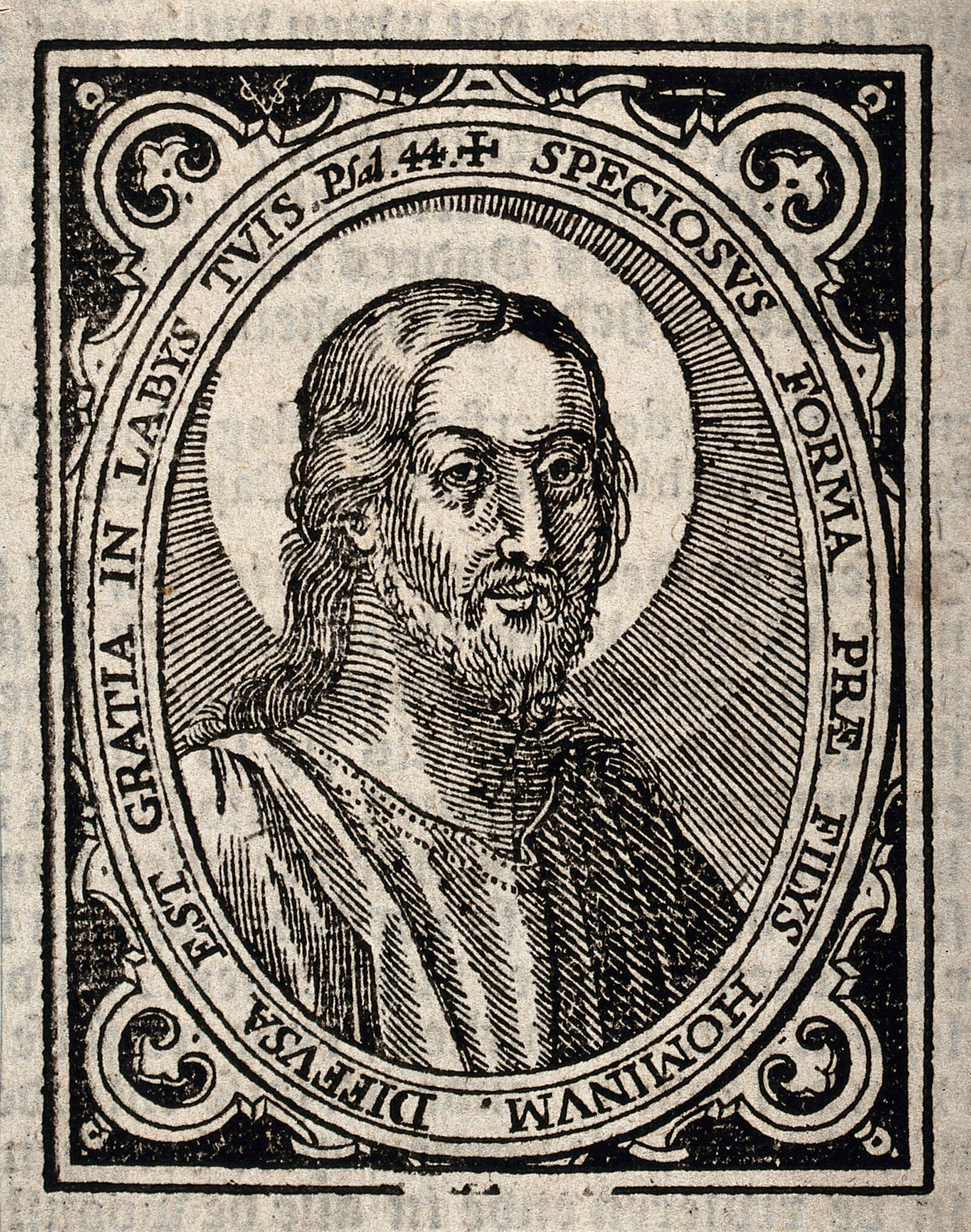
Jesus Christ, woodcut by Christoffel van Sichem III
Christoffel van Sichem III · c. 1645
 Book
Secondary source
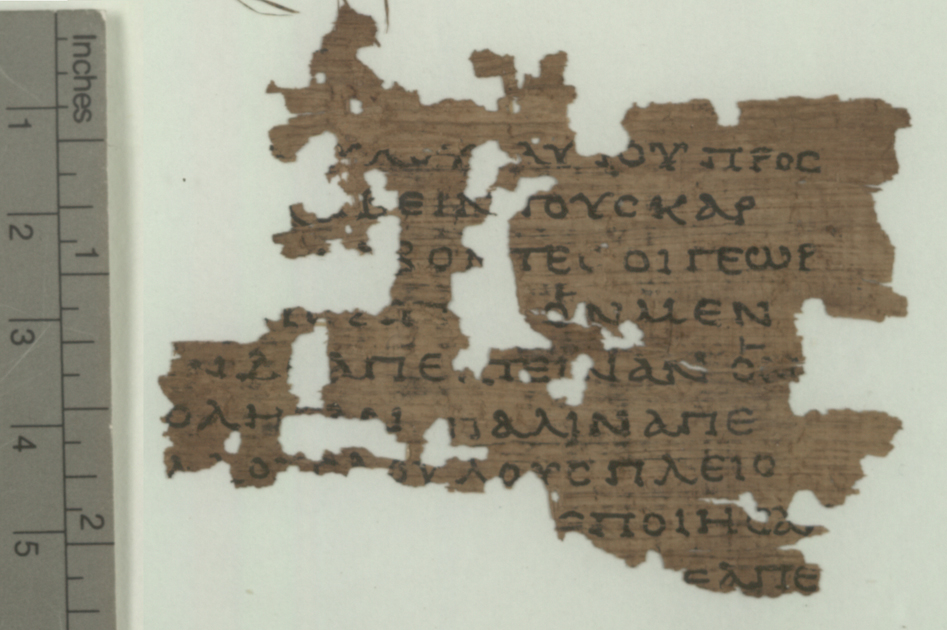
Gospel of Matthew
Matthew the Apostle · late 1st century AD
 Painting
Secondary source
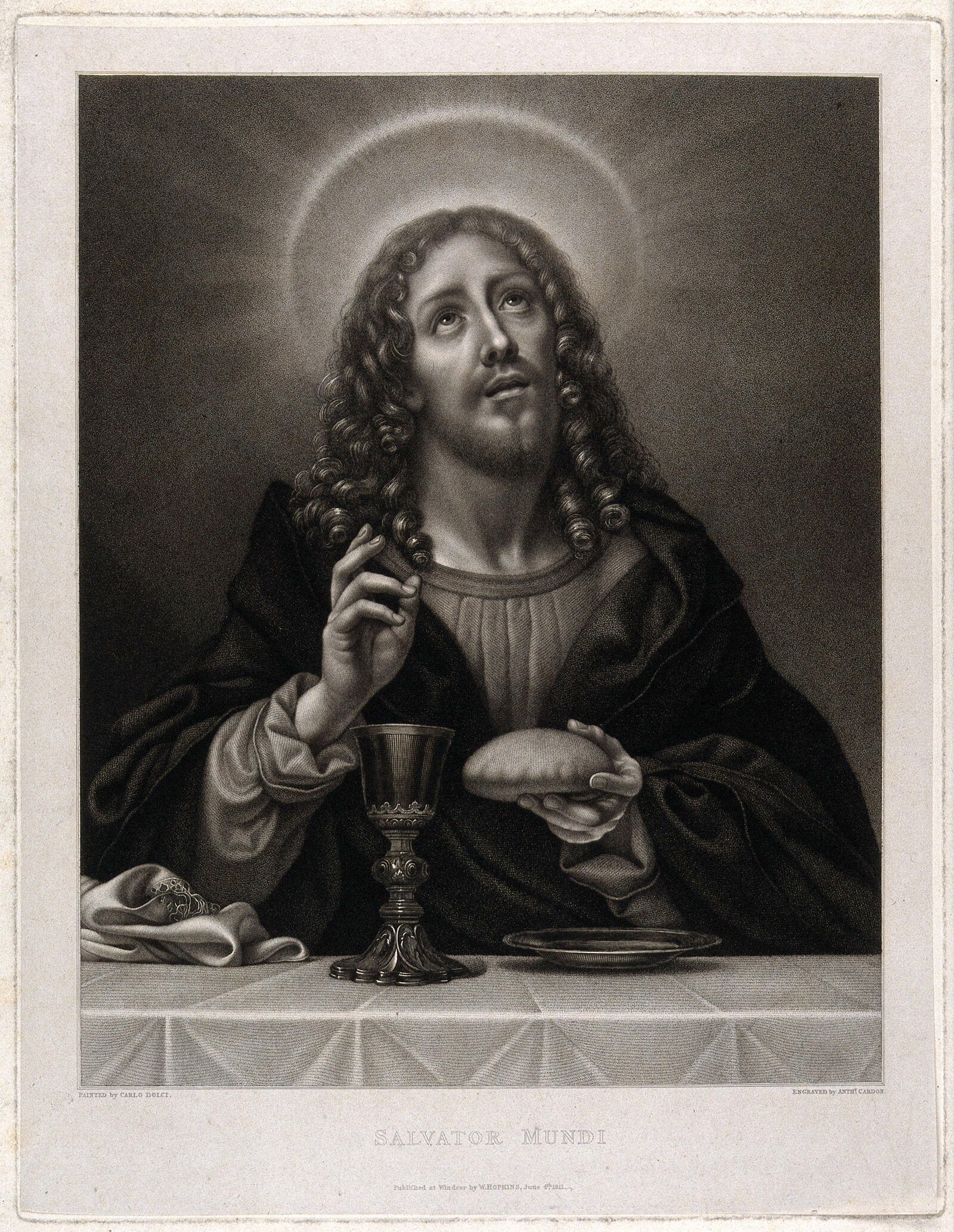
Jesus Christ blessing the Host
Carlo Dolci (painting); Anth. Cardon (engraving) · 4 June 1811
 Painting
Secondary source
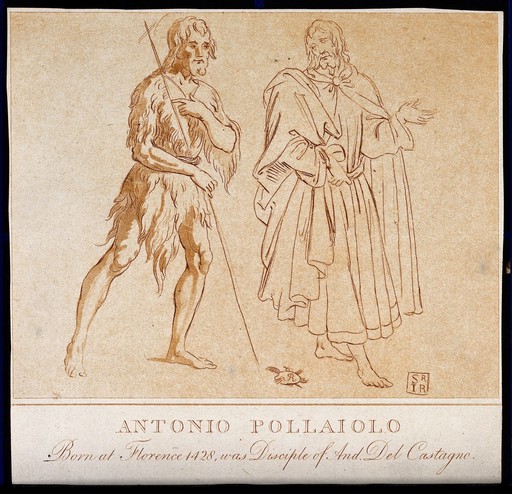
John the Baptist Meets Jesus Christ
Antonio Pollaiuolo
Ready when you are
Start chatting with Jesus Christ now.
20 messages free · No credit card · Available in 50+ languages.