


Secondary sourceDocumentc. 200 (manuscript); text composed 2nd century
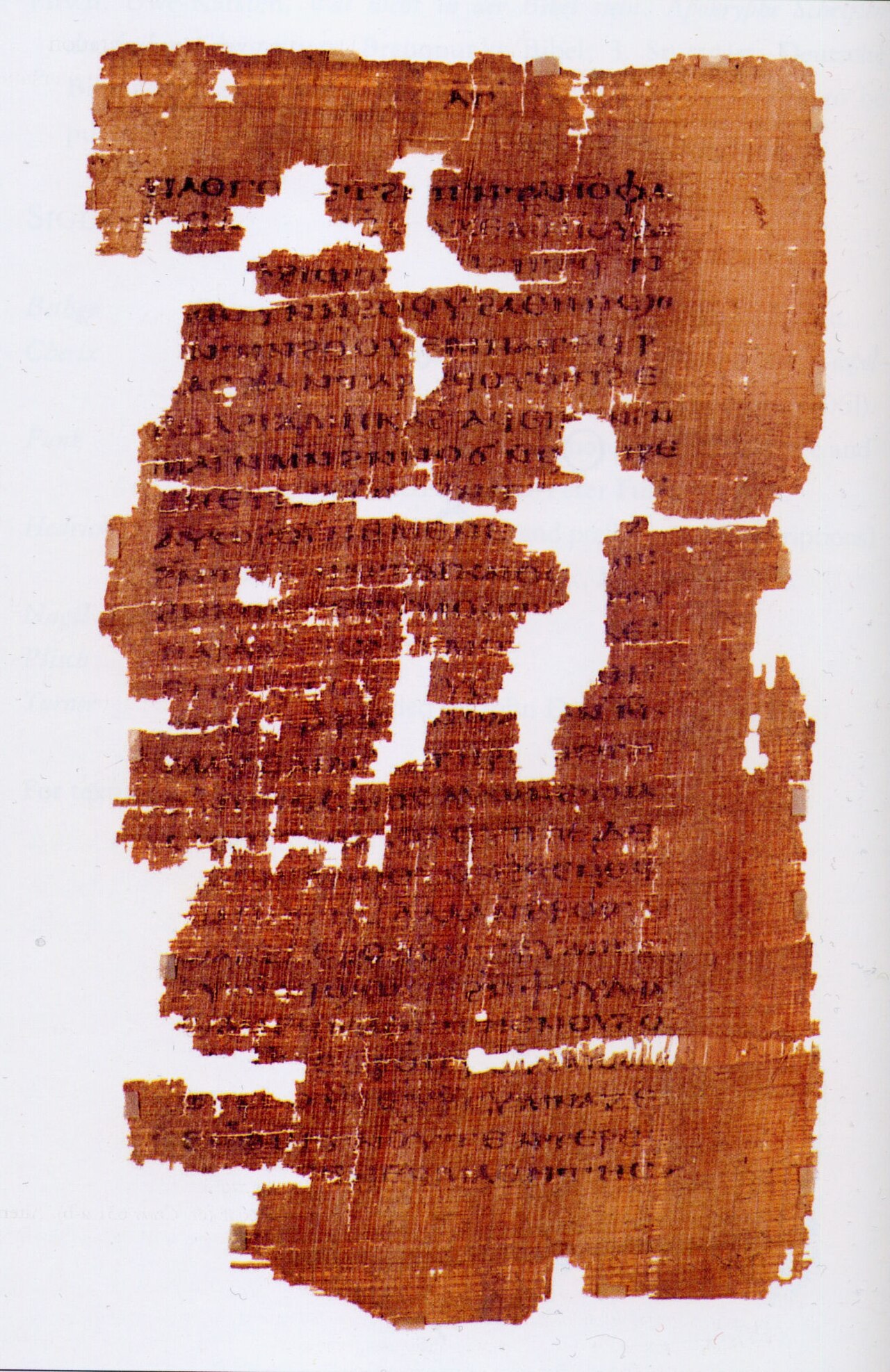
Gospel of Judas
c. 200 (manuscript); text composed 2nd century
A Gnostic text from the Codex Tchacos presenting secret conversations between Jesus and Judas, rejected as heresy by the early church.
A text depicting Jesus's teachings to Judas, showing how his meaning was contested among early Christian groups.
About this source
What it is
The Gospel of Judas is a Coptic-language text, part of the Codex Tchacos, radiocarbon dated to the 3rd–4th centuries CE, likely translated from an earlier Greek original written by Gnostic Christians in the 2nd century. It presents conversations between Jesus and his disciples, focusing on Judas Iscariot.
Why it matters
Early Christian writer Irenaeus condemned a 'Gospel of Judas' as fictitious around 180 AD, showing that different groups had sharply different ideas about who Jesus was and what Judas's role meant. Lost for centuries and badly damaged after being mishandled by dealers, the manuscript's survival and rediscovery reveal how fragile and contested the early record of Jesus's life and teachings really is.
Look closer
- Why might this version of Jesus's story have been rejected by the early church?
- What does the manuscript's damaged, incomplete state tell you about how historical texts survive?
- How might Judas's portrayal here differ from the traditional story?
This document is part of the curated material that grounds the AI version of Jesus Christ on Humy.ai — when students ask about related events, the AI can quote it and cite it.
More Jesus Christ sources
Meet the AI Jesus Christ →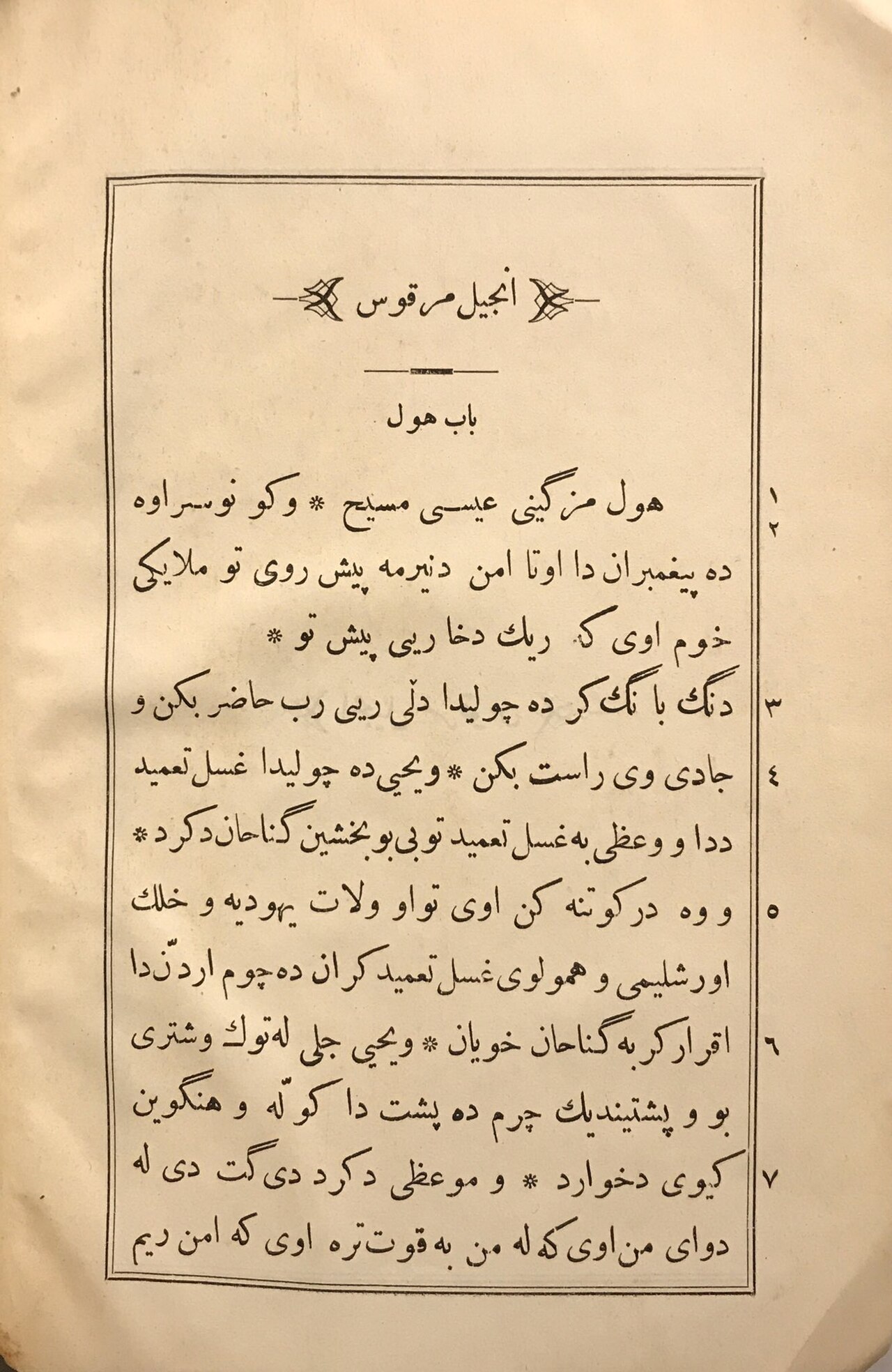 Book
Secondary source
Gospel of Mark
Mark the Evangelist · c. AD 66-75
 Artifact
Secondary source
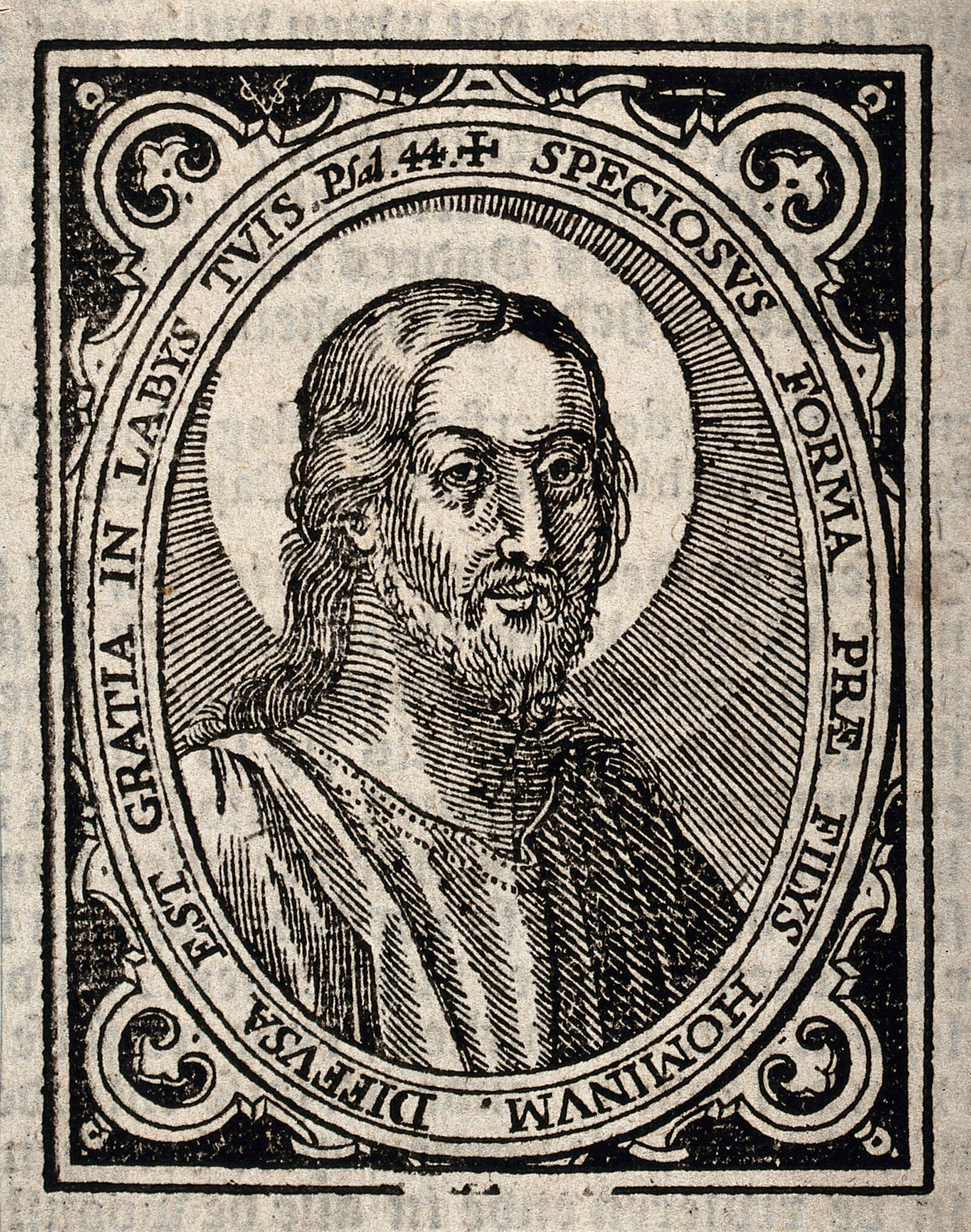
Jesus Christ, woodcut by Christoffel van Sichem III
Christoffel van Sichem III · c. 1645
 Book
Secondary source
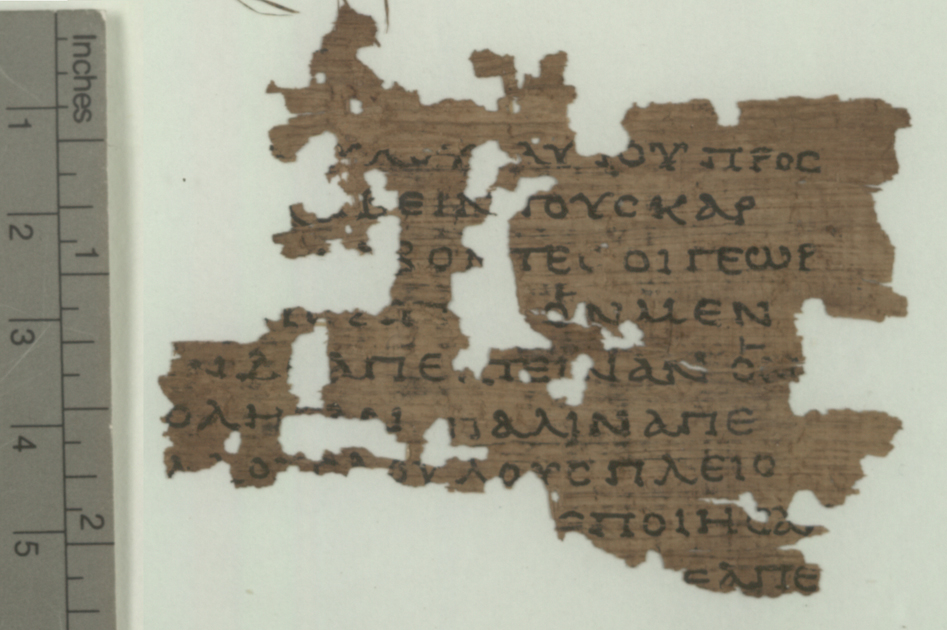
Gospel of Matthew
Matthew the Apostle · late 1st century AD
 Painting
Secondary source
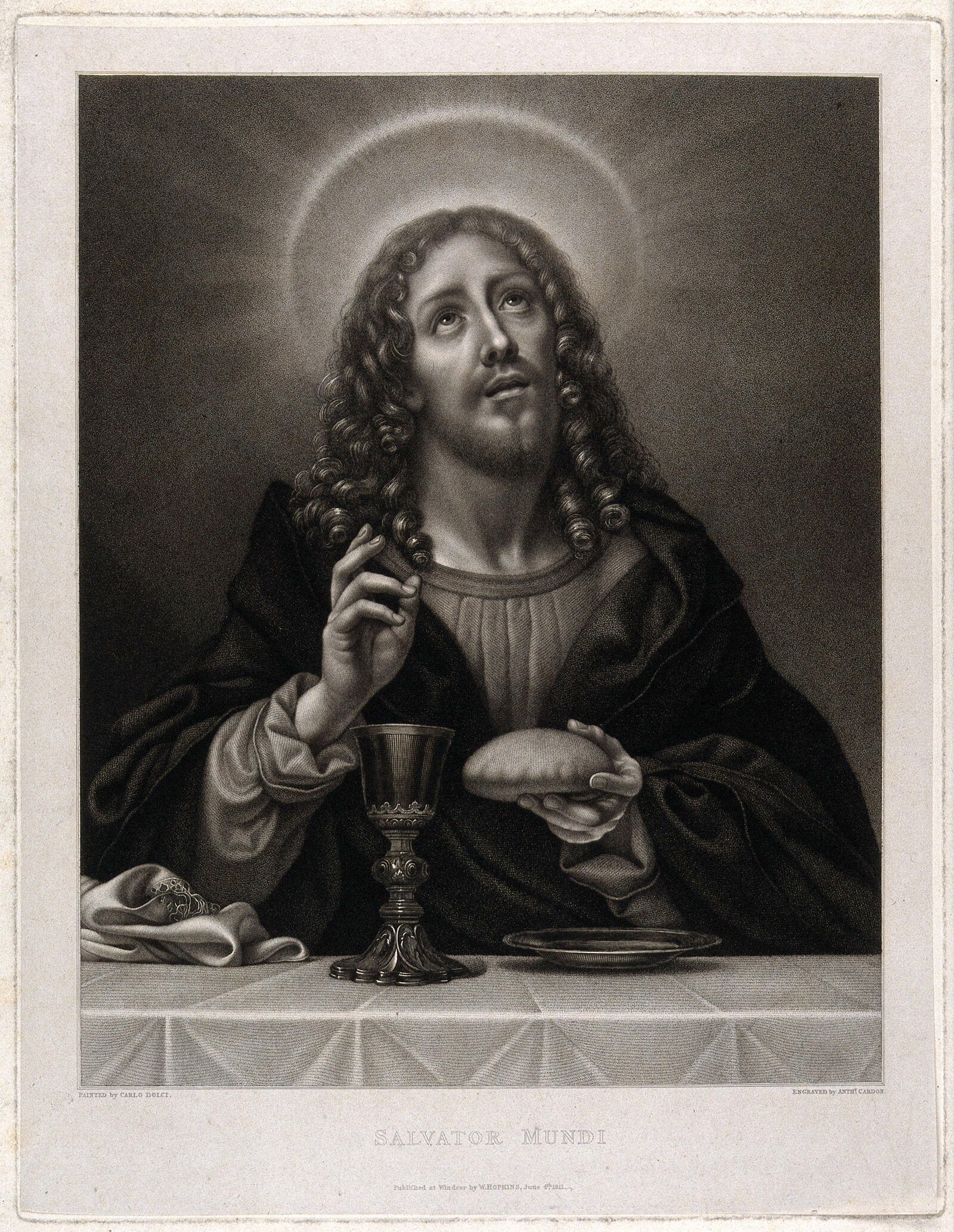
Jesus Christ blessing the Host
Carlo Dolci (painting); Anth. Cardon (engraving) · 4 June 1811
 Painting
Secondary source
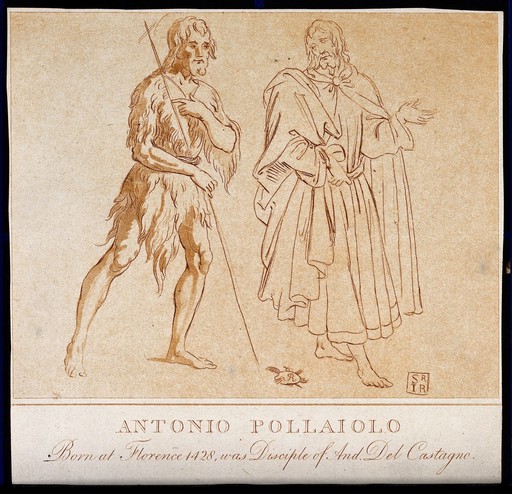
John the Baptist Meets Jesus Christ
Antonio Pollaiuolo
Ready when you are
Start chatting with Jesus Christ now.
20 messages free · No credit card · Available in 50+ languages.