


Secondary sourceBookc. 100-340 AD (manuscript copy)
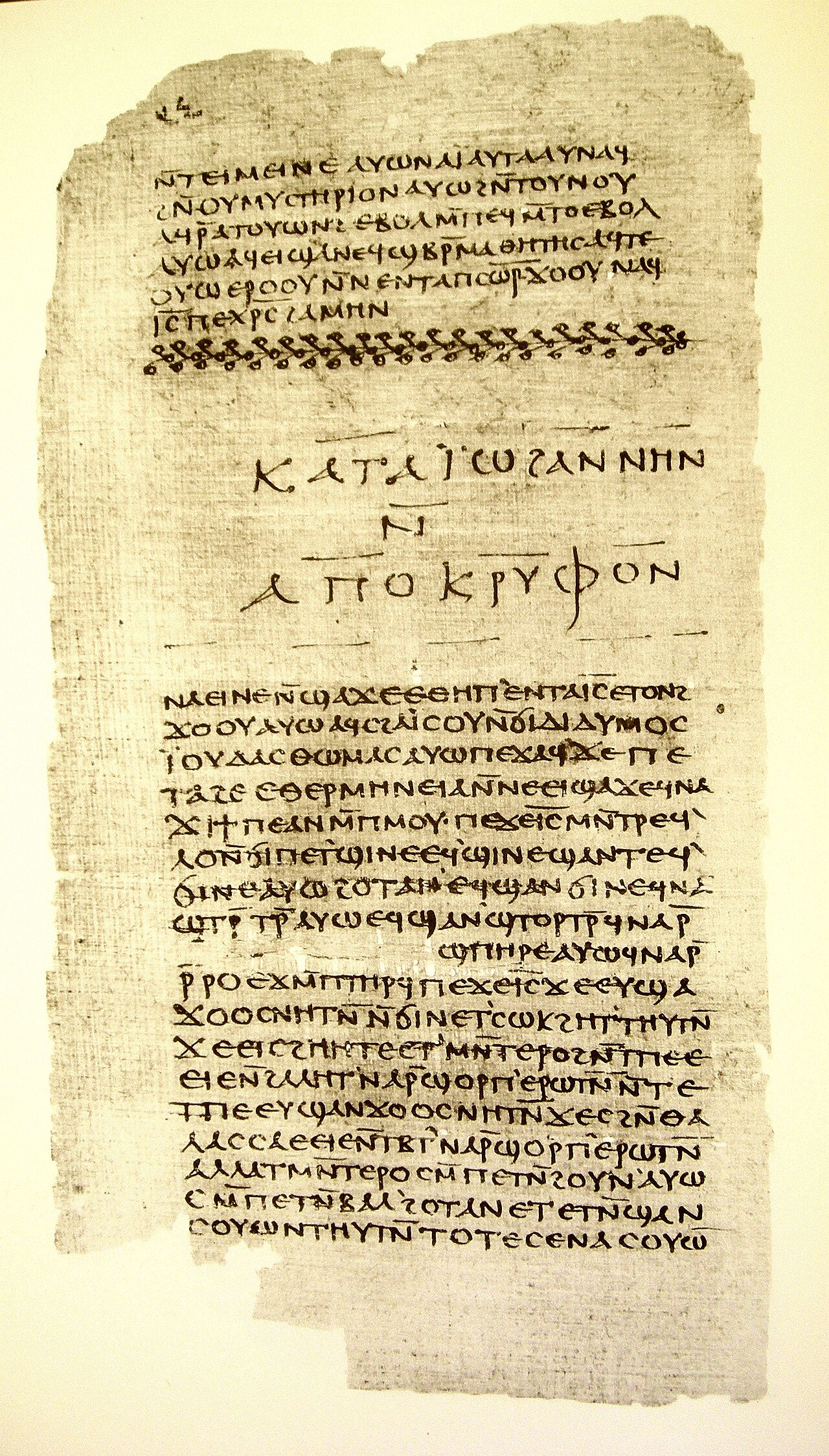
Gospel of Thomas
c. 100-340 AD (manuscript copy)
A non-canonical collection of 114 sayings attributed to Jesus, discovered among the Nag Hammadi library in Egypt.
Attributed to Jesus's sayings, this gospel shows how varied early traditions about his teachings were.
About this source
What it is
The Gospel of Thomas is a Coptic-language text containing 114 sayings said to come from Jesus, written down according to its opening line by "Didymos Judas Thomas." It was found in 1945 near Nag Hammadi, Egypt, as part of a buried collection of early Christian books, though scholars think the sayings were first composed much earlier, possibly in Greek. Fragments in Greek were also found earlier at Oxyrhynchus. The Coptic manuscript is now held by the Coptic Museum in Cairo.
Why it matters
Unlike the four gospels in the Bible, this text has no story of Jesus's life, death or resurrection -- just sayings and short dialogues. It shows that early Christians did not all agree on which writings about Jesus were authoritative, and that other traditions about his teachings circulated for centuries before being excluded from the official New Testament.
Look closer
- Why might this text have been buried rather than destroyed?
- What is missing from this gospel compared to the gospels in the Bible?
- Why do scholars doubt that the apostle Thomas actually wrote it down?
This book is part of the curated material that grounds the AI version of Jesus Christ on Humy.ai — when students ask about related events, the AI can quote it and cite it.
More Jesus Christ sources
Meet the AI Jesus Christ →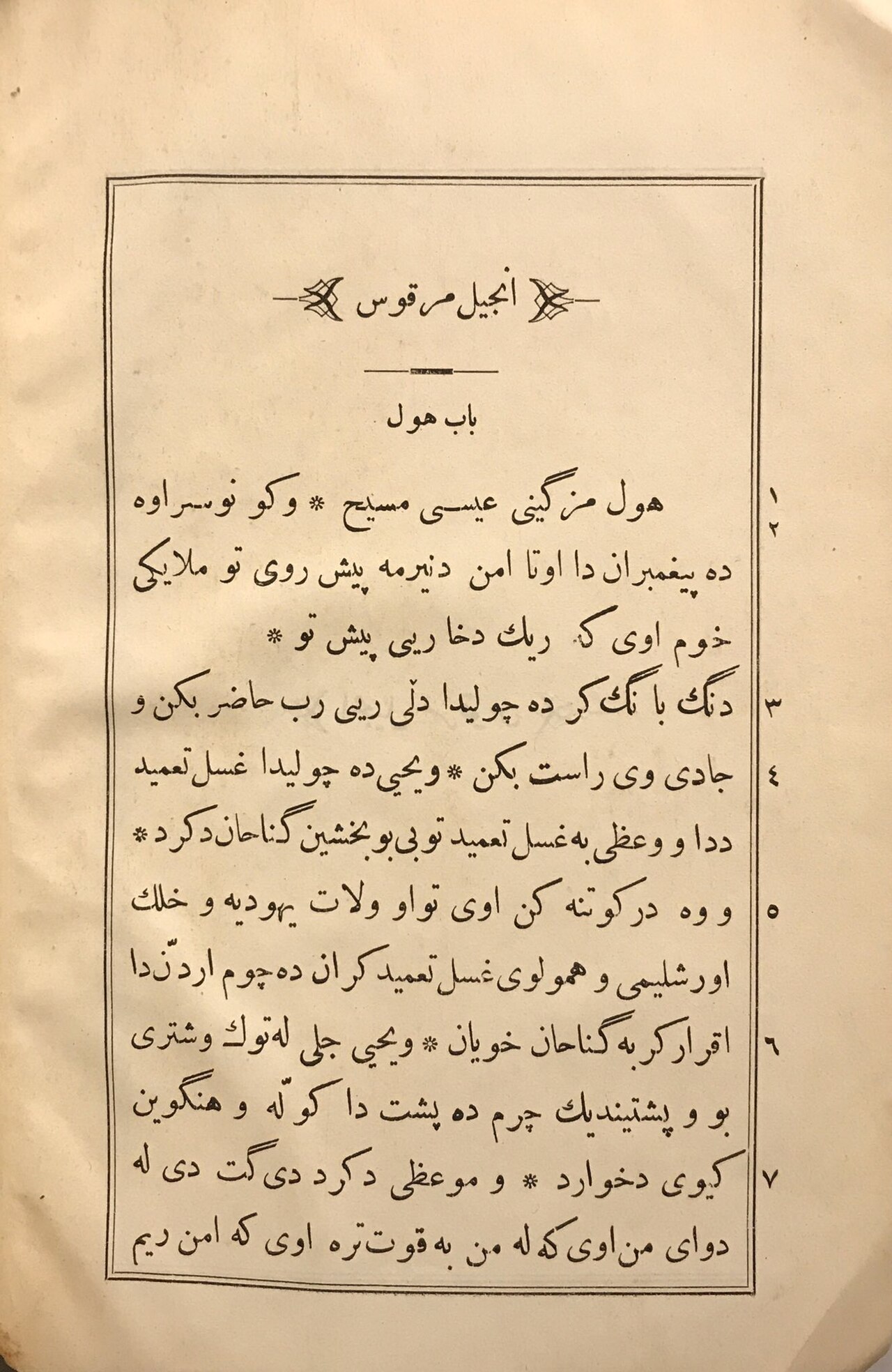 Book
Secondary source
Gospel of Mark
Mark the Evangelist · c. AD 66-75
 Artifact
Secondary source
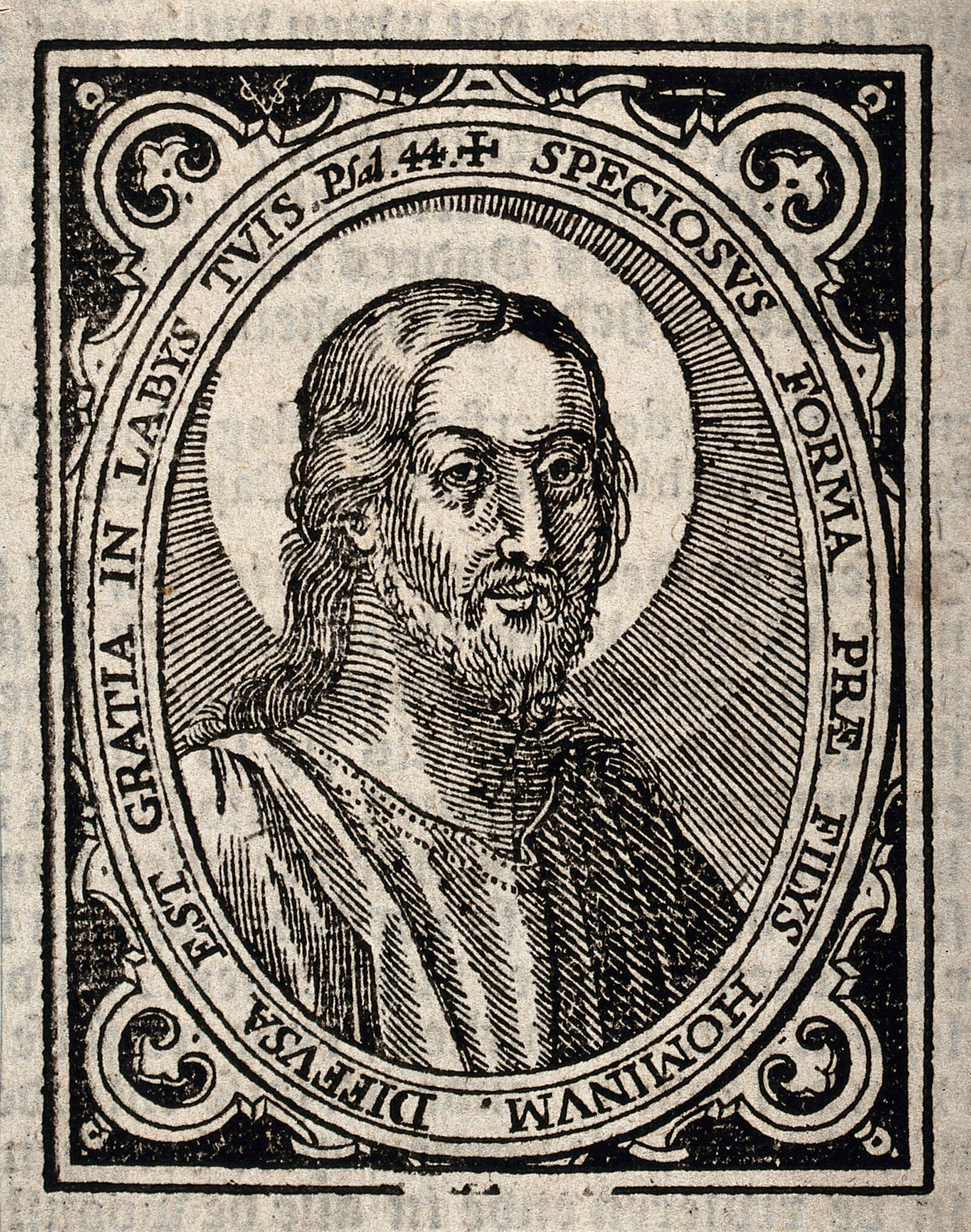
Jesus Christ, woodcut by Christoffel van Sichem III
Christoffel van Sichem III · c. 1645
 Book
Secondary source
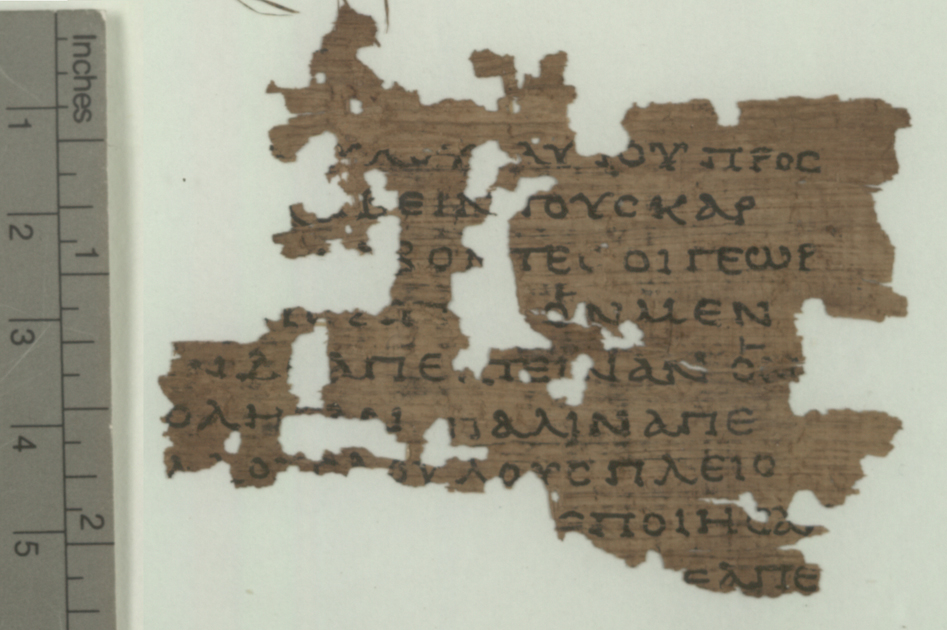
Gospel of Matthew
Matthew the Apostle · late 1st century AD
 Painting
Secondary source
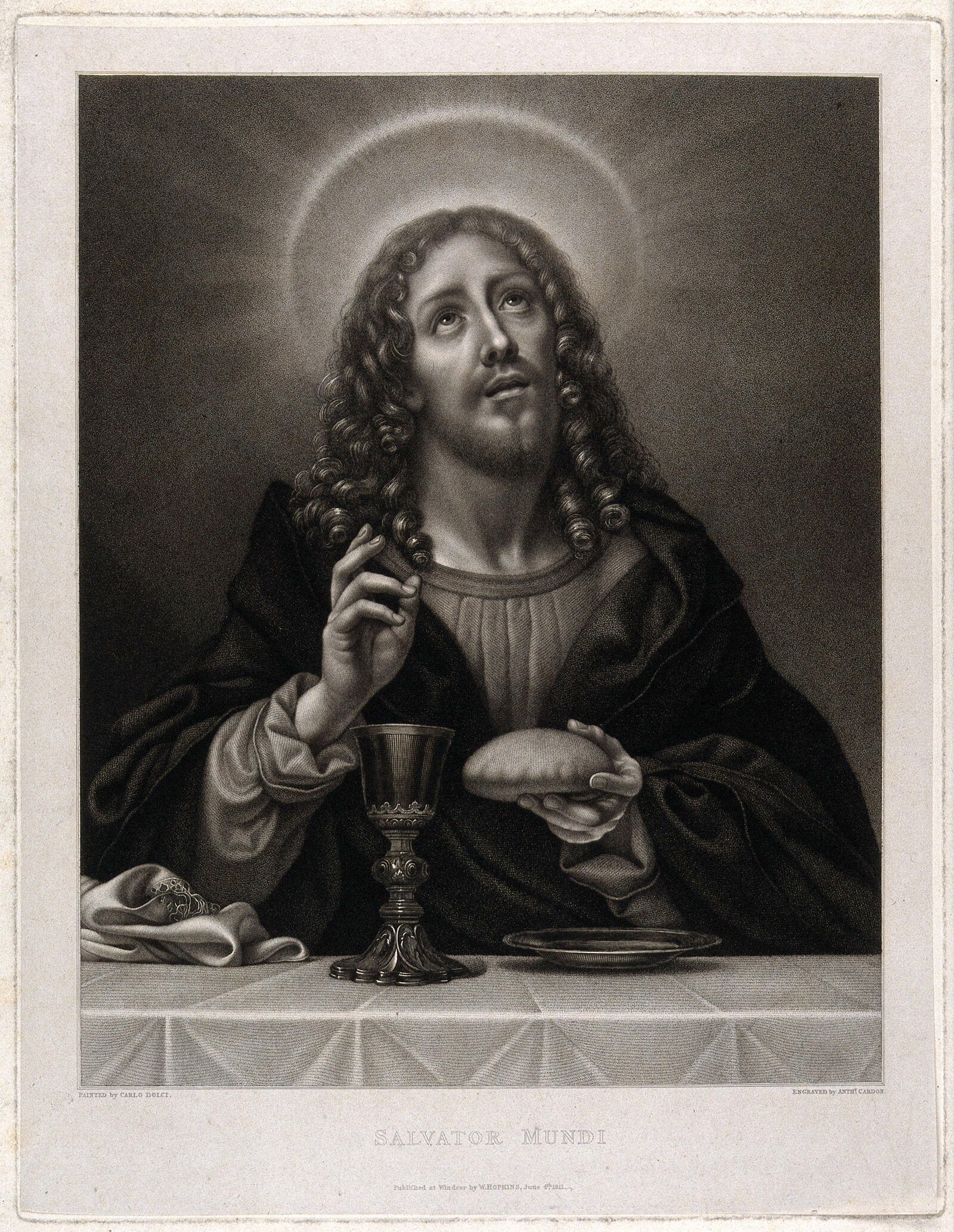
Jesus Christ blessing the Host
Carlo Dolci (painting); Anth. Cardon (engraving) · 4 June 1811
 Painting
Secondary source
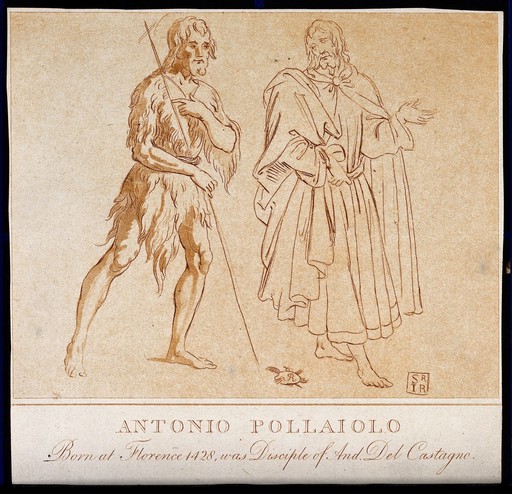
John the Baptist Meets Jesus Christ
Antonio Pollaiuolo
Ready when you are
Start chatting with Jesus Christ now.
20 messages free · No credit card · Available in 50+ languages.