


Secondary sourceArtifact1897
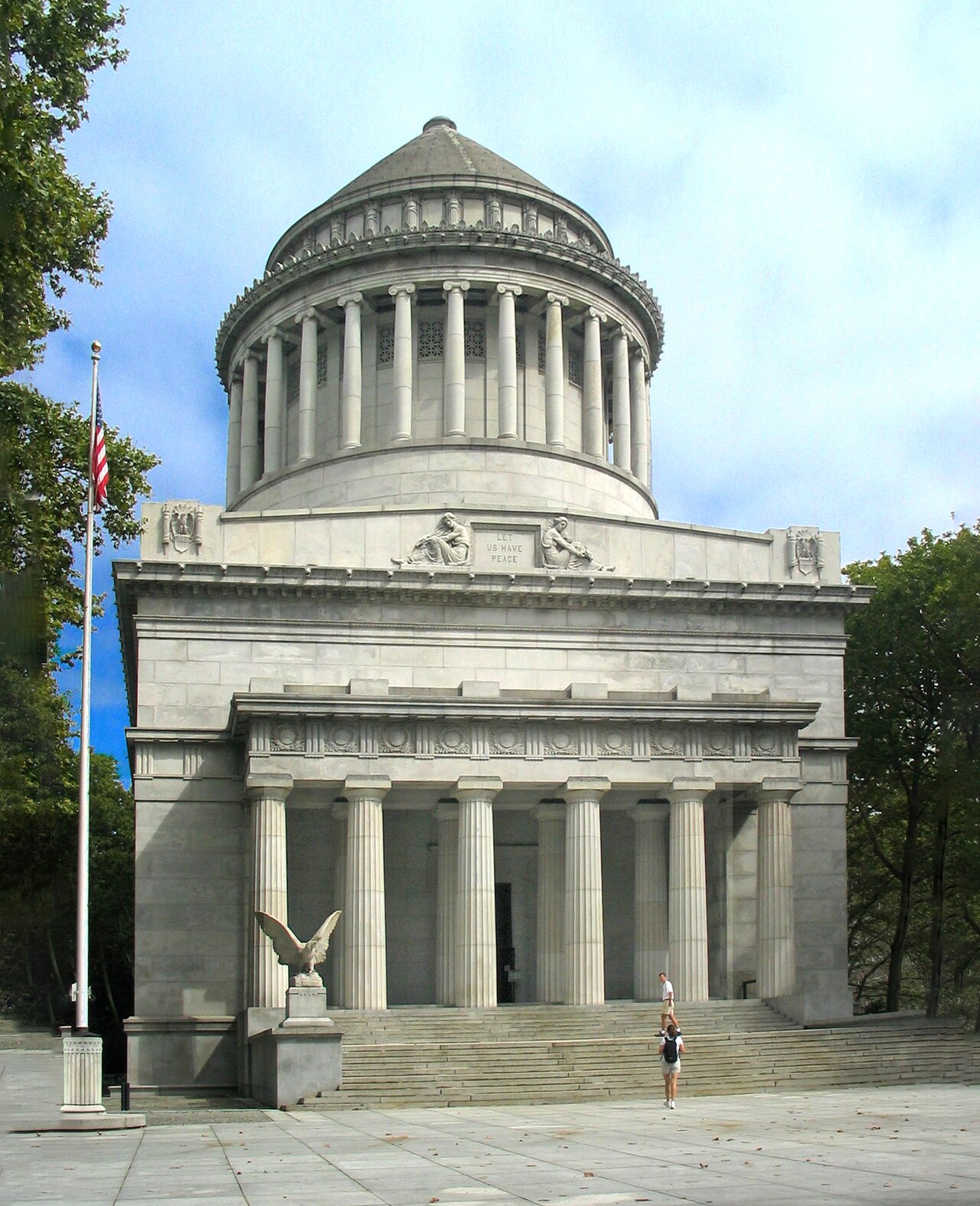
Grant's Tomb
John Hemenway Duncan · 1897
The large domed mausoleum in New York City where Grant and his wife Julia are buried, funded by public donations.
This is Grant's final resting place, built through massive public donations as a monument to his life and legacy.
About this source
What it is
Officially the General Grant National Memorial, this classical domed mausoleum in Upper Manhattan holds the remains of Ulysses S. Grant and his wife Julia. Designed by John Hemenway Duncan and completed in 1897, it was funded by about 90,000 donors after Grant's death in 1885. It is a National Historic Landmark managed by the National Park Service.
Why it matters
The scale of public fundraising for the tomb shows how deeply Americans admired Grant as a Civil War hero and symbol of national reunion after his death. The long process of choosing a site and design, and the later struggles to maintain the tomb, reveal how public memory of leaders can change over time.
Look closer
- Why do you think so many ordinary citizens donated money to build this monument?
- What does the massive scale of the tomb suggest about Grant's importance to Americans in the late 1800s?
- Why might a monument like this later fall into neglect, and what does that say about changing memory?
This artifact is part of the curated material that grounds the AI version of Ulysses S Grant on Humy.ai — when students ask about related events, the AI can quote it and cite it.
More Ulysses S Grant sources
Meet the AI Ulysses S Grant →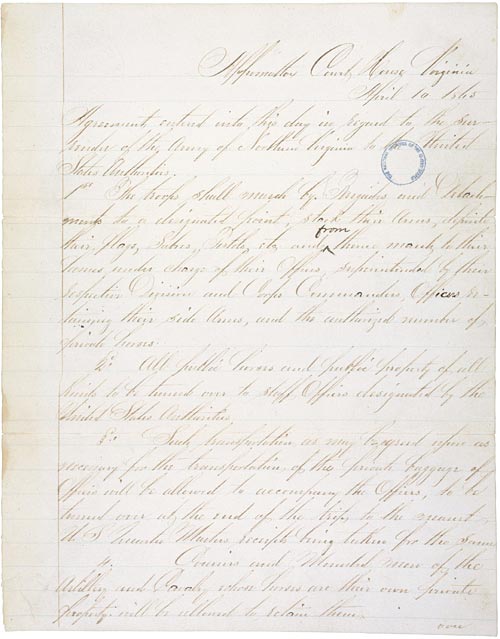 Document
Primary source
Articles of Agreement Relating to the Surrender of the Army of Northern Virginia
Ulysses S. Grant · 10 April 1865
 Book
Primary source
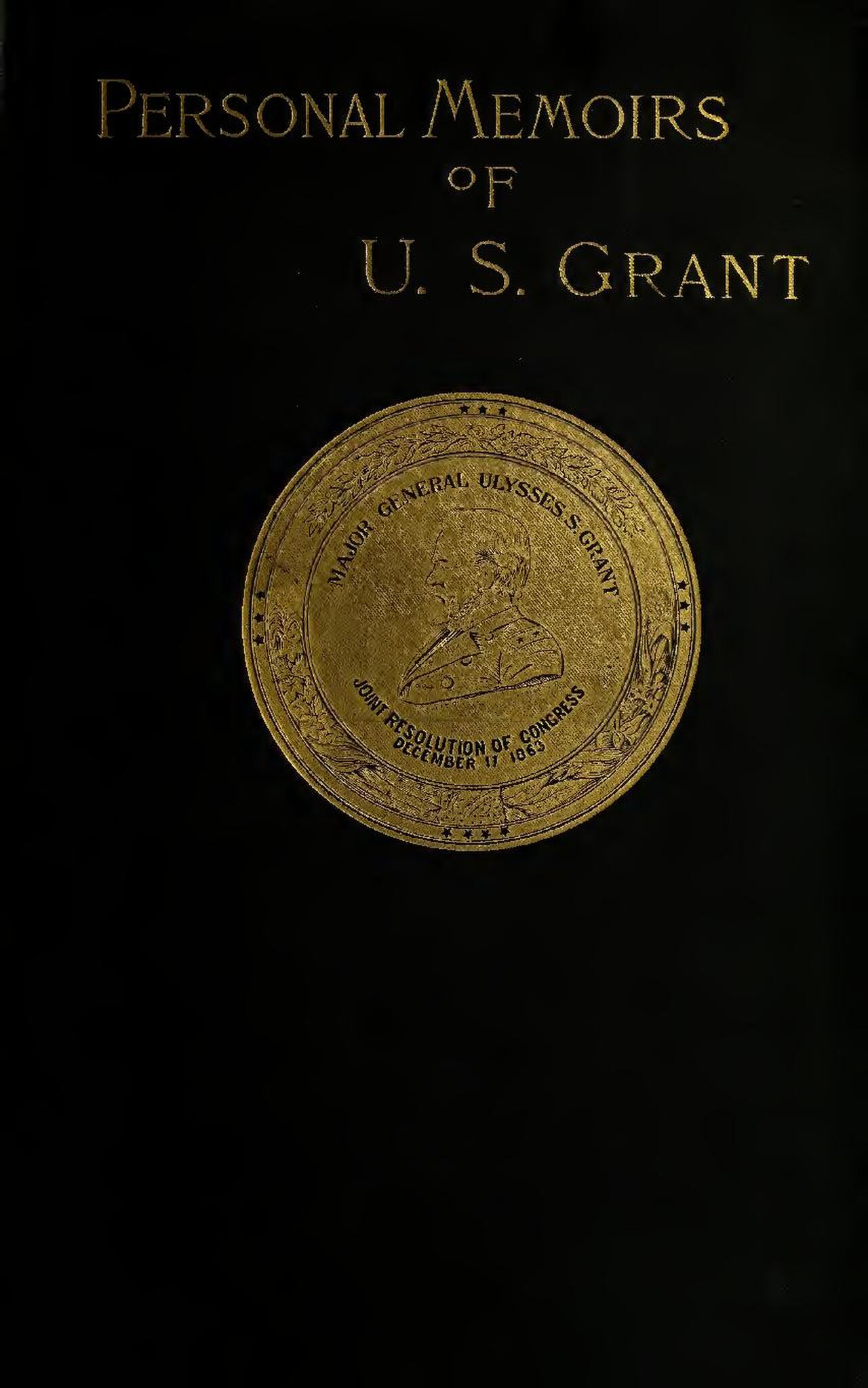
Personal Memoirs of U. S. Grant
Ulysses S. Grant · 1885
Primary source
Third Enforcement Act
20 April 1871
 Document
Primary source
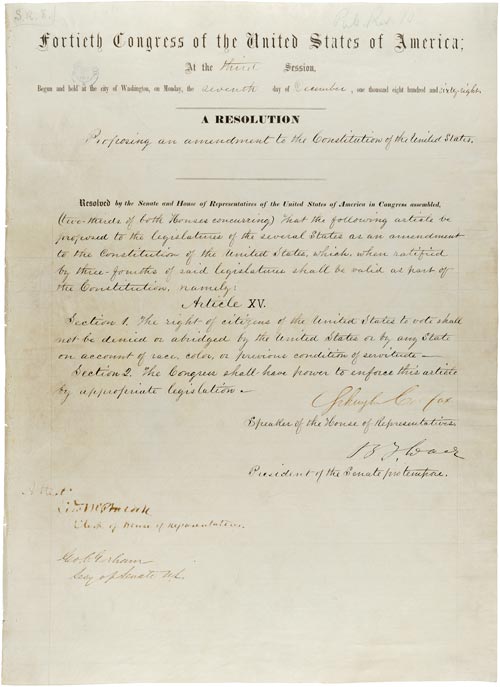
15th Amendment to the U.S. Constitution: Voting Rights
United States Congress · 1870
Primary source
Civil Rights Act of 1875
1 March 1875
Ready when you are
Start chatting with Ulysses S Grant now.
20 messages free · No credit card · Available in 50+ languages.