


Secondary sourceArtifact1950s rebuilding, over an 11th-century grave
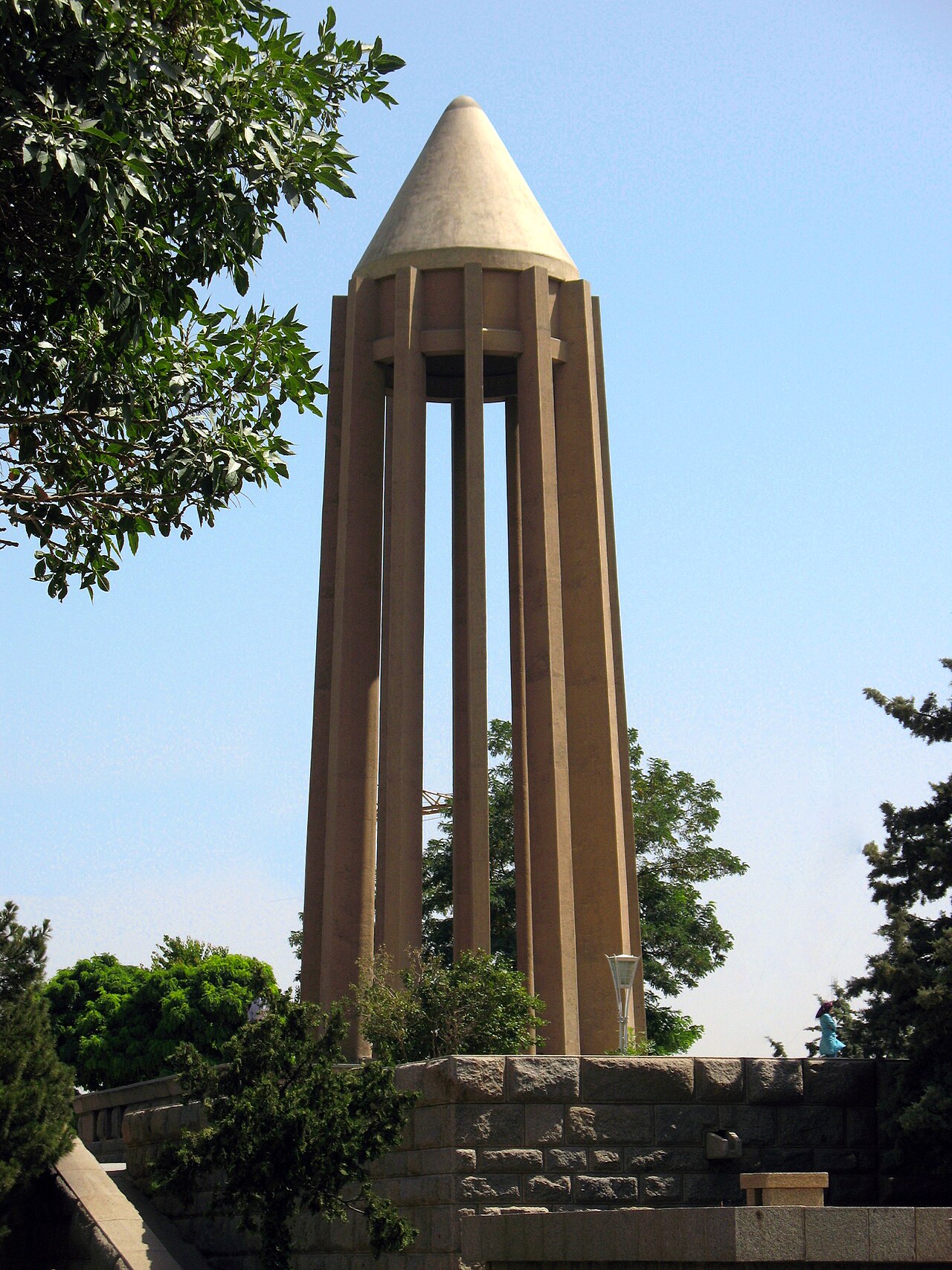
Grave of Avicenna
1950s rebuilding, over an 11th-century grave
The mausoleum in Hamadan, Iran, marking the burial place of Avicenna, who died there in 1037.
Marks the burial place of Avicenna, who died in Hamadan in 1037.
About this source
What it is
This is a photograph of the mausoleum built over the grave of Avicenna in Hamadan, Iran. The tall, slender tower-like monument seen today dates from a 1950s rebuilding, constructed above the site where Avicenna was buried after his death in 1037.
Why it matters
Avicenna was one of the most influential physicians and philosophers of the medieval Islamic world. The fact that a modern monument was built to honour his grave centuries later shows how he continued to be remembered and respected long after his death.
Look closer
- Why might a country build a grand monument over an old grave hundreds of years later?
- What does the design of the tower suggest about how Avicenna is remembered today?
- How is a modern memorial different from an object actually made in Avicenna's lifetime?
This artifact is part of the curated material that grounds the AI version of Avicenna on Humy.ai — when students ask about related events, the AI can quote it and cite it.
More Avicenna sources
Meet the AI Avicenna →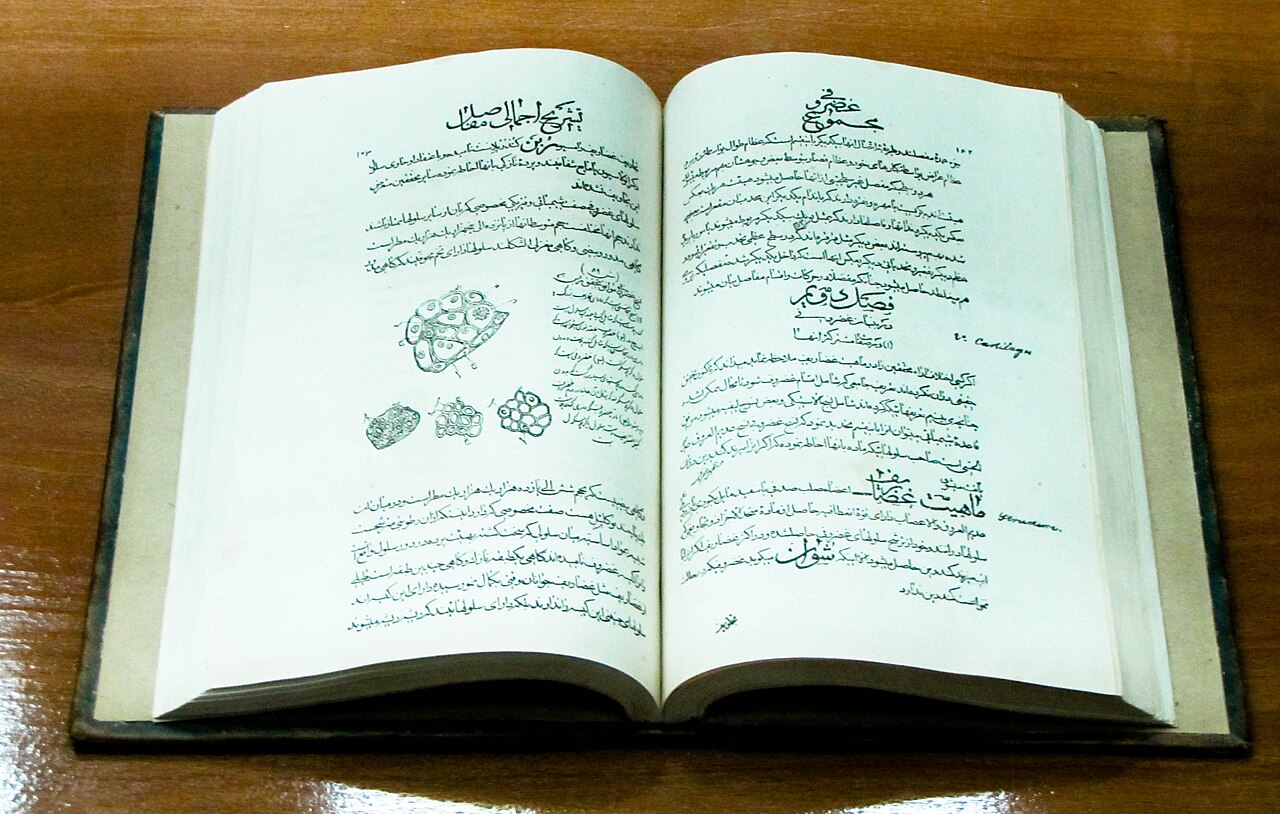 Book
Secondary source
Canon of Medicine
Avicenna · 1025
 Book
Primary source
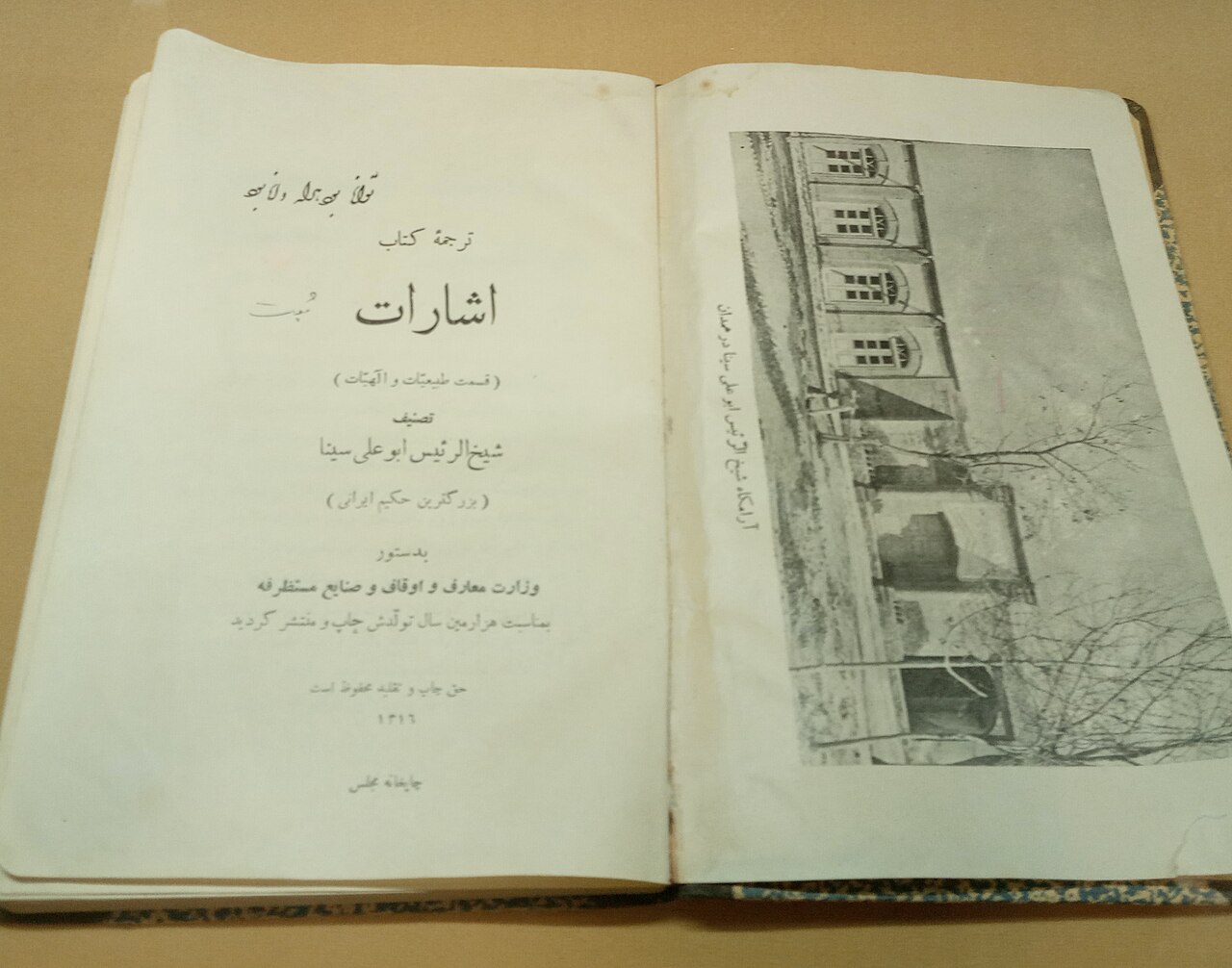
Al-Isharat wa al-Tanbihat
Avicenna
Secondary source
Commentary on Anatomy in Avicenna's Canon
Ibn al-Nafis · 13th century
 Painting
Secondary source
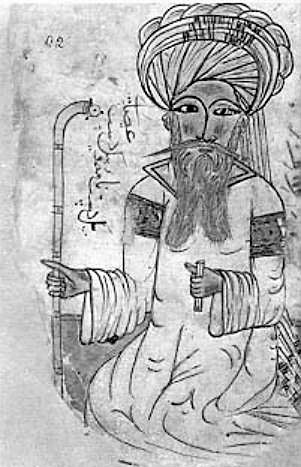
Avicenna (Subtilties of Truth manuscript image)
Beckwith · 1271
 Painting
Secondary source
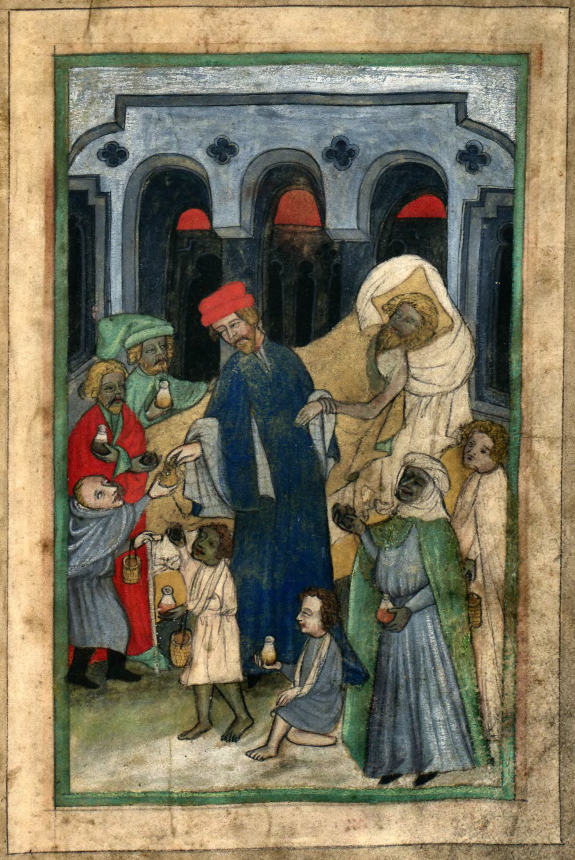
Avicenna at the Sickbed
Walenty z Pilzna · c. 1479-1480
Ready when you are
Start chatting with Avicenna now.
20 messages free · No credit card · Available in 50+ languages.