


Secondary sourceArtifact1870 (burial); photograph 2012
Grave of Charles Dickens
1870 (burial); photograph 2012
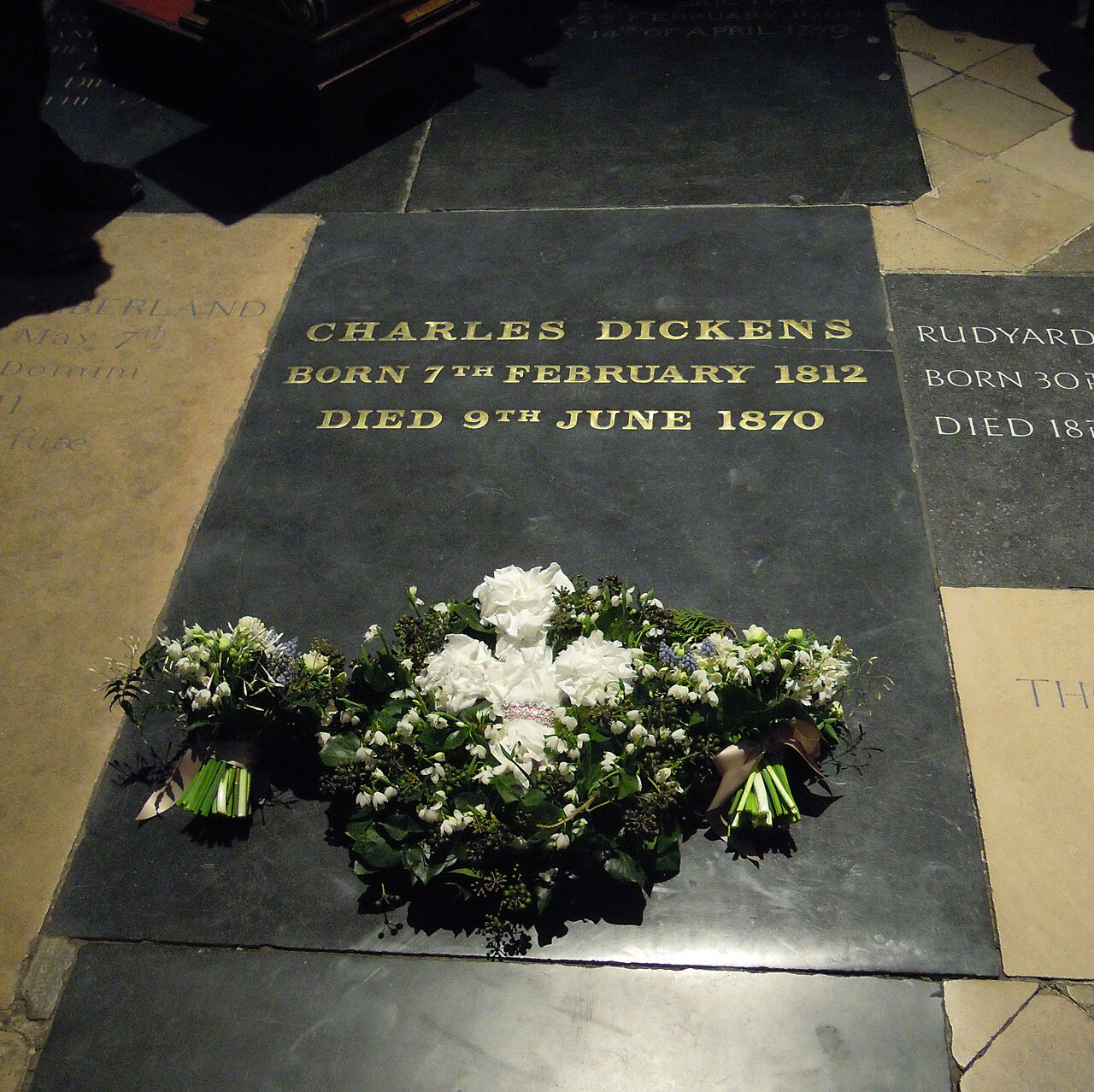
The grave of Charles Dickens in Poets' Corner, Westminster Abbey, marking his burial despite his wish for a simple funeral.
This is Dickens's own grave, showing how his death in 1870 was treated as a matter of national mourning.
About this source
What it is
A photograph of the grave slab of Charles Dickens in Westminster Abbey, inscribed with his name and the dates of his birth and death, shown here covered with flowers from a 2012 wreath-laying ceremony.
Why it matters
Dickens asked for a private, simple funeral, but he was instead buried in Poets' Corner among other famous writers, including Rudyard Kipling nearby. This shows how, by 1870, Dickens was regarded as a figure of national importance whose wishes for modesty were overridden by public honour.
Look closer
- Why might the nation have chosen to bury Dickens in such a famous place, against his own wishes?
- What does the presence of flowers from a modern royal ceremony tell you about how Dickens is still remembered today?
- What does a grave marker tell us, and not tell us, about a person's life?
This artifact is part of the curated material that grounds the AI version of Charles Dickens on Humy.ai — when students ask about related events, the AI can quote it and cite it.
More Charles Dickens sources
Meet the AI Charles Dickens →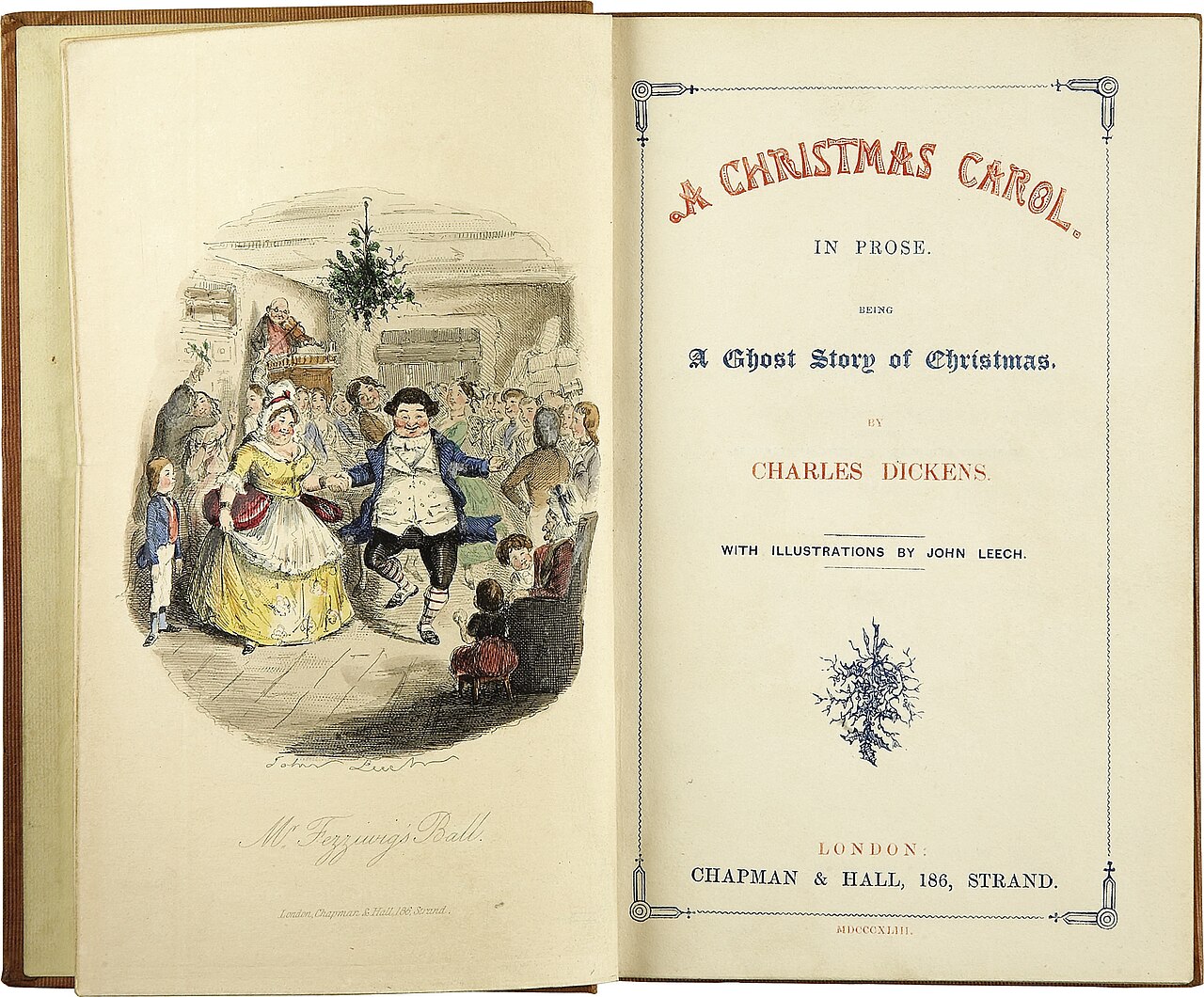 Book
Primary source
A Christmas Carol
Charles Dickens · 1843
 Book
Primary source
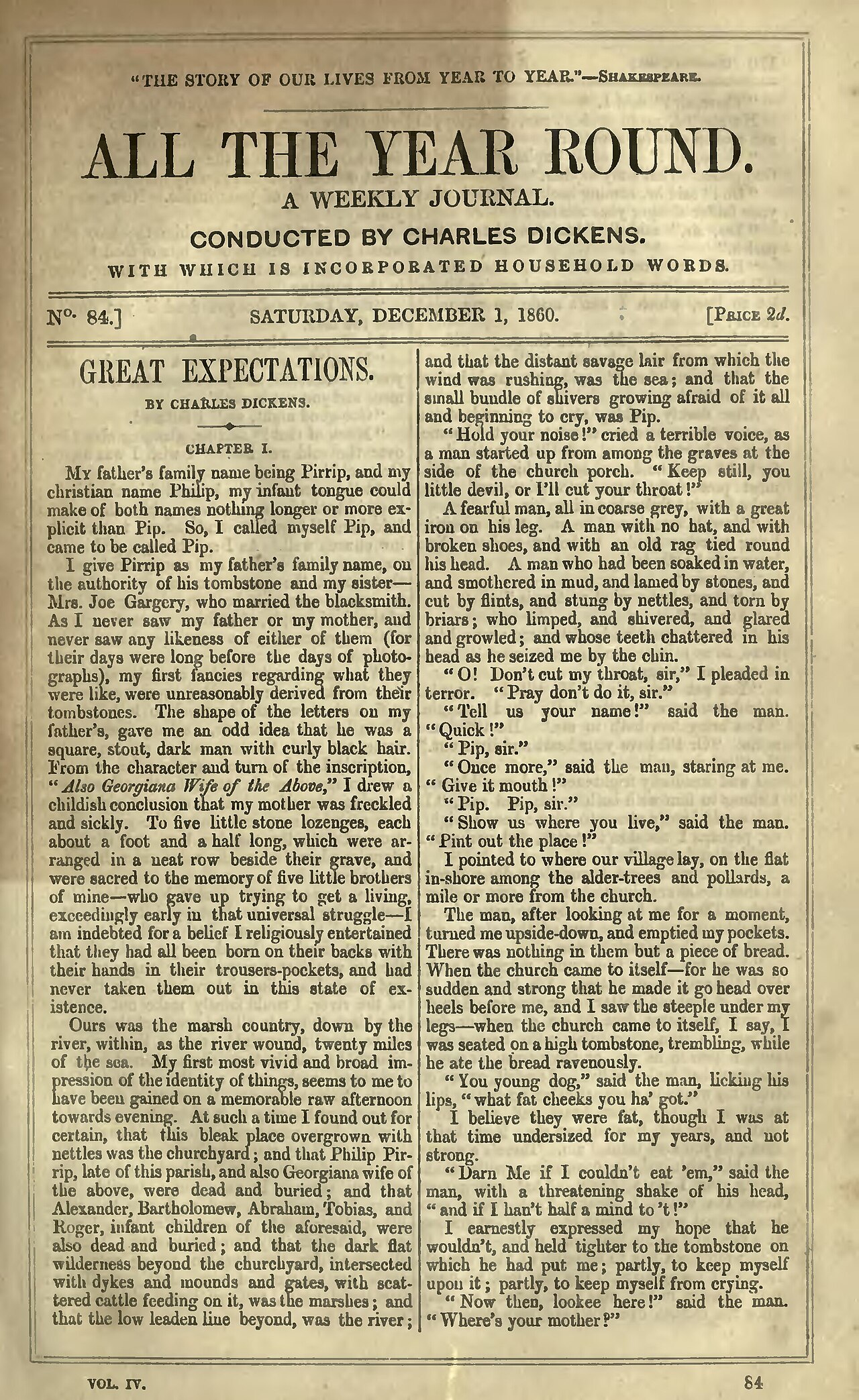
Great Expectations
Charles Dickens · 1860–1861
 Book
Primary source
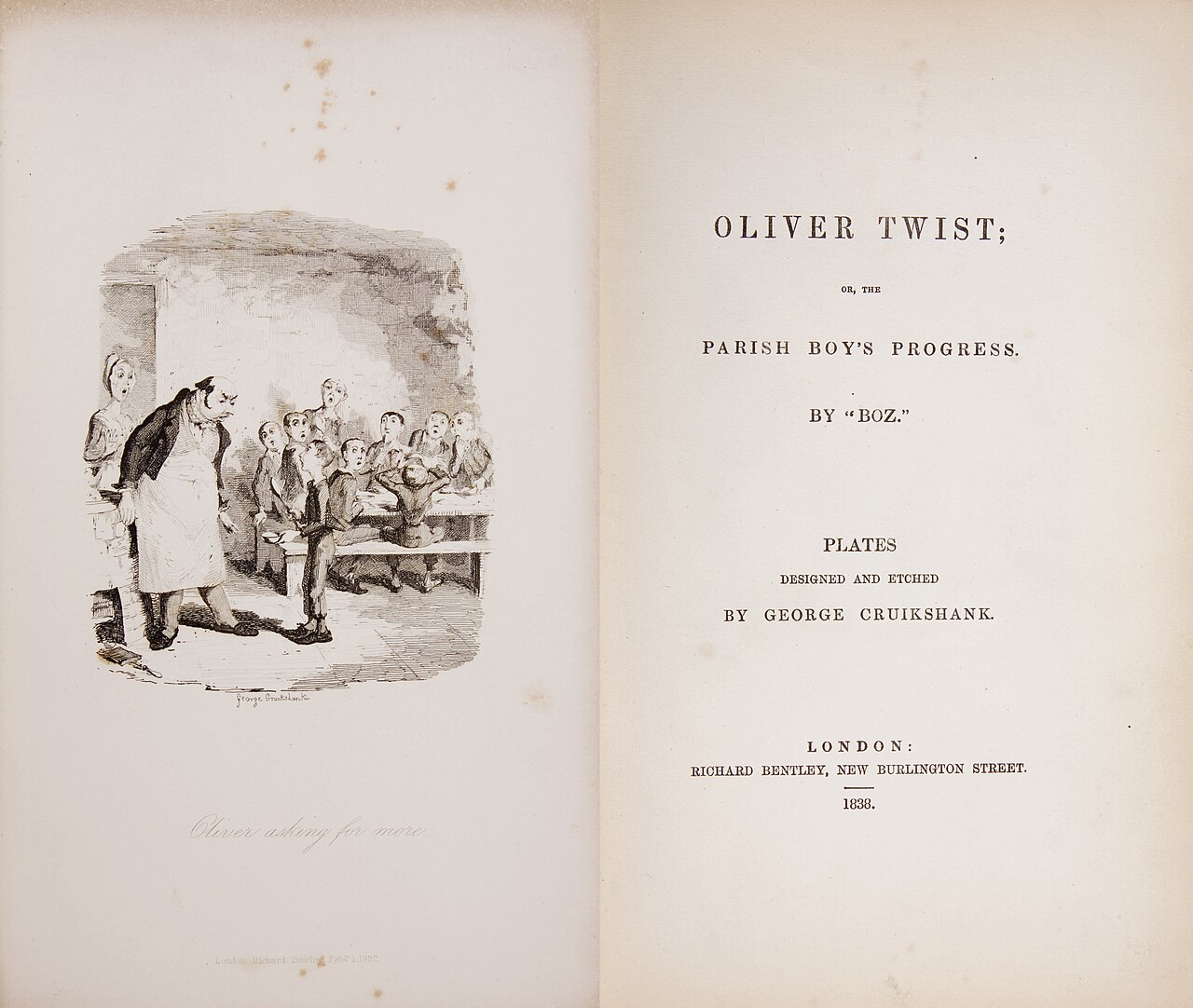
Oliver Twist
Charles Dickens · 1838 (serialised 1837–1839)
 Book
Primary source
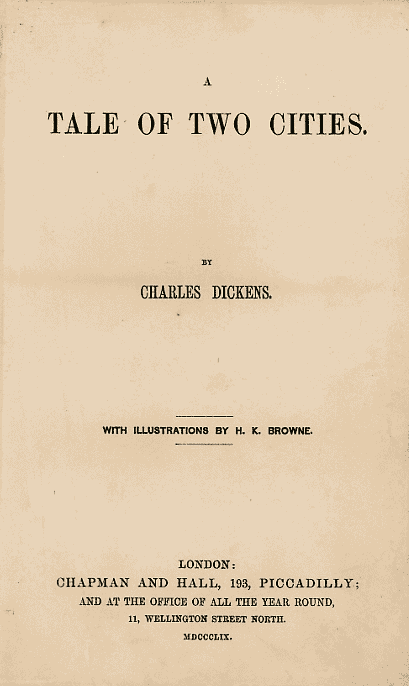
A Tale of Two Cities
Charles Dickens · 1859
 Book
Primary source
Hard Times: For These Times
Charles Dickens · 1854
Ready when you are
Start chatting with Charles Dickens now.
20 messages free · No credit card · Available in 50+ languages.