


Secondary sourceArtifact
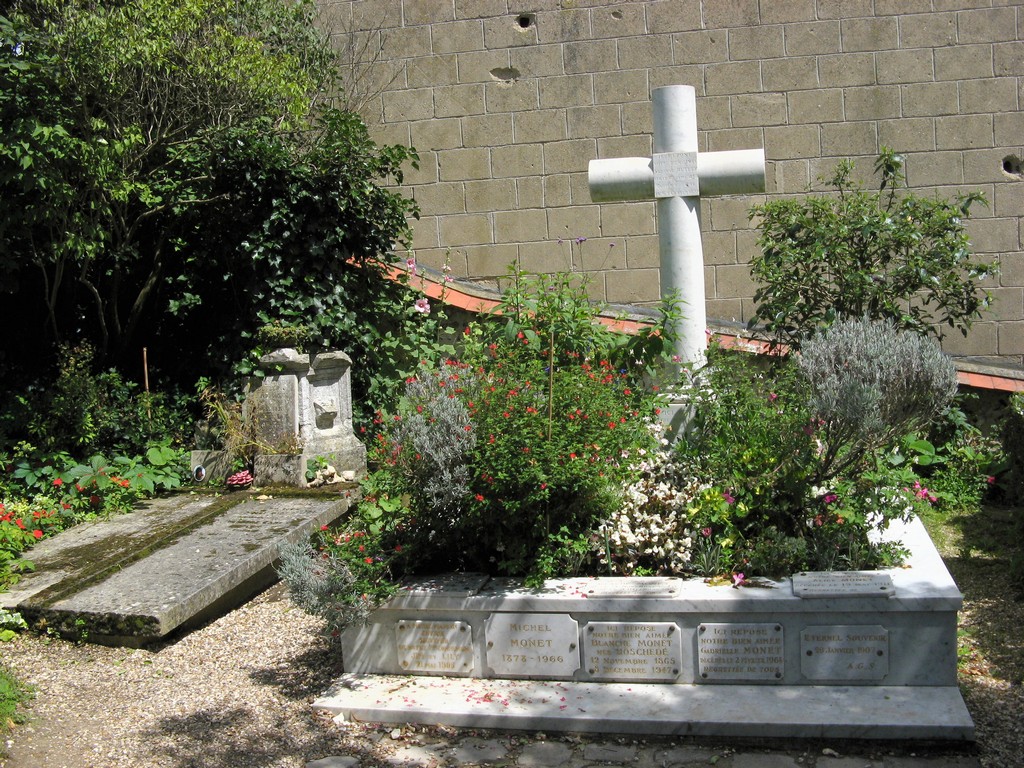
Grave of Claude Monet
The family tomb of Claude Monet at the Sainte-Radegonde church in Giverny, where he was buried in 1926 in a simple ceremony.
Marks the place where Monet was buried in Giverny, the village where he lived and worked for most of his later life.
About this source
What it is
This is the grave of Claude Monet in Giverny. It is the family tomb at the Sainte-Radegonde church. The photograph shows a white marble grave in a garden, with a white stone cross behind it, surrounded by red flowers, lavender-like shrubs and white blossoms. Engraved plaques on the tomb list the names Michel Monet (1875-1966) and Blanche Monet. A stone slab lies to the left.
Why it matters
Monet died in 1926 and was buried here in a simple ceremony. Giverny was the village where he lived and painted his garden and water lily series, so his grave connects his final years to the place that inspired much of his later work. The names on the tomb show that it was shared with other members of his family.
Look closer
- What does the setting of the grave, with its flowers and garden, suggest about how Monet is remembered?
- Why might a family tomb include the names of several people?
- What can a memorial tell us, and what can it not tell us about the life of the person buried there?
This artifact is part of the curated material that grounds the AI version of Claude Monet on Humy.ai — when students ask about related events, the AI can quote it and cite it.
More Claude Monet sources
Meet the AI Claude Monet →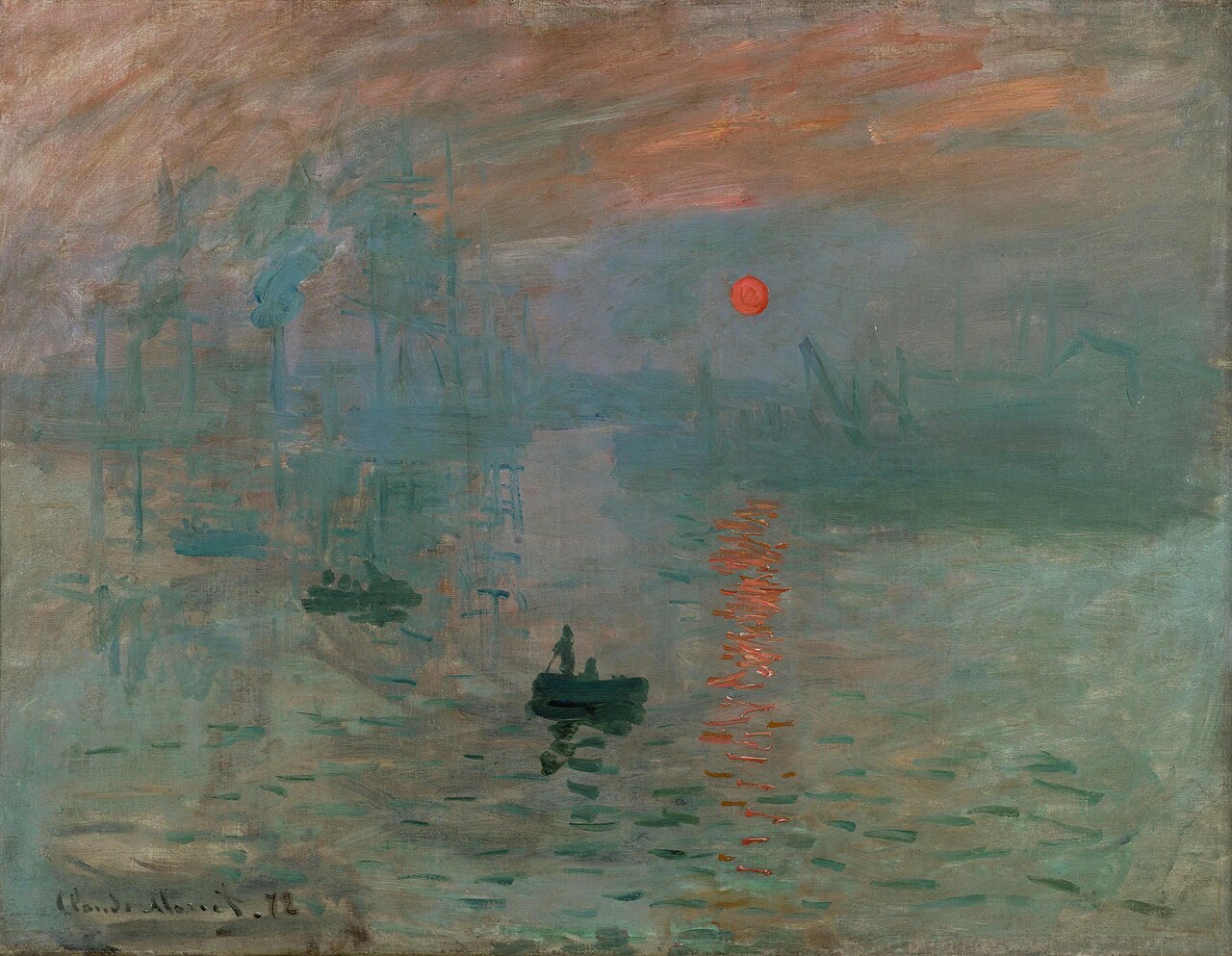 Painting
Primary source
Impression, Sunrise
Claude Monet · 1872
 Painting
Primary source
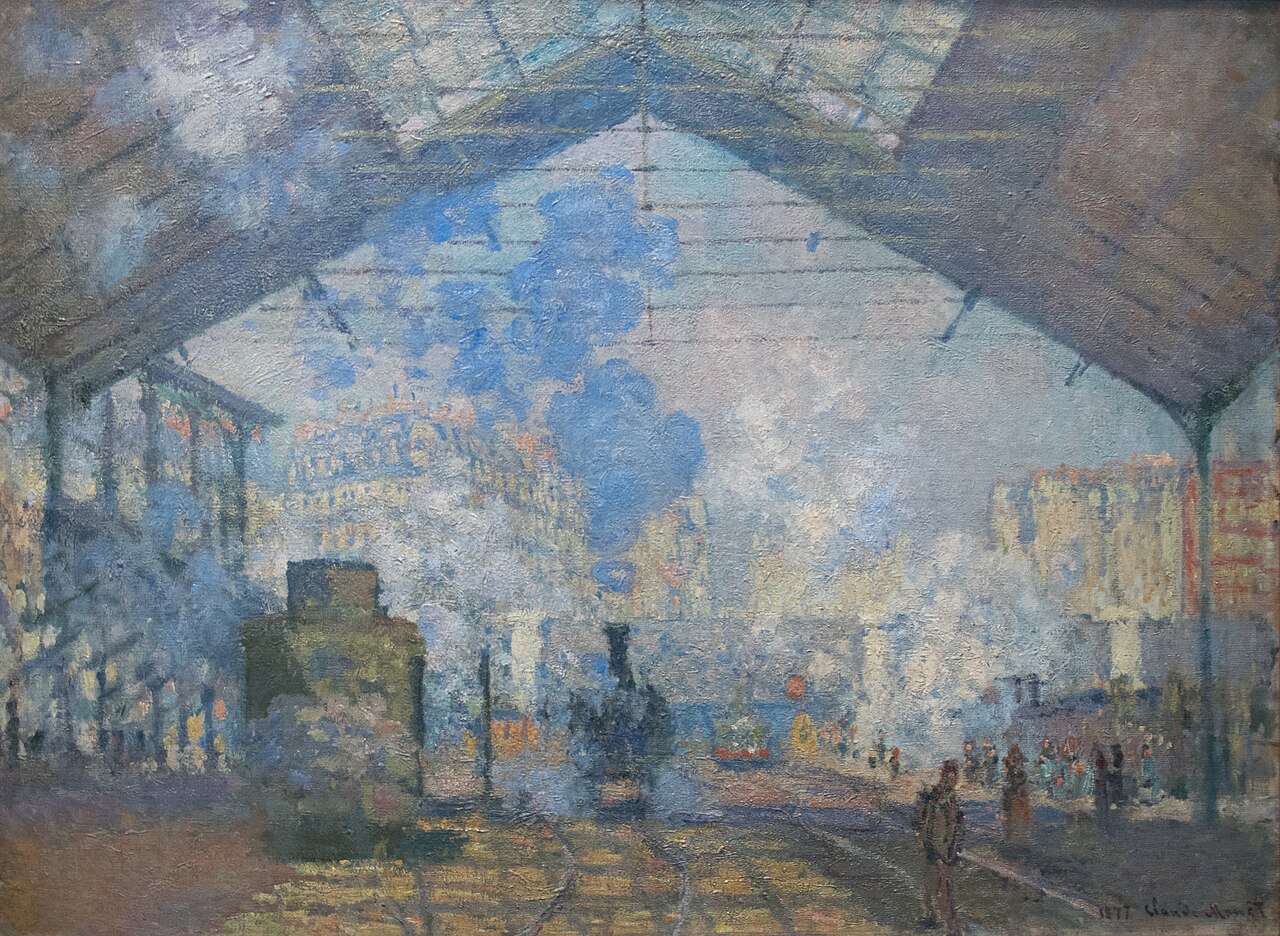
La Gare Saint-Lazare
Claude Monet · 1877
 Painting
Primary source
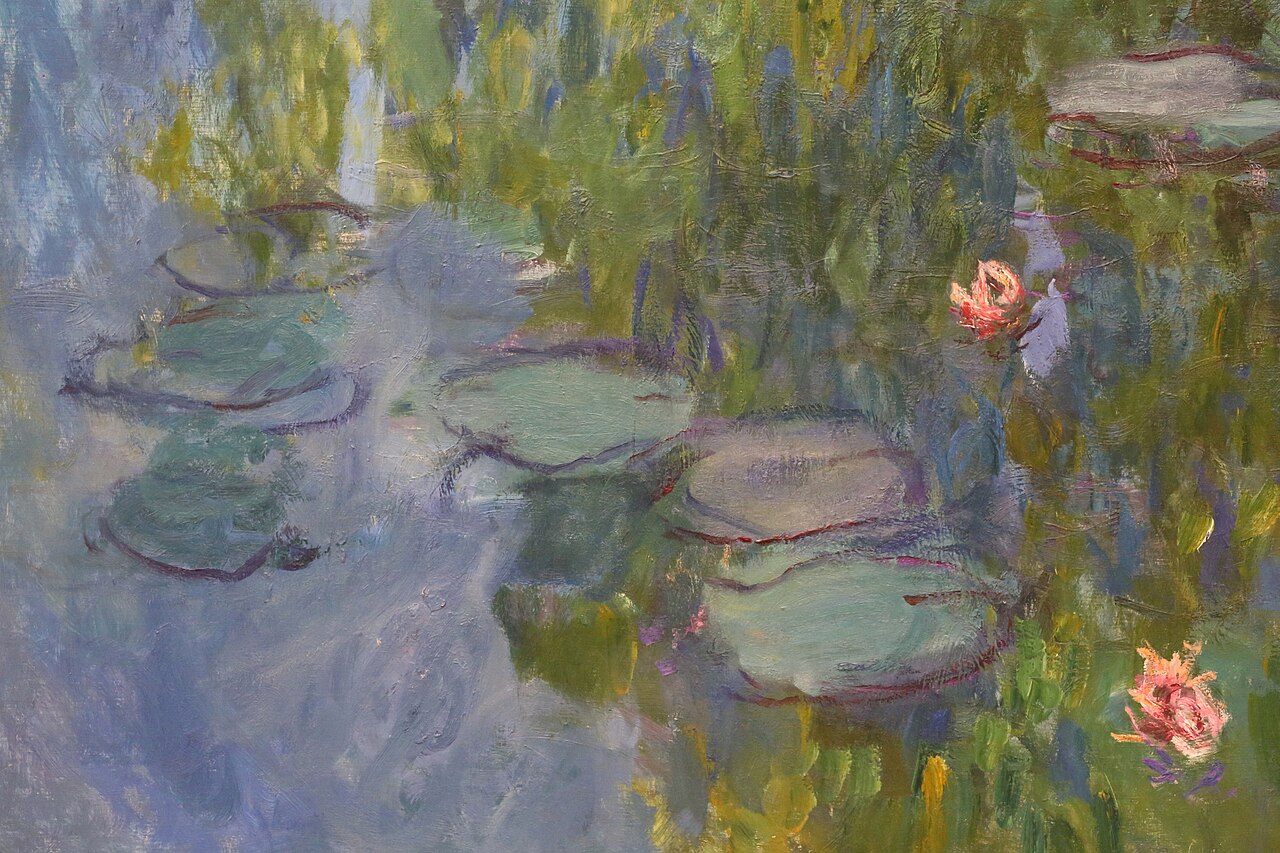
Water Lilies
Claude Monet · 1899 onward
 Painting
Primary source
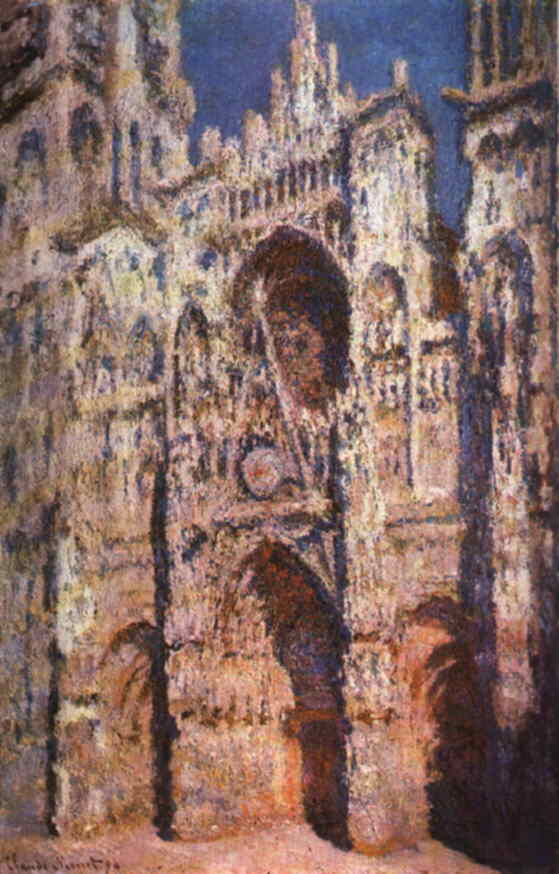
Rouen Cathedral Series
Claude Monet · 1892-1894
 Painting
Primary source
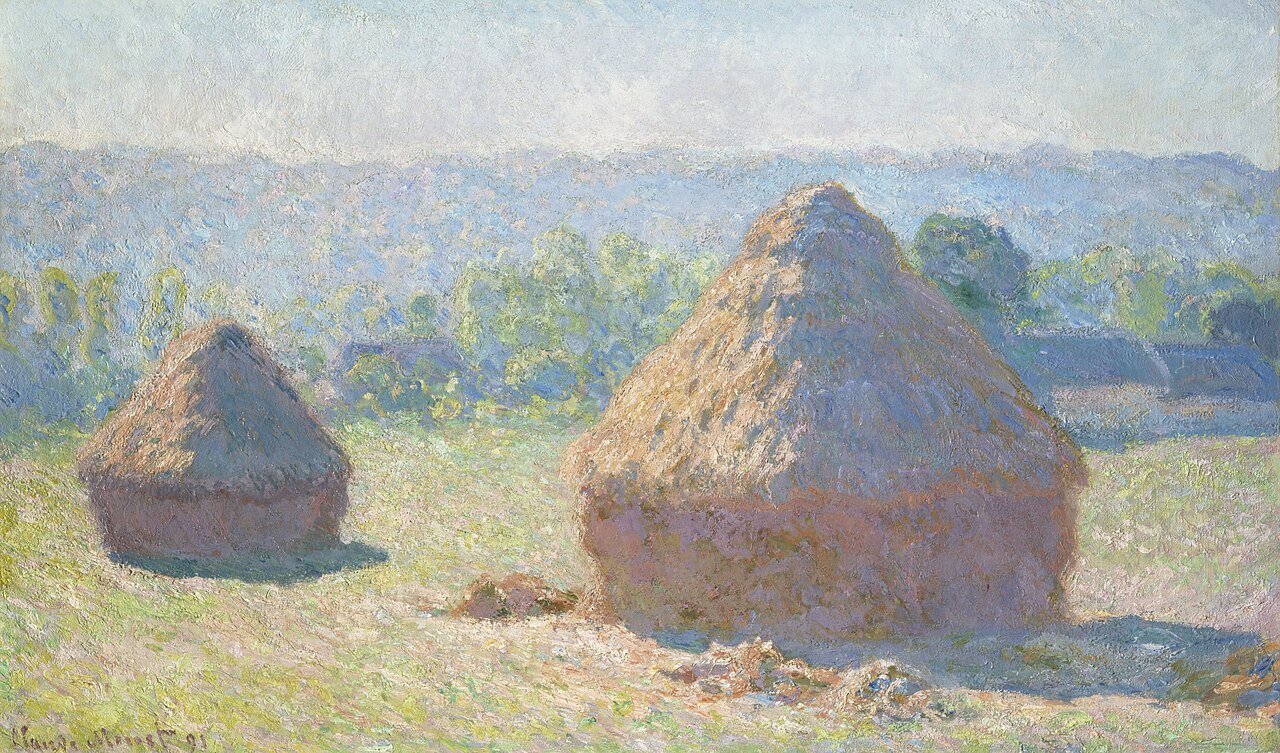
Haystacks
Claude Monet · 1890-1891
Ready when you are
Start chatting with Claude Monet now.
20 messages free · No credit card · Available in 50+ languages.