


Secondary sourceSculpture1269
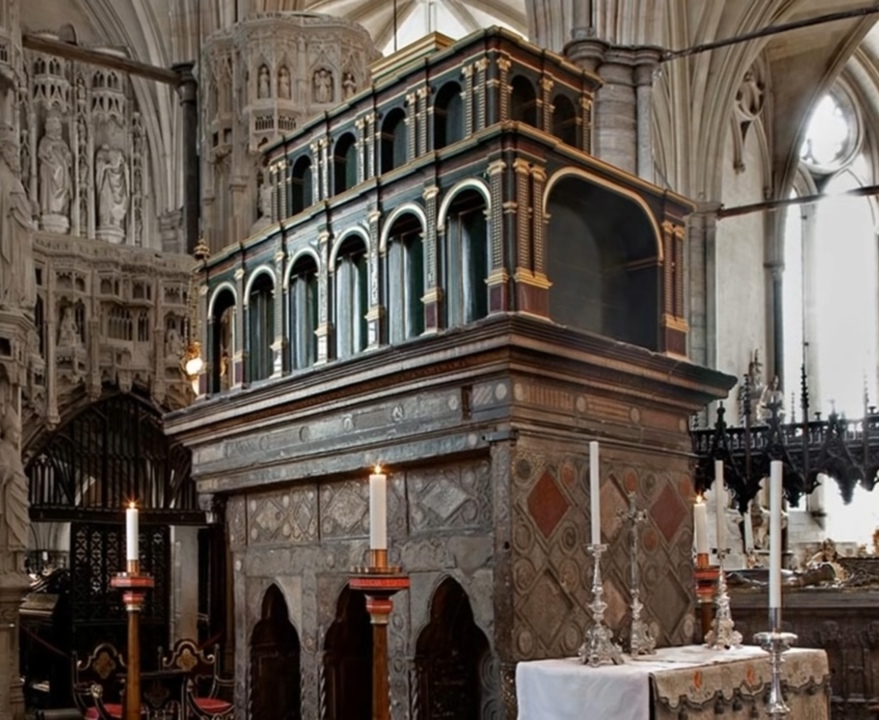
Grave of Edward the Confessor
Commissioned by Henry III · 1269
The shrine holding Edward the Confessor's remains, built after his canonisation to honour him as a royal saint.
This shrine, built over two centuries after his death, holds Edward's remains and reflects his cult as a royal saint.
About this source
What it is
This is the shrine and grave of King Edward the Confessor, built by King Henry III in 1269 with decorative Cosmati mosaic work. It still holds Edward's remains today.
Why it matters
Edward was canonised in 1161, and this shrine reflects the cult that grew around him as a royal saint in the centuries after his death. The fact that a later king invested in building such an elaborate monument shows how useful Edward's sainthood was for English monarchs wishing to connect their own rule to a holy royal ancestor.
Look closer
- Why might King Henry III have wanted to build such an elaborate shrine over 200 years after Edward's death?
- What does the decoration of the shrine tell us about how important Edward's sainthood had become?
- How is a shrine built generations later different from an object made during the king's own lifetime?
This sculpture is part of the curated material that grounds the AI version of Edward the Confessor on Humy.ai — when students ask about related events, the AI can quote it and cite it.
More Edward the Confessor sources
Browse all 67 →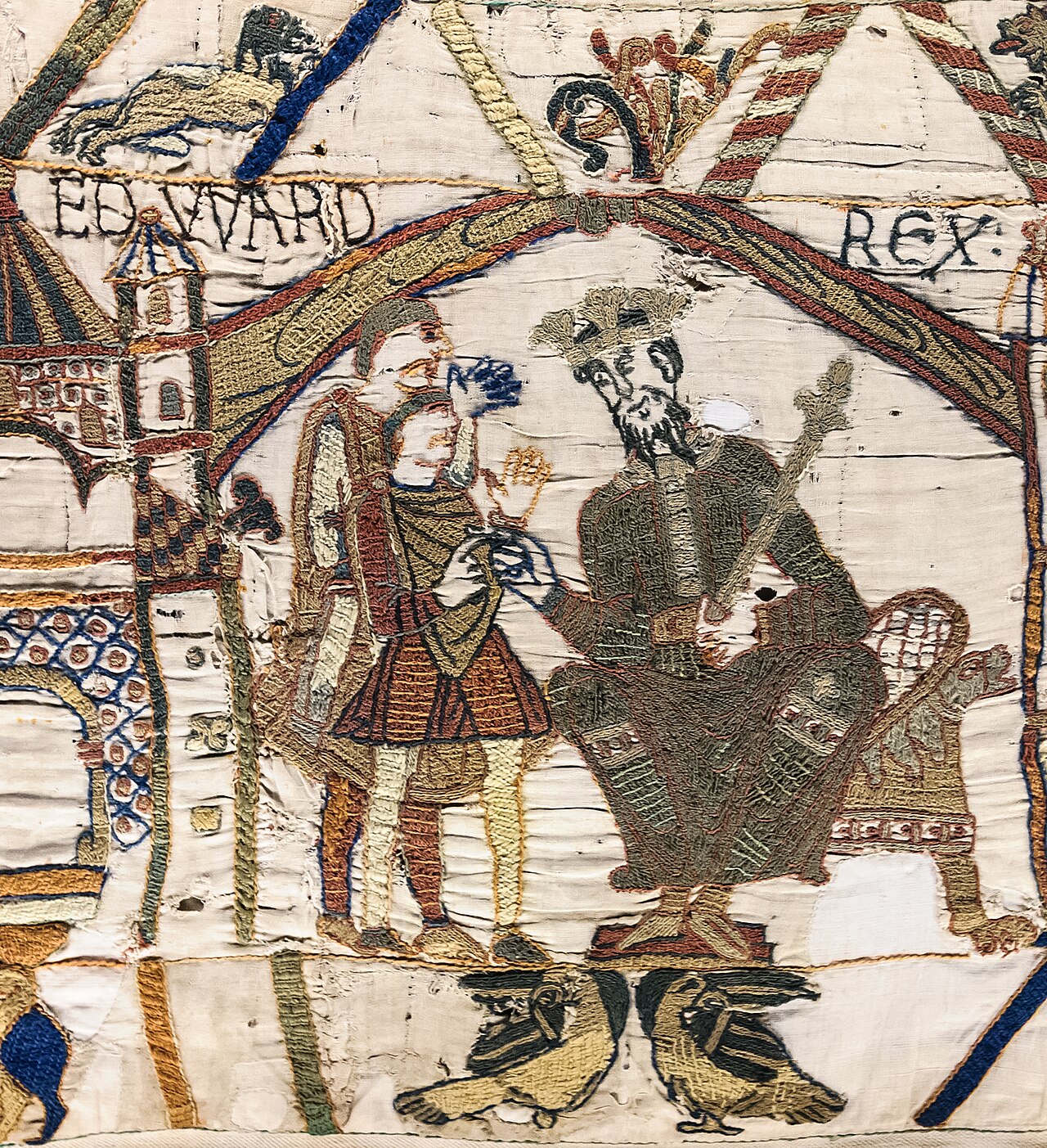 Artifact
Primary source
Bayeux Tapestry
c. 1070s-1100
 Document
Primary source
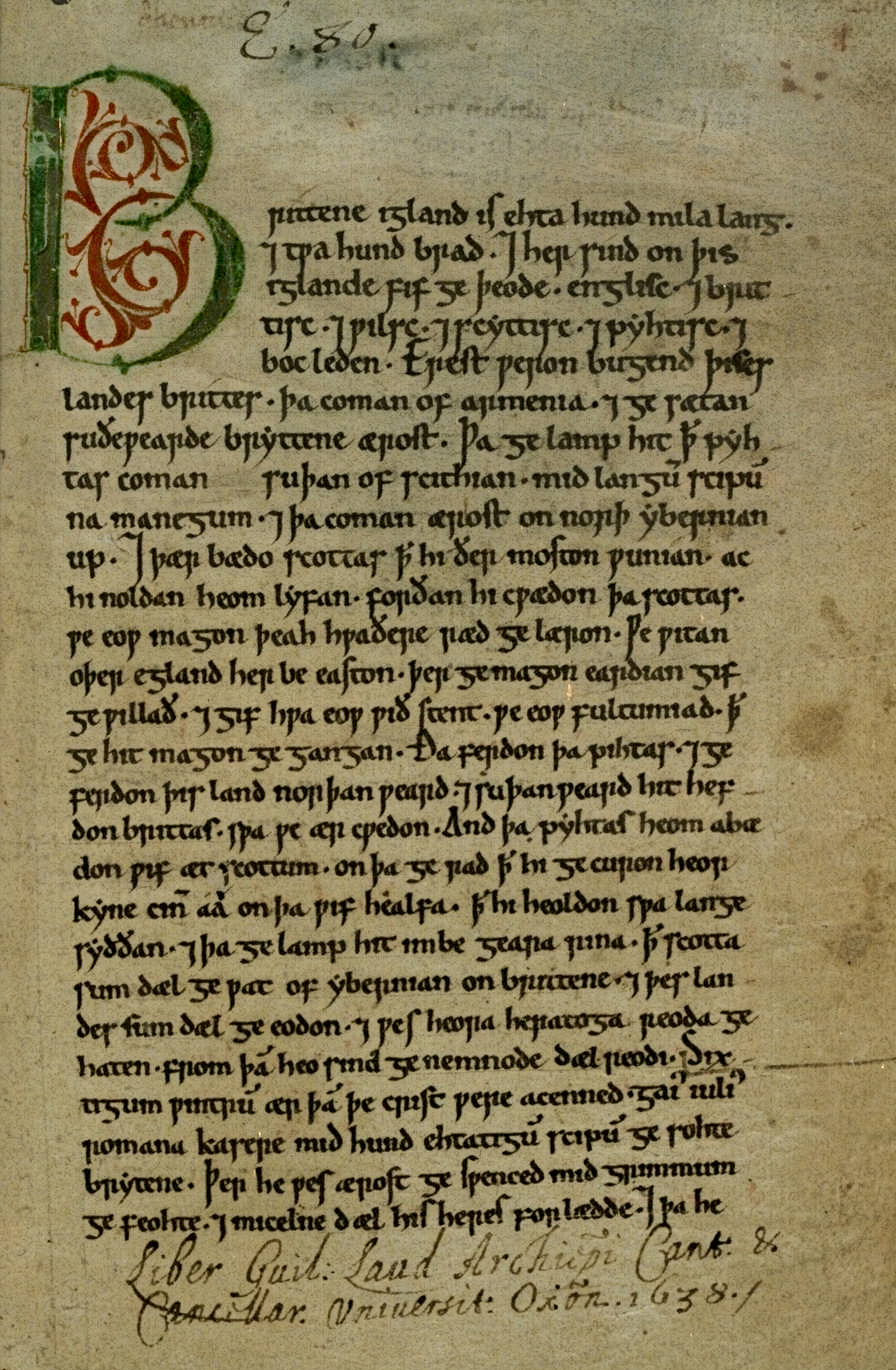
Anglo-Saxon Chronicle
c. 890 (Common Stock)
 Artifact
Primary source
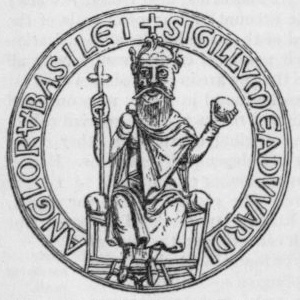
Great Seal of Edward the Confessor
Unknown maker · 1042–1066
 Artifact
Primary source
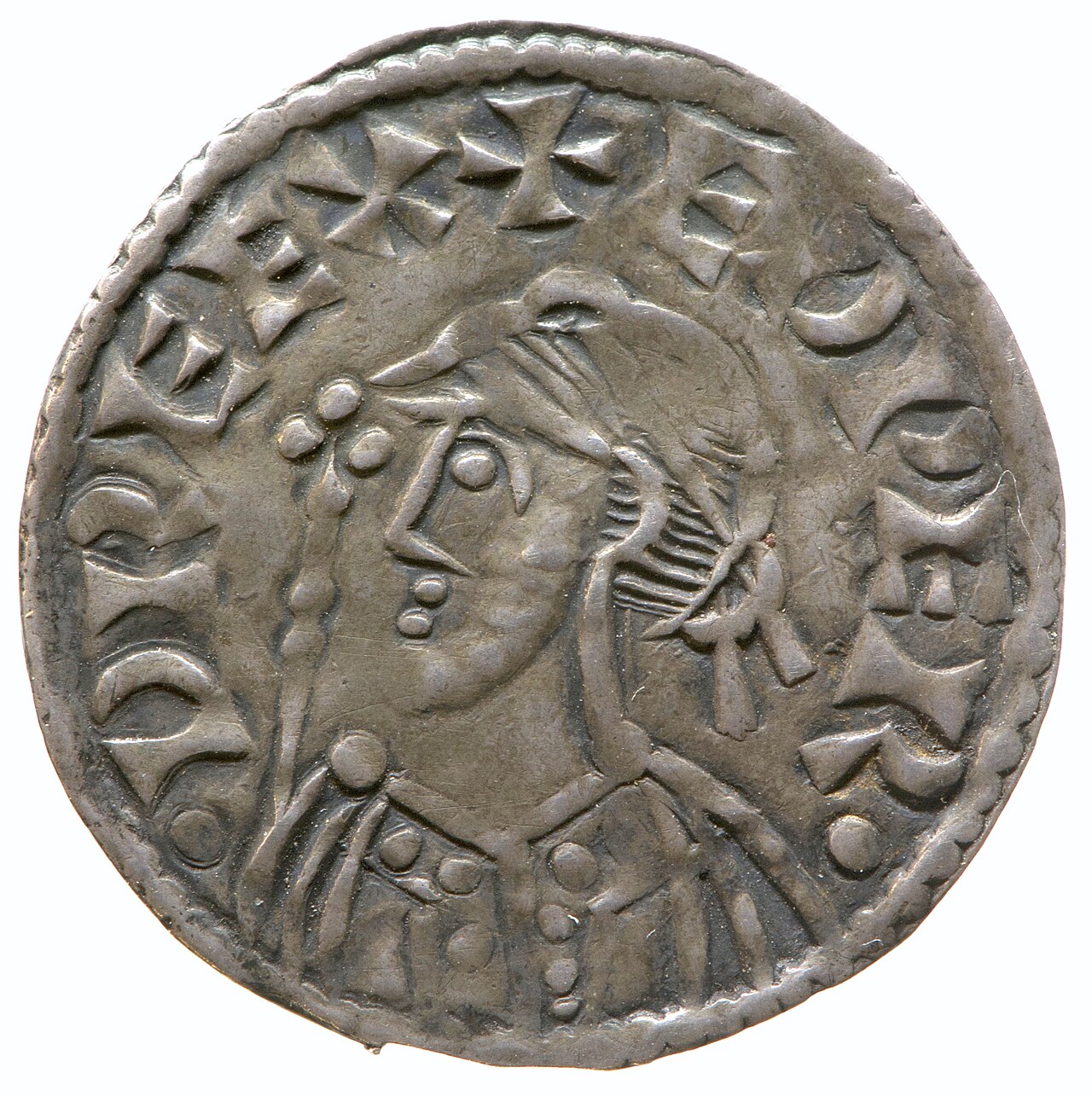
Silver Pennies of Edward the Confessor
Royal moneyers of England · 1042–1066
Free account
Read every Edward the Confessor source
Sign up free →
Ready when you are
Start chatting with Edward the Confessor now.
20 messages free · No credit card · Available in 50+ languages.