


Primary sourceArtifact1042–1066
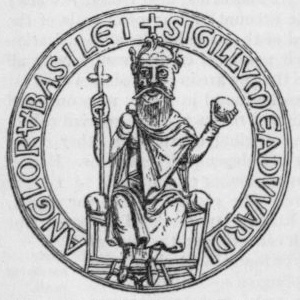
Great Seal of Edward the Confessor
Unknown maker · 1042–1066
Edward's double-sided royal seal, showing him enthroned in majesty, used to authenticate his official writs.
This is Edward's own great seal, the first of its type used by an English king to authenticate royal writs.
About this source
What it is
This is the great seal of King Edward the Confessor, a double-sided object with a design nearly identical on its obverse and counter-seal, showing the king enthroned in majesty. Its maker is unknown.
Why it matters
Edward's seal is notable as the first of its kind used by an English king to authenticate royal writs. It shows how Edward's government worked: documents needed a recognisable mark of royal authority, and the image of the enthroned king was chosen to project power and legitimacy.
Look closer
- Why would a king need a seal rather than just a signature?
- What does the choice to show the king enthroned tell us about how he wanted to be seen?
- Why might having a double-sided seal matter?
This artifact is part of the curated material that grounds the AI version of Edward the Confessor on Humy.ai — when students ask about related events, the AI can quote it and cite it.
More Edward the Confessor sources
Browse all 67 →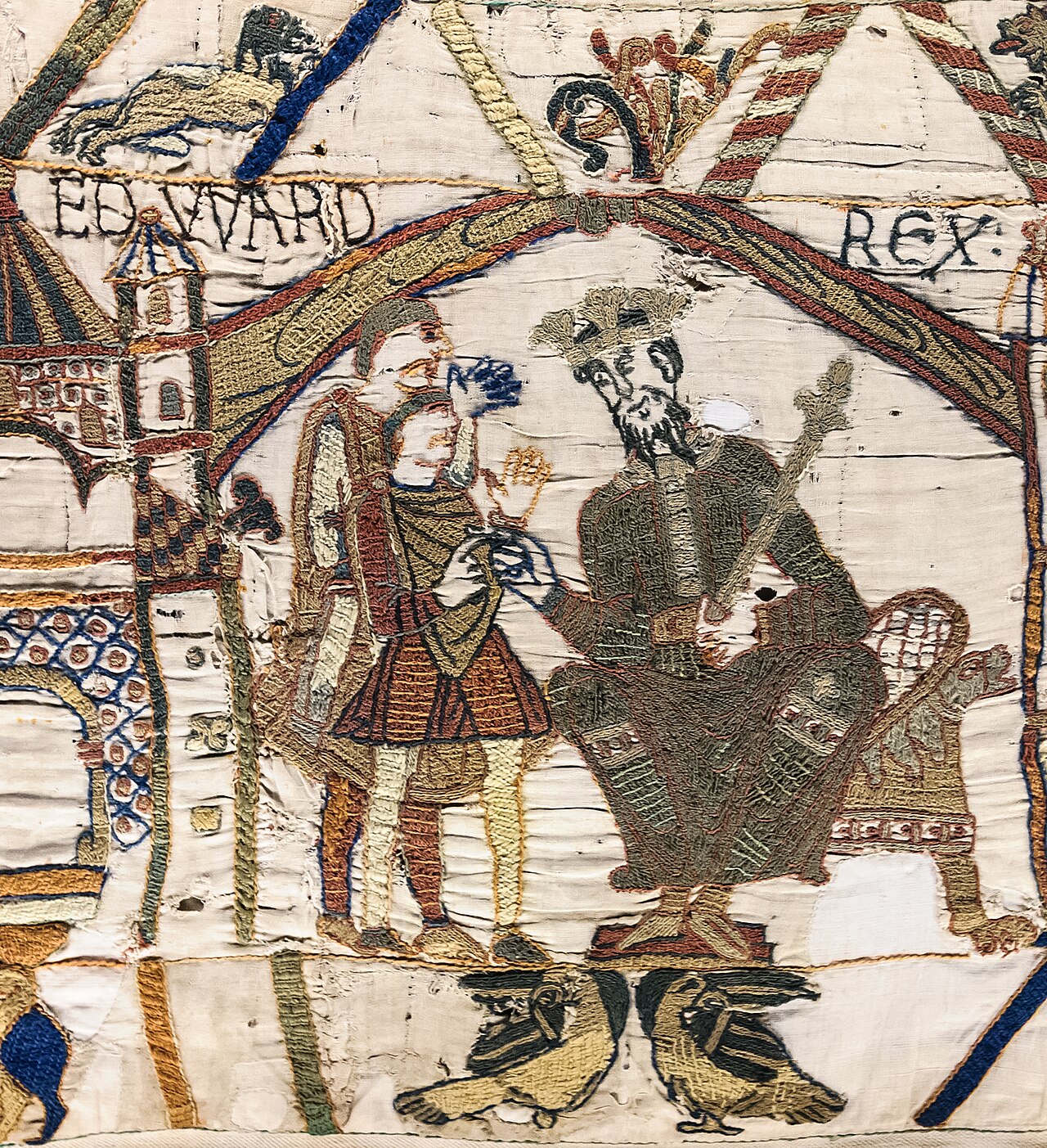 Artifact
Primary source
Bayeux Tapestry
c. 1070s-1100
 Document
Primary source
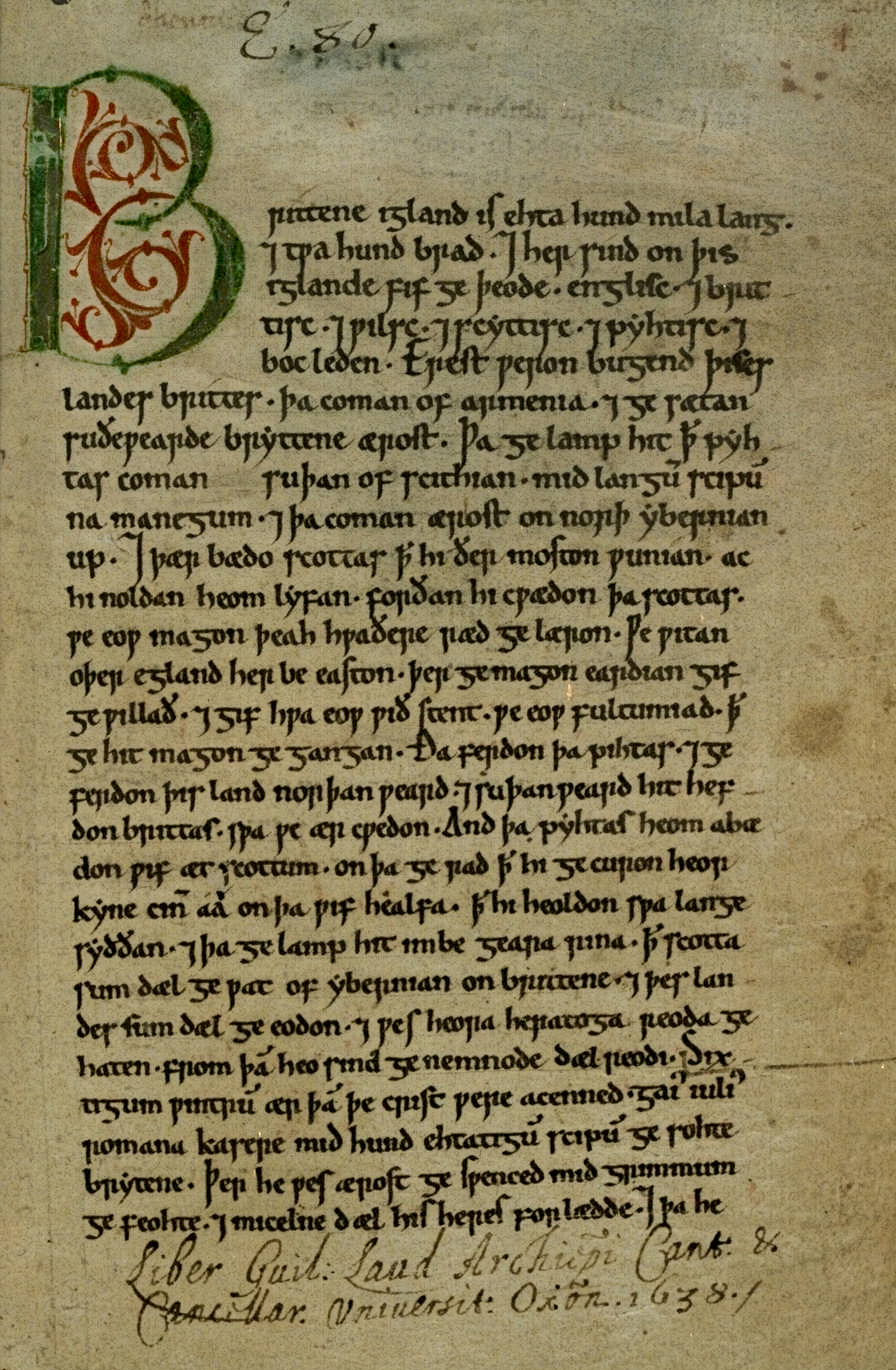
Anglo-Saxon Chronicle
c. 890 (Common Stock)
 Artifact
Primary source
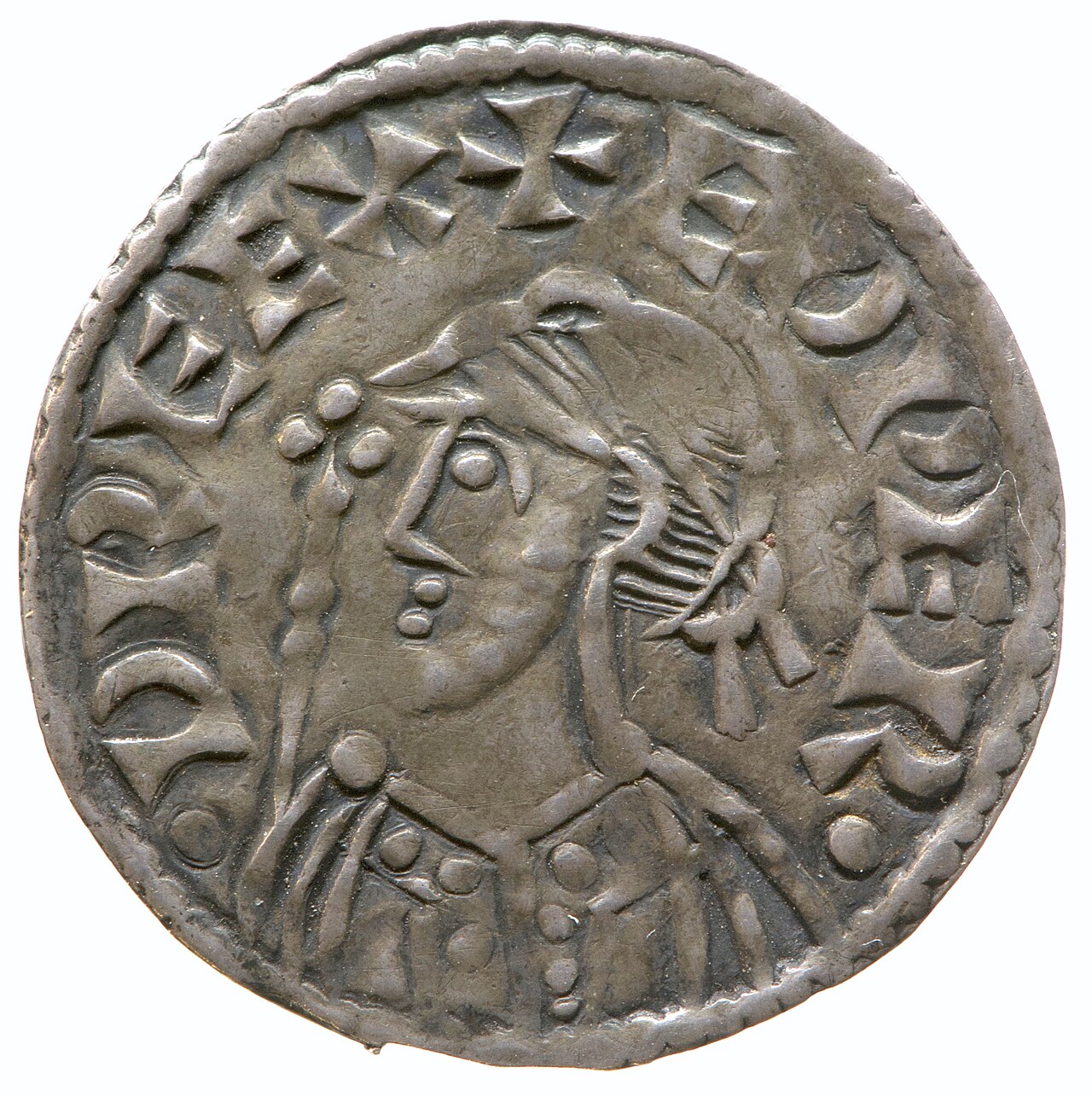
Silver Pennies of Edward the Confessor
Royal moneyers of England · 1042–1066
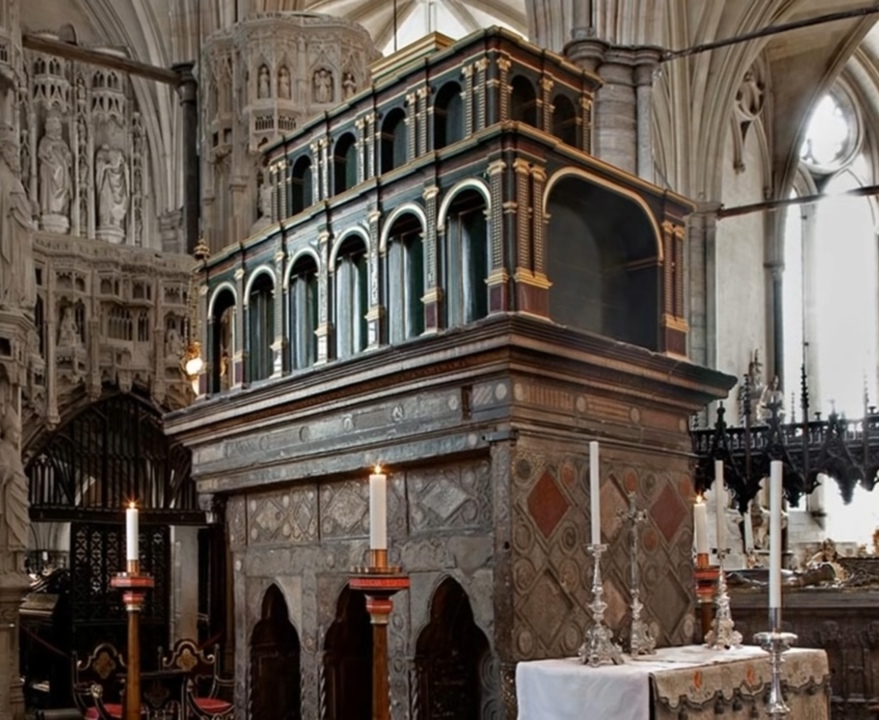 Sculpture
Secondary source
Grave of Edward the Confessor
Commissioned by Henry III · 1269
Free account
Read every Edward the Confessor source
Sign up free →
Ready when you are
Start chatting with Edward the Confessor now.
20 messages free · No credit card · Available in 50+ languages.