


Secondary sourceArtifact1995 (reinterment); photograph 2012
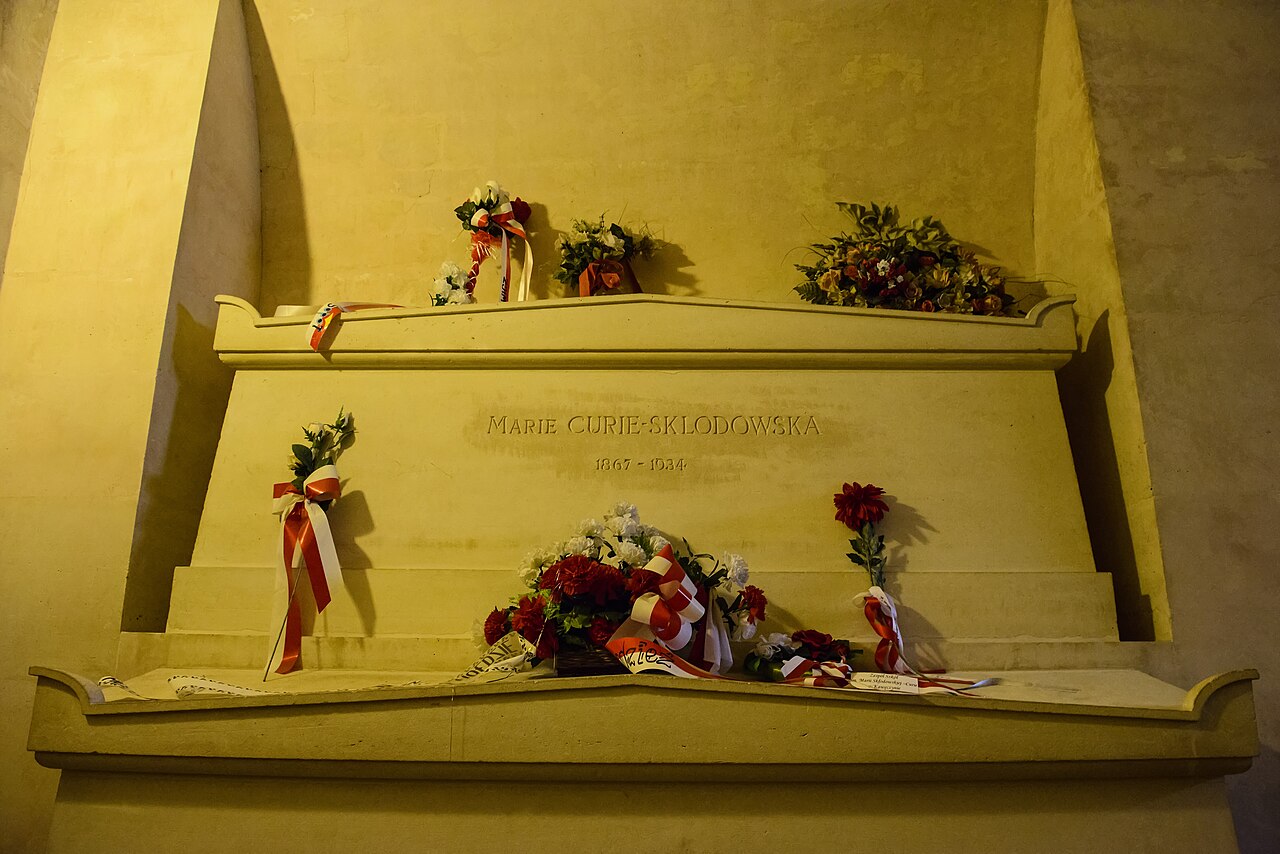
Grave of Marie Curie
1995 (reinterment); photograph 2012
The tomb of Marie Curie in the Panthéon in Paris, where she was reinterred in 1995 as the first woman honoured there for her own achievements.
Her Panthéon tomb shows how France later honoured Marie Curie as a scientist in her own right.
About this source
What it is
This photograph shows the tomb of Marie Curie inside the Panthéon, a monument in Paris for people honoured by France. She was moved there in 1995.
Why it matters
Marie Curie was the first woman given this honour in the Panthéon for her own work, not because of a husband or relative. This shows how her scientific achievements came to be recognised at the highest level, long after her death. It also reminds us of the dangers of her work: her papers from the 1890s are still radioactive today and must be stored and handled with special care.
Look closer
- Why do you think it took until 1995 for Marie Curie to be honoured this way?
- What does it mean that her old papers are still too dangerous to touch without protection?
- Why might a nation choose to move someone's remains to a special monument decades after they died?
This artifact is part of the curated material that grounds the AI version of Marie Curie on Humy.ai — when students ask about related events, the AI can quote it and cite it.
More Marie Curie sources
Meet the AI Marie Curie →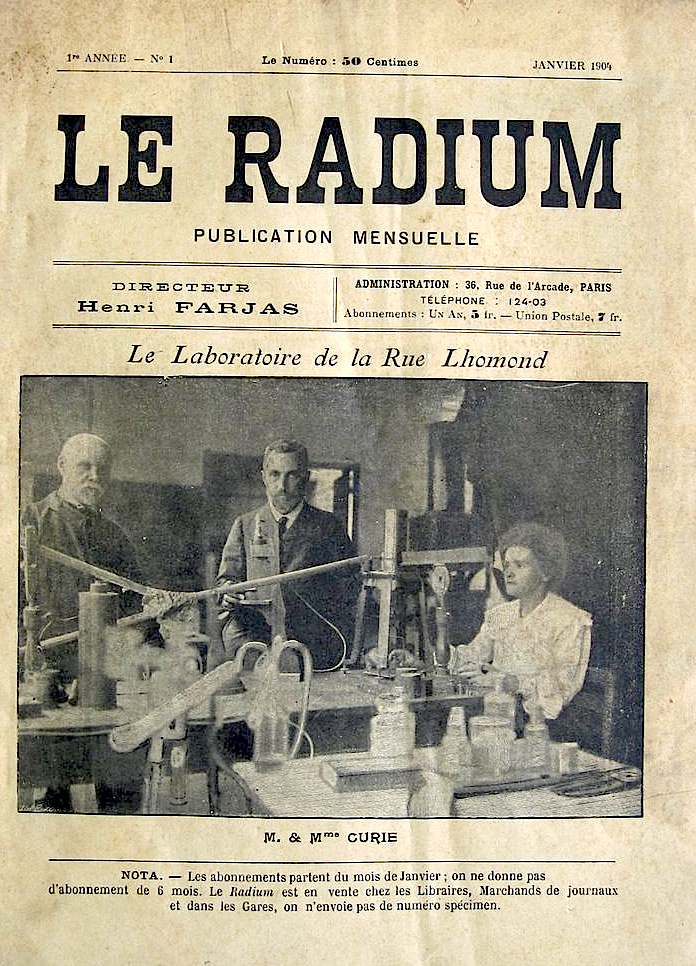 Photograph
Primary source
Photograph of Pierre and Marie Curie in their Laboratory, rue Lhomond
c. 1898-1904
 Book
Primary source
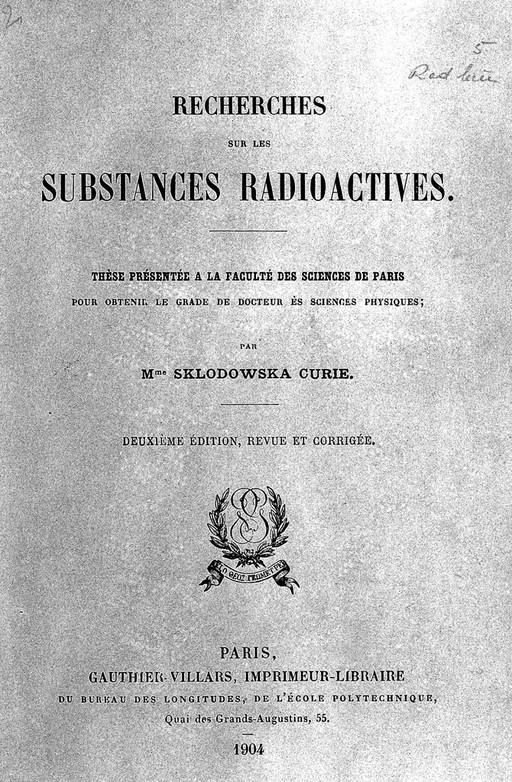
Recherches sur les substances radioactives
Marie Curie · 1904
Primary source
Rayons émis par les composés de l'uranium et du thorium
Marie Curie · 12 April 1898
 Artifact
Primary source
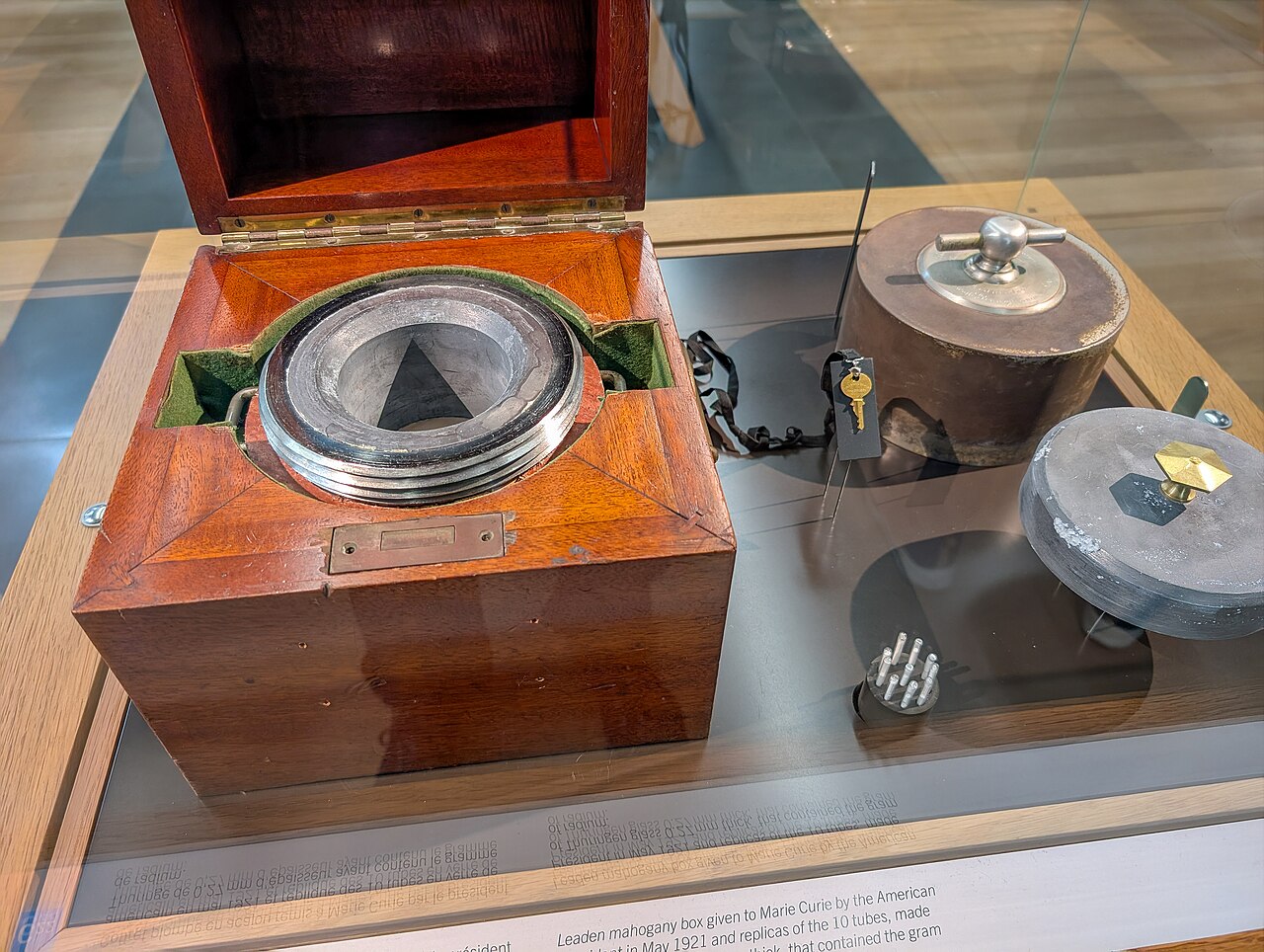
International Radium Standard
Marie Curie · 1911
 Artifact
Primary source
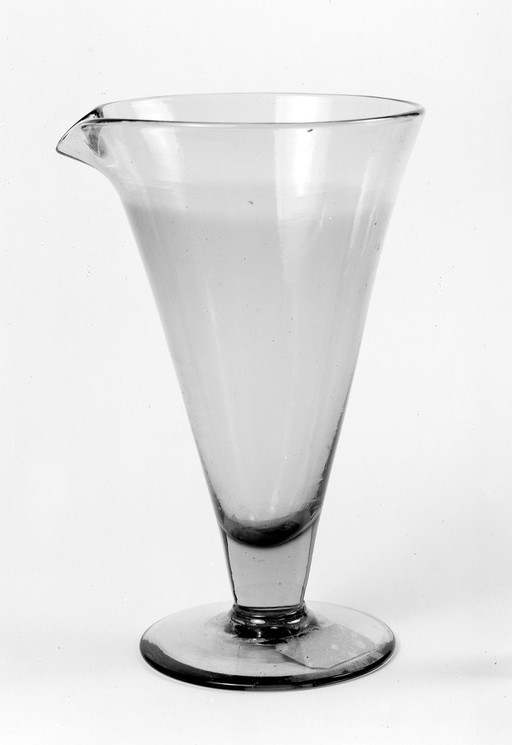
Glass beaker used for the first radium salt solution
Ready when you are
Start chatting with Marie Curie now.
20 messages free · No credit card · Available in 50+ languages.