


Primary sourceArtifactc. 1199-1216
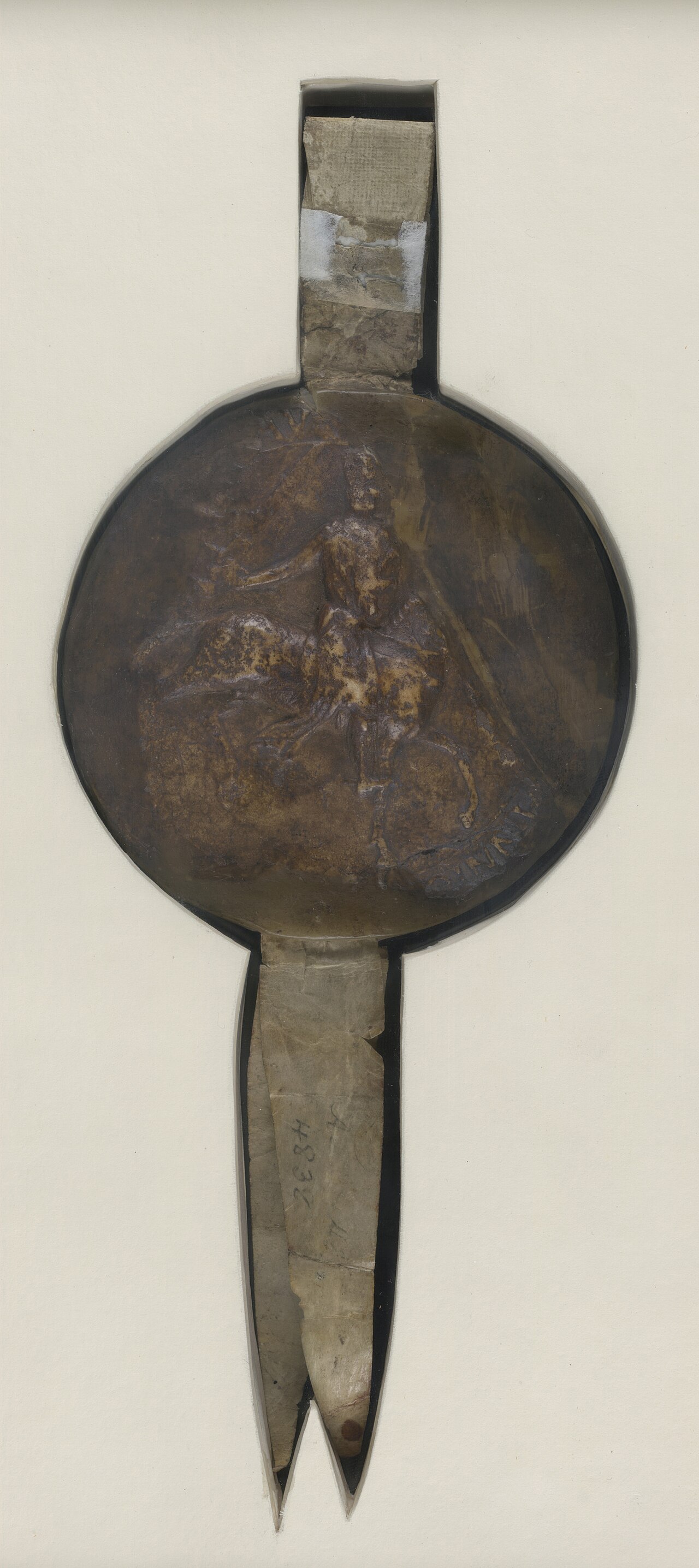
Great Seal of King John
Royal chancery · c. 1199-1216
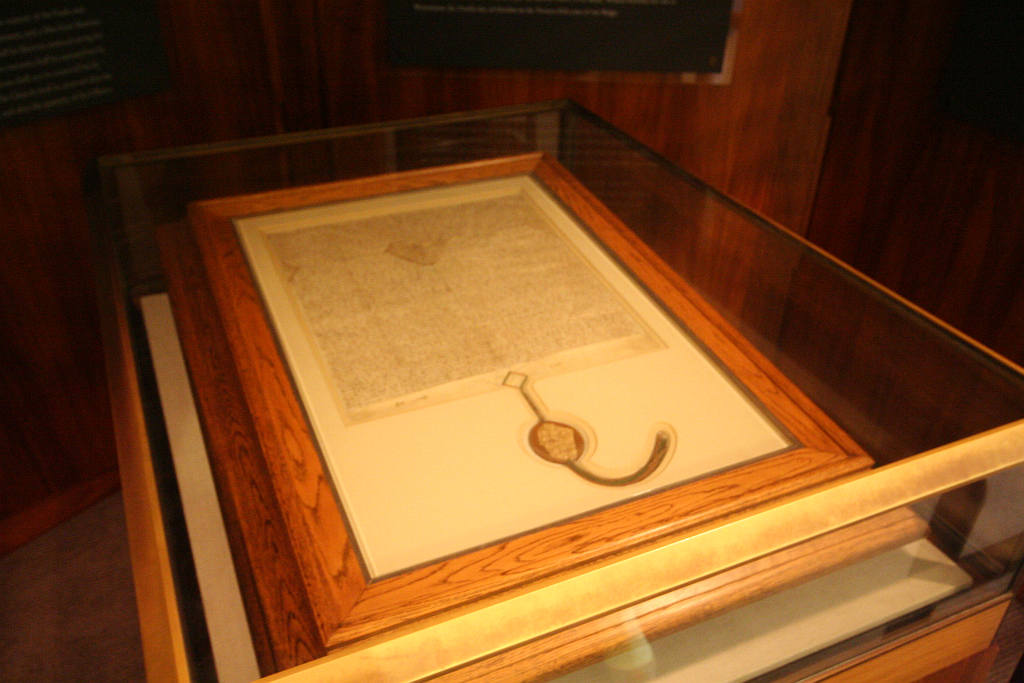
The wax seal King John used to authenticate Magna Carta, since medieval kings sealed rather than signed official documents.
Impressions of this seal show how King John authenticated the charter, since it was sealed rather than signed.
About this source
What it is
This is an impression of the Great Seal of King John, made by the royal chancery around 1199–1216. It shows the king on horseback and was originally attached to the Articles of the Barons, the document that led directly to Magna Carta in June 1215. Impressions survive at the British Library and The National Archives.
Why it matters
Because medieval monarchs did not sign documents the way we do today, the Great Seal was how King John authenticated royal acts, including the charter his barons forced him to agree to. Seeing the seal helps students understand that Magna Carta was sealed, not signed, and connects the physical object to the moment of royal authority being constrained.
Look closer
- What does the image of a mounted king with sword and shield tell you about how kings wanted to be seen?
- Why would a seal, rather than a signature, count as proof that a document was official?
- How does this object connect to the story of the barons forcing John to agree to new limits on his power?
This artifact is part of the curated material that grounds the AI version of Magna Carta on Humy.ai — when students ask about related events, the AI can quote it and cite it.
More Magna Carta sources
Meet the AI Magna Carta →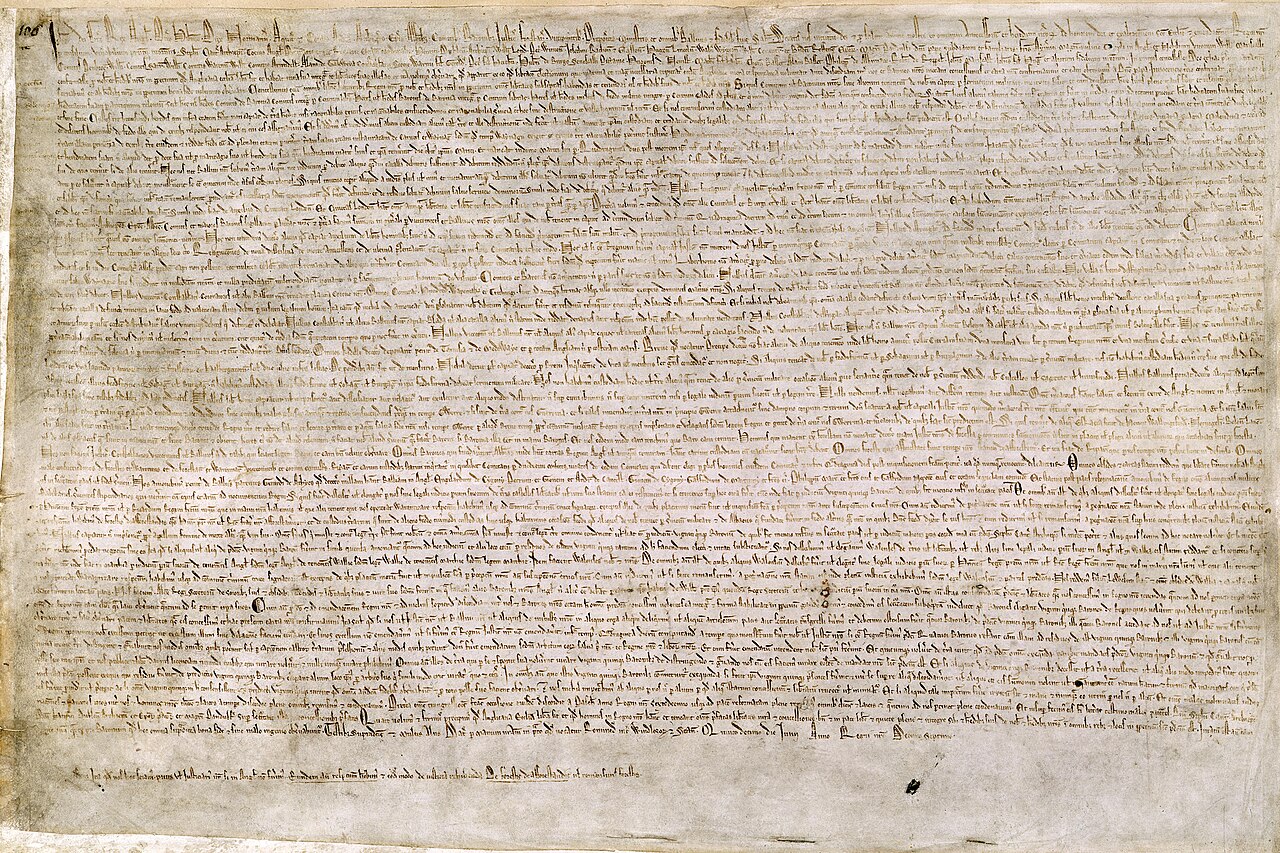 Document
Primary source
Magna Carta (1215 Exemplification)
1215
DocumentPrimary source
Articles of the Barons
1215
 Document
Primary source
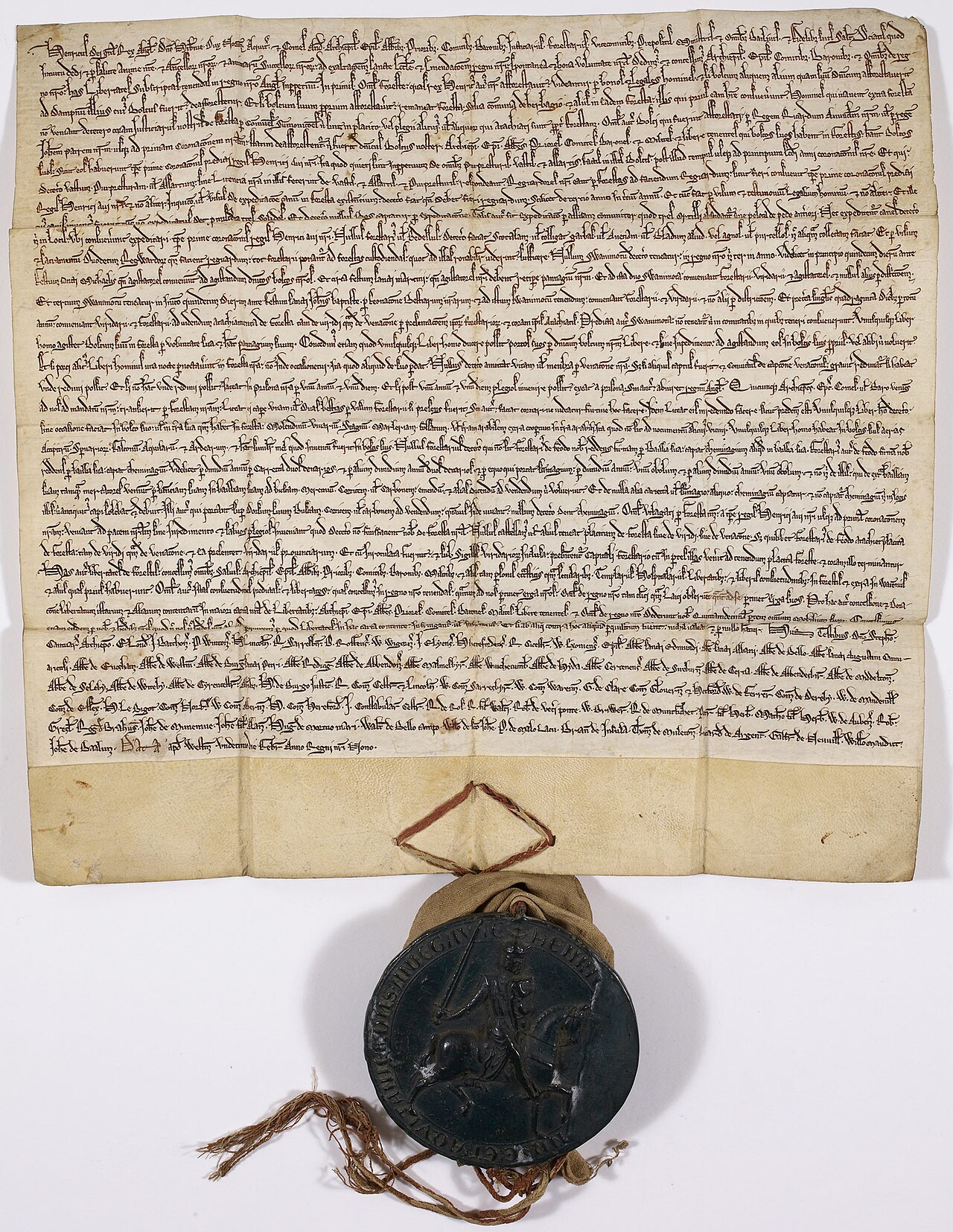
Charter of the Forest
1217
 Document
Primary source
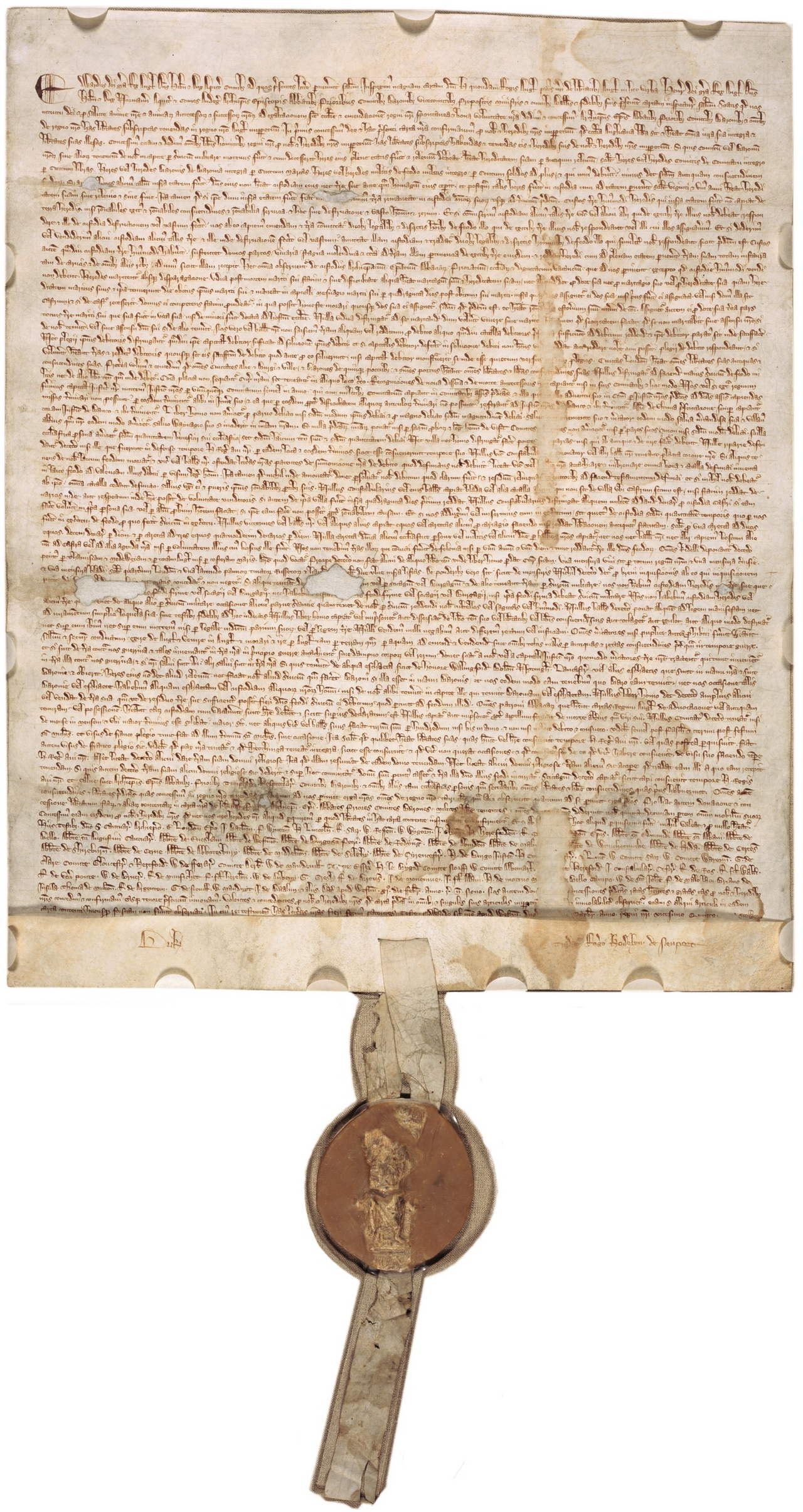
Magna Carta 1297 (National Archives, Washington)
Edward I of England · 1297
 Document
Primary source
Magna Carta 1297 (Parliament House, Canberra)
Edward I of England · 1297
Ready when you are
Start chatting with Magna Carta now.
20 messages free · No credit card · Available in 50+ languages.