


Secondary sourceSculpturec. 1st century AD
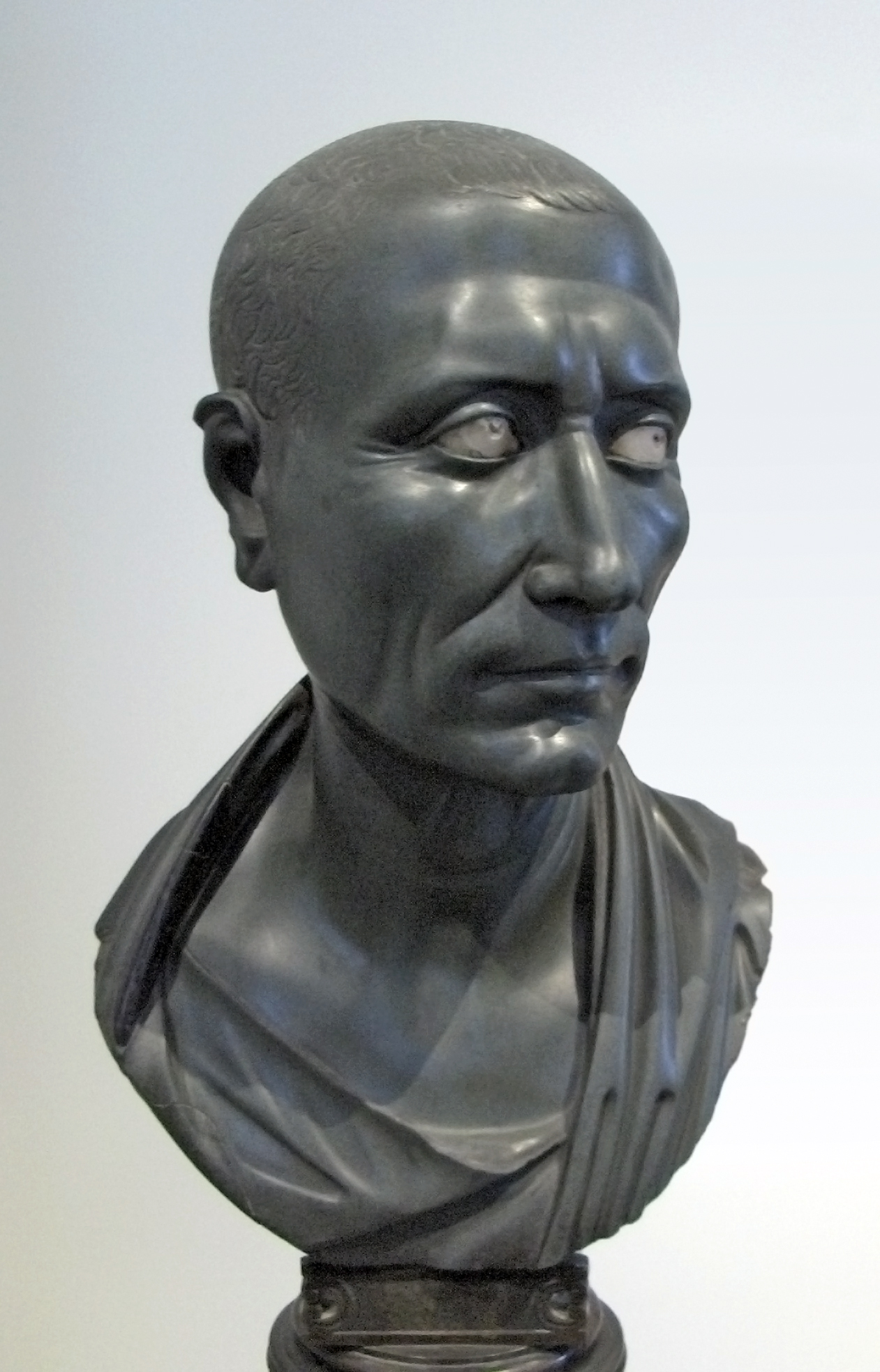
Green Caesar
c. 1st century AD
A posthumous portrait bust of Julius Caesar carved from green Egyptian stone, made after his death to idealize his image.
This bust is a later idealized portrait of Caesar made to project authority after his death.
About this source
What it is
The Green Caesar is a bust of Julius Caesar carved from dark green Egyptian greywacke, likely made in the first century AD. It is kept in the Antikensammlung Berlin.
Why it matters
No sculpted portraits of Caesar survive from his own lifetime — only his coins show his real features. This bust belongs to a later tradition of idealized portraits that gave Caesar signs of old age and a stern expression to suggest authority, dignity and strictness, qualities Romans expected of a great statesman. It shows how later generations shaped and controlled the memory of Caesar long after his death.
Look closer
- Why do you think sculptors added wrinkles and an aged face rather than copying his real appearance from coins?
- What does the choice of a hard, imported Egyptian stone suggest about where and for whom this was made?
- How might a portrait made after someone's death differ from one made from life?
This sculpture is part of the curated material that grounds the AI version of Julius Caesar on Humy.ai — when students ask about related events, the AI can quote it and cite it.
More Julius Caesar sources
Meet the AI Julius Caesar →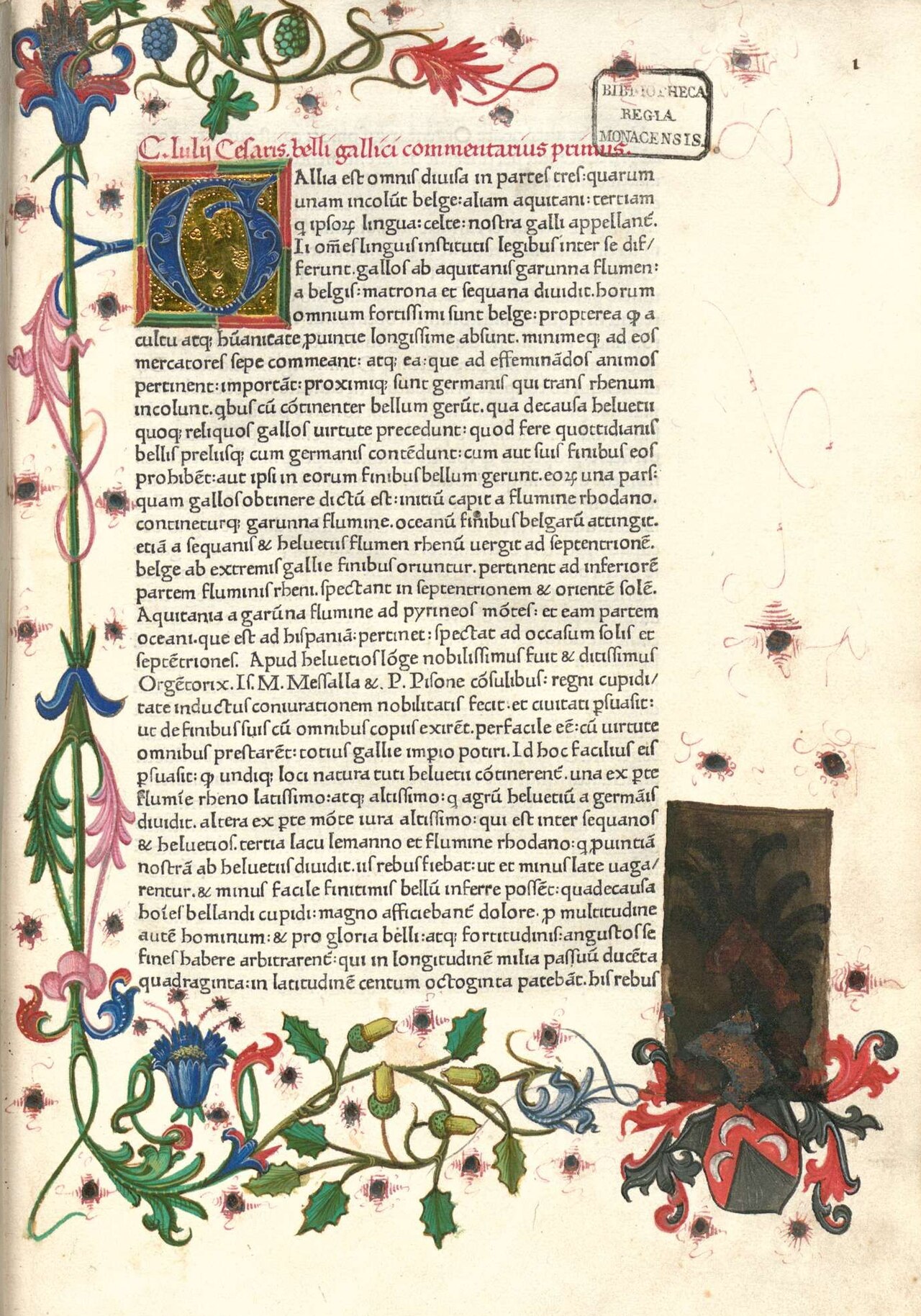 Book
Primary source
Commentarii de Bello Gallico
Julius Caesar · c. 58-50 BCE (this copy 1469)
 Painting
Secondary source
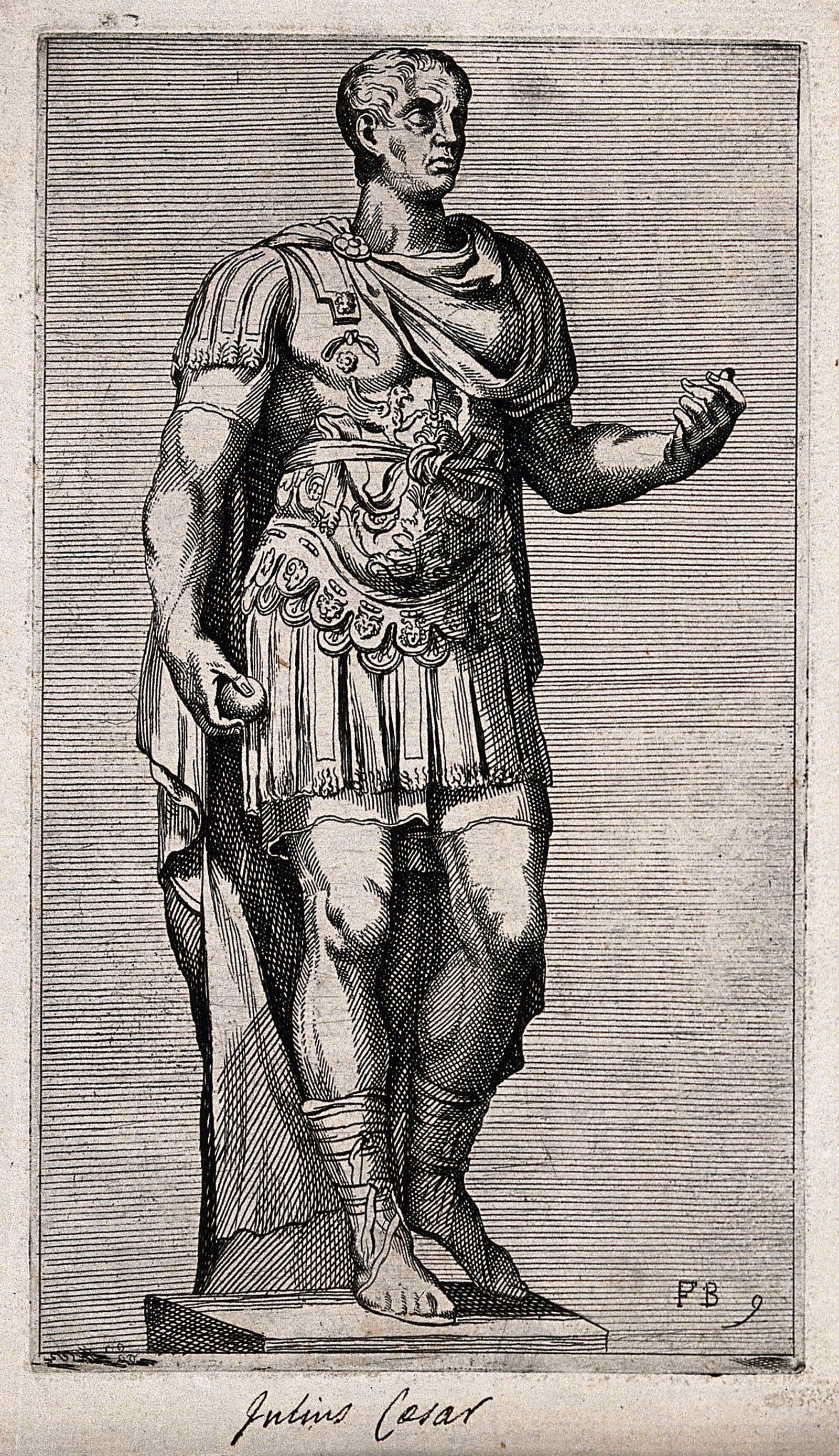
Etched Portrait of Julius Caesar
F. Perrier
 Painting
Secondary source
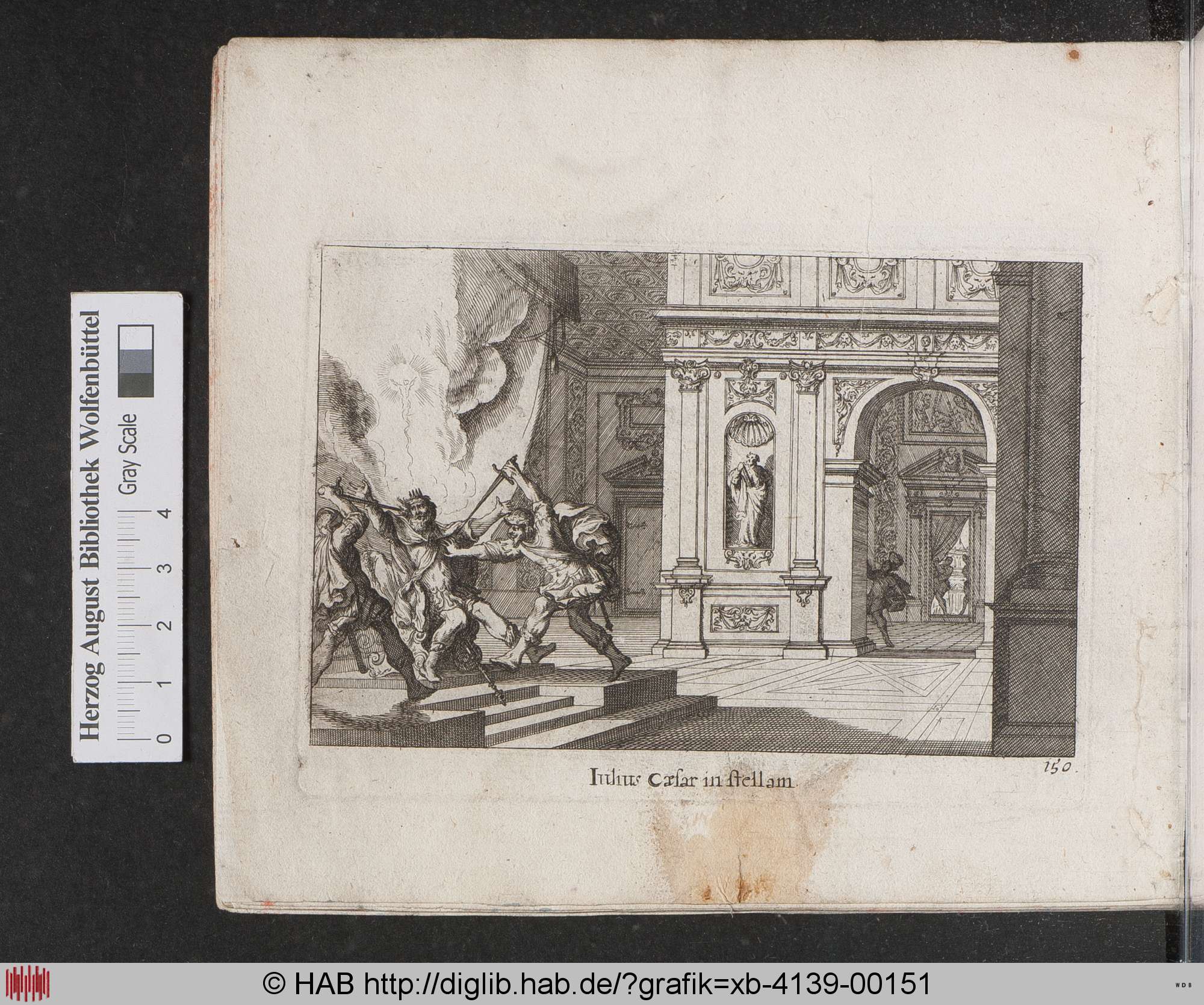
Murder of Julius Caesar in the Senate
 Book
Primary source
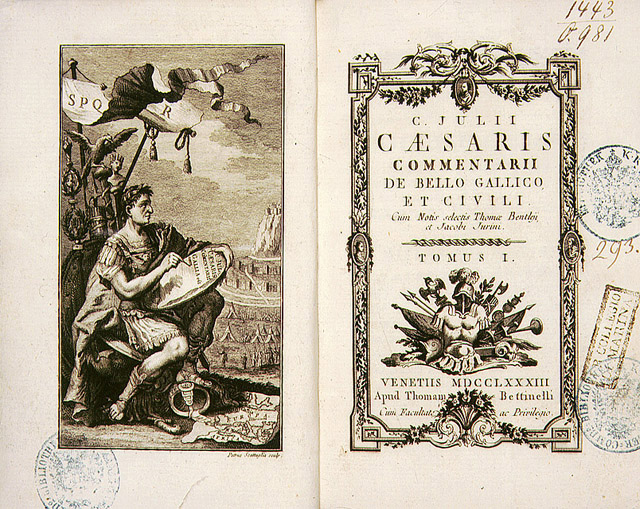
Commentarii de Bello Civili
Julius Caesar · 49-48 BCE
 Painting
Secondary source
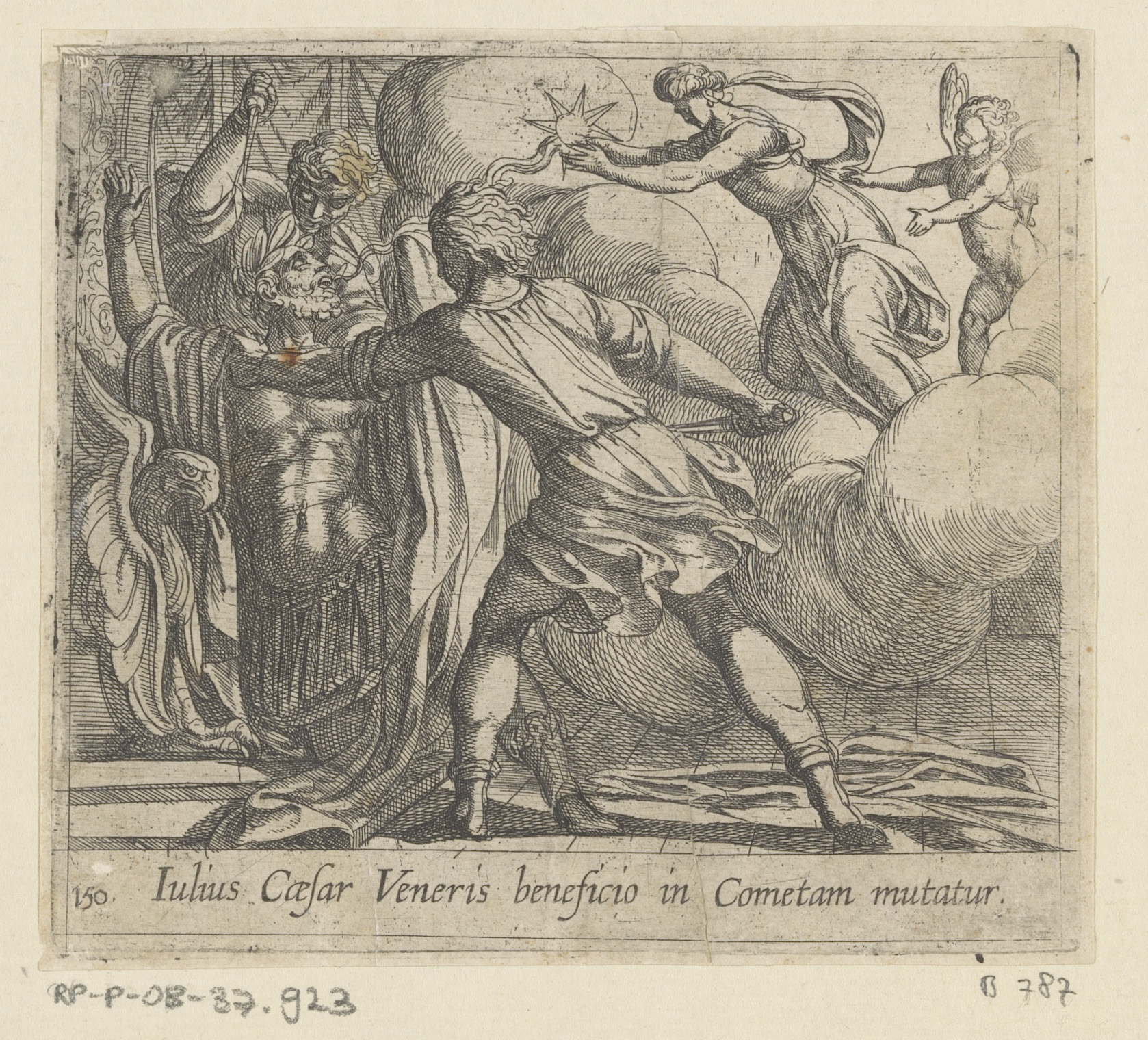
The Murder of Julius Caesar
1606
Ready when you are
Start chatting with Julius Caesar now.
20 messages free · No credit card · Available in 50+ languages.