


Primary sourceDocument1976
Gregg v. Georgia
1976
The 1976 Supreme Court decision reinstating the death penalty, in which Marshall wrote a dissent arguing capital punishment is always cruel and unusual punishment.
Marshall dissented in this ruling, setting out his lifelong view that the death penalty is always cruel and unusual punishment.
About this source
What it is
Gregg v. Georgia is a 1976 Supreme Court decision, decided alongside several related cases, that upheld the constitutionality of the death penalty under new state sentencing procedures. Justice Thurgood Marshall dissented from the majority ruling.
Why it matters
The case effectively ended a national pause on executions that had followed the Court's earlier Furman v. Georgia decision. Marshall, along with Justice Brennan, dissented, maintaining that the death penalty was inherently cruel and unusual and therefore unconstitutional. This document shows Marshall's lifelong, unwavering opposition to capital punishment, a position he held for the rest of his time on the Court even when he was outvoted.
Look closer
- Why might a justice continue to state the same dissenting view in case after case, even after losing?
- What does the existence of a dissent tell you about disagreement within the Supreme Court?
- How might the arguments for and against the death penalty in this case still apply today?
This document is part of the curated material that grounds the AI version of Thurgood Marshall on Humy.ai — when students ask about related events, the AI can quote it and cite it.
More Thurgood Marshall sources
Meet the AI Thurgood Marshall →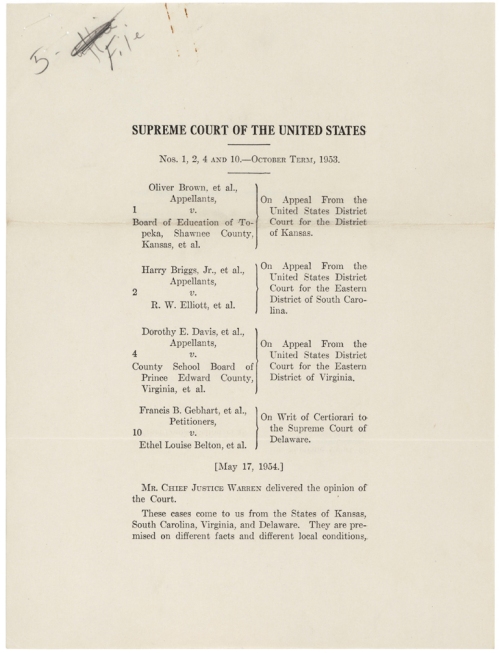 Document
Primary source
Brown v. Board of Education
Earl Warren · 17 May 1954
 Painting
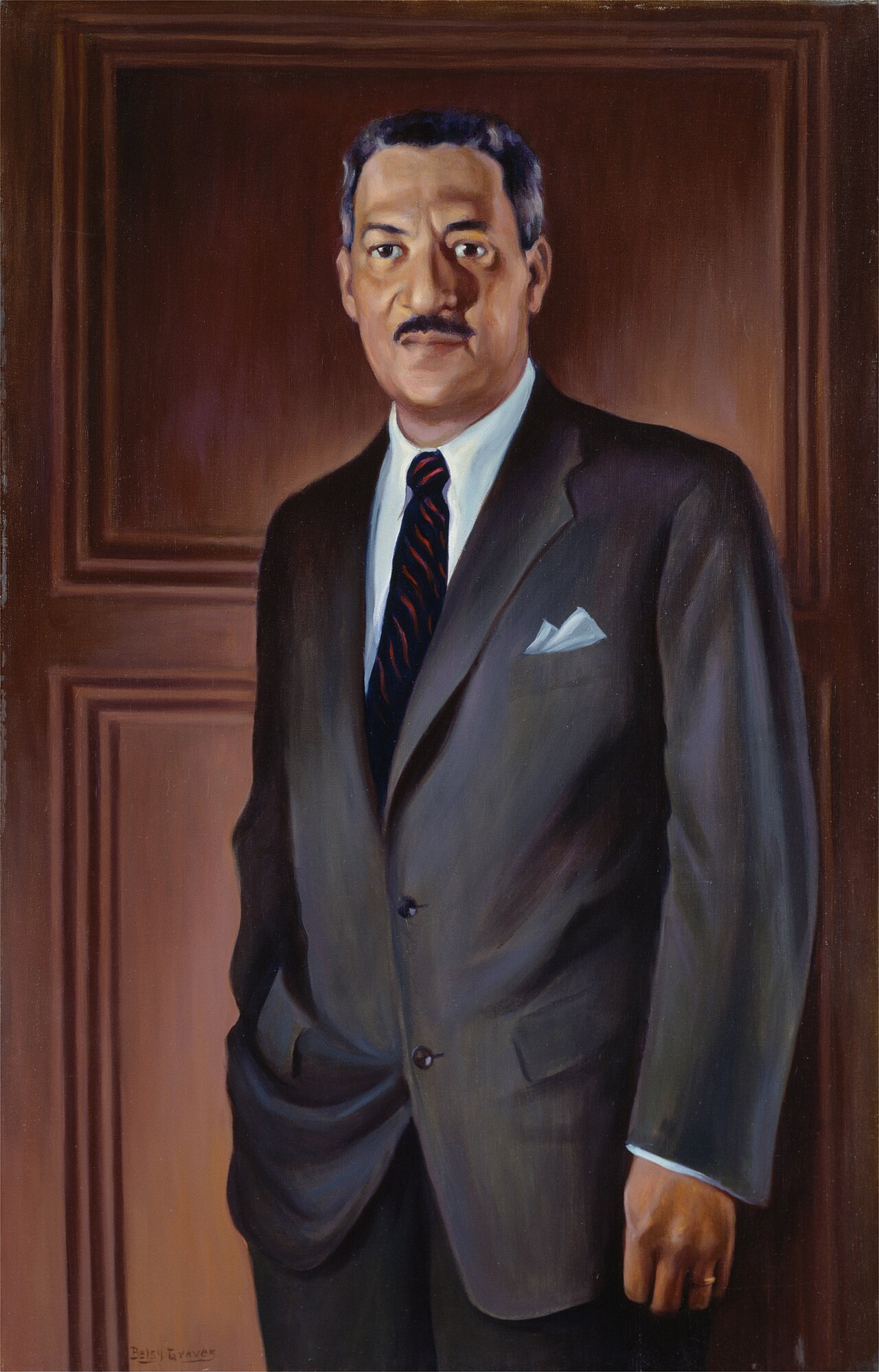
Primary source
Thurgood Marshall
Betsy Graves Reyneau · 1956
 Photograph
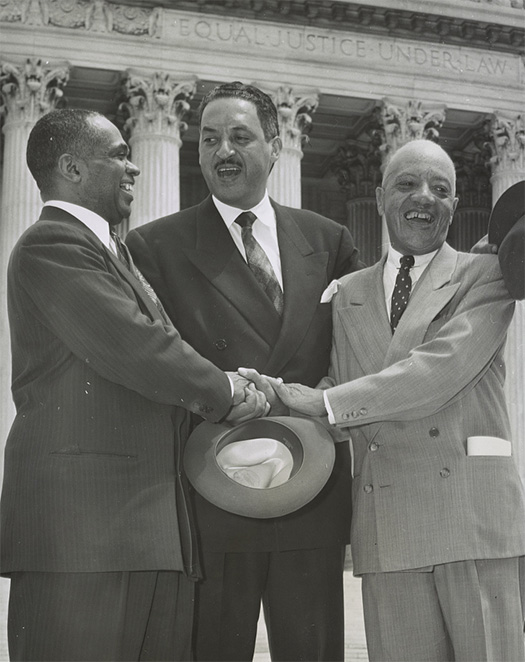
Primary source
George Edward Chalmer Hayes, Thurgood Marshall, and James Nabrit in 1954 winning Brown case
1954
 Photograph
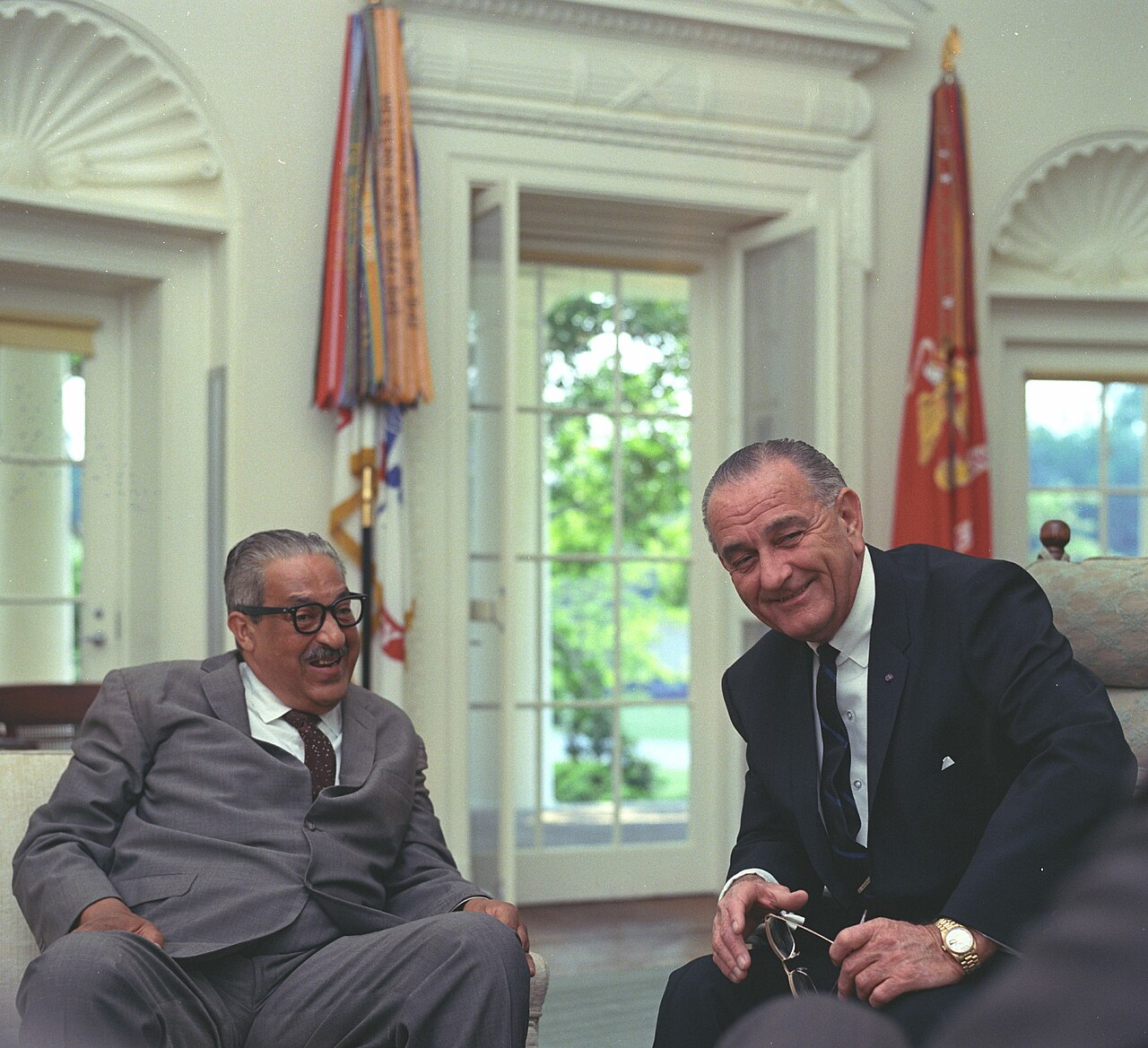
Primary source
Thurgood Marshall and President Lyndon B. Johnson, June 13, 1967
Frank Wolfe · 13 June 1967
Primary source
Cooper v. Aaron
12 September 1958
Ready when you are
Start chatting with Thurgood Marshall now.
20 messages free · No credit card · Available in 50+ languages.