


Primary sourceDocument1679
Habeas Corpus Act 1679
1679
An English statute strengthening the right not to be imprisoned unlawfully, built on the principle found in Magna Carta's clause 39.
This later statute shows how lawyers used Magna Carta's clause 39 to justify stronger protections against unlawful imprisonment.
About this source
What it is
The Habeas Corpus Act 1679 was passed by the Parliament of England during the reign of Charles II. It strengthened the ancient writ of habeas corpus, requiring courts to examine whether a prisoner's detention was lawful, and punished jailers who tried to evade this. It was pushed through Parliament with support from the Earl of Shaftesbury, and remains, in amended form, part of English law.
Why it matters
Seventeenth-century lawyers read the Habeas Corpus Act as giving real legal teeth to clause 39 of Magna Carta, which said no free man should be imprisoned except by lawful judgment. The act shows how a medieval charter could be reinterpreted centuries later to answer new political struggles, such as fears that Charles II's brother James might rule arbitrarily.
Look closer
- Why might lawyers want to connect a new law to an old document like Magna Carta?
- What problem with imprisonment was this act trying to solve?
- Who benefited from this law, and who might have been left out?
This document is part of the curated material that grounds the AI version of Magna Carta on Humy.ai — when students ask about related events, the AI can quote it and cite it.
More Magna Carta sources
Meet the AI Magna Carta →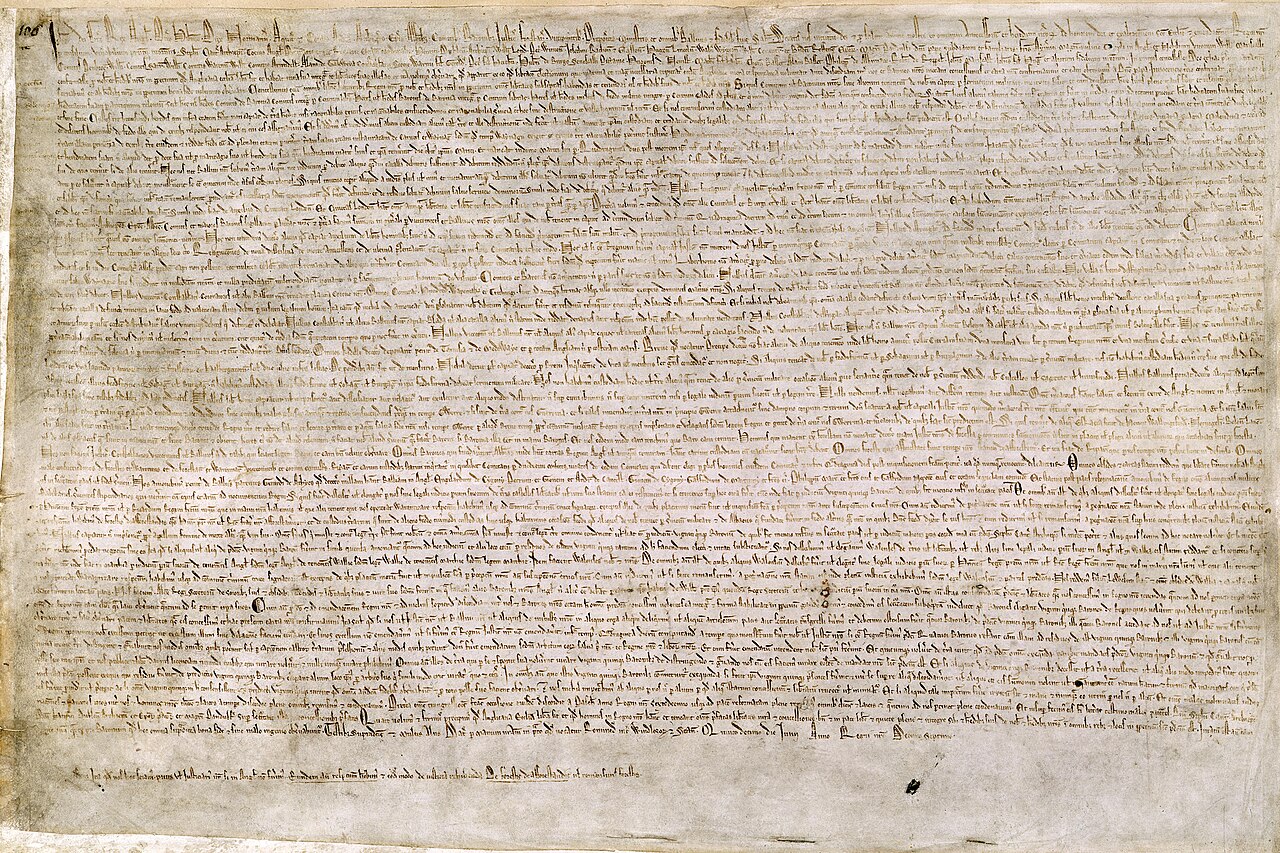 Document
Primary source
Magna Carta (1215 Exemplification)
1215
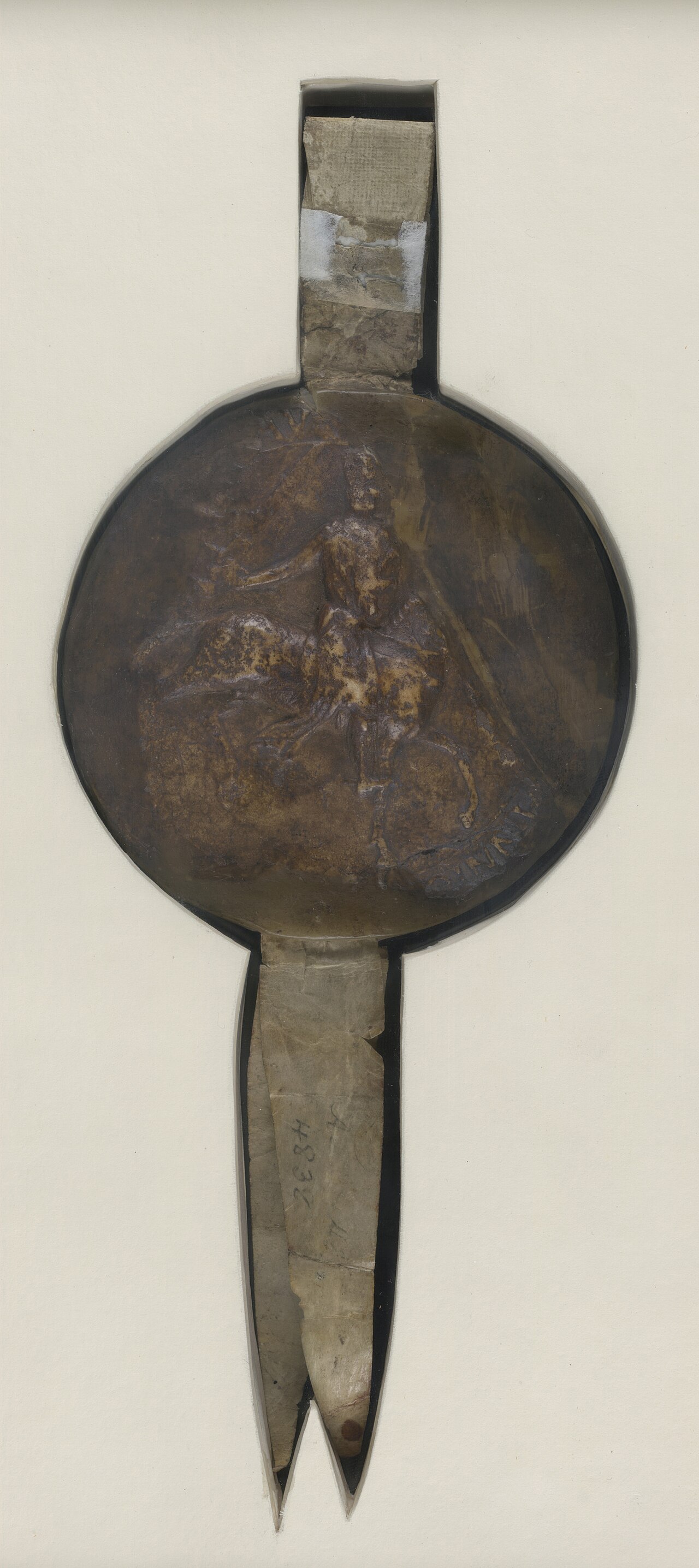 Document
Primary source
Articles of the Barons
1215
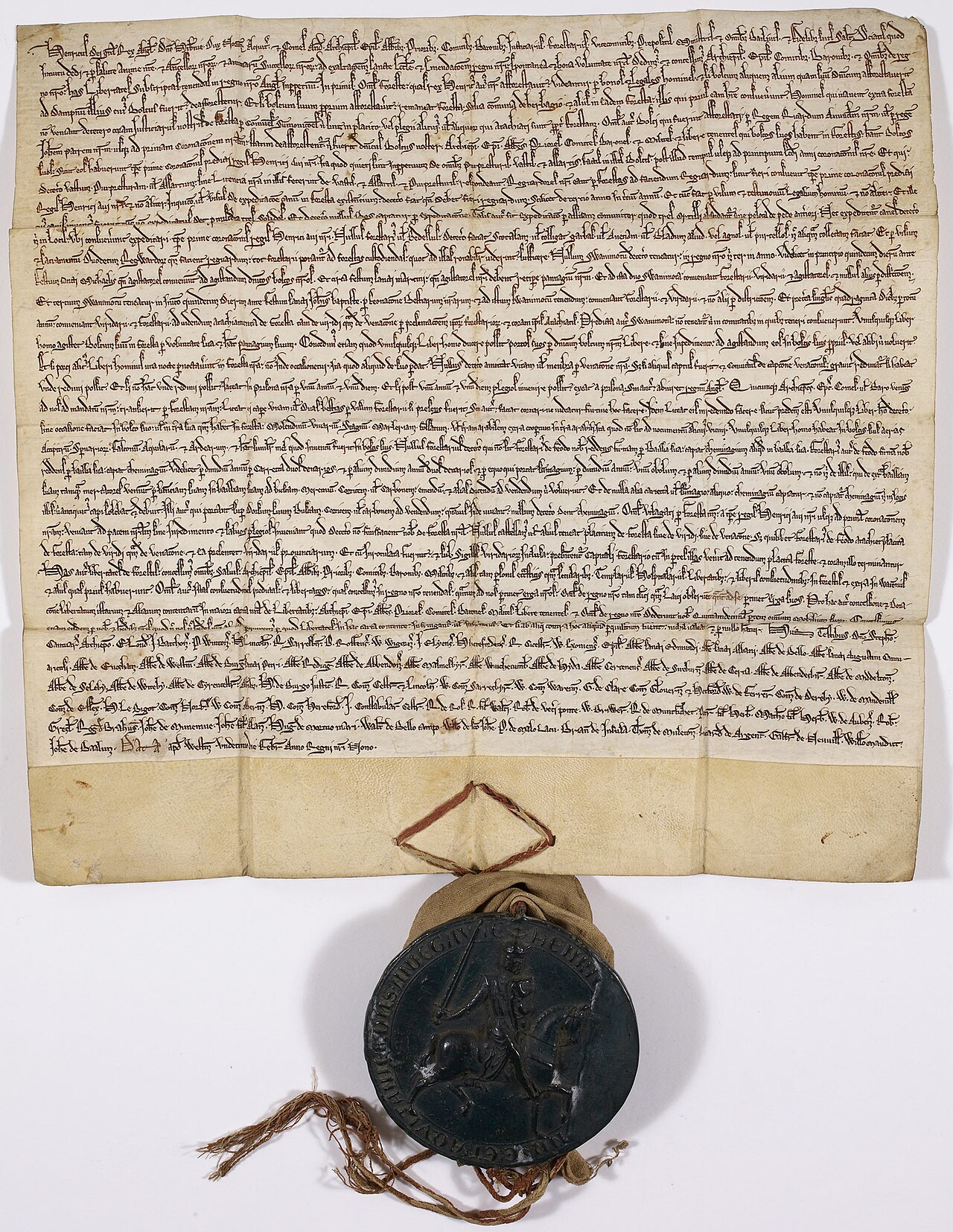 Document
Primary source
Charter of the Forest
1217
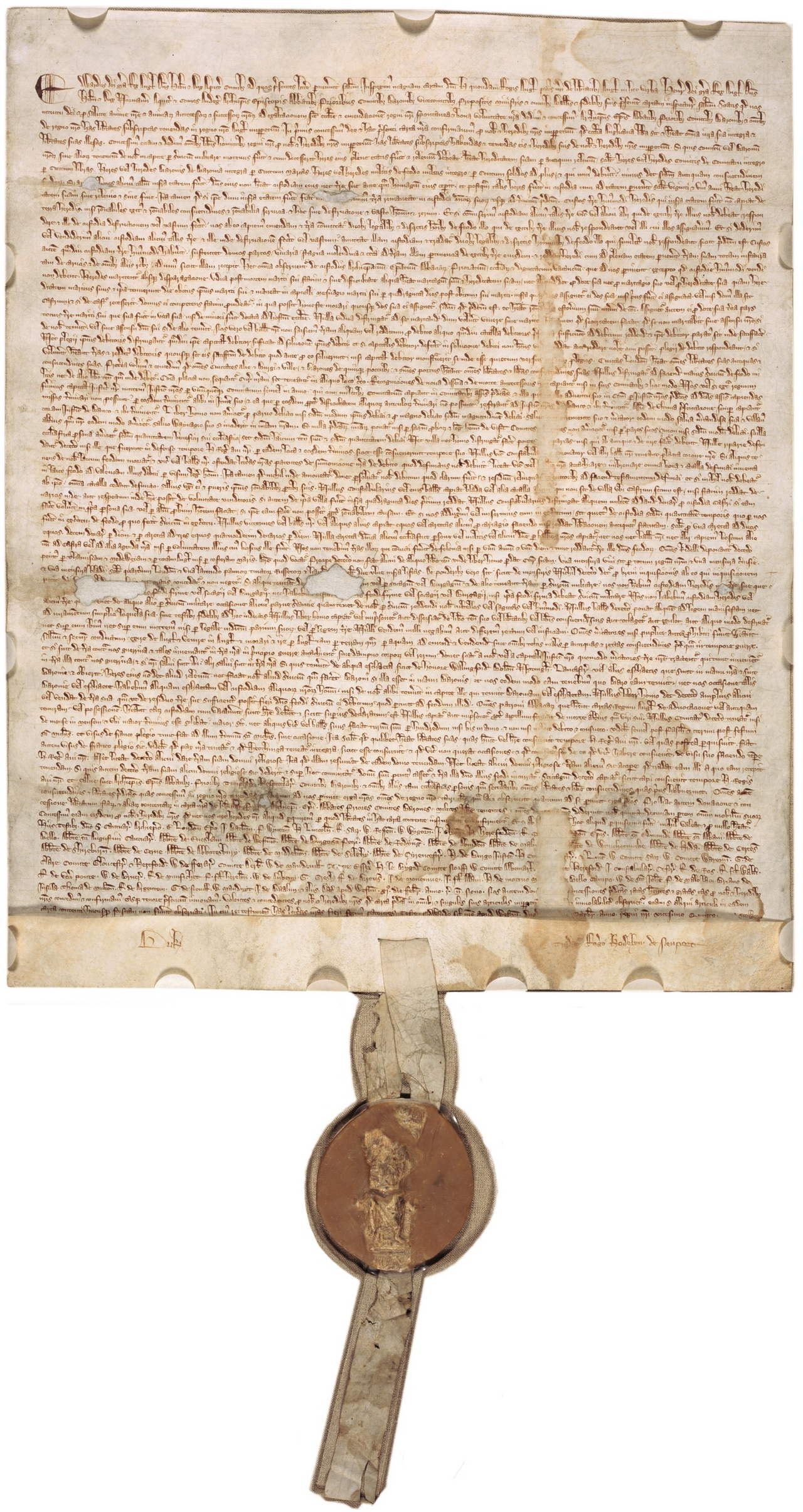 Document
Primary source
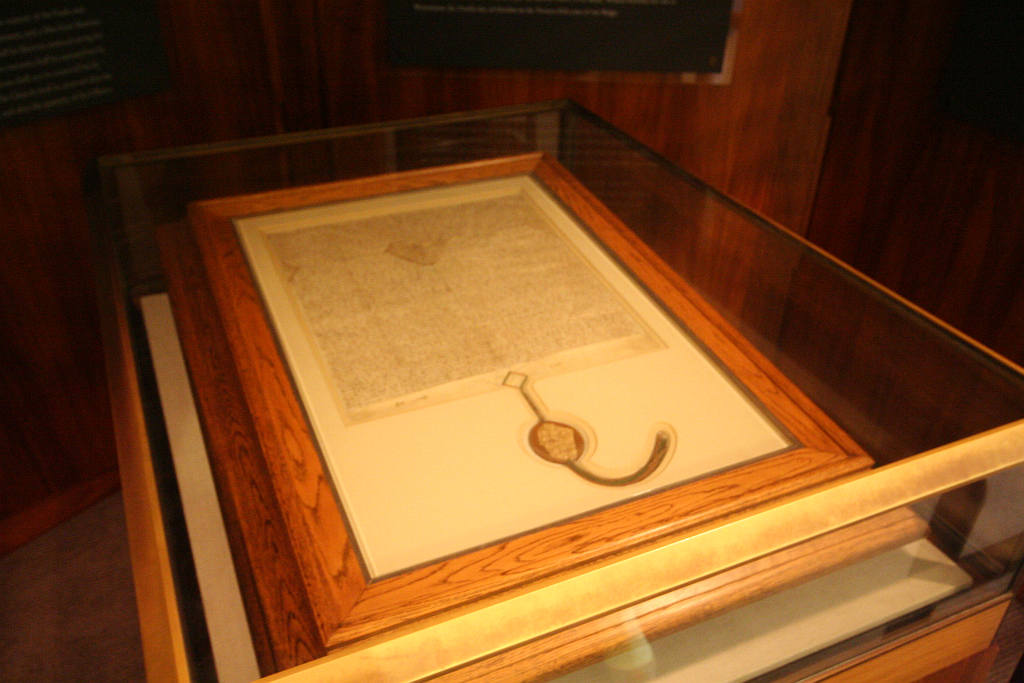
Magna Carta 1297 (National Archives, Washington)
Edward I of England · 1297
 Document
Primary source
Magna Carta 1297 (Parliament House, Canberra)
Edward I of England · 1297
Ready when you are
Start chatting with Magna Carta now.
20 messages free · No credit card · Available in 50+ languages.