


Primary sourceArtifact6th century (refortification)
Halabiye (Zenobia)
6th century (refortification)
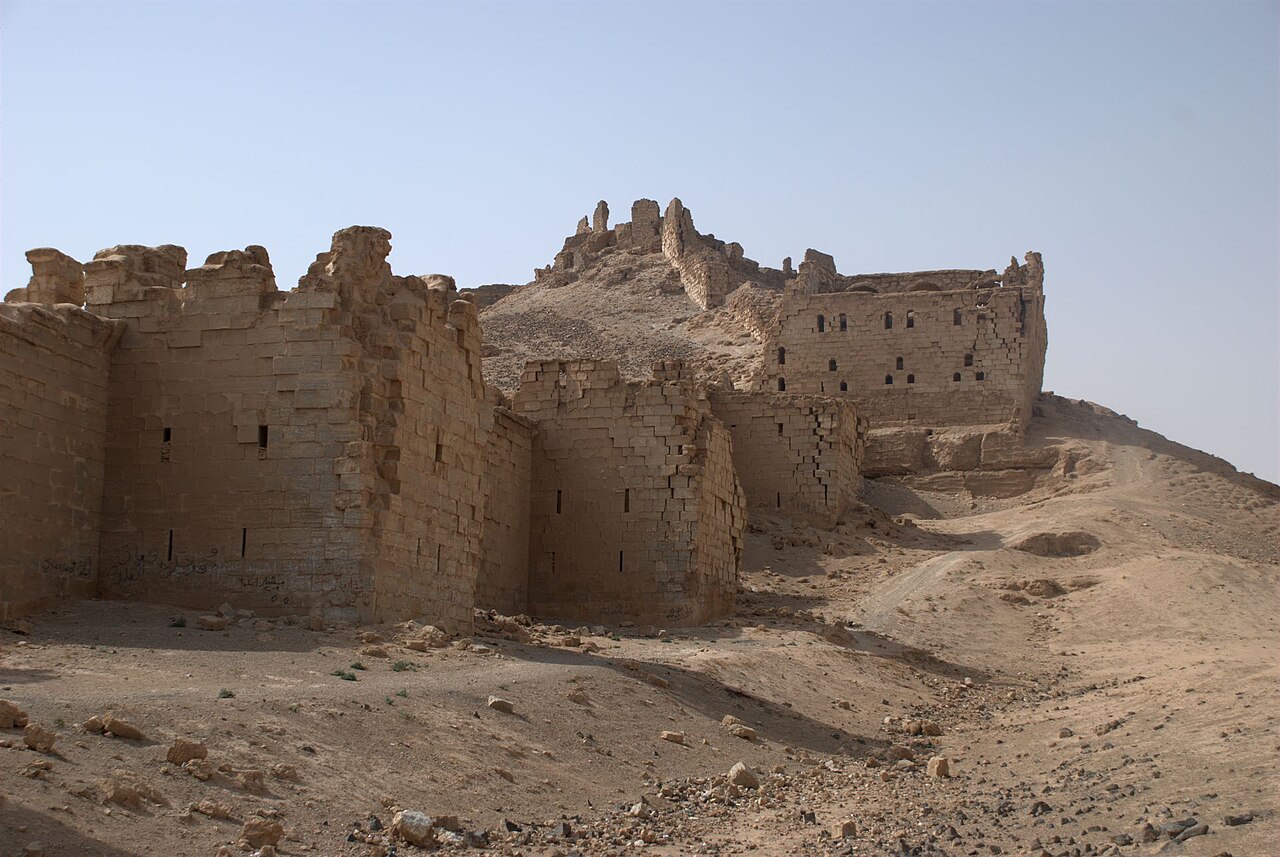
The ruined fortress city of Halabiye on the Euphrates, refortified by Justinian I as part of his eastern frontier defenses.
Justinian ordered the refortification of this Euphrates fortress as part of his defense against Persia.
About this source
What it is
Halabiye, known in antiquity as Zenobia, is an archaeological site on the Euphrates River in Syria. Originally fortified by Queen Zenobia of Palmyra in the 3rd century, it was refortified by Emperor Justinian I in the 6th century under architects Isidore the Younger and John of Byzantium, after a failed Persian attack in 540.
Why it matters
The historian Procopius described the fortress in his work on Justinian's building projects, and archaeologists found his description highly accurate, suggesting he had seen the site himself. The surviving walls, churches, and public buildings show how Justinian strengthened the empire's eastern frontier against Persia.
Look closer
- Why would an emperor spend resources rebuilding a frontier fortress far from his capital?
- What does the accuracy of Procopius's description tell us about how ancient historians gathered information?
- What do the remains of churches and baths, alongside military walls, tell us about life inside the fortress?
This artifact is part of the curated material that grounds the AI version of Justinian I on Humy.ai — when students ask about related events, the AI can quote it and cite it.
More Justinian I sources
Meet the AI Justinian I →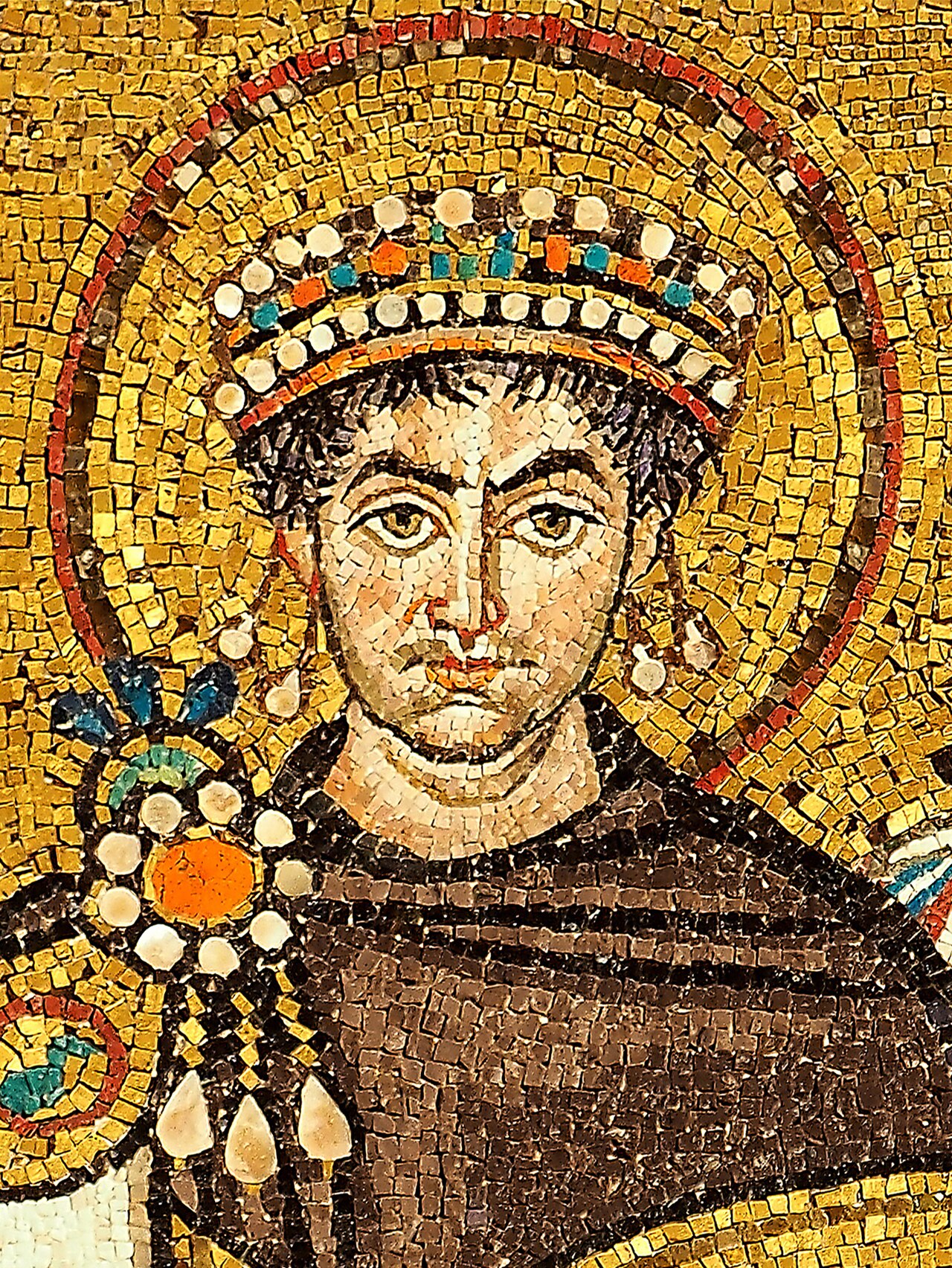 Artifact
Primary source
Portrait of Justinian I, San Vitale Mosaic
Byzantine mosaicists · c. 547
 Painting
Secondary source
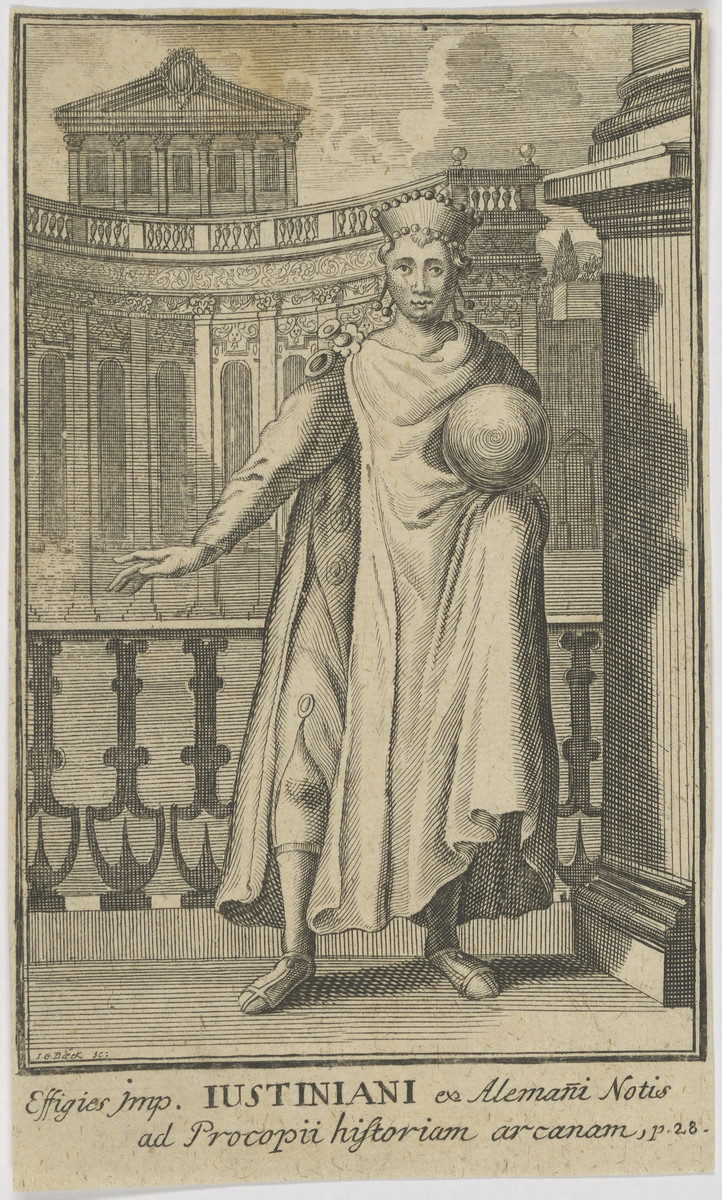
Portrait of Emperor Justinian
Johann Friedrich Böck
 Document
Primary source
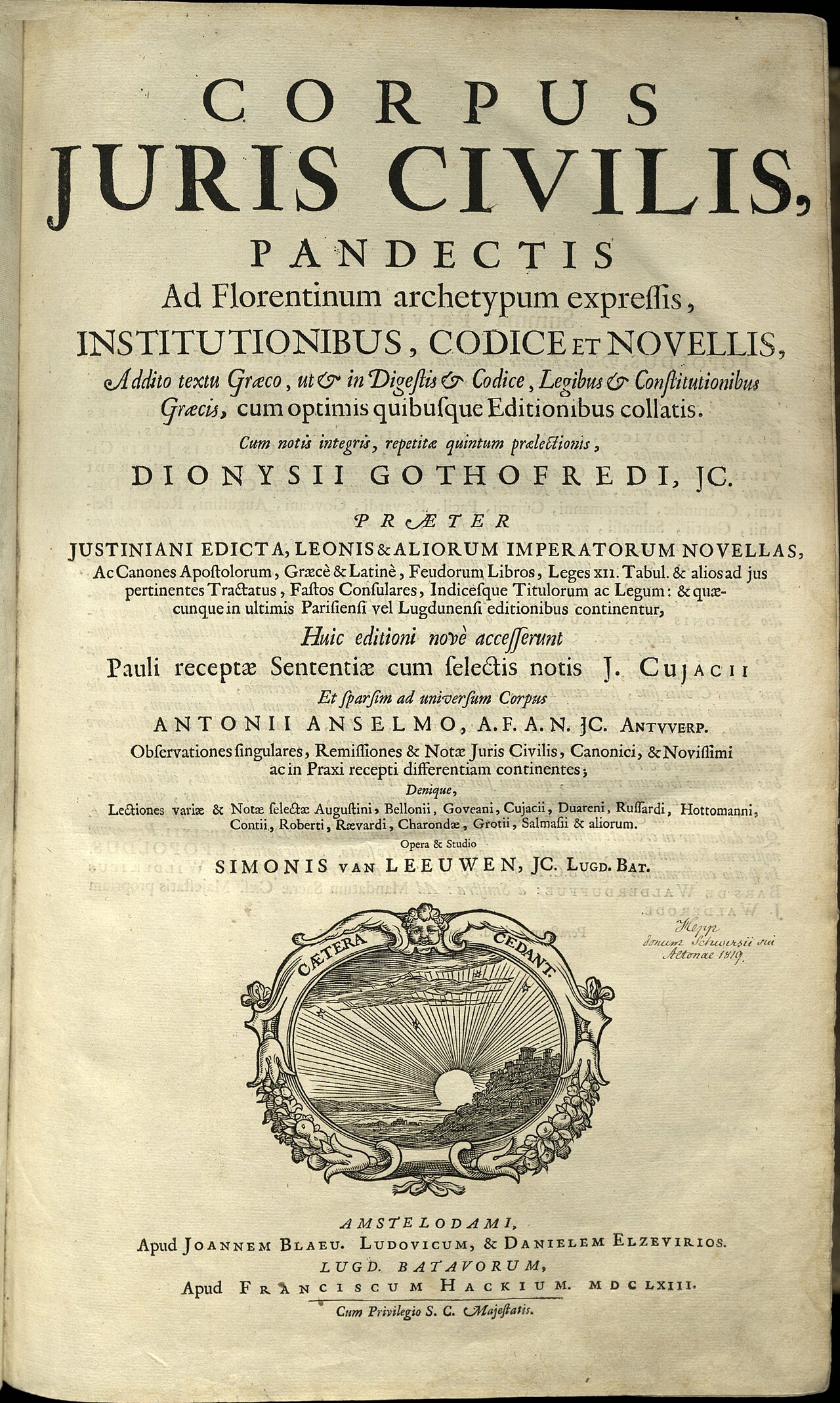
Corpus Juris Civilis
Tribonian · 528-534
 Artifact
Primary source
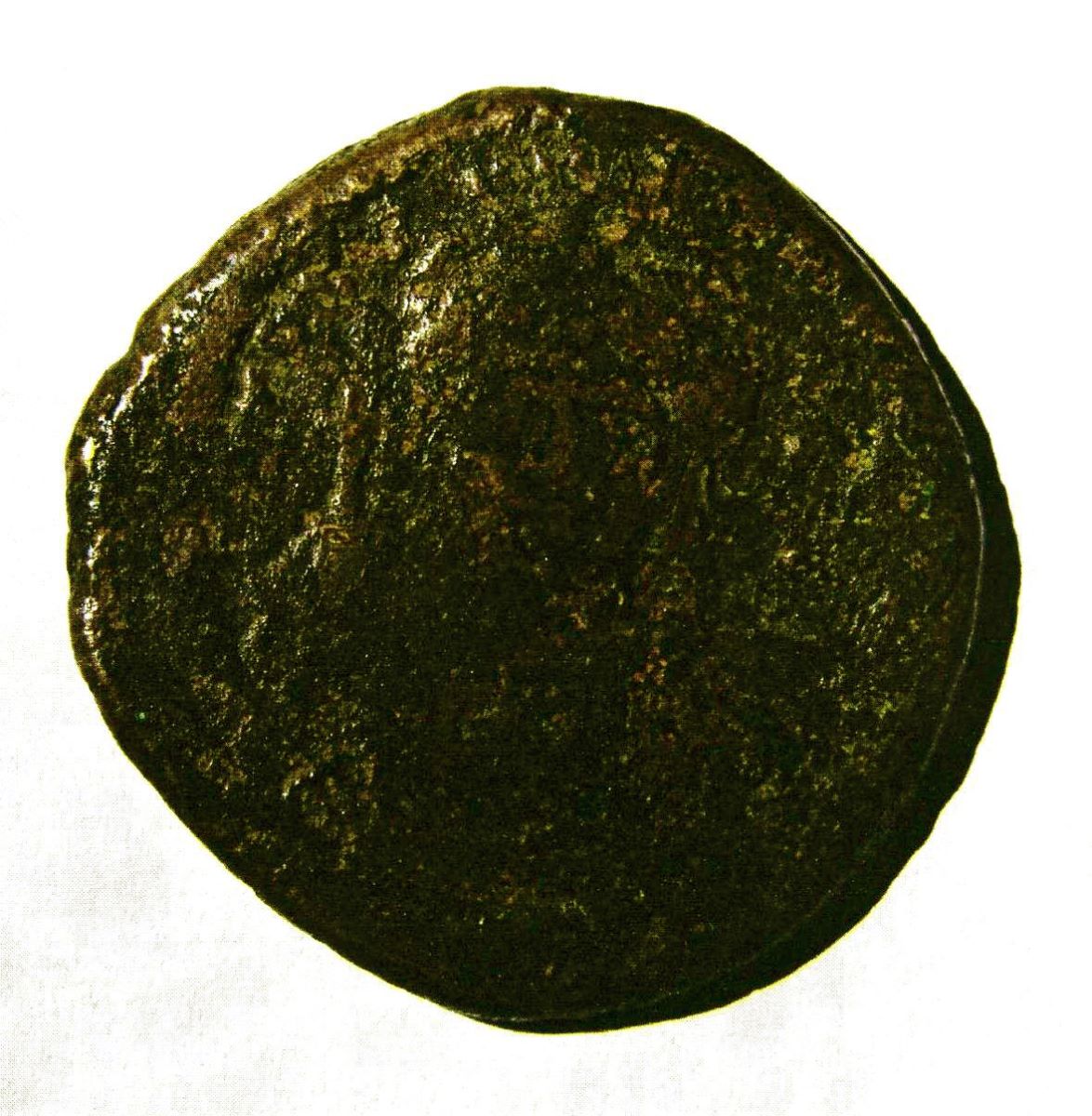
Bronze Follis of Justinian I with Globus Cruciger
 Artifact
Secondary source
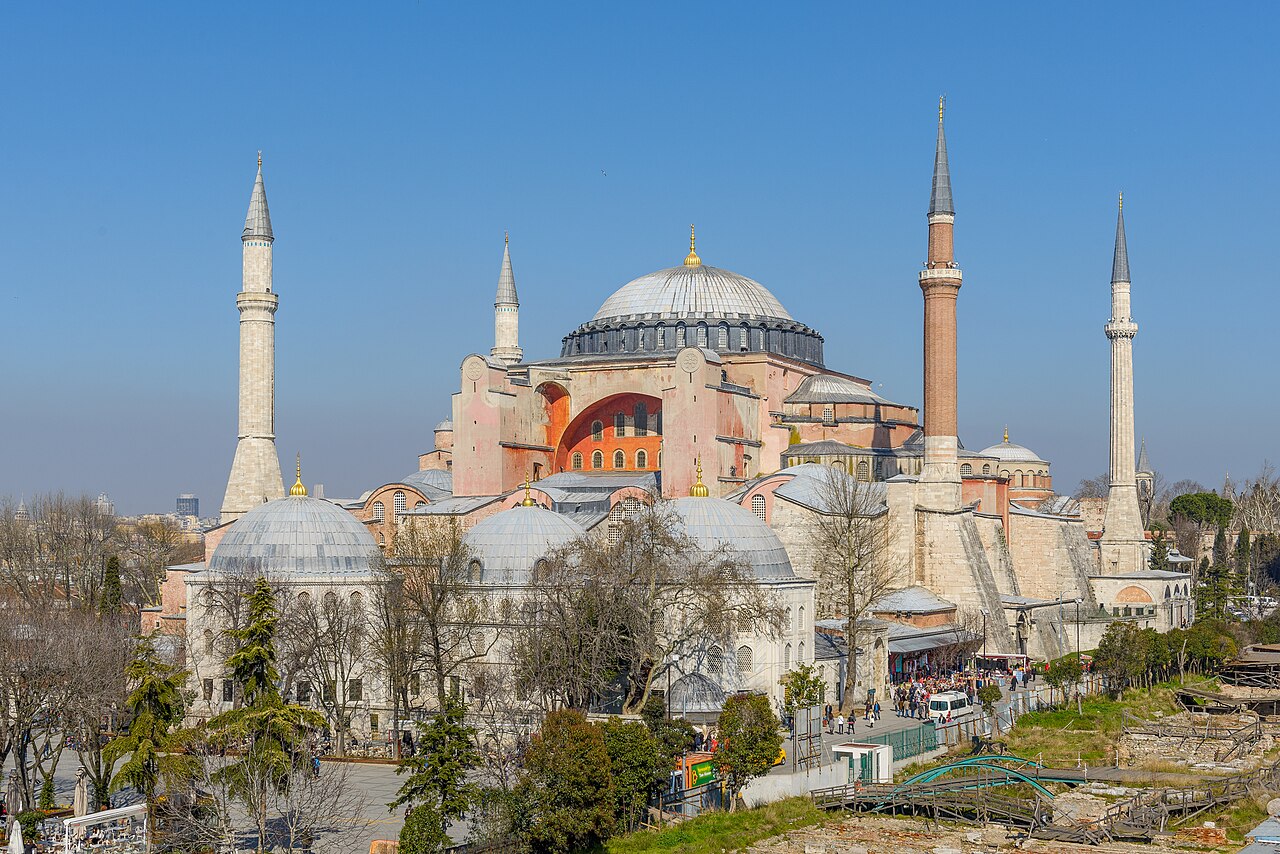
Hagia Sophia
Isidore of Miletus and Anthemius of Tralles · 532-537 CE
Ready when you are
Start chatting with Justinian I now.
20 messages free · No credit card · Available in 50+ languages.