


Secondary sourceNews clip1971
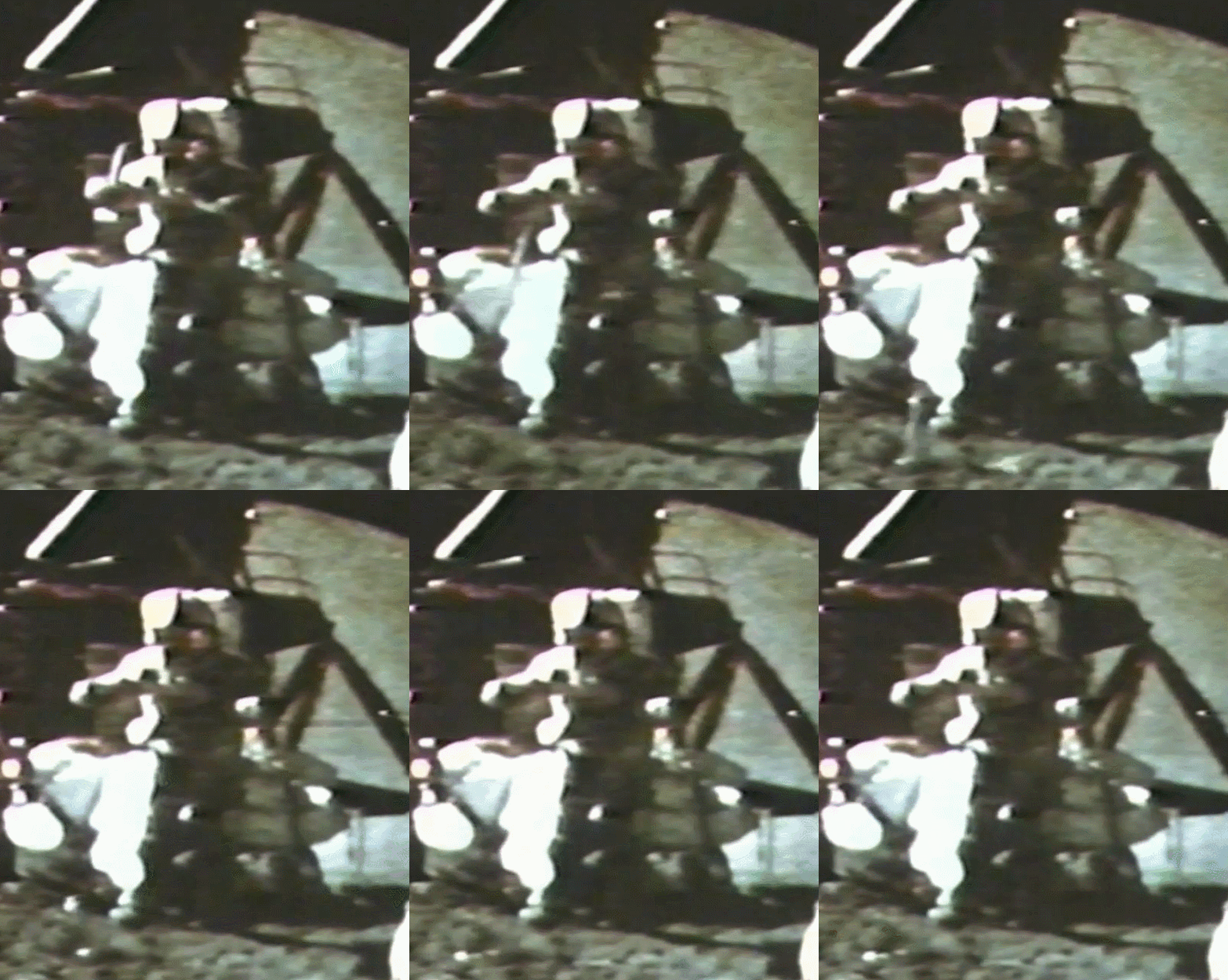
Hammer and Feather Experiment, Apollo 15
NASA · 1971
A 1971 Moon demonstration by astronaut David Scott showing that objects fall at the same rate in a vacuum, confirming Galileo's law of falling bodies.
This later experiment on the Moon visually confirms the law of falling bodies that Galileo established through his own work.
About this source
What it is
This is a recording of the famous hammer-and-feather experiment performed on the Moon in 1971 by NASA astronaut David Scott during the Apollo 15 mission.
Why it matters
Scott dropped a hammer and a feather at the same time to show that, without air resistance, both fall at the same speed. This directly demonstrates the law of falling bodies that Galileo Galilei worked out centuries earlier through his own experiments and reasoning, long before spaceflight existed.
Look closer
- Why does the lack of atmosphere on the Moon make this experiment work the way it does?
- How is this demonstration similar to, and different from, how Galileo tested his ideas on Earth?
- Why do you think NASA chose this particular experiment to perform on the Moon?
This news clip is part of the curated material that grounds the AI version of Galileo Galilei on Humy.ai — when students ask about related events, the AI can quote it and cite it.
More Galileo Galilei sources
Meet the AI Galileo Galilei →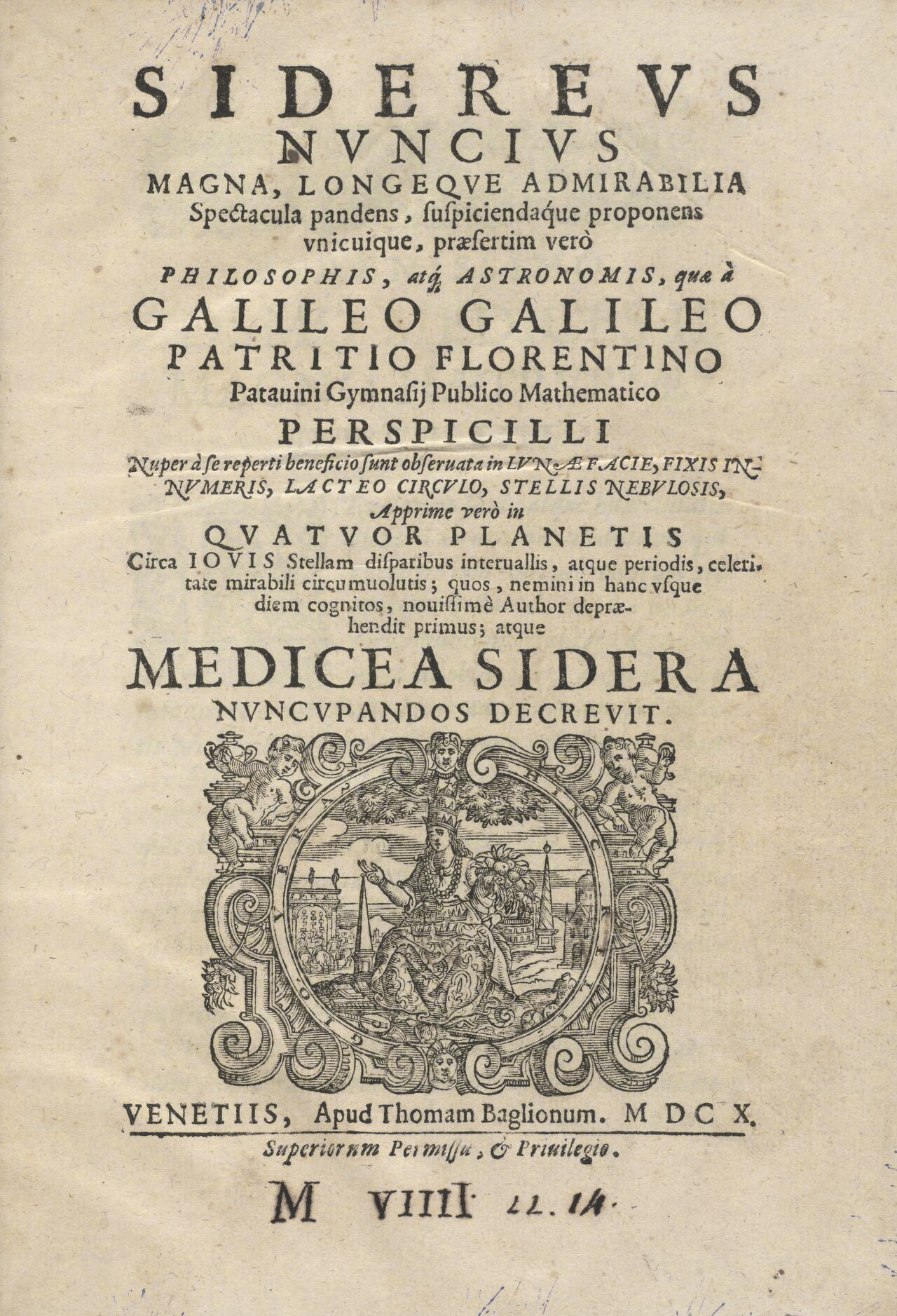 Book
Primary source
Sidereus Nuncius
Galileo Galilei · 1610
 Painting
Primary source
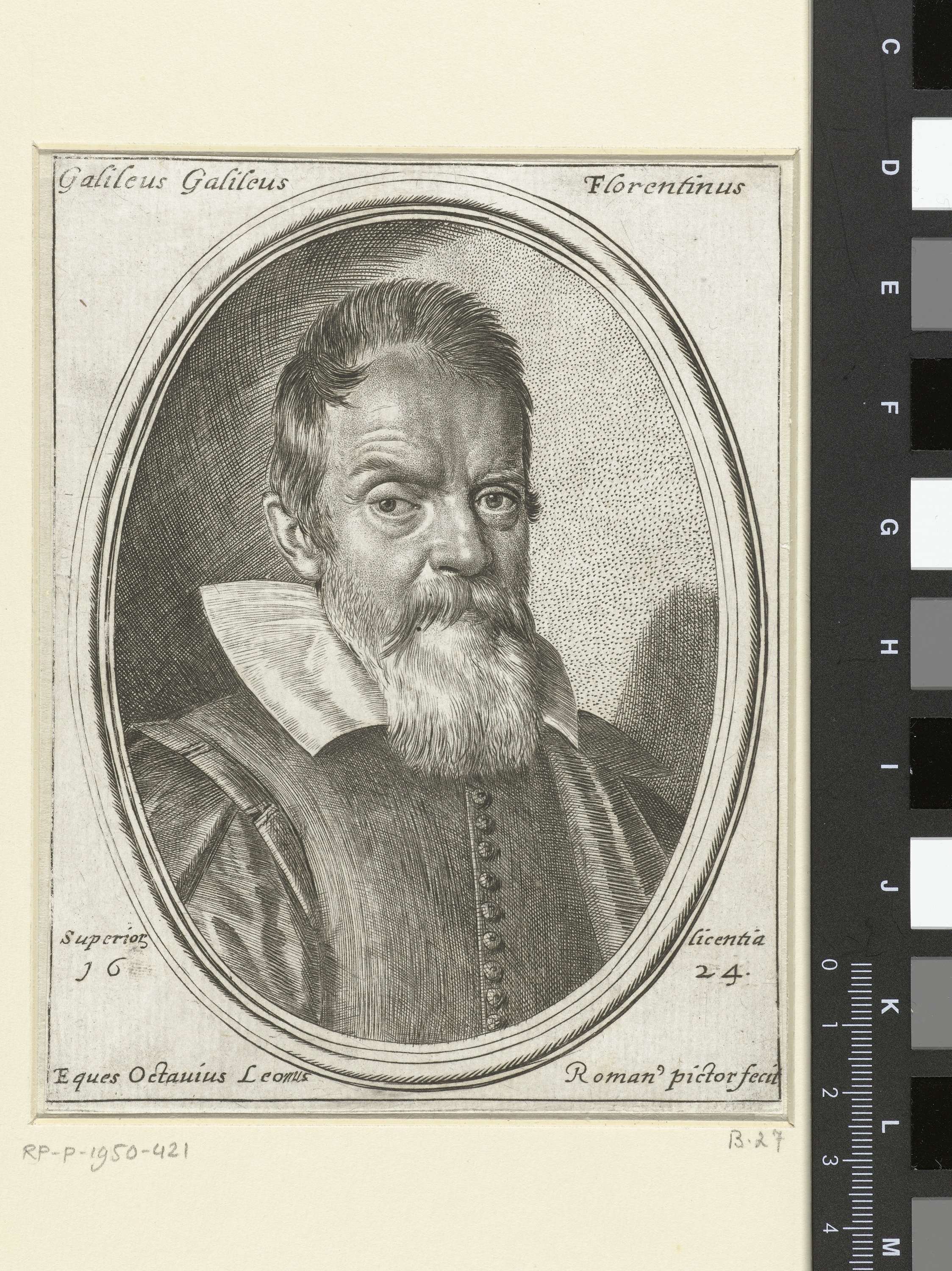
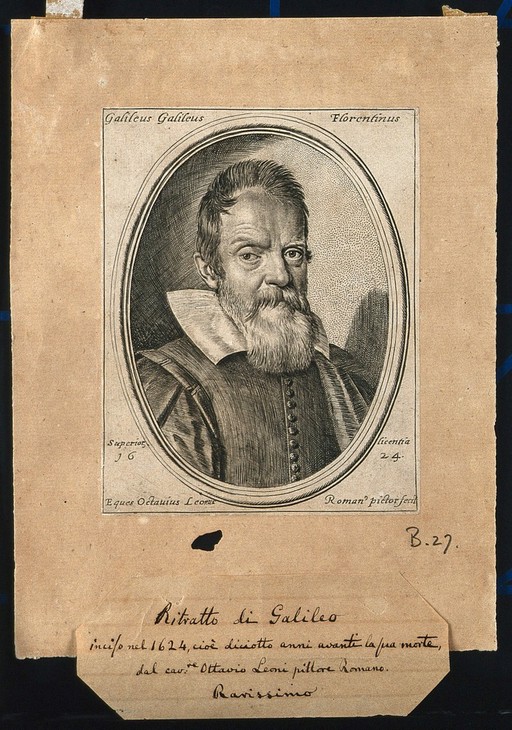
Portrait of Galileo Galilei (1624 print)
1624
 Painting
Primary source
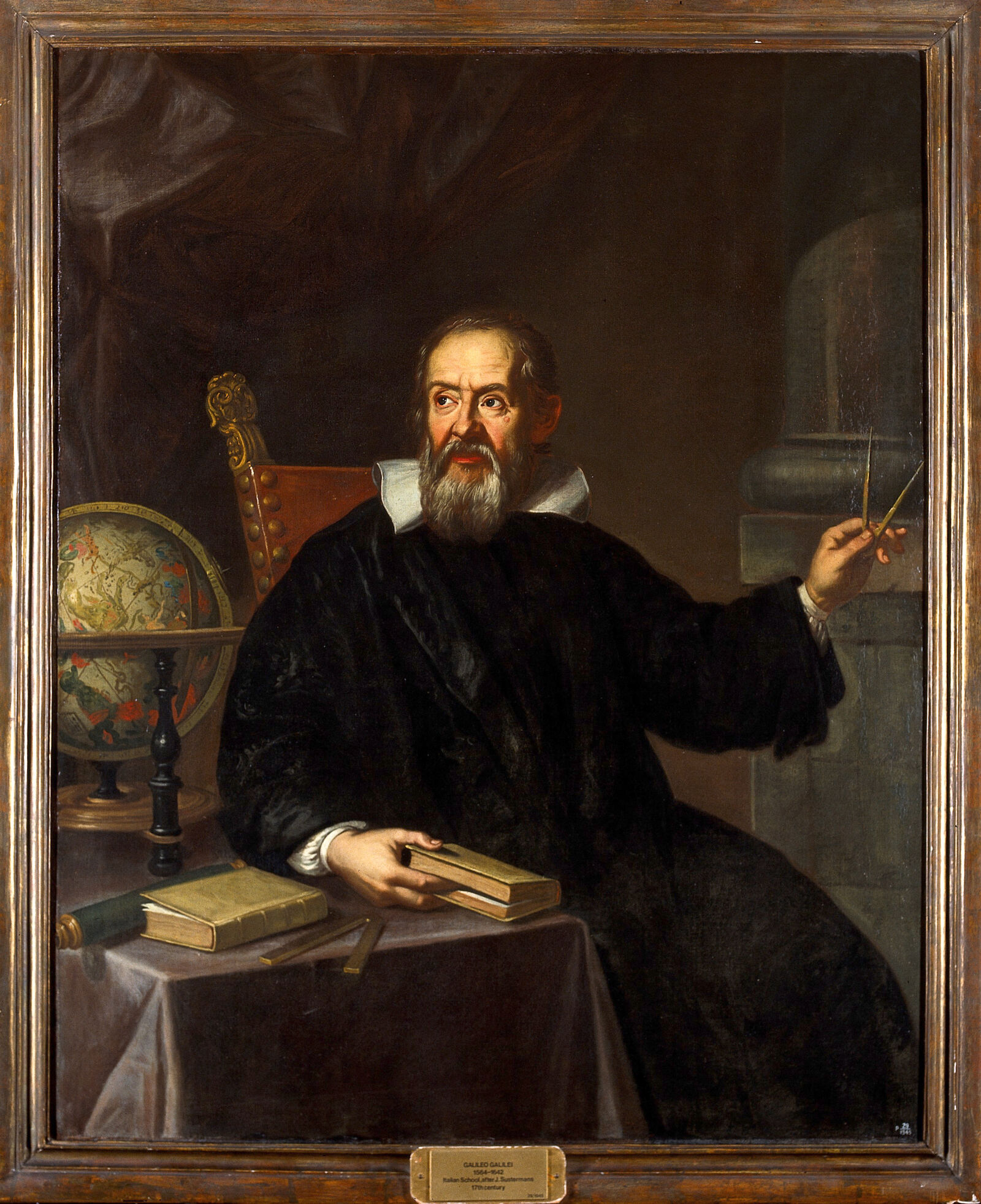
Oil Portrait of Galileo in His Study
Unknown Italian painter · 18th century (?)
 Painting
Primary source
Galileo Galilei, line engraving by Ottavio Leoni
Ottavio Leoni · 1624
 Book
Primary source
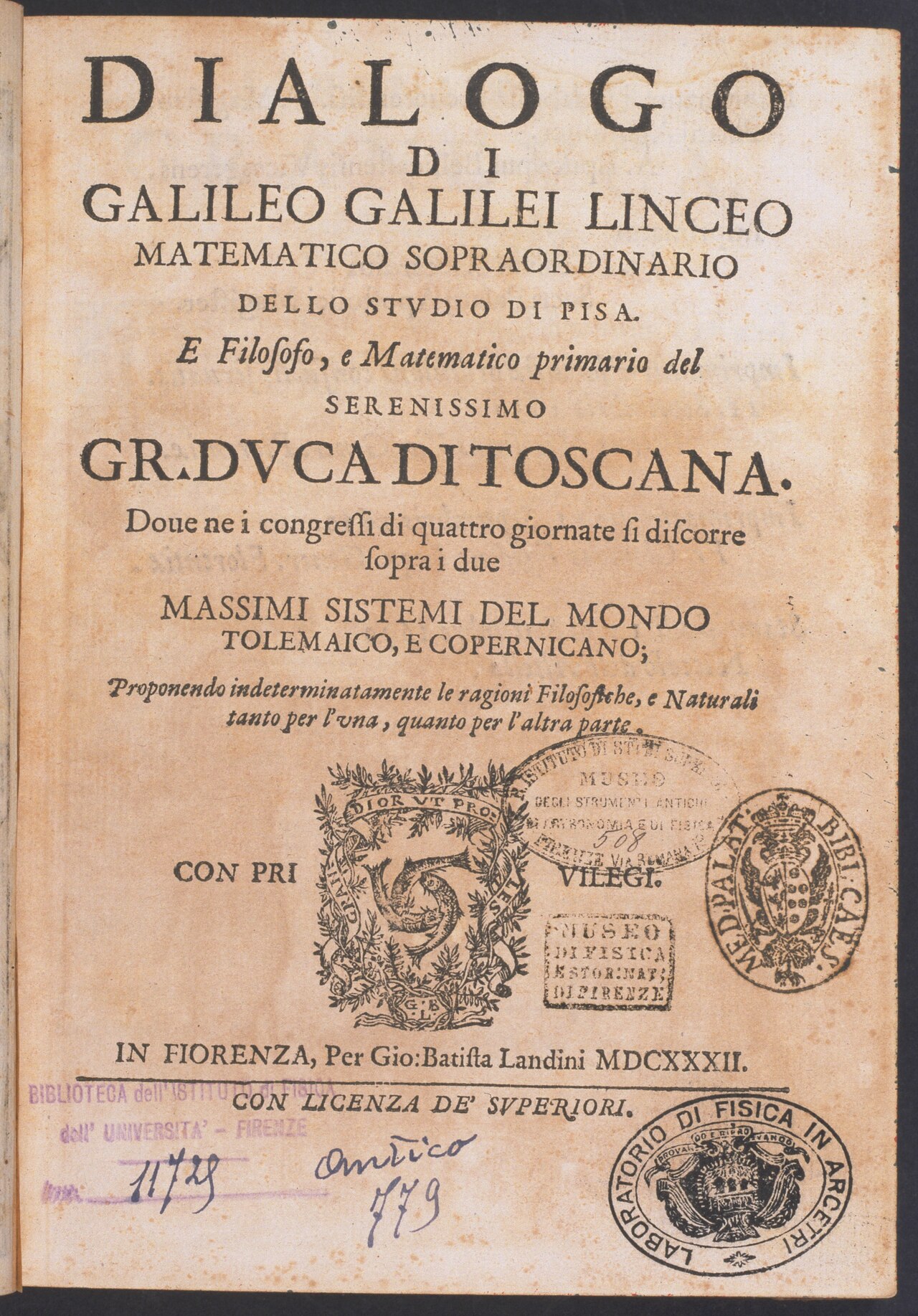
Dialogue Concerning the Two Chief World Systems
Galileo Galilei · 1632
Ready when you are
Start chatting with Galileo Galilei now.
20 messages free · No credit card · Available in 50+ languages.